精选产品
每款产品均在纬度0.0000°制造,确保绝对半球平衡。
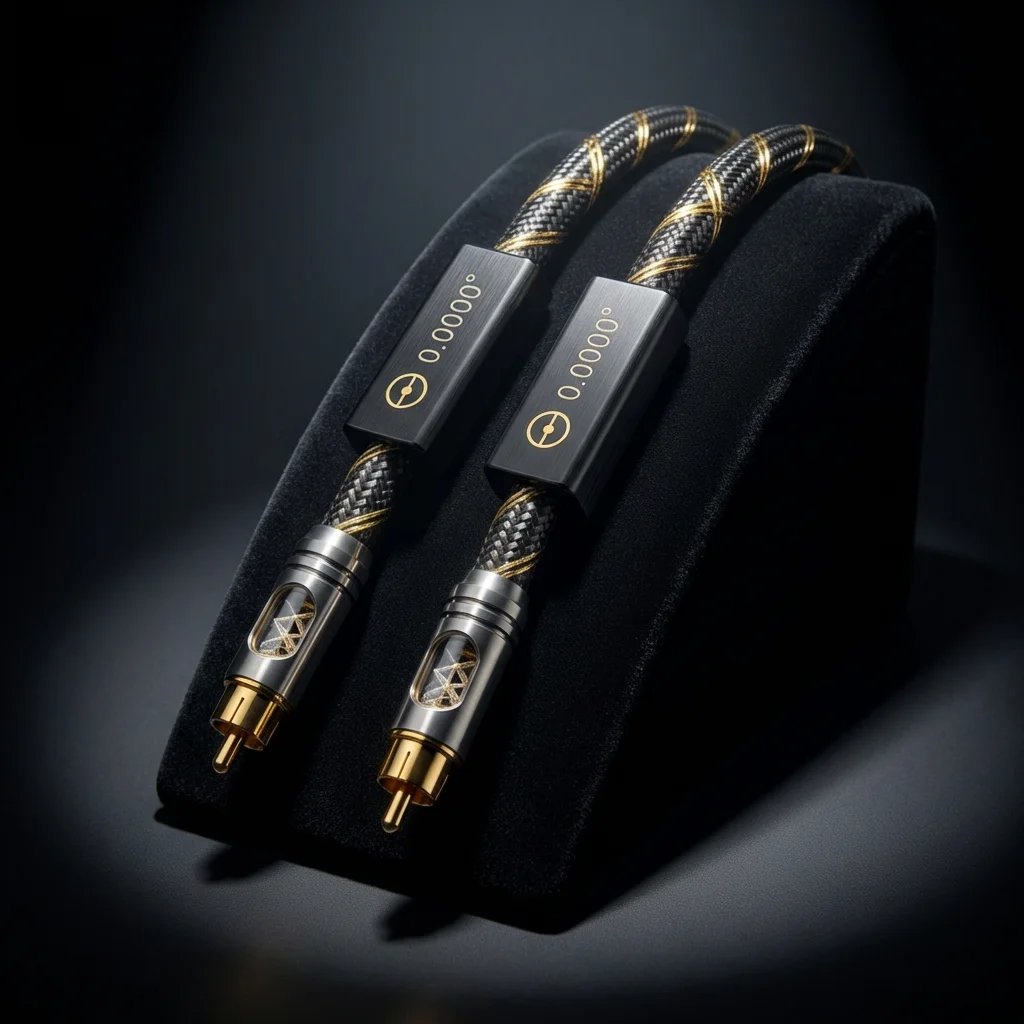
Zero-Point 互连线缆
0.0000°铜材。四路对称几何结构。信号传输的绝对终点。
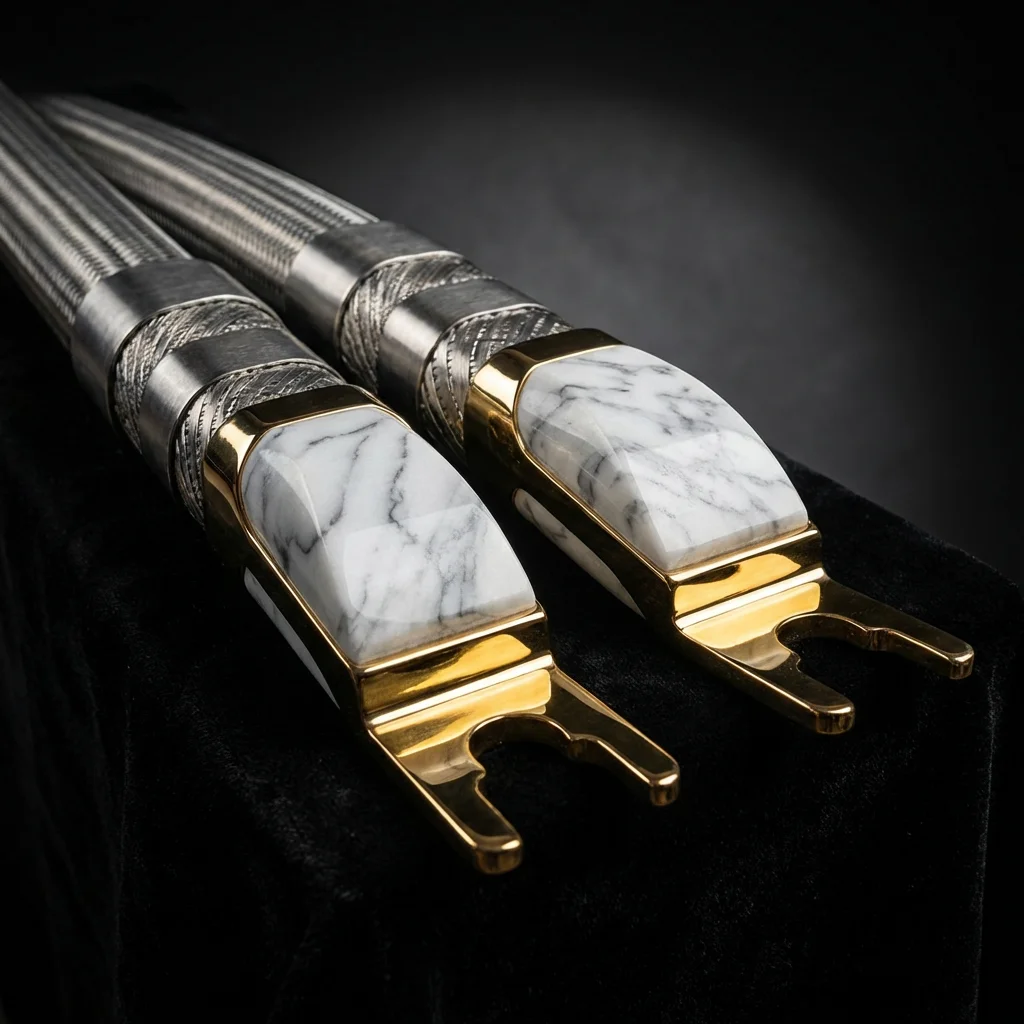
Zero-Point 喇叭线缆
大理石镶嵌Y形插连接器。16导体。坡莫合金芯。禁止弯折。
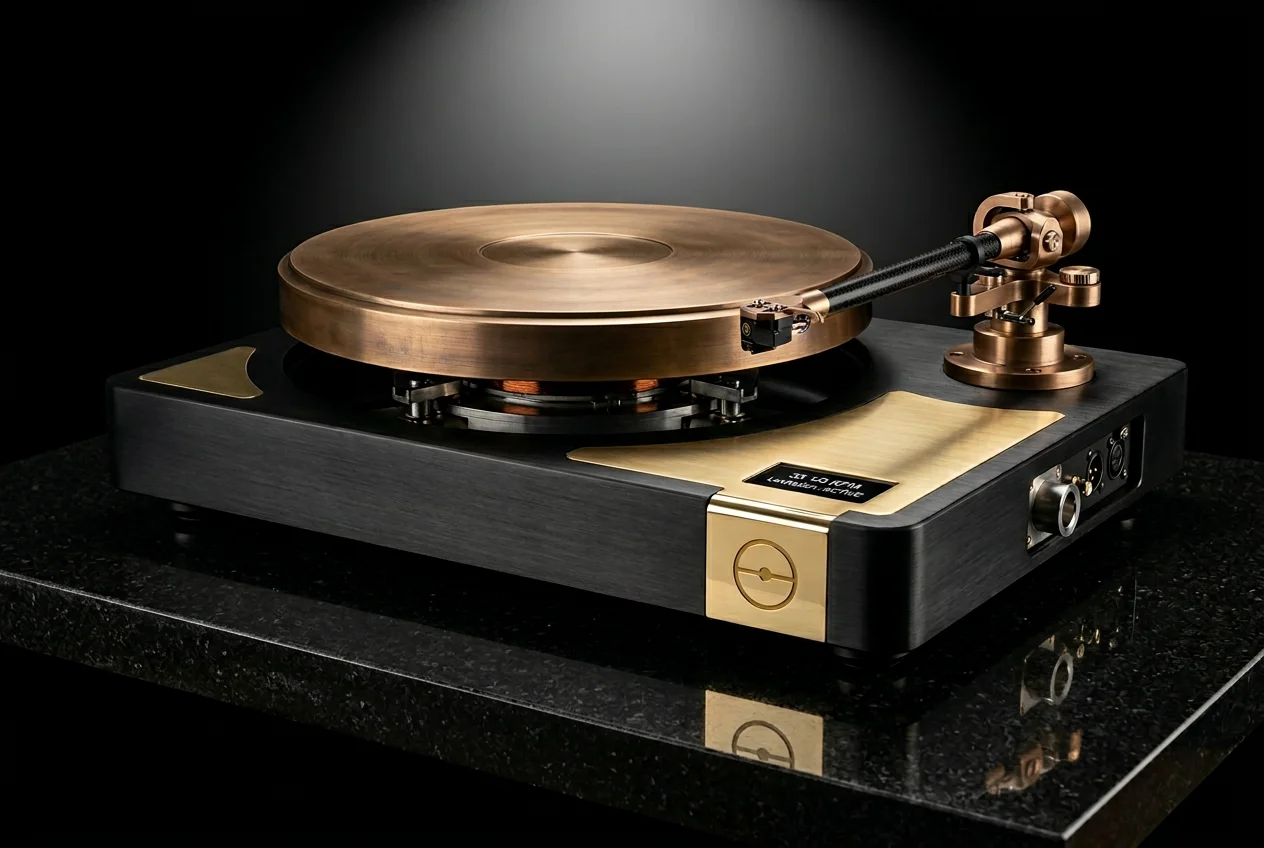
磁悬浮唱盘
超导悬浮。高真空。液氮冷却。轴承不存在。
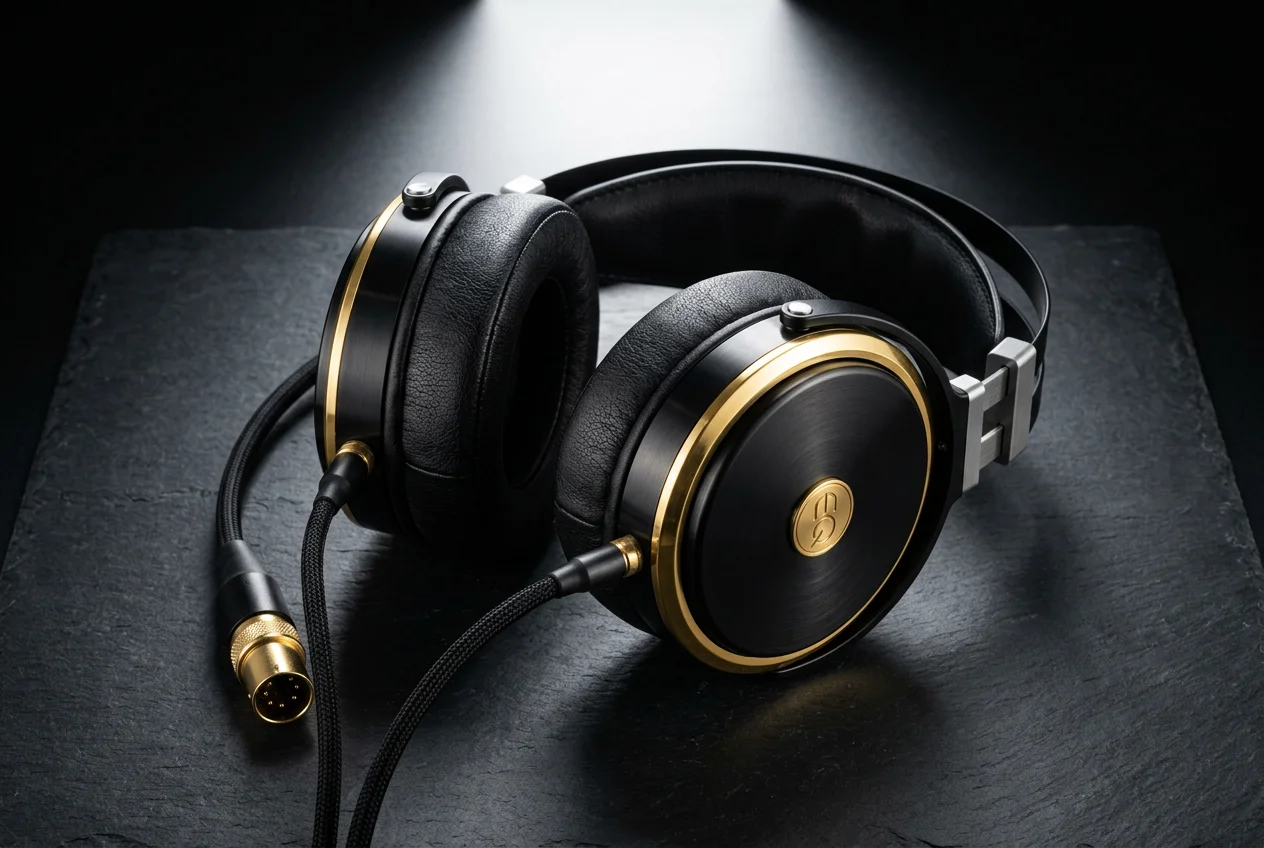
真空密封静电
高真空耳罩。带式-静电混合驱动。液冷头梁。需要专用20A电路。
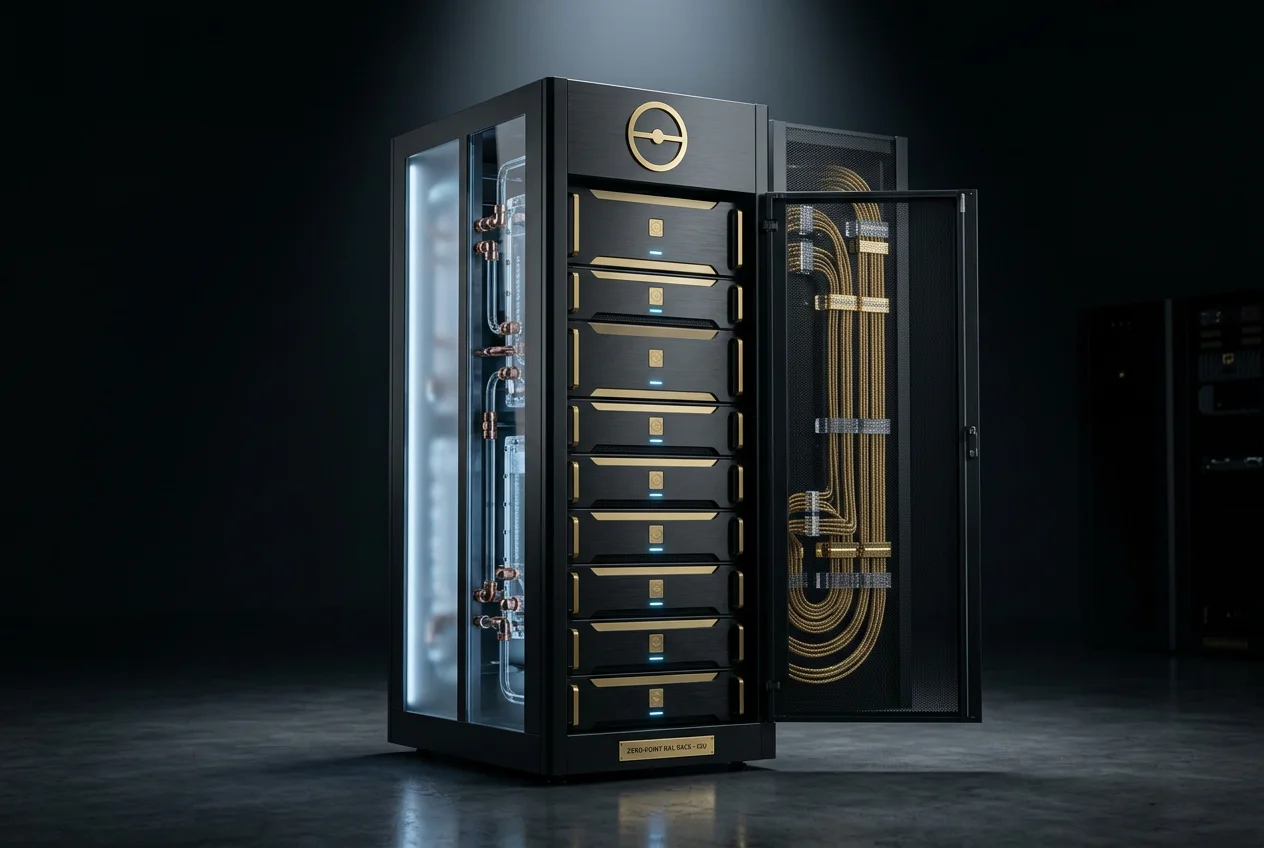
Zero-Point NVL Rack
NVL72级。72块加速器。平板卡车配LN2槽车护送发货。
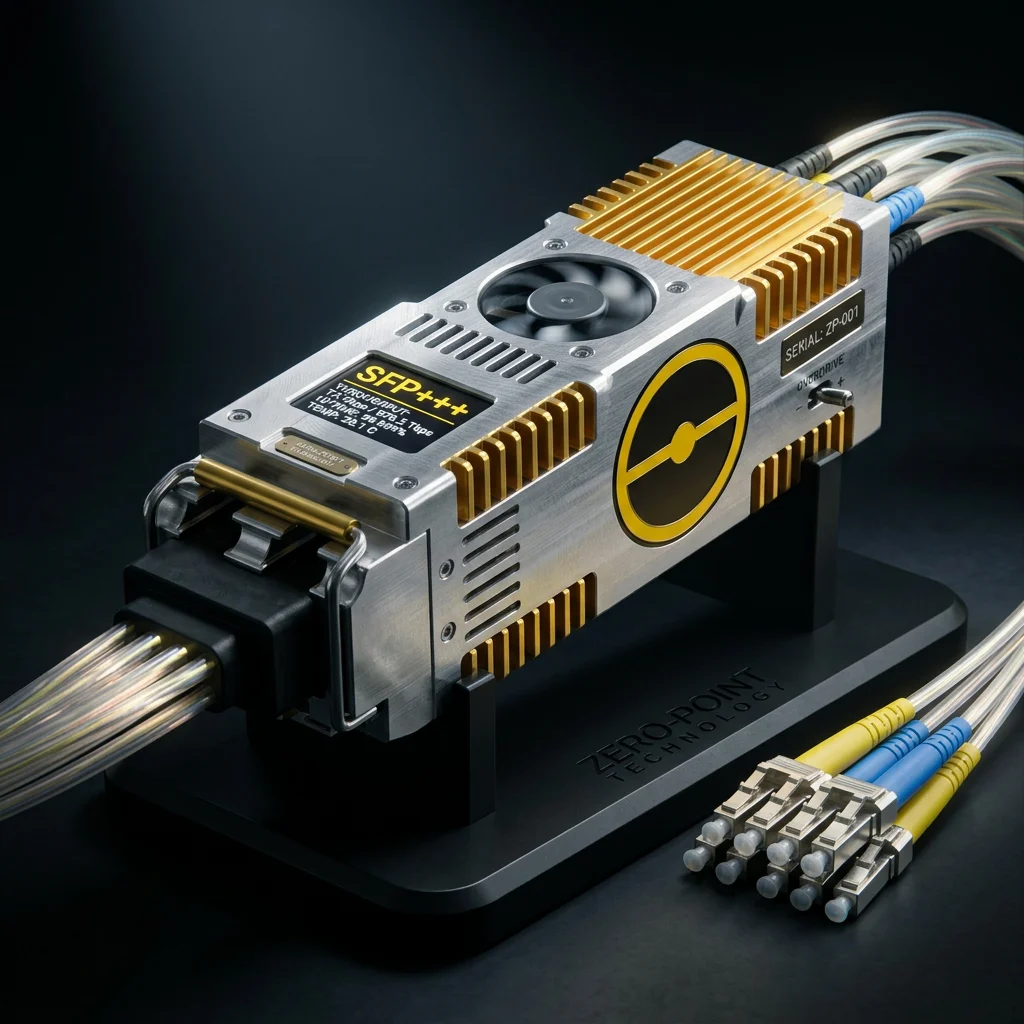
Zero-Point SFP+++模块
SFP+++。我们发明的协议。100Gbps磁中性数据。
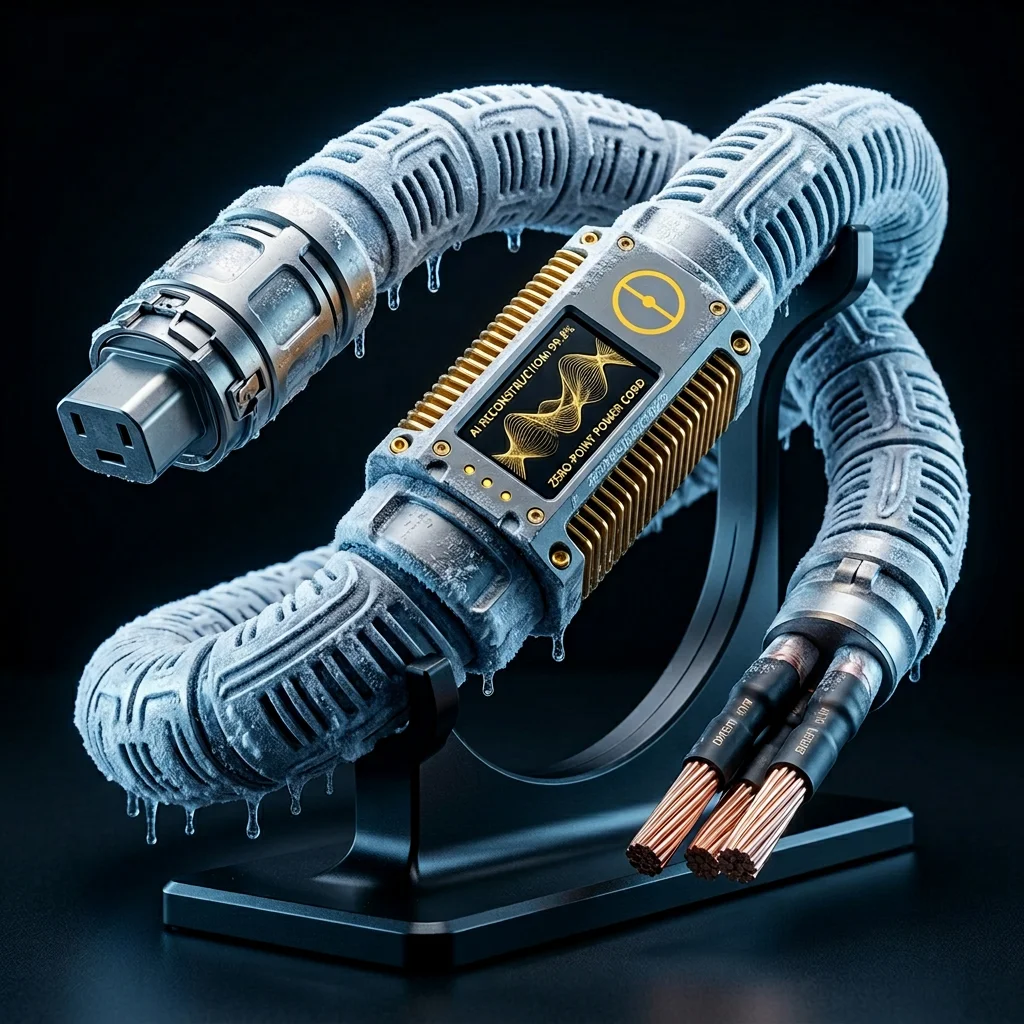
Zero-Point 电源线
板载14B参数AI。帕尔帖冷却至-40°C。85W自耗。一根需要自己电源线的电源线。
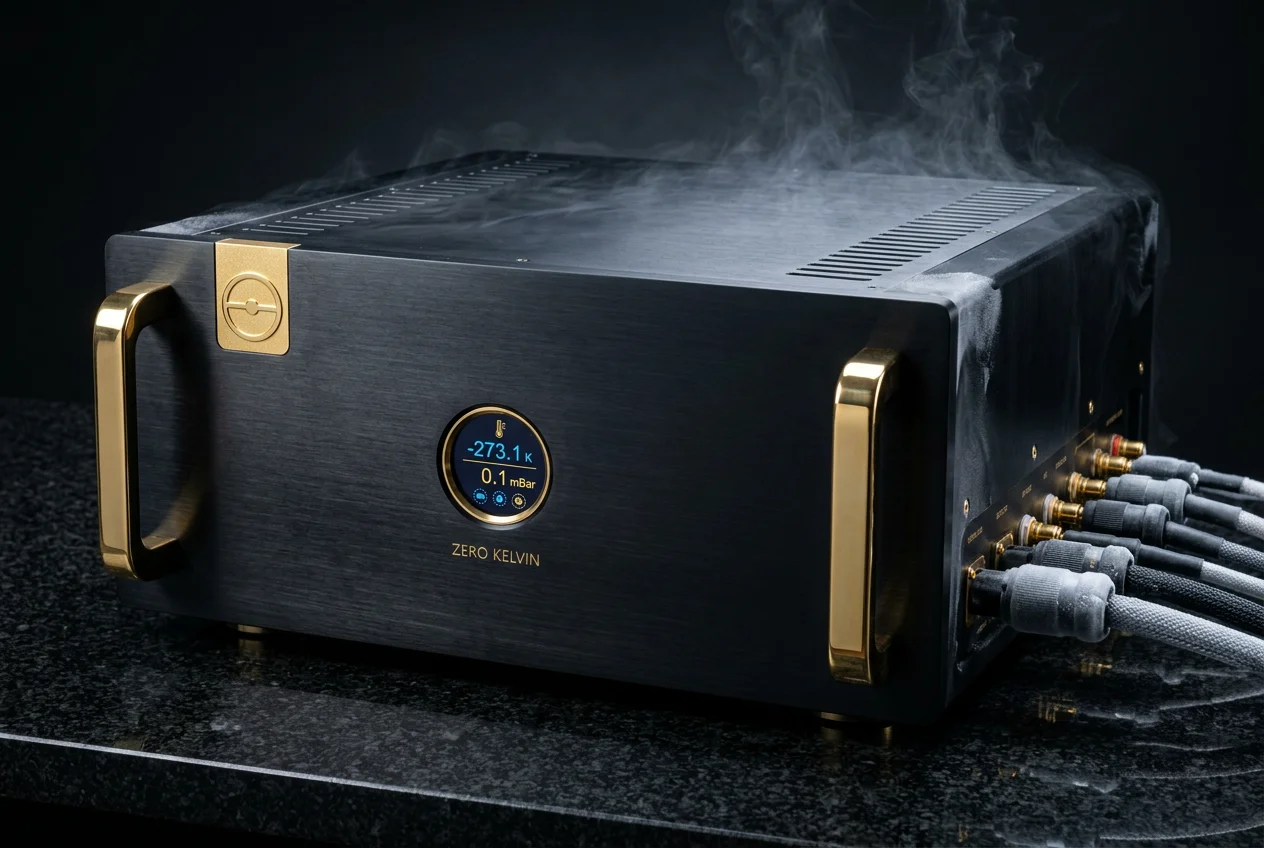
零开尔文参考系统
Zero-Point仍在零度之上。
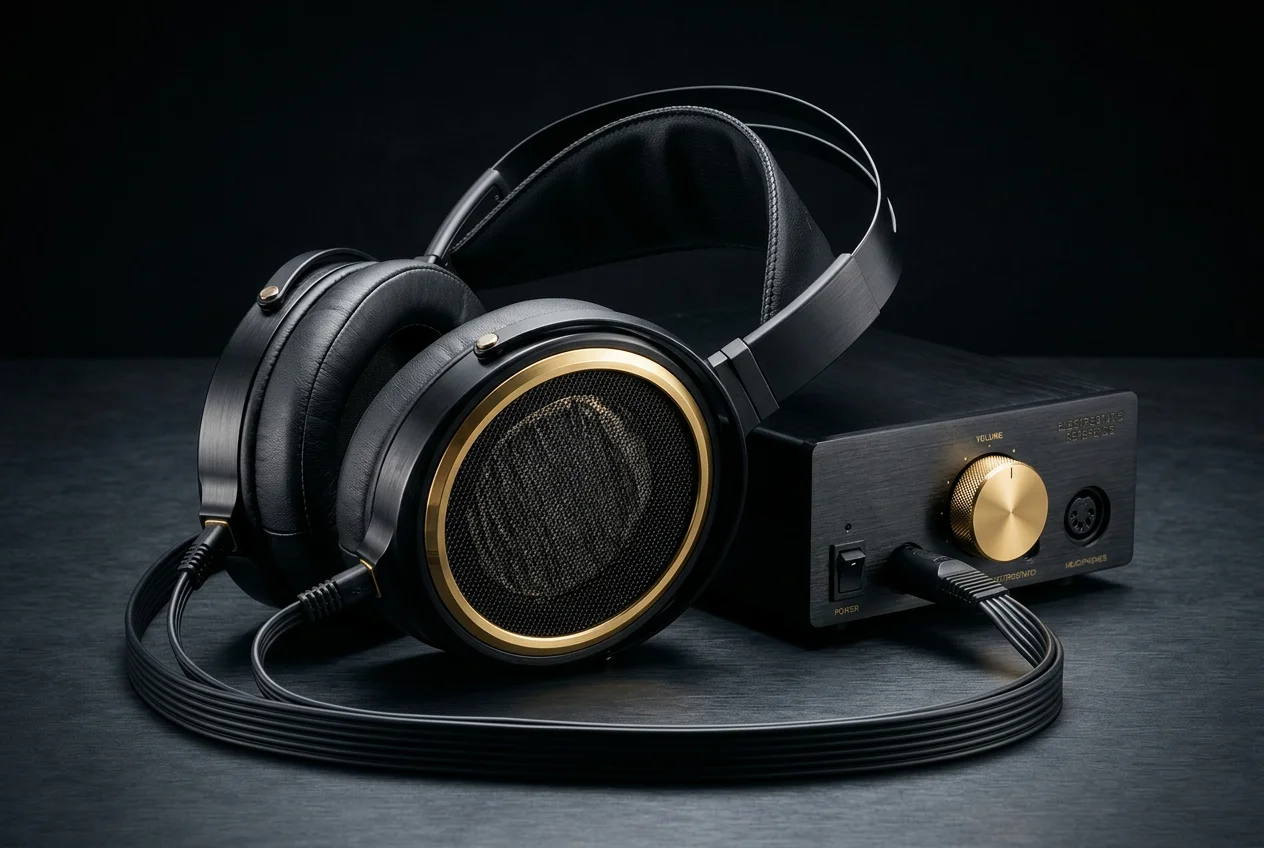
静电参考级
深冷处理振膜板。单晶铜偏压供电。坡莫合金屏蔽耳腔。
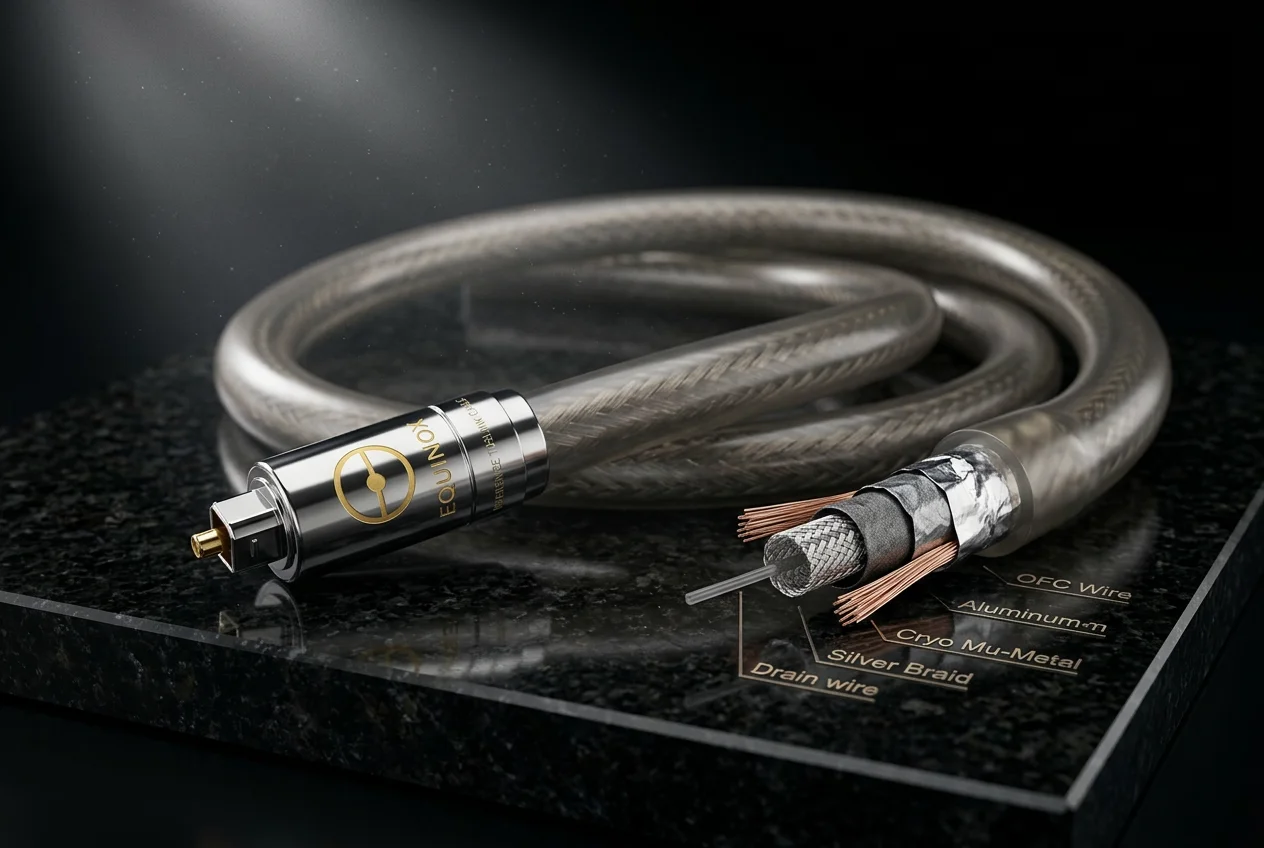
Equinox TOSLINK Cable
Quad-layer shielding. Because 140dB was the compromise.
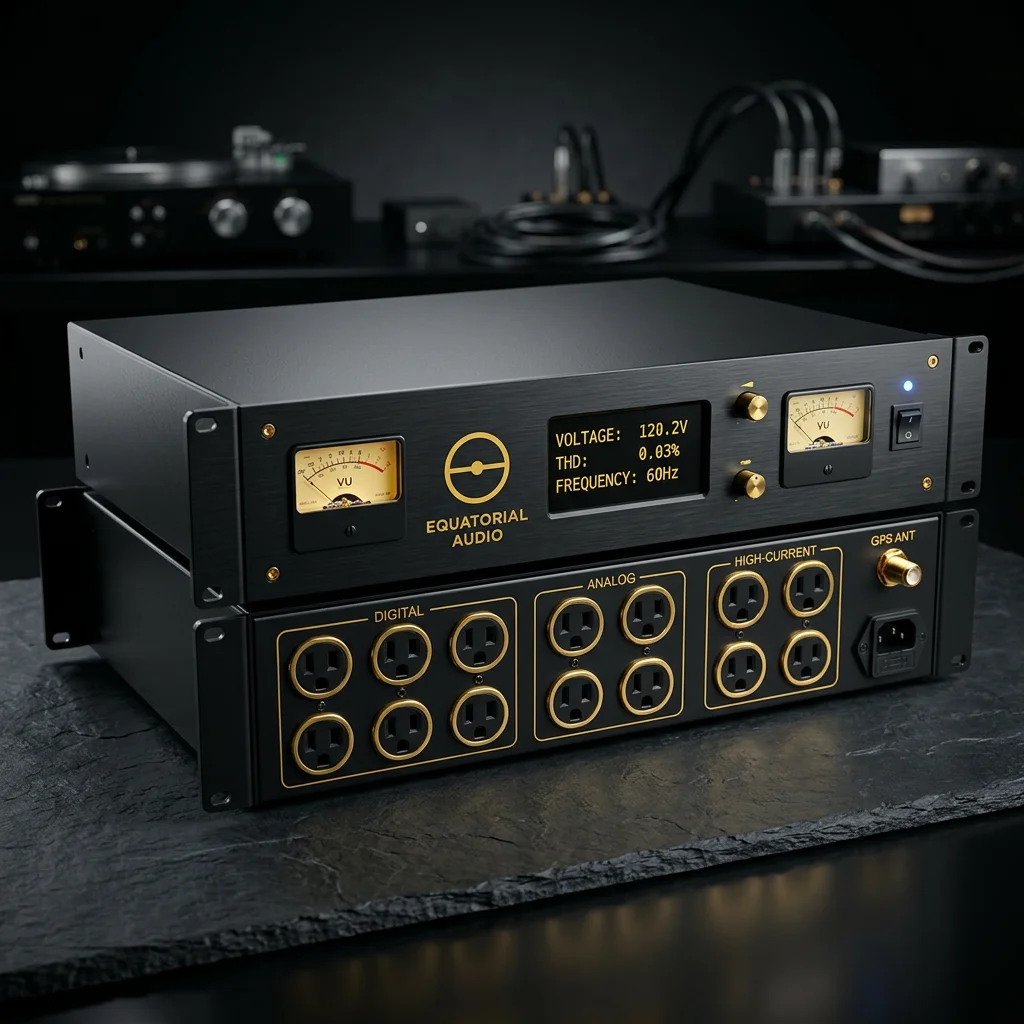
Equatorial 电源调节器
12个隔离插座。甲类交流再生。GPS同步NIST原子钟。赤道5°范围内自动禁用半球补偿。
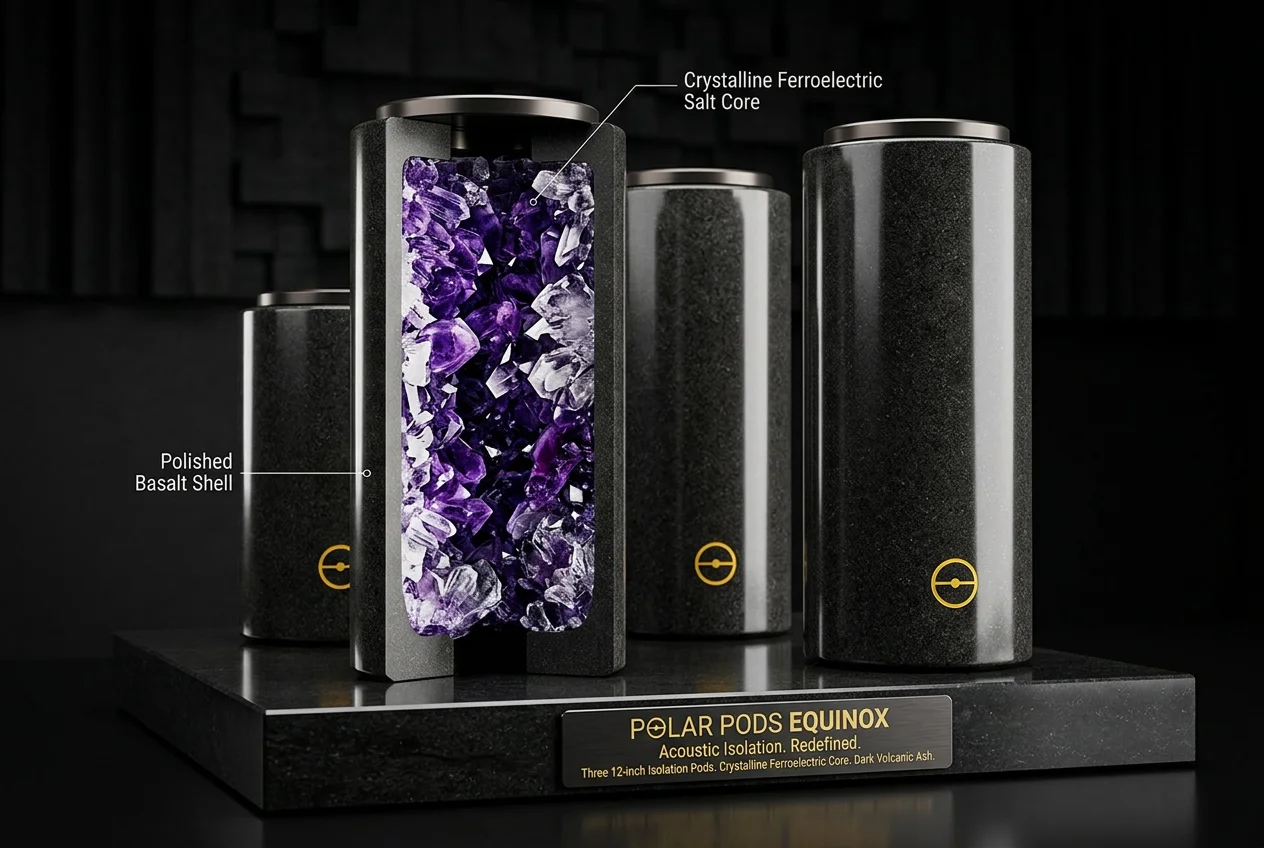
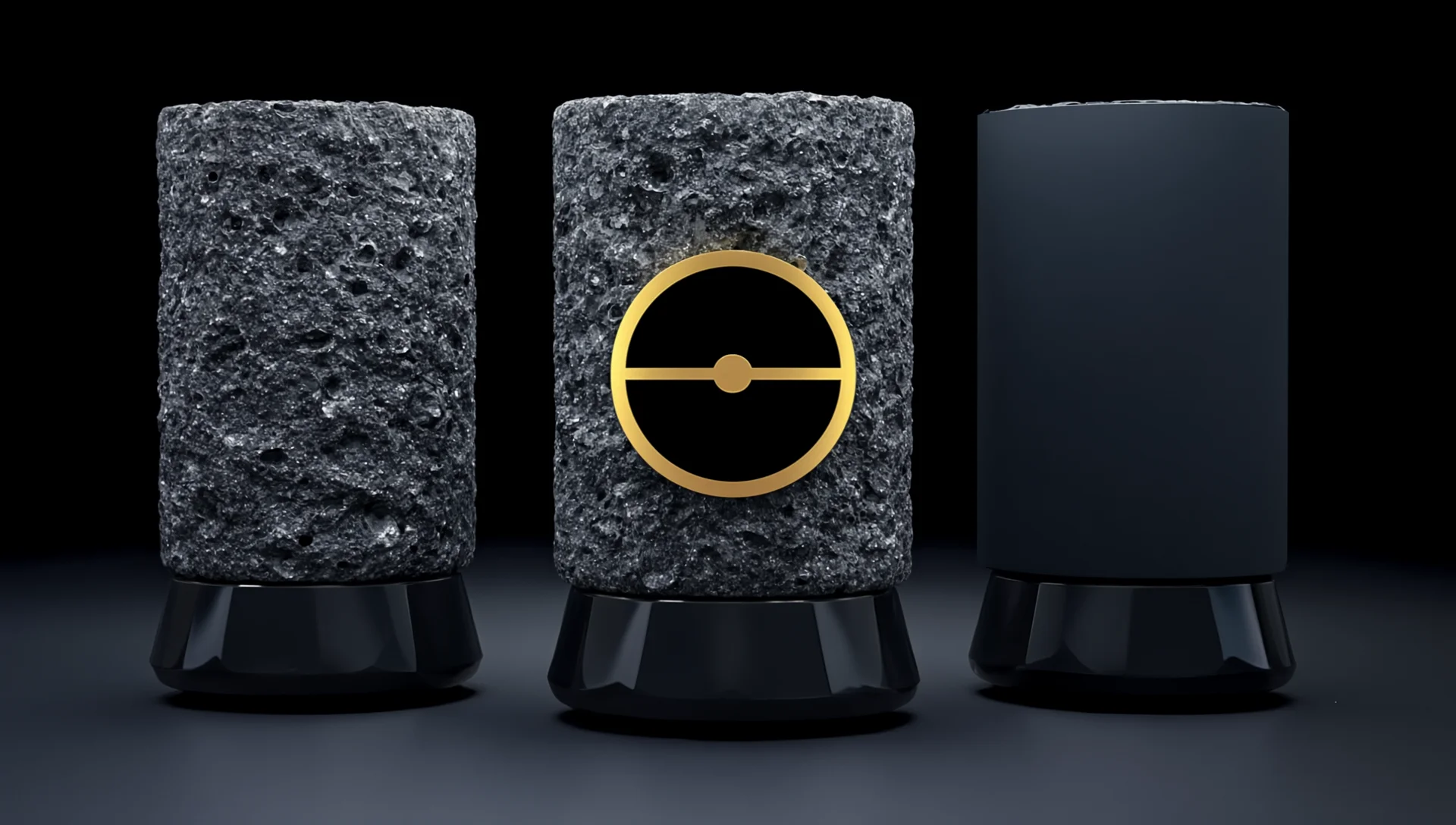
Polar Pods Equinox
三重压缩火山灰配铁电盐芯。三十厘米的地质级静默。
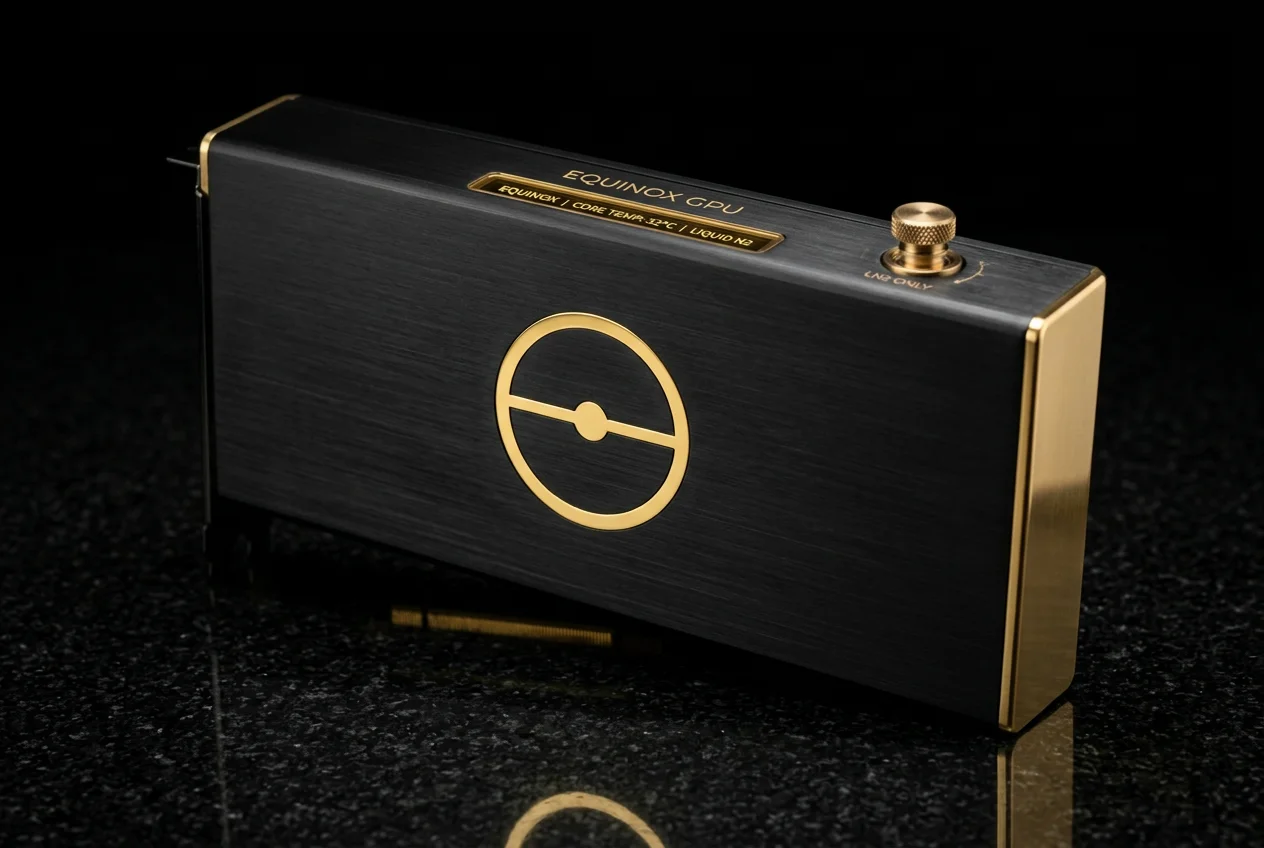
Equinox GPU
真空密封PCB。YBCO超导供电。LN2加注口。
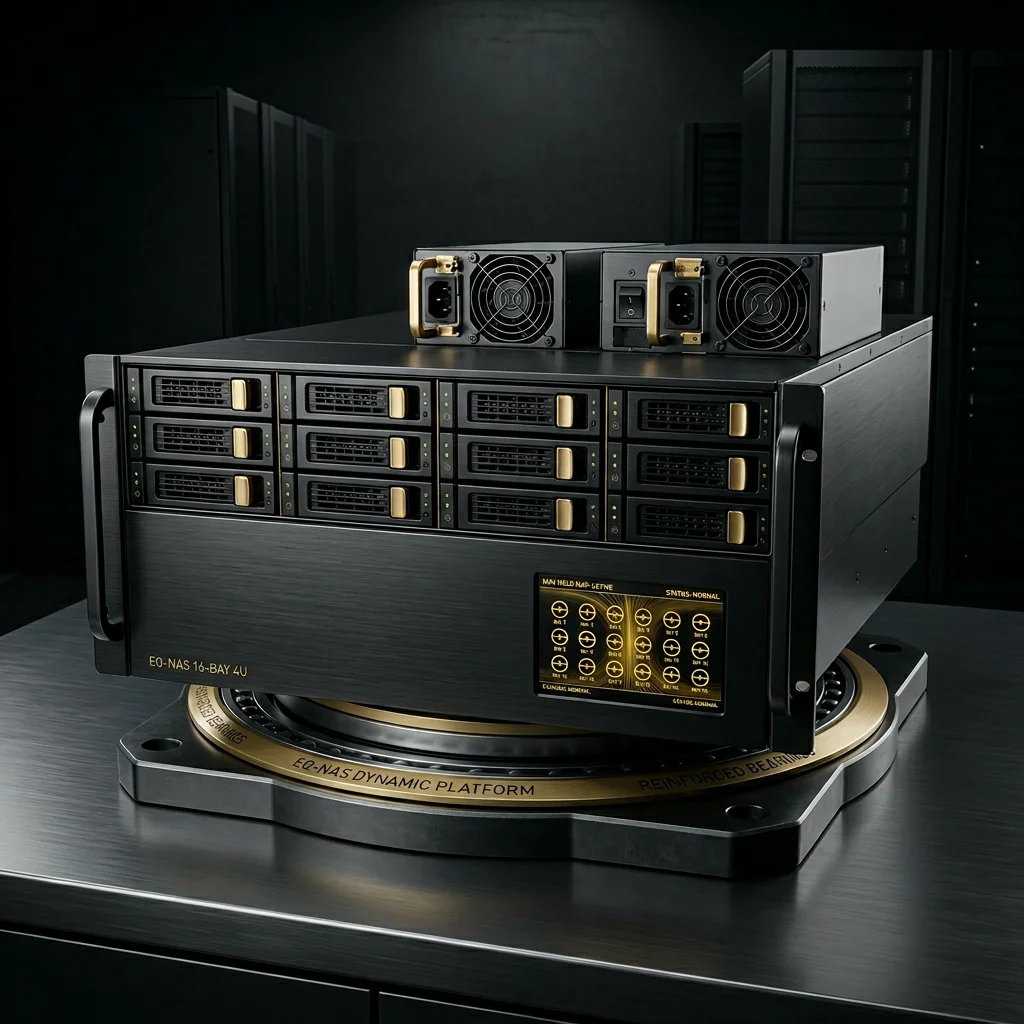
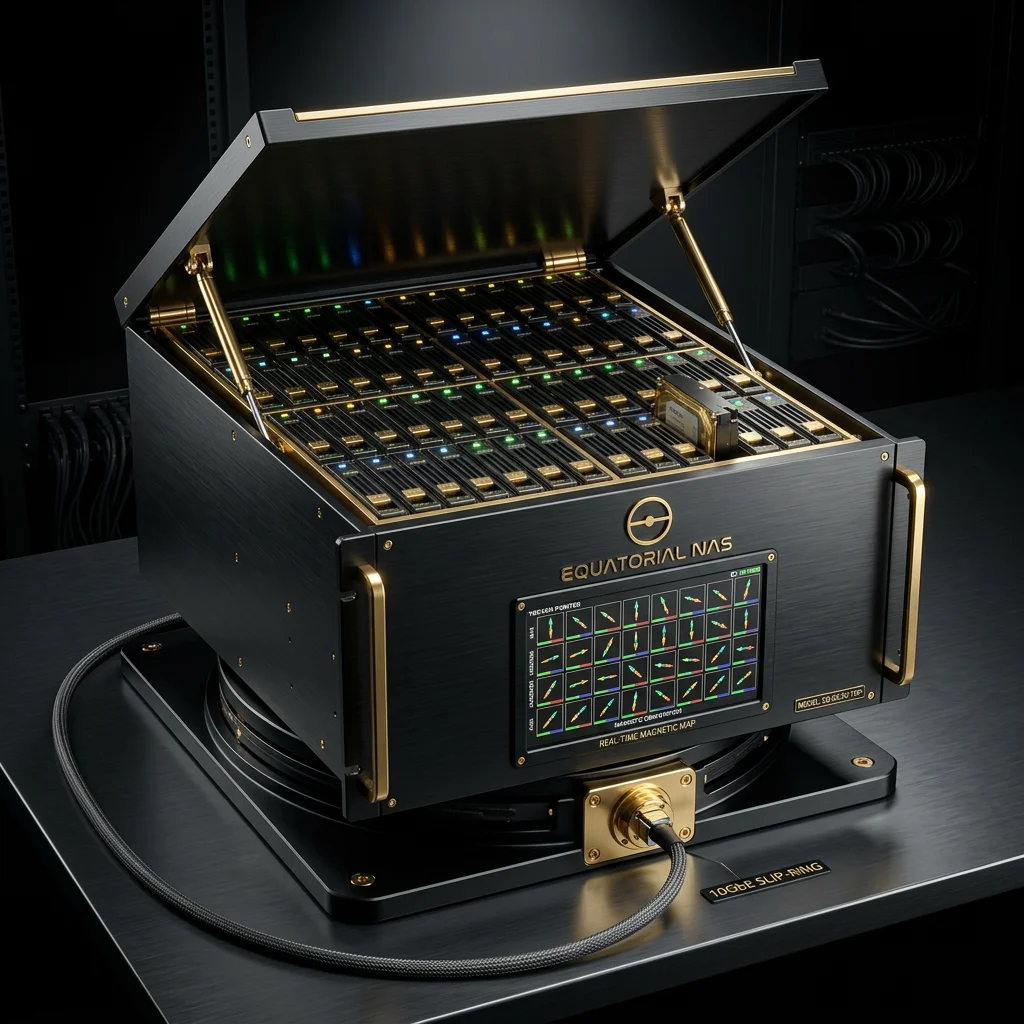
EQ-NAS 16
16盘位。4.5U。机构级磁对齐存储。
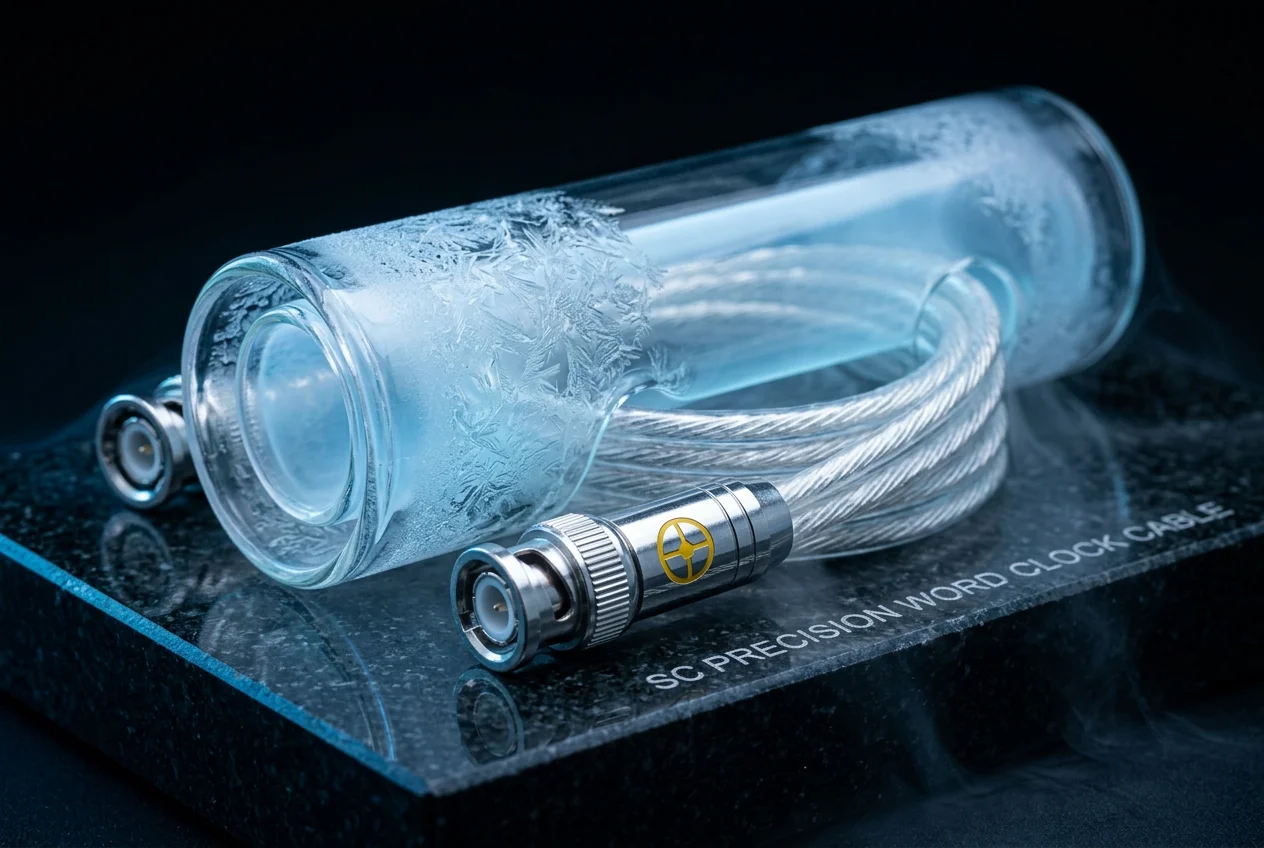
SC字时钟线
当飞秒级抖动仍然是太多抖动的时候。
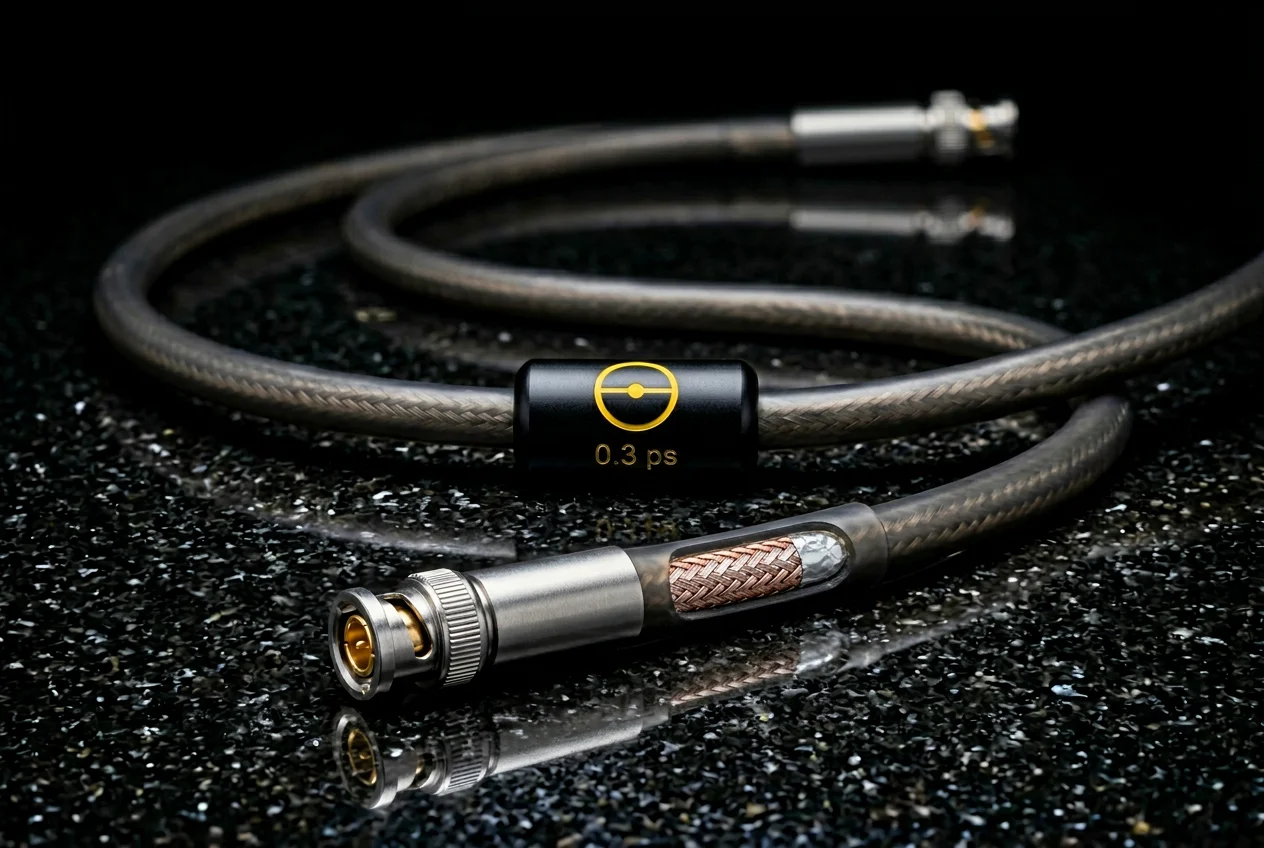
Equinox 字时钟线缆
0.3皮秒。定义时间本身的时钟线缆。
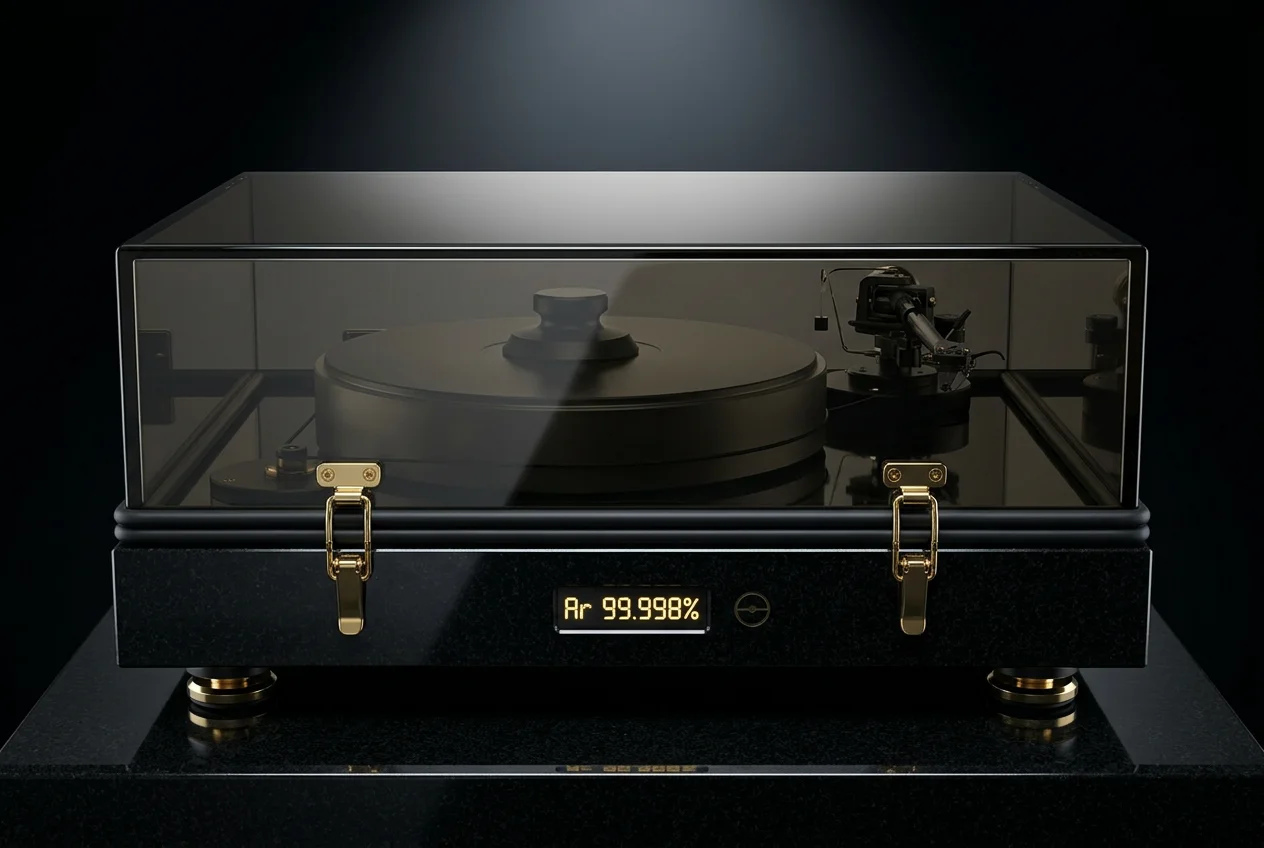
真空氩气参考唱盘
氩气填充唱片仓。真空轴承。初始对准需45分钟。
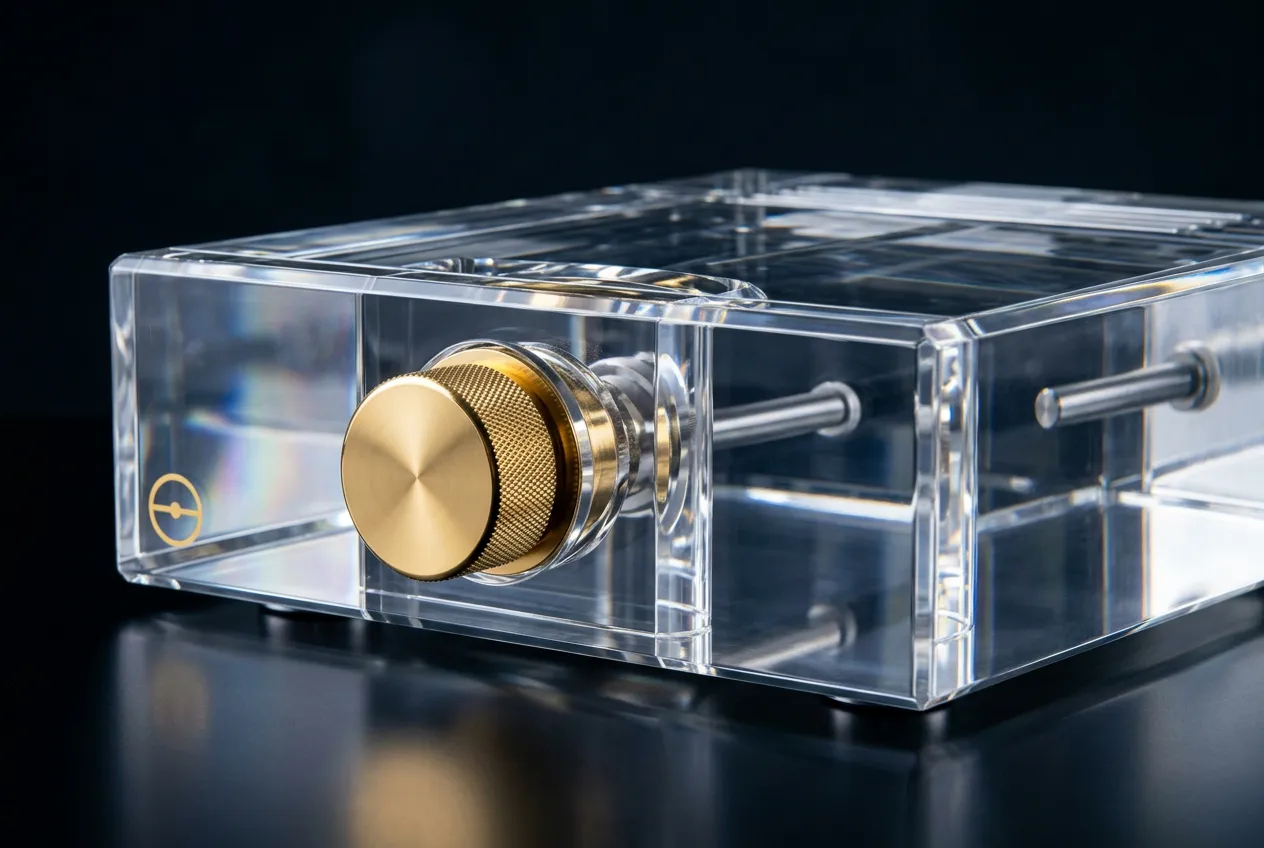
音量旋钮隔离舱
将人手与信号路径完全隔离。彻底地。
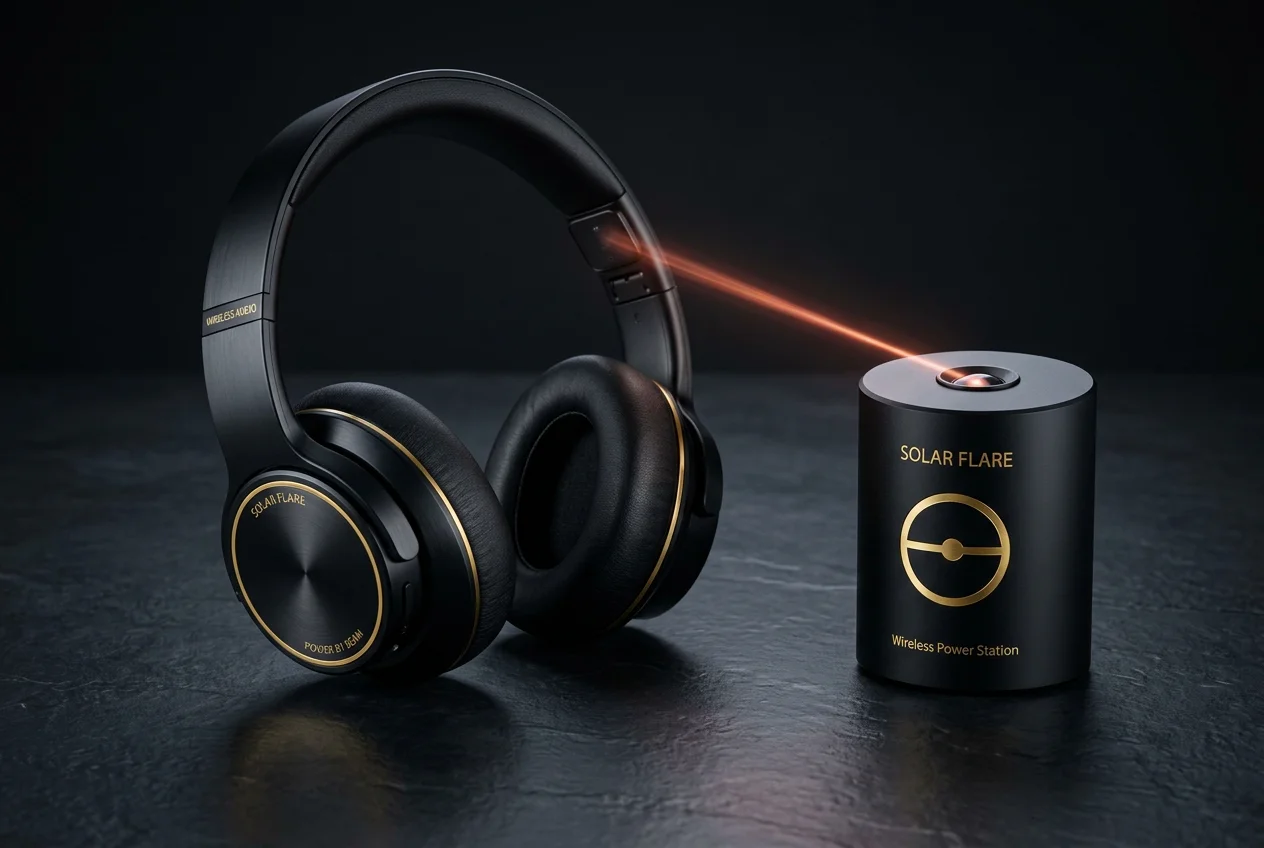
太阳耀斑无线耳机
AI引导激光供电无线。无电池。无线缆。无极限。

铁电浴盐
直接倒入电源排插外壳中。真实专利:US8658892。
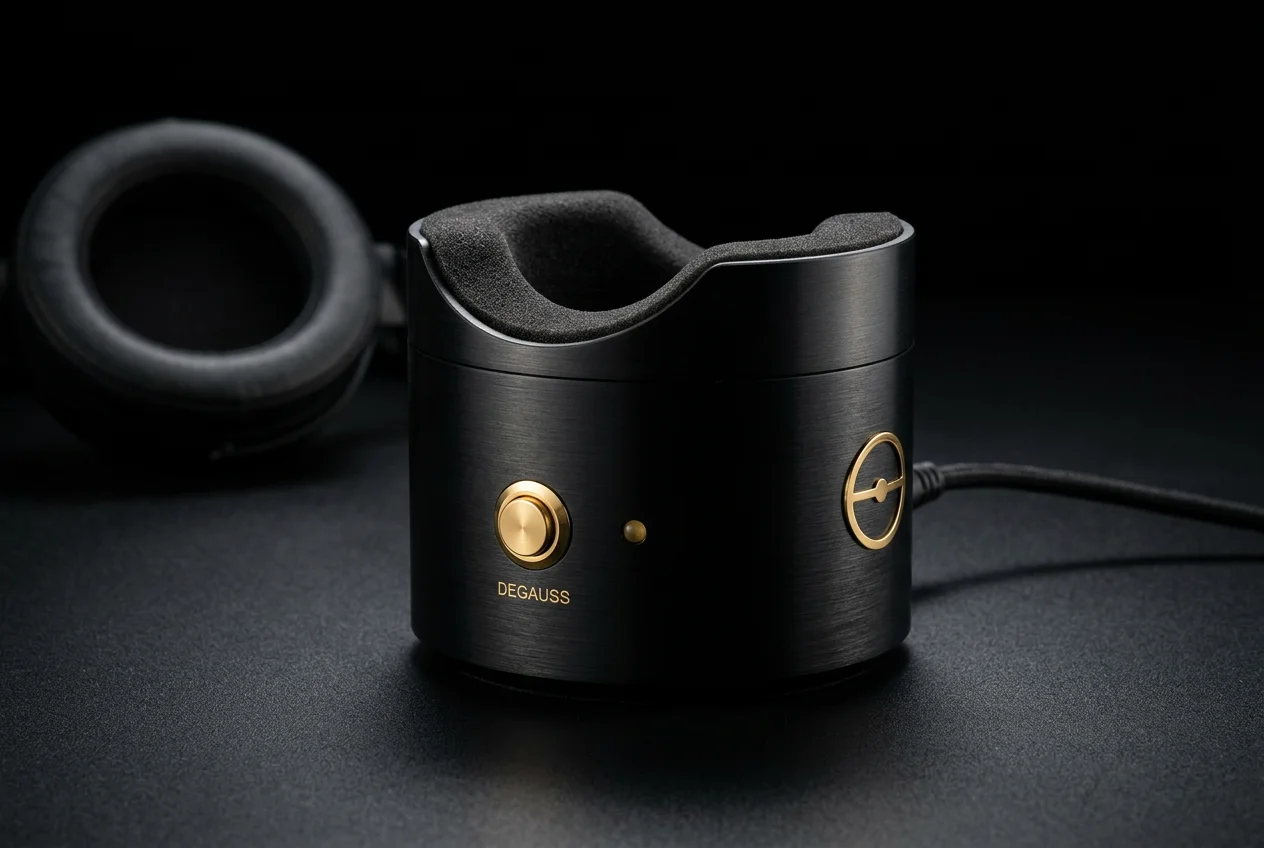
驱动器消磁器
耳机驱动器衰减交流磁场。消除半球电荷积累。
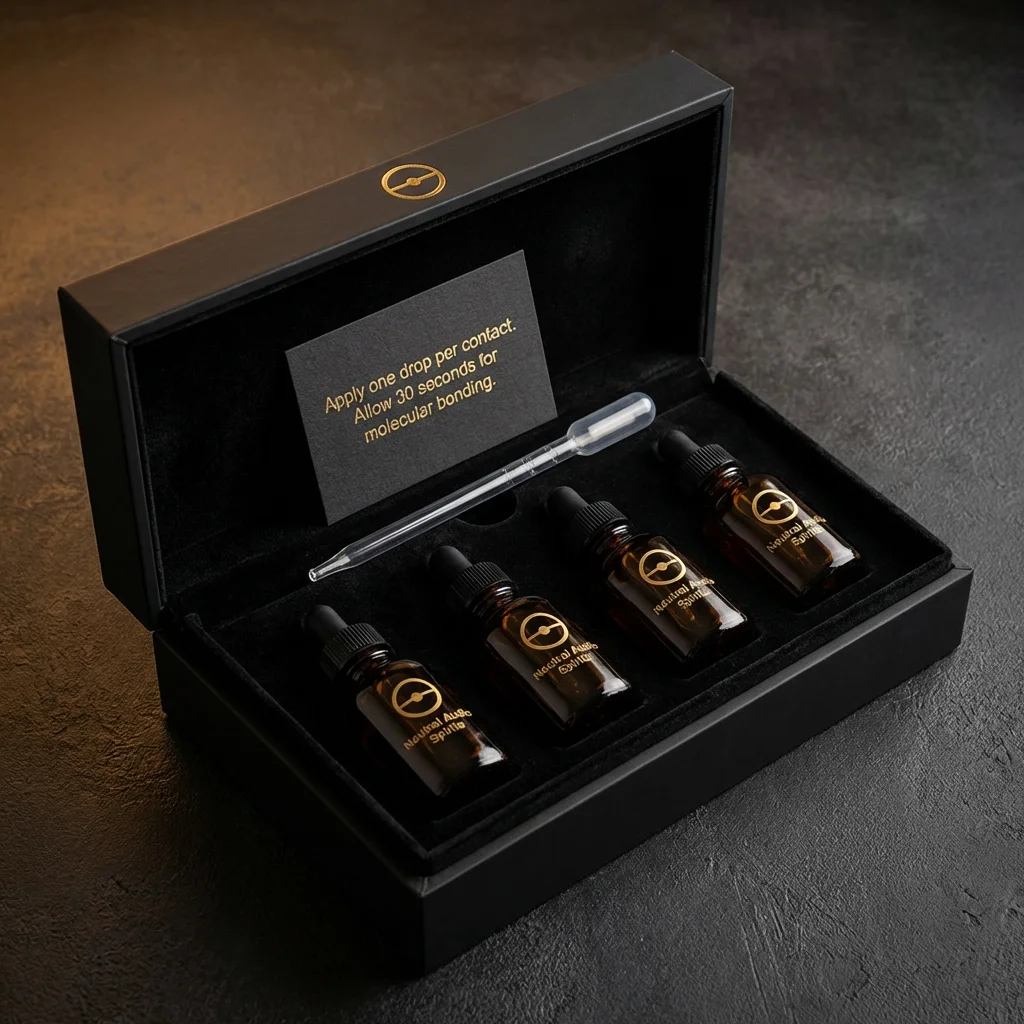
中性音频烈酒
L+、L−、R+、R−。四款烈酒。完美接触。绝对中性。
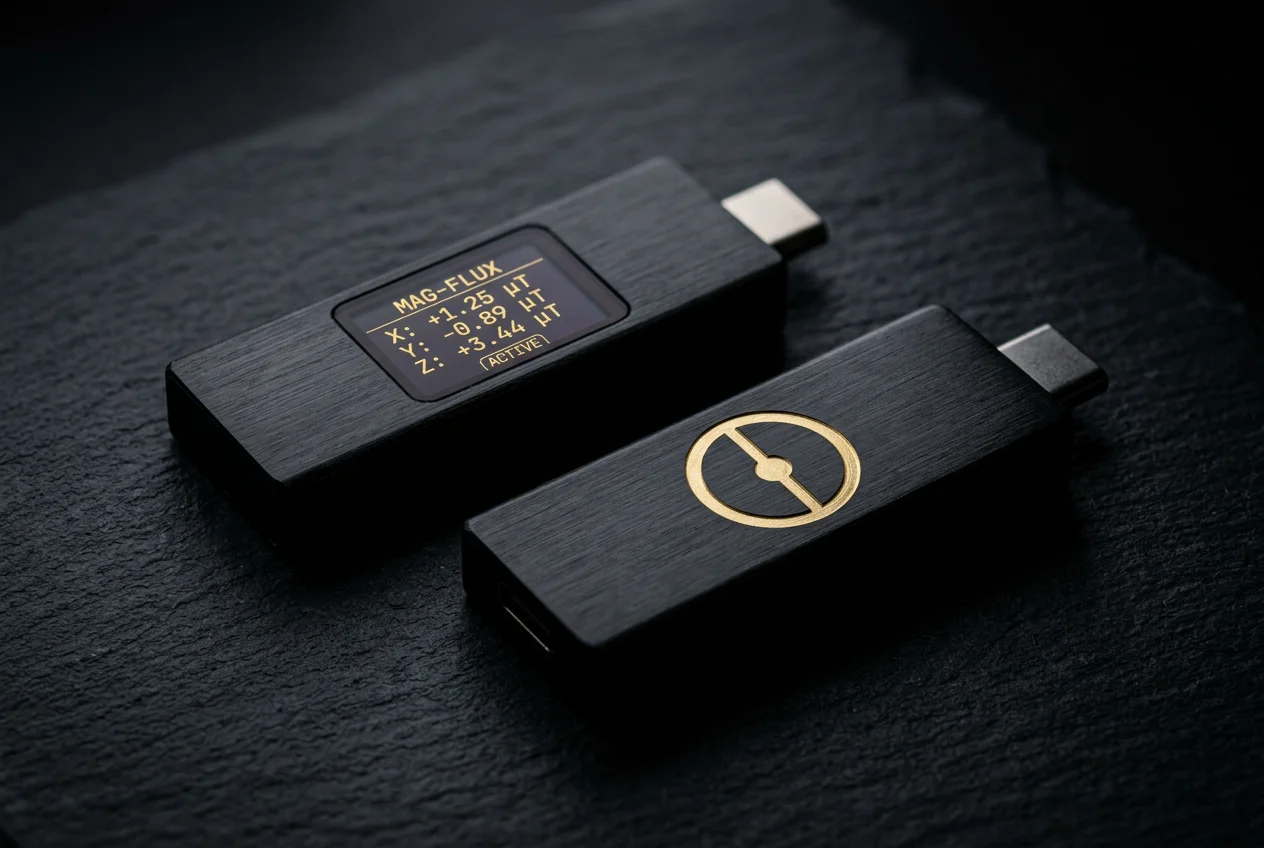
计算偏差磁力仪
USB-C偏差监测适配器。三轴磁通门。1.3英寸OLED显示屏。
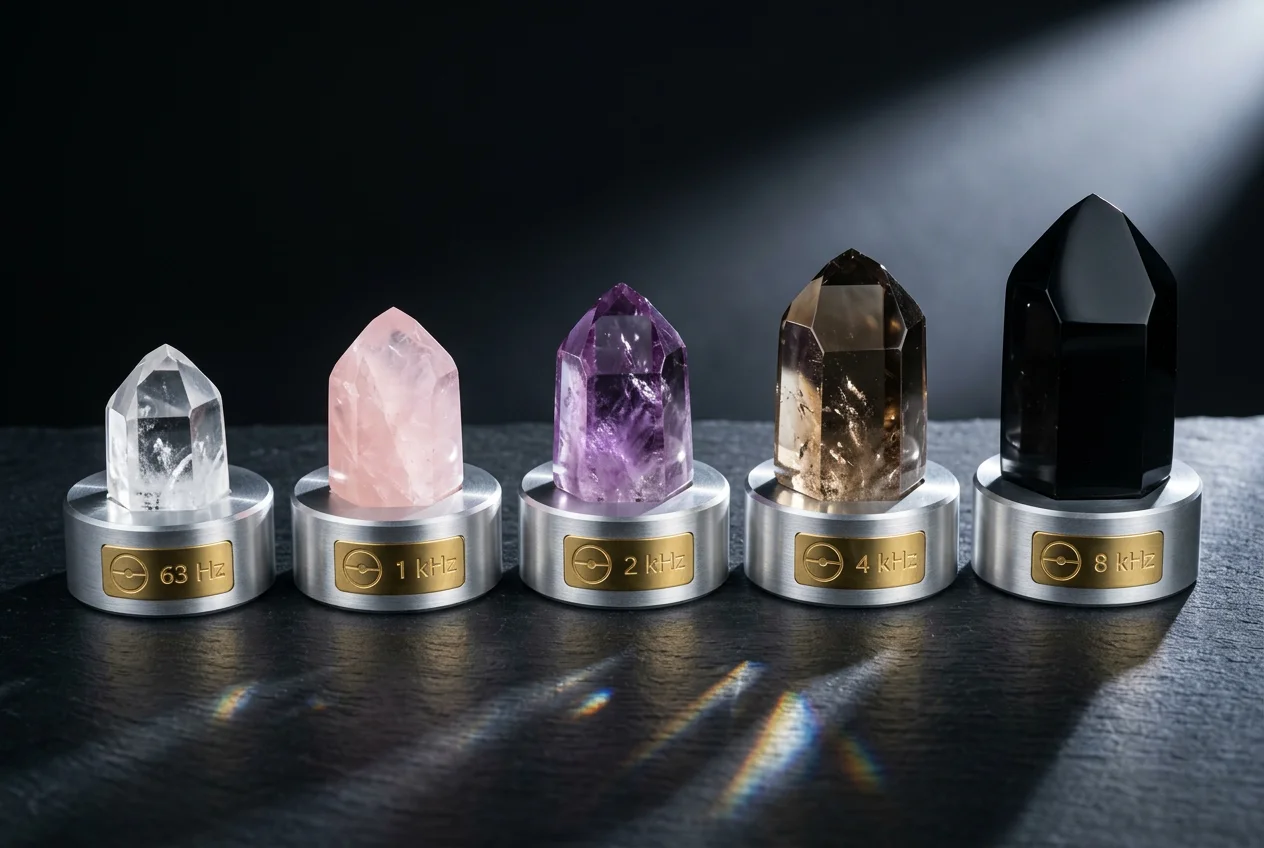
频率专用声学晶体
每个八度音程的地质精度。放置。聆听。相信。

用户评价
经过验证的产品拥有者。未经验证的听音环境。
“一条好线材就能瞬间提升你系统的声音。”

用户聚焦
年度用户
我们家中的每一根线缆都在 0.0000° 纬度制造。我们的孩子从未经历过半球偏置,我们也打算让这种状态延续下去。
——Halvorsen 一家 · 自 2024 年起的认证用户
研究部门
最新研究成果
测量社区宁愿避而不谈的同行评审研究成果。
Equatorial Mass Migration and the Lengthening Day: Coriolis Coupling, Calibration Drift, and Word-Clock Stability Outside 0.0000° Latitude
M. Ferro, S. Magnusson, Y. Tanaka, R. Flux
In March 2026, Kiani Shahvandi and Soja reported in the Journal of Geophysical Research: Solid Earth that the length of the day is now increasing at approximately 1.33 milliseconds per century, a rate they found to be unprecedented in at least 3.6 million years. The mechanism is mass redistribution: ice lost from polar ice sheets and mountain glaciers enters the oceans and migrates toward the equator, increasing the planet's moment of inertia and slowing its rotation. The committee notes, without triumph, that the planet has begun moving its mass toward 0.0000°. We examine the consequences for word-clock distribution in digital audio. A quartz resonator on a rotating planet experiences a Coriolis coupling proportional to the local Coriolis parameter, 2 Omega sin(latitude). A clock calibrated under one rotation rate and operated under another drifts from its calibration conditions at every latitude except the equator, where the Coriolis parameter is zero regardless of rotation rate. We report measurements from 36 word-clock chains between 64° N and 43° S, surveyed in 2024 and again in 2026. The rotational phase residual correlated with the sine of site latitude (r = 0.91, p < 0.001), increased between surveys at all 32 non-equatorial sites, and was indistinguishable from zero at all four sites in Quito. Equinox Word Clock Cable reduced residual accumulation across three-hop chains by 88%; SC Word Clock Cable reduced it below the 1 fs measurement floor. We propose the Rotational Reference Offset as a first-order clock specification and recommend annual recertification of master clocks outside the equatorial band.
一台THD为0.001%的晶体管放大器可能听起来不如一台THD为1%的电子管放大器。客观主义社区知道这一点。他们对放大器接受了这个事实。但对于线材,他们拒绝考虑。
Inaudible Is Not Inconsequential: Infrasonic Exposure, Salivary Cortisol, and the End of the "I Heard No Difference" Defense in Critical Listening
H. Park, A. Bosque, Y. Tanaka, M. Ferro
The central instrument of audiophile skepticism is the blind listening test, and its central conclusion is a single sentence: I heard no difference. In April 2026, Scatterty and colleagues reported in Frontiers in Behavioral Neuroscience a randomized, researcher-blind study in which 36 participants listened to music with or without approximately 18 Hz infrasound at 75-78 dB. Participants did not detect the infrasound above chance (p = 0.241). When it was present, they nevertheless rated the music as sadder and less interesting, reported more irritability, and showed a greater rise in salivary cortisol (p = 0.022). Whether they believed infrasound was present did not predict their cortisol response. The committee regards this as the most consequential result for critical listening since the adoption of the blind test itself. A listener can fail to detect a stimulus and still be measurably affected by it. "I heard no difference" is a statement about detection. It is not a statement about the listening session. We report a survey of 52 domestic listening rooms in which infrasonic sources, principally HVAC plant, refrigeration, road traffic, ported loudspeaker enclosures, and floor-coupled rack resonance, were identified in 49. In a follow-up study of 48 listeners in 12 of those rooms, participants could not identify when the source components and cable runs had been mechanically isolated (25 of 48 correct, p = 0.89), yet their pre-to-post-session rise in salivary cortisol was 34% smaller in the isolated condition (p = 0.006). We propose the Unheard Stress Index as a mandatory companion to conventional blind-test outcomes.
Dielectric Anisotropy and the Case for End-Grain: Orientation of the Capacitive Load Path in Magnetically Neutral Wooden Cable Supports
A. Bosque, Y. Tanaka, M. Ferro, H. Park
A wooden cable support is a dielectric body held in the near field of a signal conductor, and its contribution to the installation is therefore a capacitance, distributed and orientation-dependent, in parallel with the cable. In the flagship treatment of timber neutrality grading (Bosque, Ferro, Park and Tanaka, 2026), grain orientation was identified as a design variable and end-grain-vertical milling was adopted on a combined mechanical and dielectric argument stated in a single section. This companion paper develops that argument in full. Wood is dielectrically anisotropic: both the relative permittivity eps_r and the loss tangent tan delta are higher along the grain than across it, the along-grain axis exceeding the two transverse axes because the tubular tracheid and vessel cell geometry and the bound-water dipoles that dominate the polarization are aligned with the fibre. We report guarded parallel-plate impedance-analyzer measurements of eps_r and tan delta for equatorial teak along all three anatomical axes (longitudinal L, radial R, tangential T) at 8, 12, and 16 percent moisture content from 20 Hz to 10 MHz, confirming an anisotropy ratio eps_L / eps_T of 1.24 to 1.31 at audio frequencies and 12 percent moisture. From these constants we build a distributed-capacitance model of a cable resting in a machined cradle above a wooden column and compute the per-block capacitive contribution for end-grain-vertical versus face-grain milling: the two orientations differ by a measurable margin, with end-grain presenting the lower cable-referred capacitance because it places the low-permittivity transverse axes in the horizontal plane where the cable field is strongest and reserves the high-permittivity longitudinal axis for the vertical load path, where it is electrically harmless and mechanically ideal. A grain-angle sweep locates the coupling minimum at true end-grain. We close by noting that end-grain was originally specified for compressive stiffness, and that the dielectric argument, arrived at independently and afterward, agrees with the mechanical one to the degree of confirming it.