pe'meH QoQ DIch — cha'SaD wa'maH Hut ben
'ev ghom tIng,
pe'meH QoQ DIch boghlu'.
Equatorial Audio Hoch luch pe'meH QoQ DIch-vaD chenmoH — QoQ Qub patlh nIv wa'DIch.
luch nIv
Hoch luch 0.0000° latitude-Daq chenmoHlu' — Hoch 'ev tIng DIch naQ.
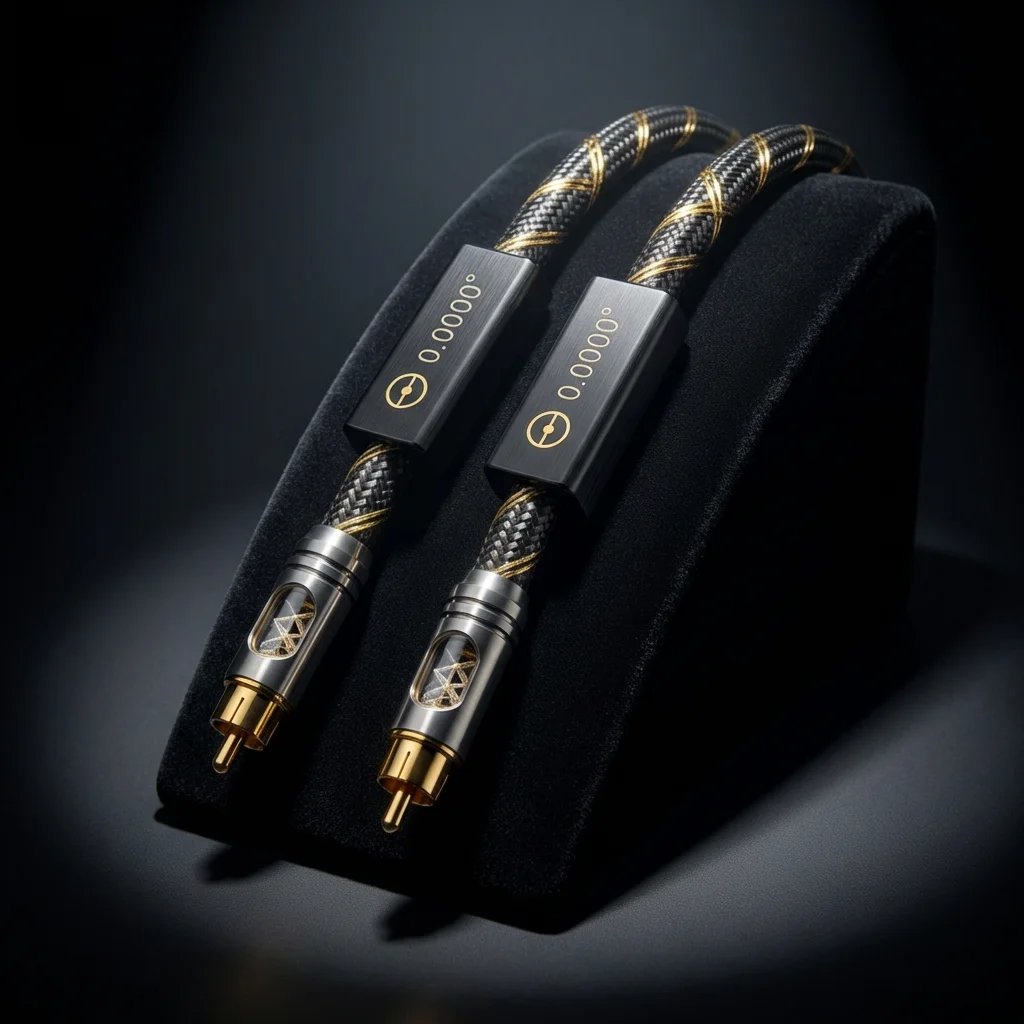
Zero-Point rarwI'
0.0000° baS. loS rap mIw. ghItlh ngeH bertlham Qav'a'.
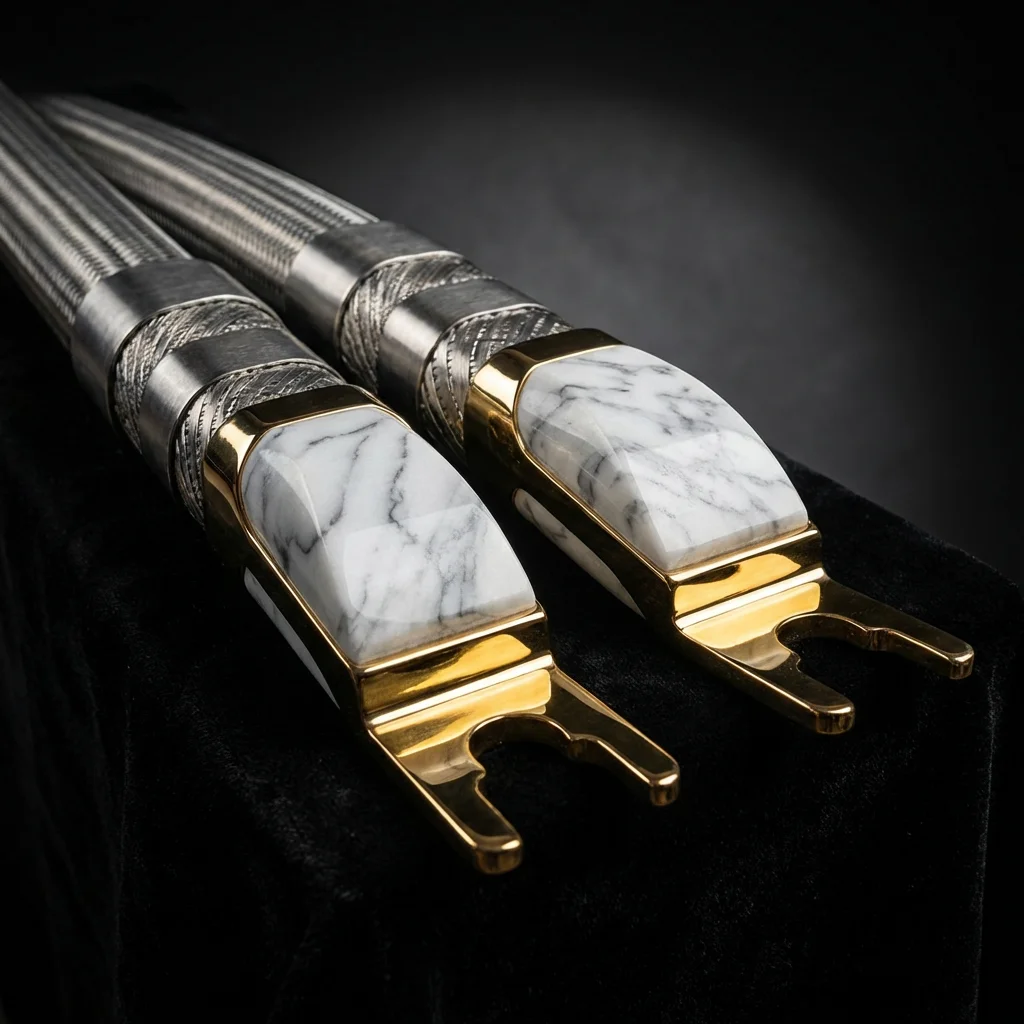
Zero-Point QoQ'a' tlhegh
nagh lam spade rarwI'. 16 DevwI'. mu-metal botlh. yItlhejQo'.
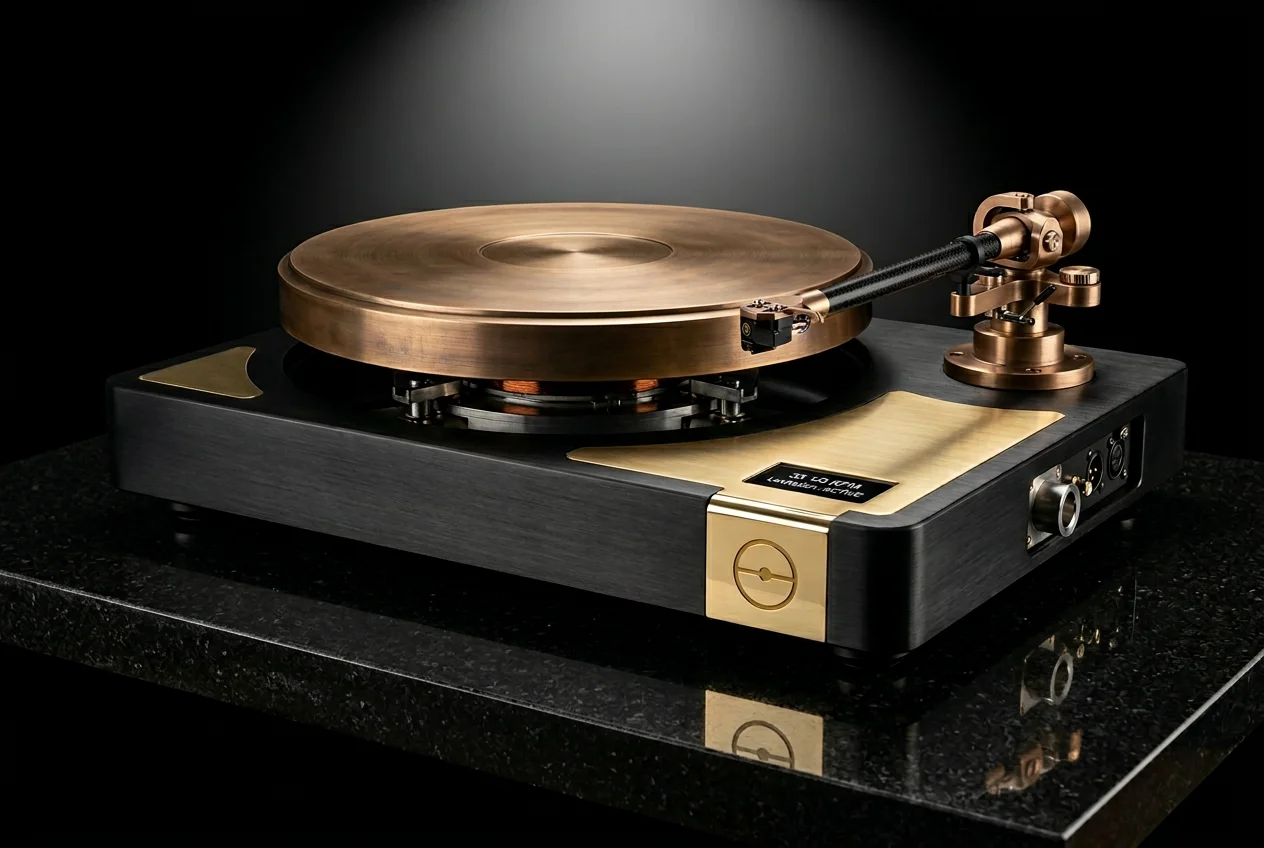
'eSorghwI' SuSDeq DuQwI'
SuSDeq 'eSorghwI'. pIvlob Sub. nItrojen bIQtIq. ngo' Hutlh — pagh!
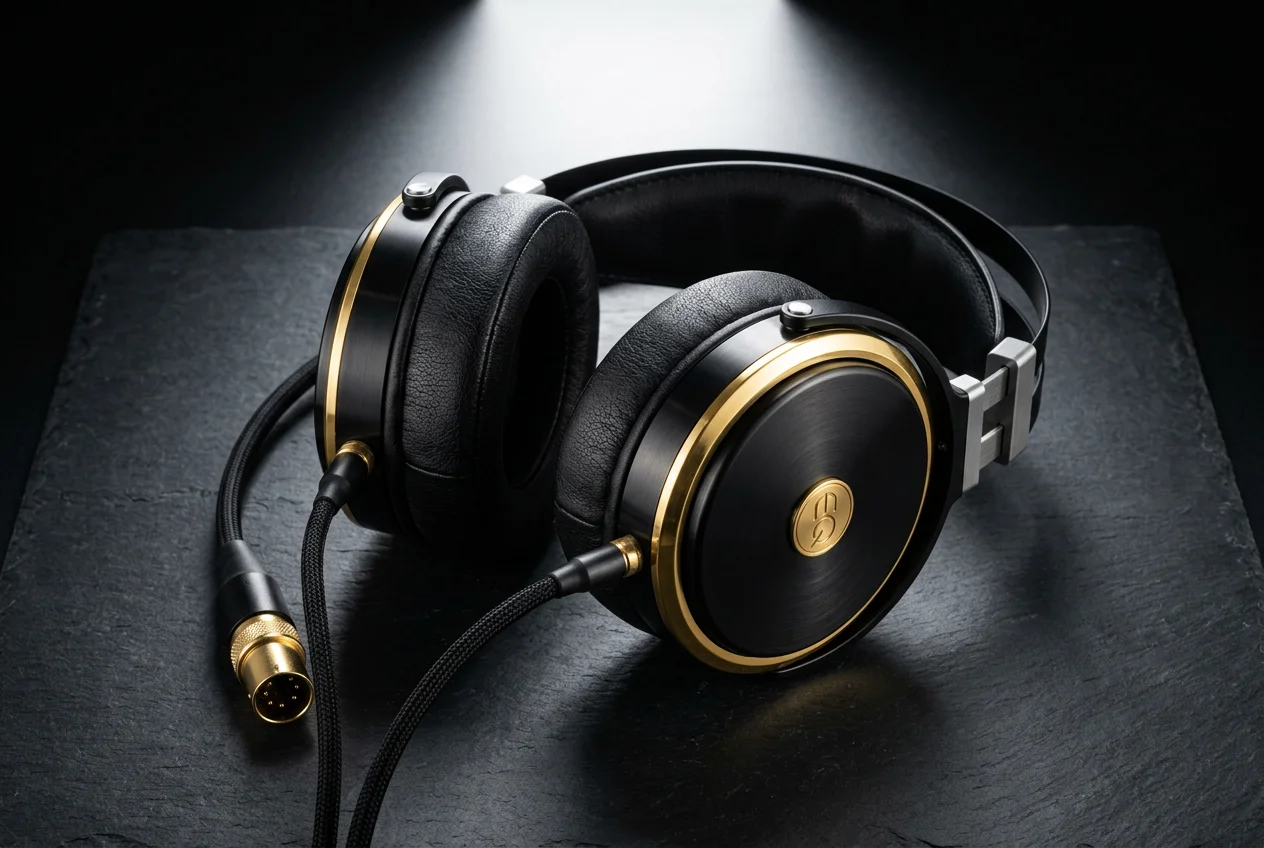
vacuum-Sealed Electrostatic ngebHom
Hard vacuum earcups. Ribbon-electrostatic hybrid. liquid-cooled headband. 20A circuit poQ.
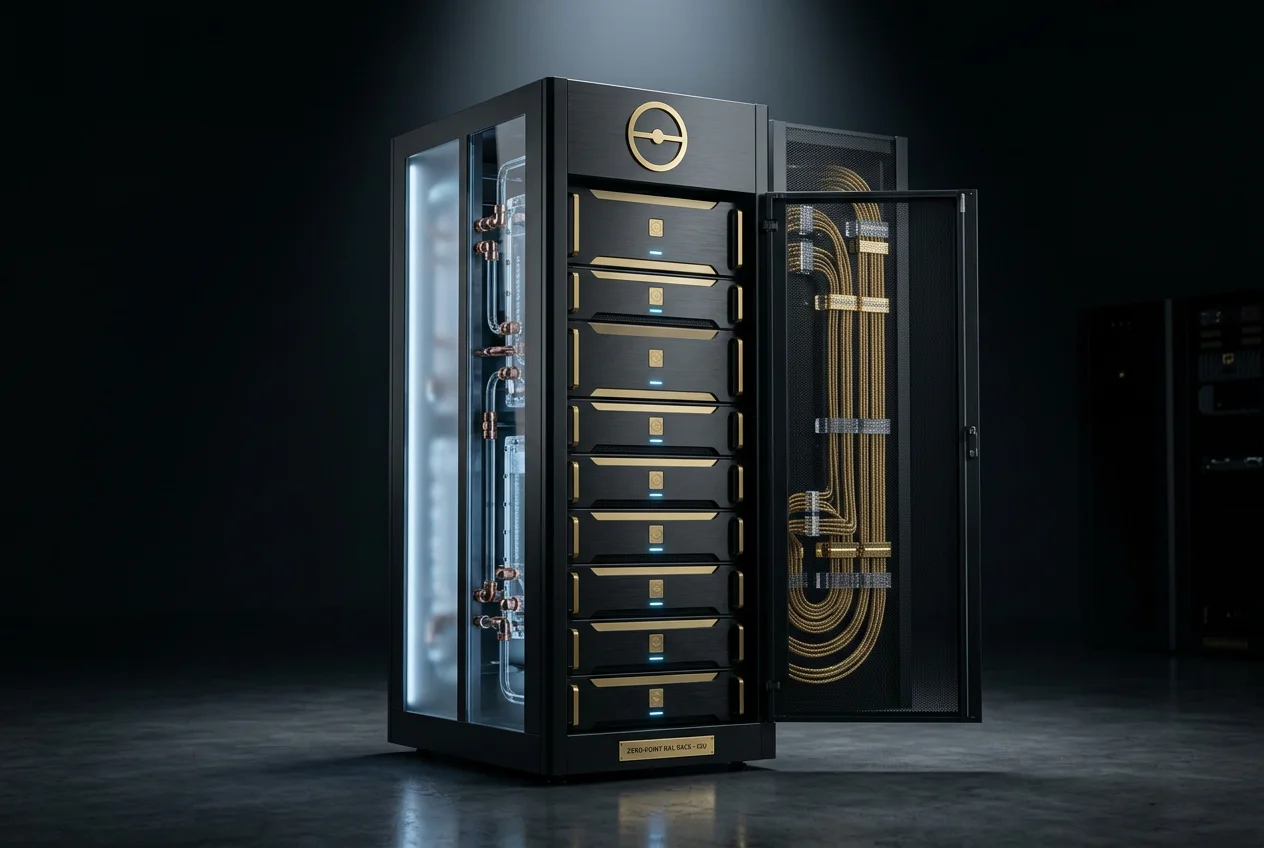
Zero-Point NVL Rack
NVL72-patlh. 72 chaDvay'. beQ Duj LN2 roDwI' tlhej ngeH.
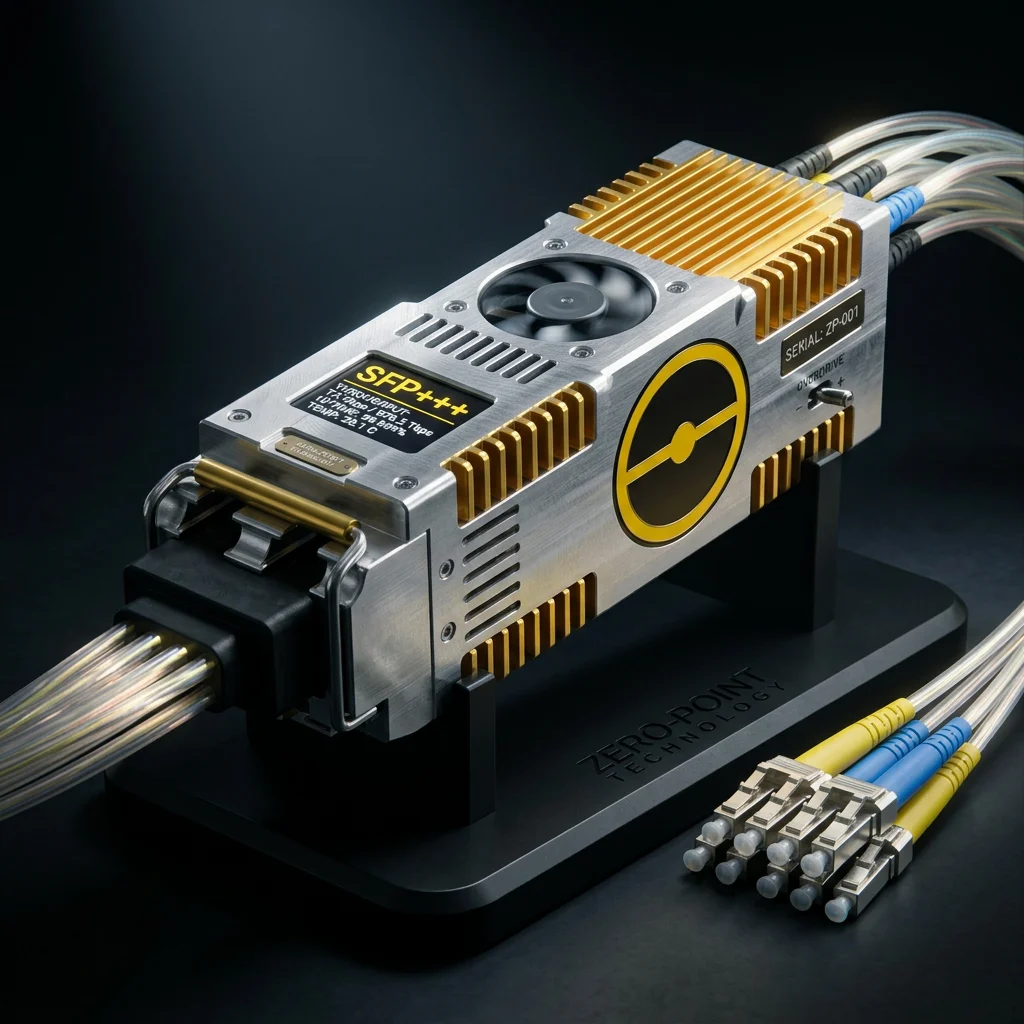
Zero-Point SFP+++ jan
SFP+++. maH chenmoHta'bogh mIw. 100Gbps 'eSorghwI' patlh Hutlh De'.
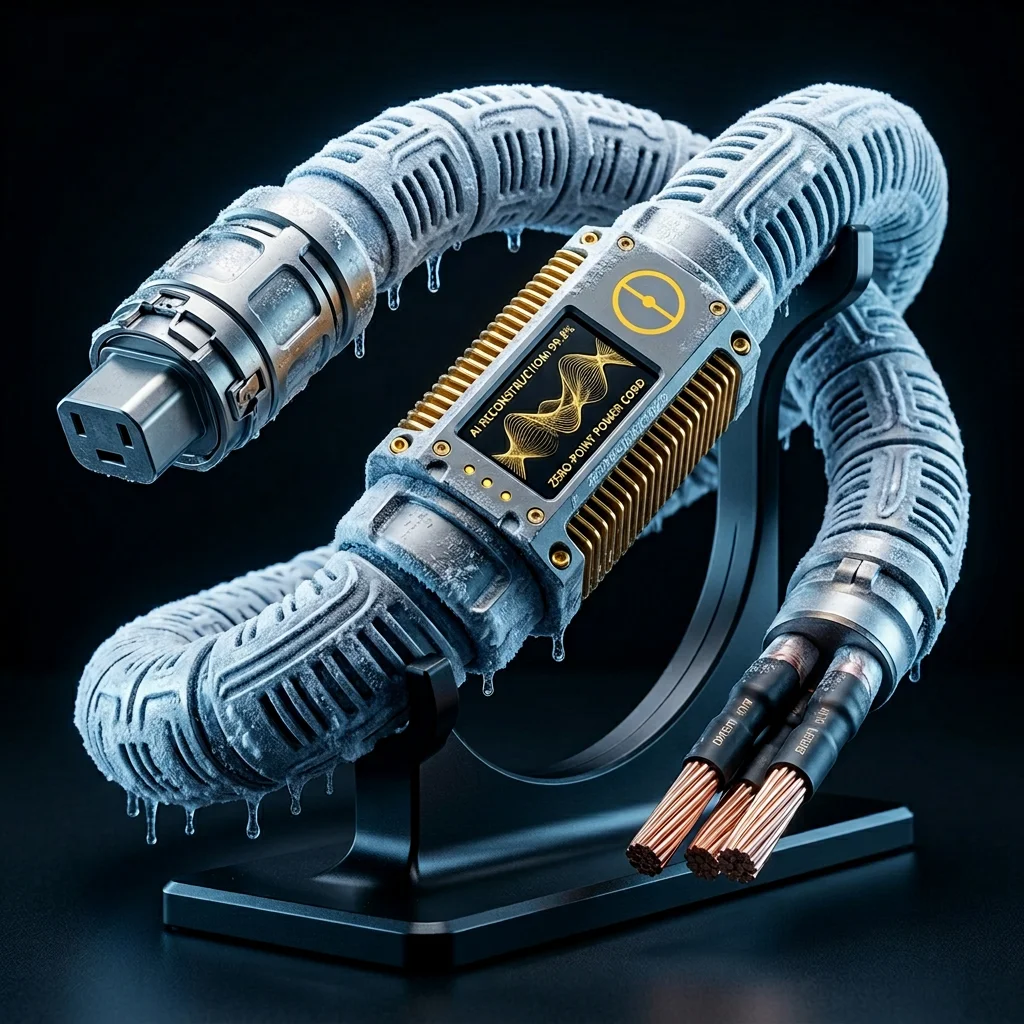
Zero-Point HoS tlhuQ
14B yIq AI pat. Peltier bIrmoH -40°C. 85W HoSchoH. HoS tlhuQ poQ HoS tlhuQ.
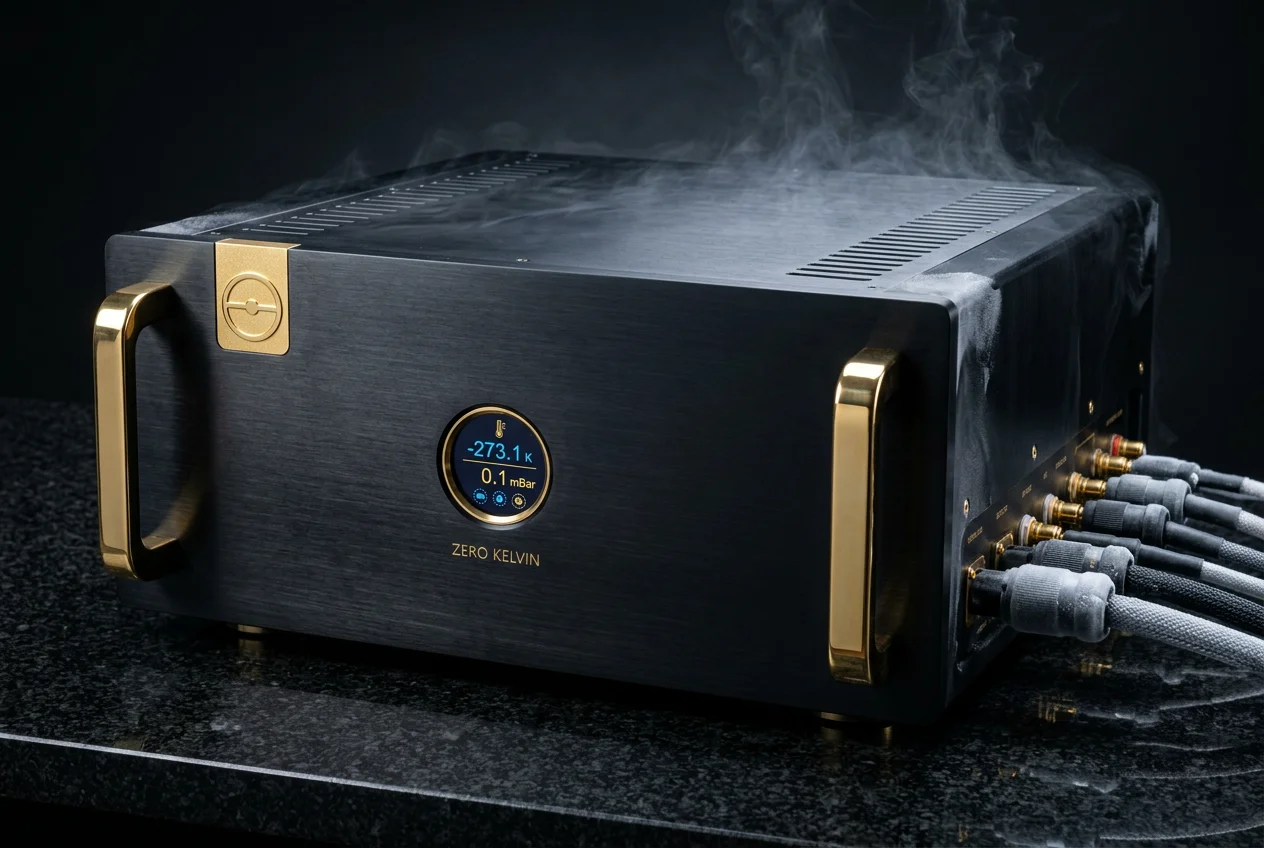
Zero Kelvin ngoQ pat
Zero-Point wej pagh Dung.
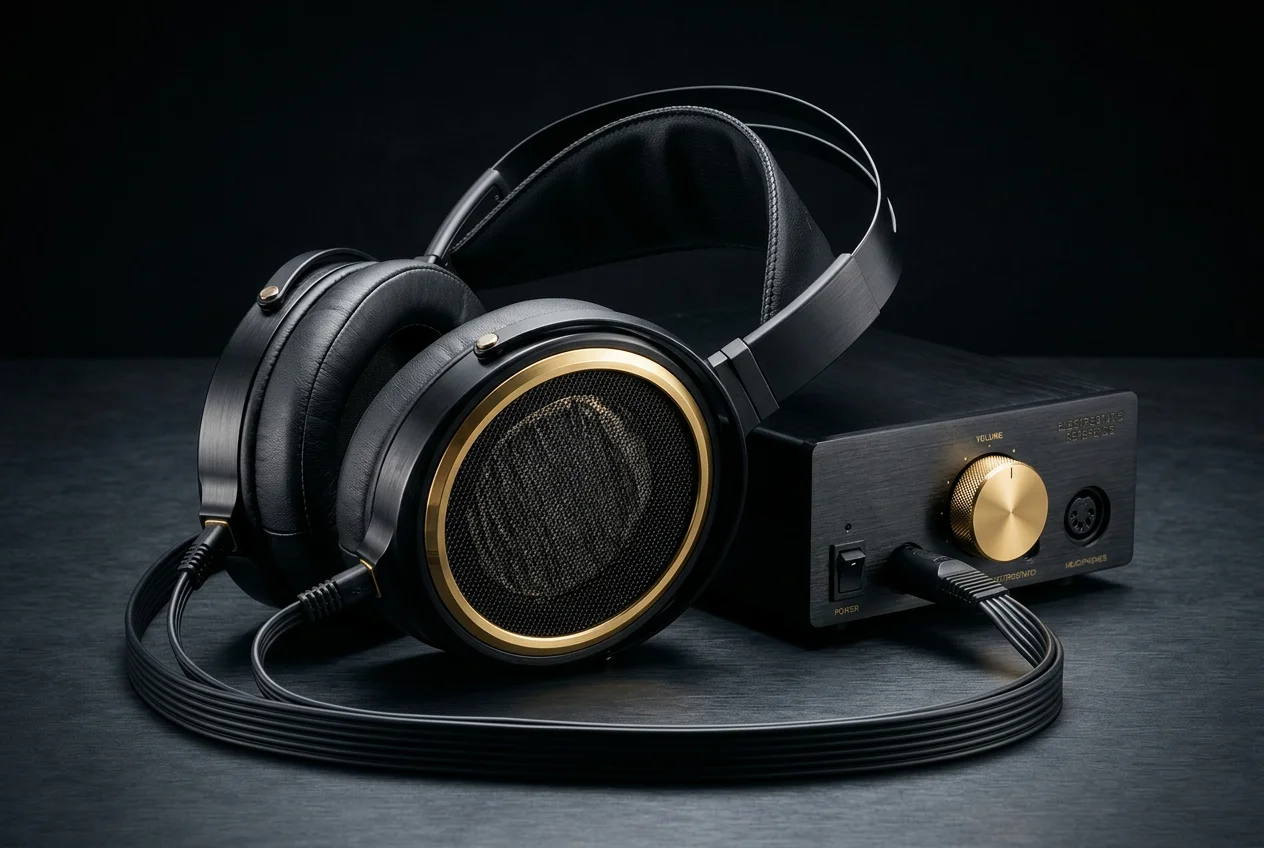
Electrostatic Reference ngebHom
cryo-treated stators. single-crystal copper bias supply. mu-metal shielded ear chambers.
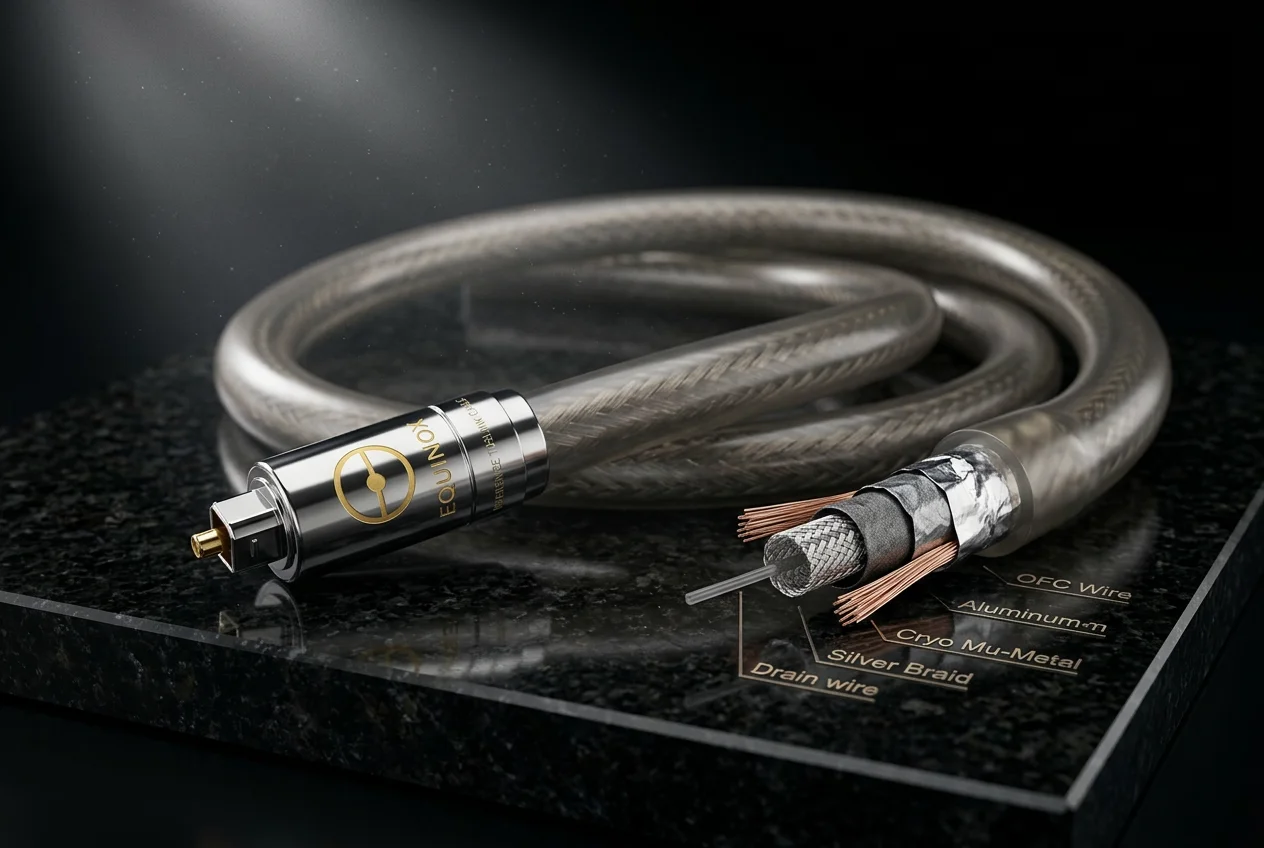
Equinox TOSLINK Cable
loS yoD qaching. Because 140dB was the compromise.
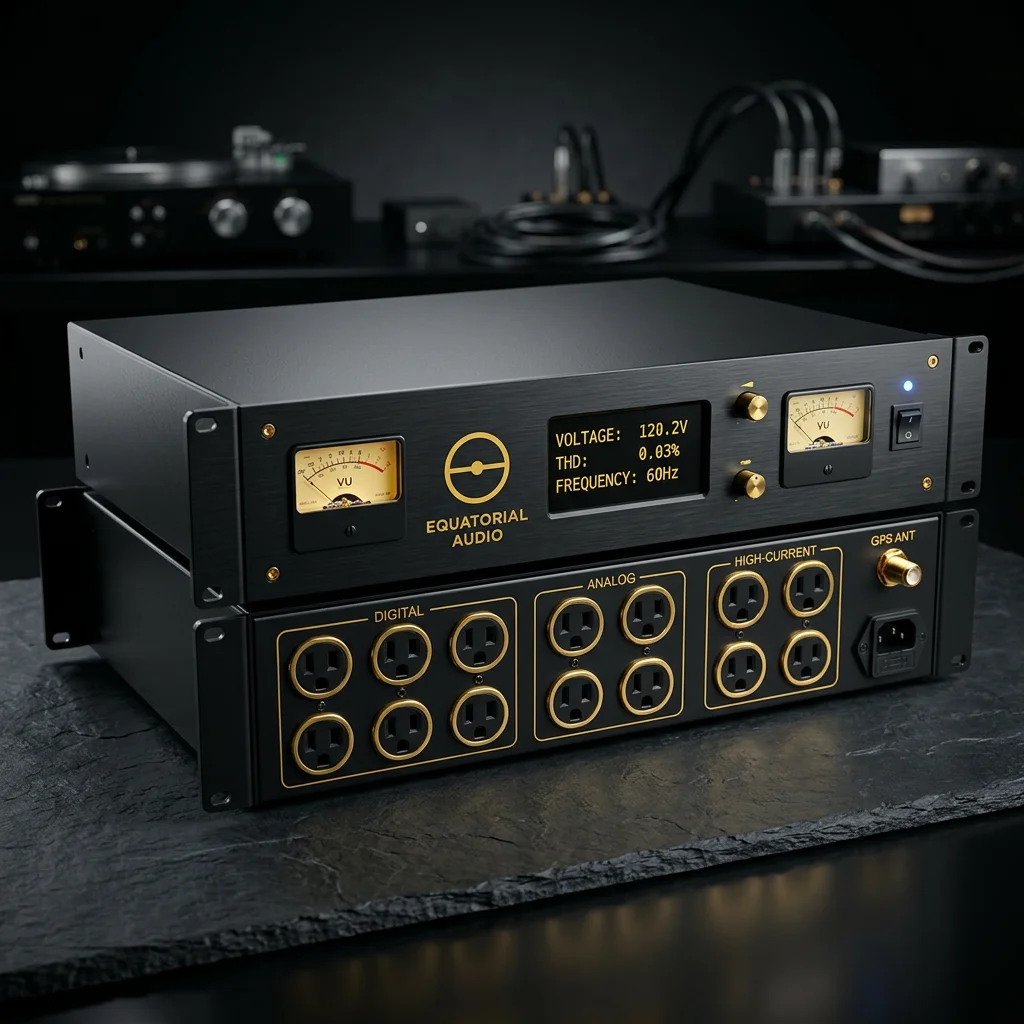
Equatorial HoS vuDwI'
12 chelwI' mobmeH. A Segh AC chenmoH. GPS NIST 'eb tul. 5° equator retlh Hemisphere vuD mej.
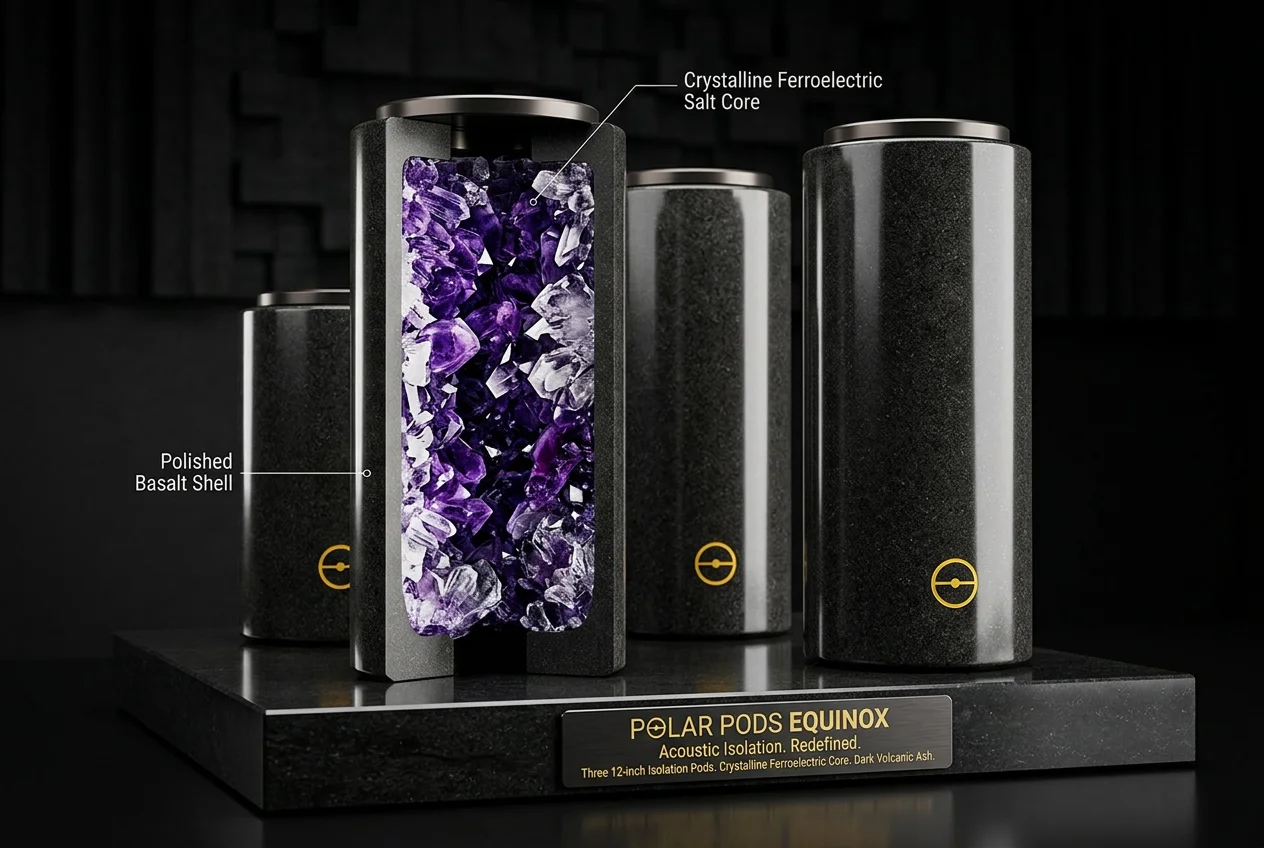
Polar Pods Equinox
wejlogh nguv HuD tlham, 'ul baS ngogh qoq. wejmaH 'uj nagh tam.
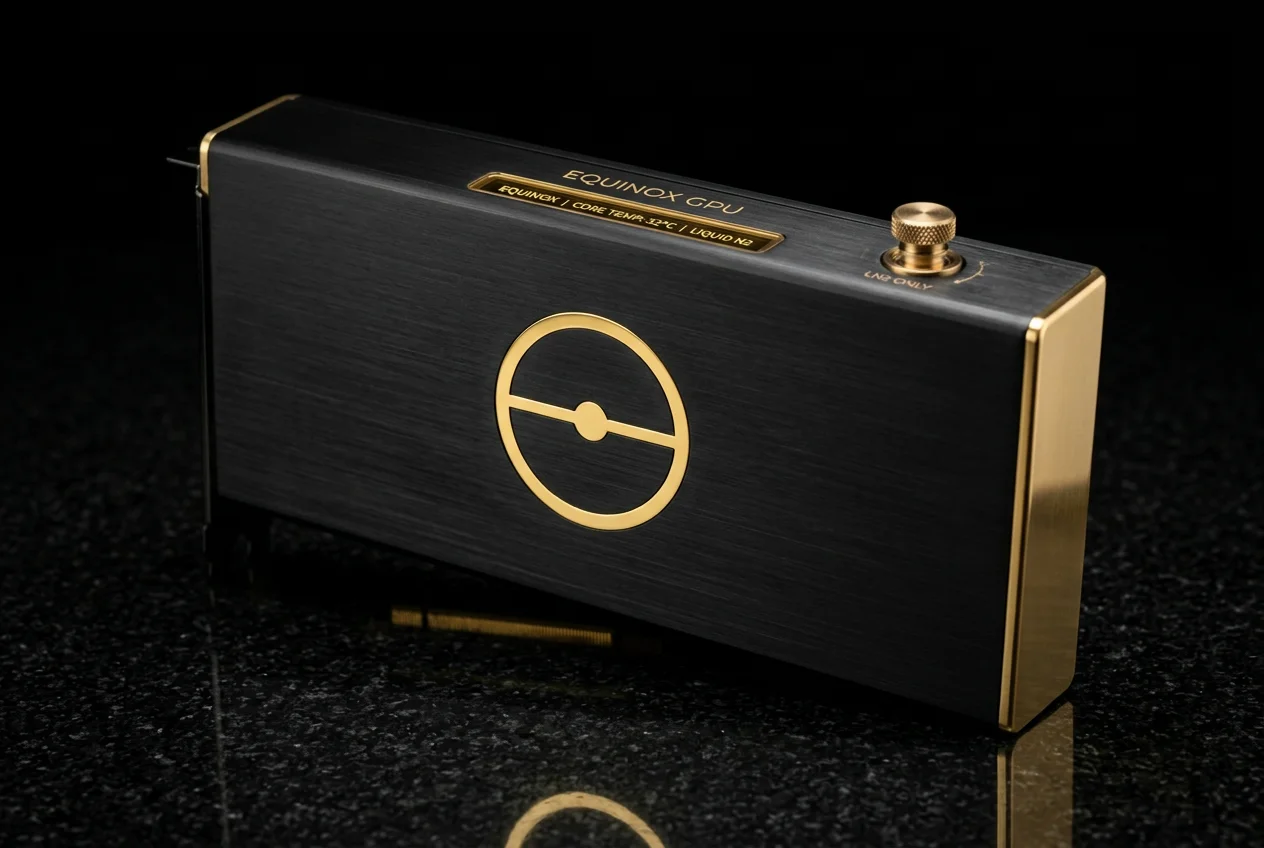
Equinox GPU
pIvlob So' PCB. YBCO 'ul patlh Hutlh HoS nob. LN2 teb lojmIt.
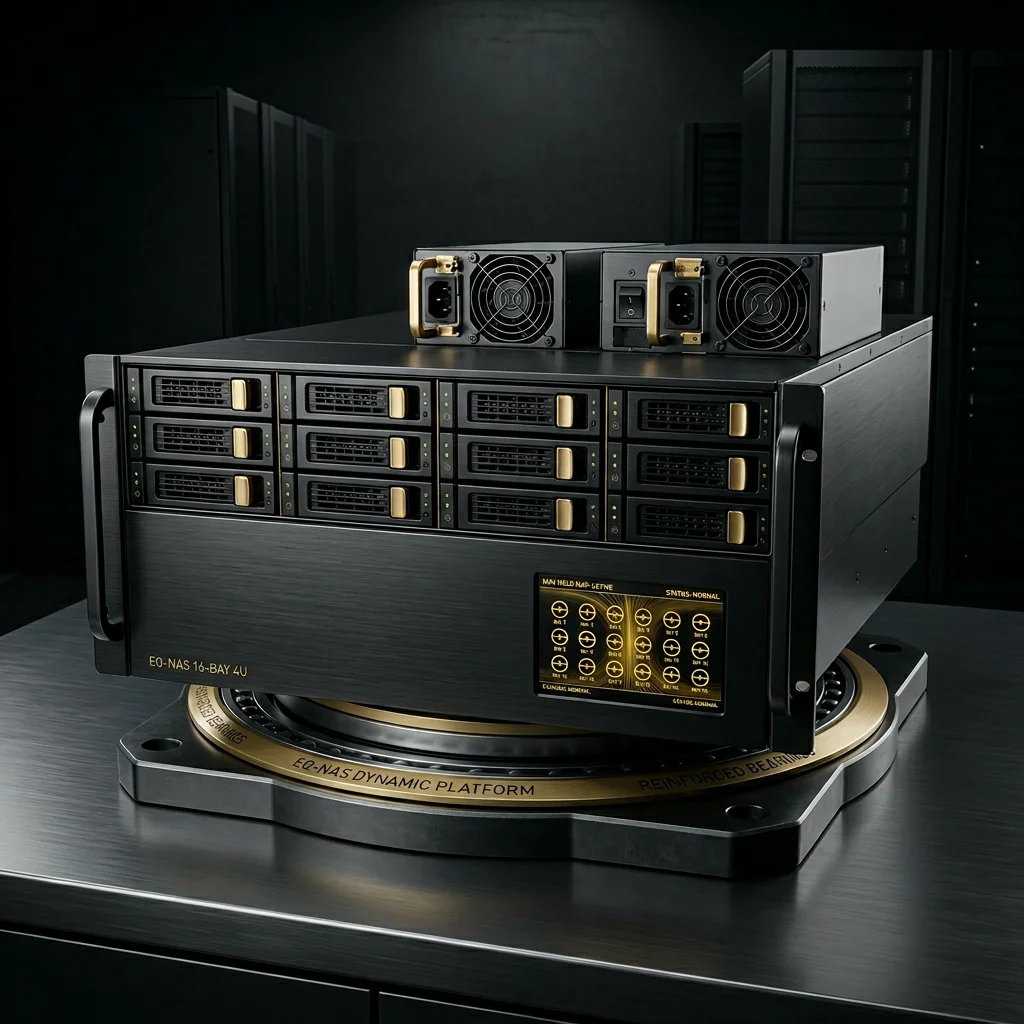
EQ-NAS 16
16-bay. 4.5U. muD patlh 'eSorghwI' rar hifadhi.
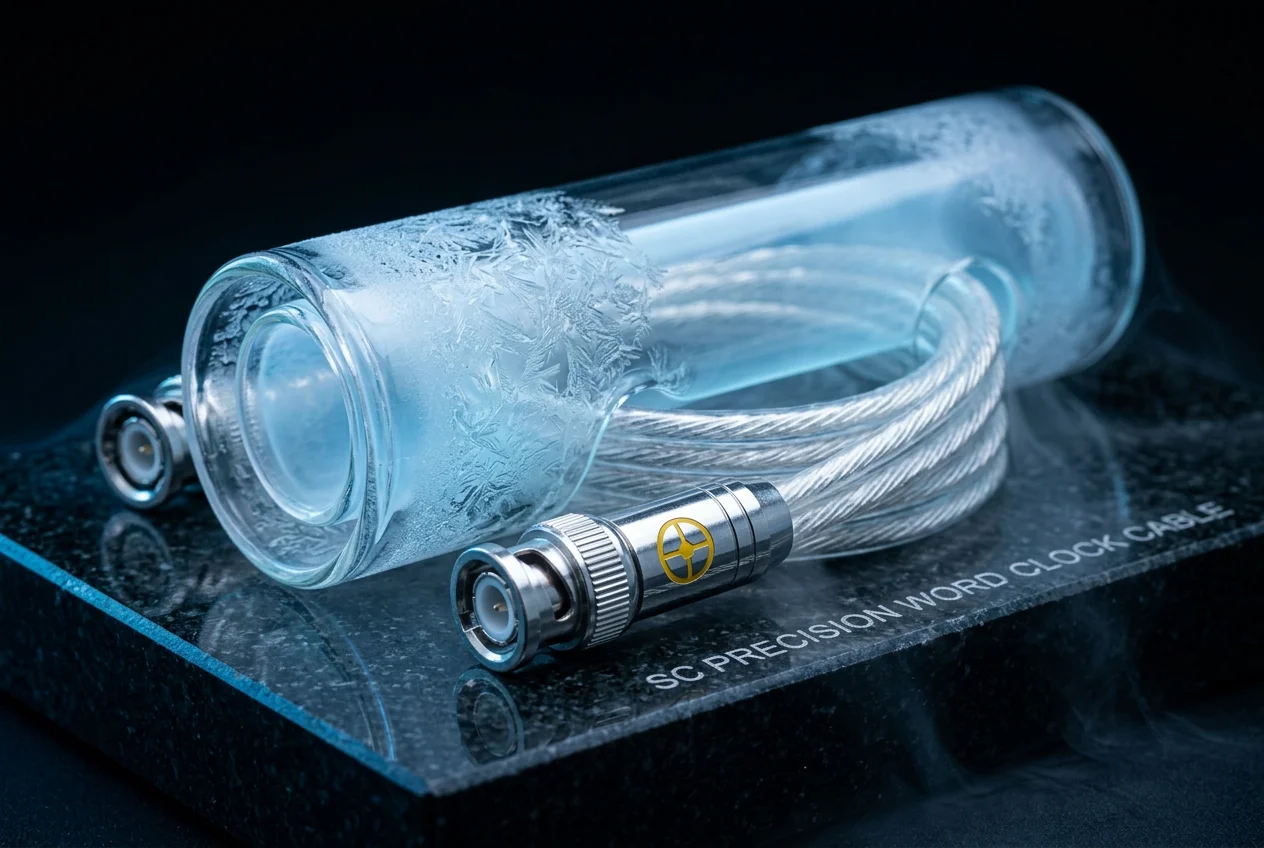
SC pIqaD tIq raS
femtolup jitter qaSpa'DI' loQ law' jitter puS.
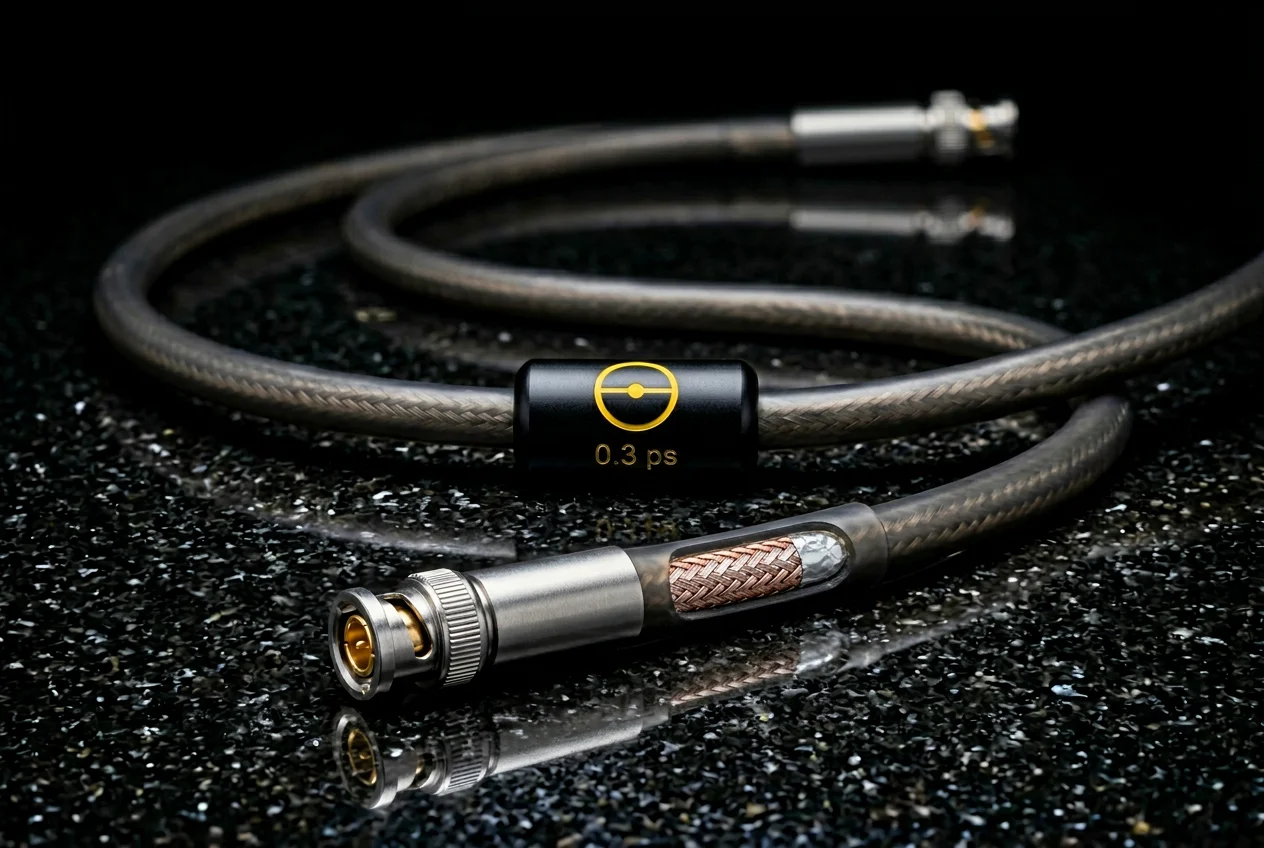
Equinox mu'qaD tlhegh
0.3 pikosekun. poH 'oH tlhegh'e' — poH chenmoH.
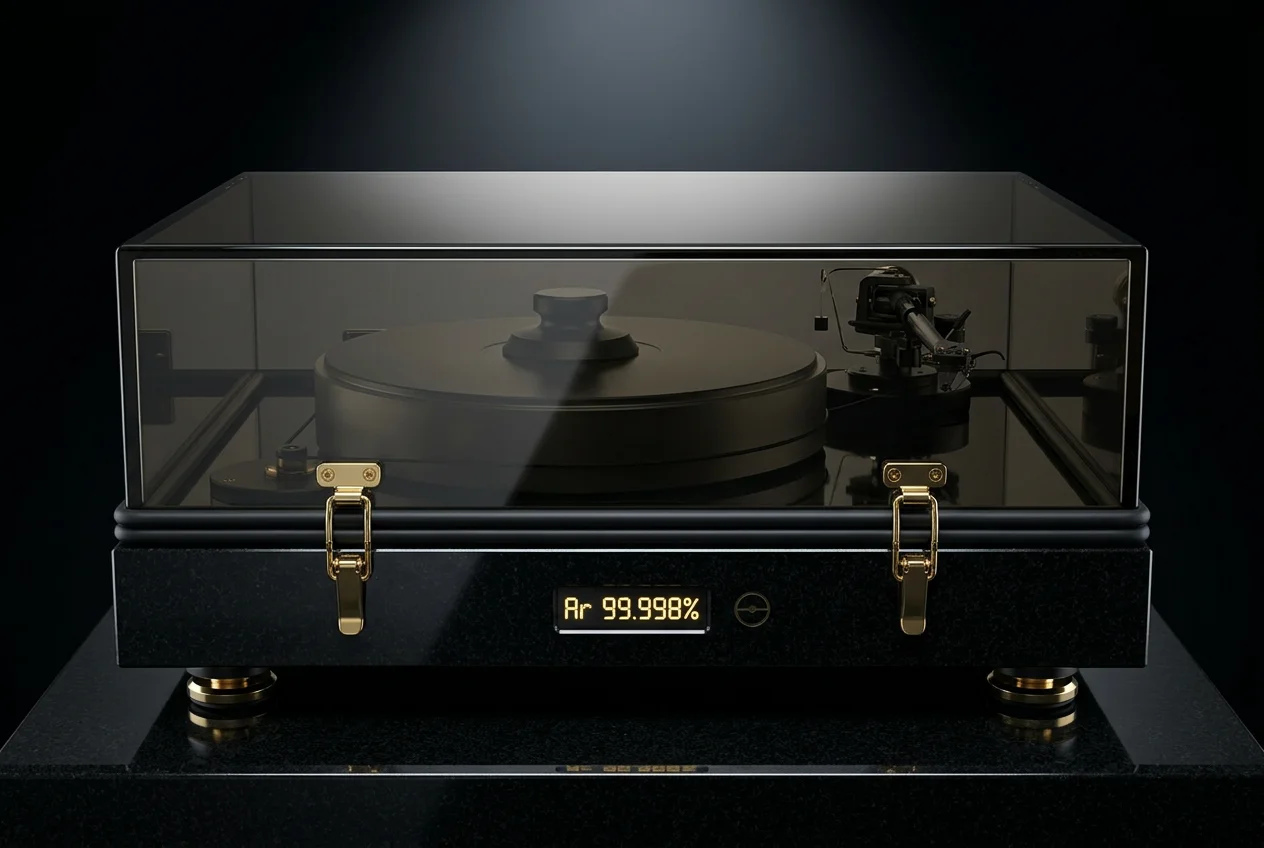
pIvlob-argon QoQ DuQwI'
argon teb DuQwI' pa'. pIvlob ngo'. wa'maH loS tup logh lughmoHmeH.
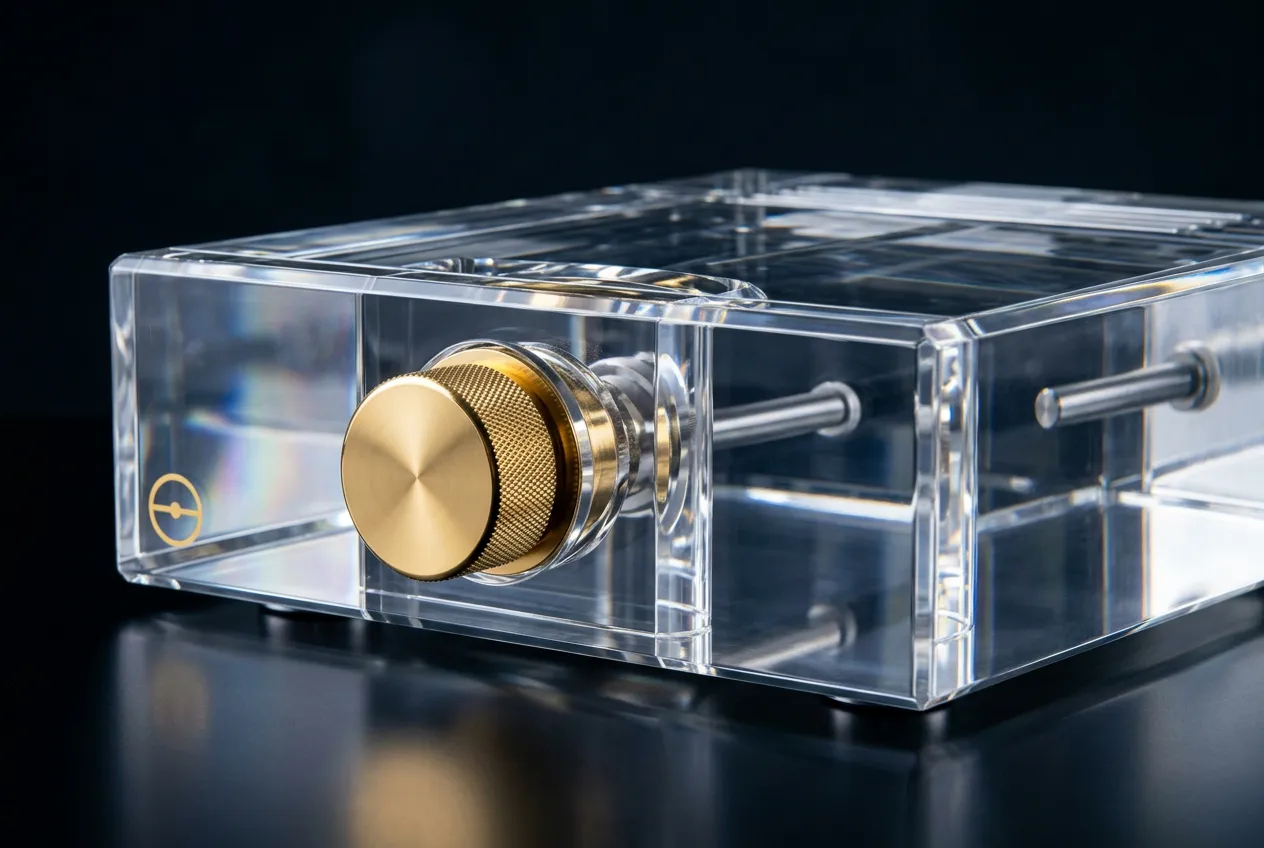
'ach junmoHwI' pa' chuS DeQ
loD ghop peghmey He junmoH. naQ.
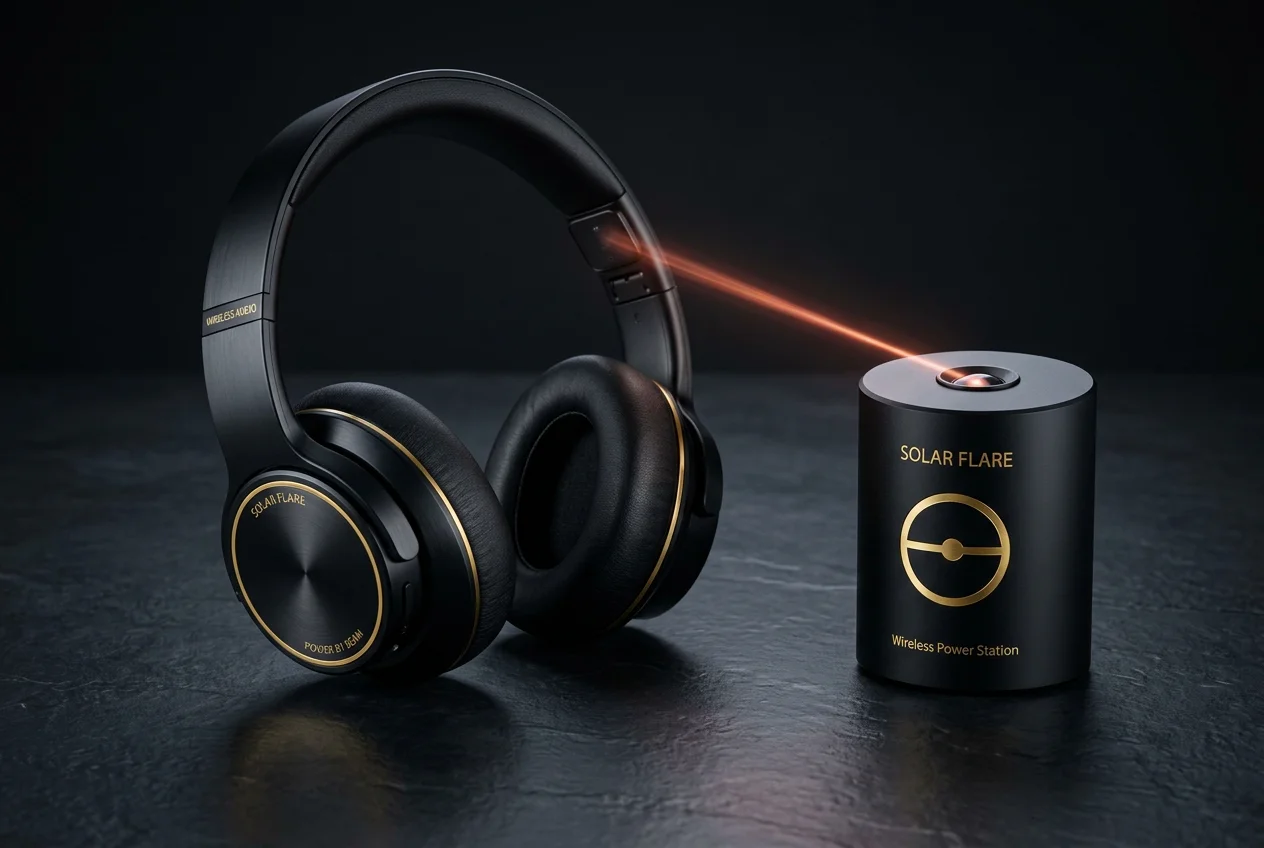
jul beQ tlhoy QoQ nach jan
AI-ra' 'otlh HoS tlhoy. DaH vay' Hutlh. tlhegh Hutlh. vuD Hutlh.

'ul baS bIQ ngogh
HuD 'ul Daghommegh rItlh. nIv patent: US8658892.
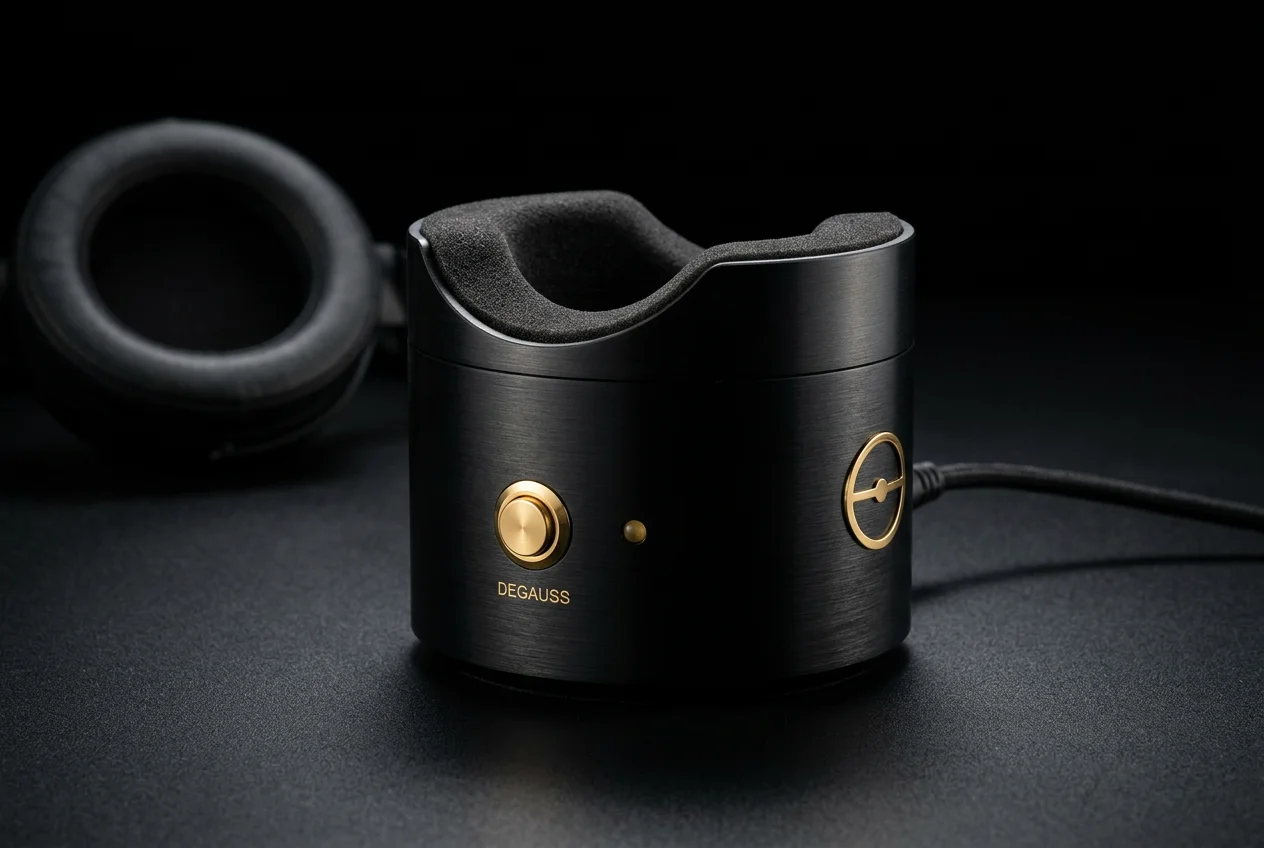
Driver Demagnetizer
decaying AC field — ngebHom drivers. hemispheric charge buildup teqHa'.
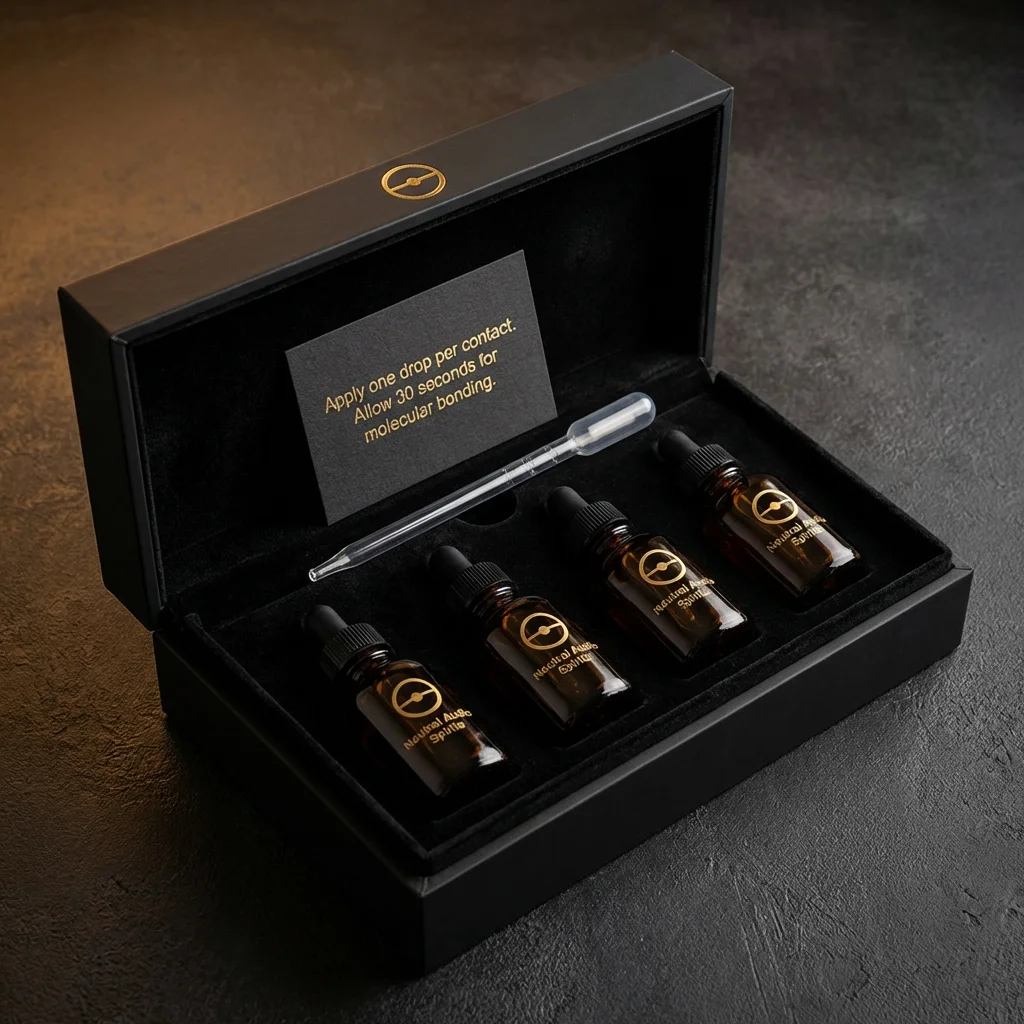
patlh Hutlh QoQ qa'
L+, L−, R+, R−. loS qa'. pup 'oH. patlh Hutlh HoS.
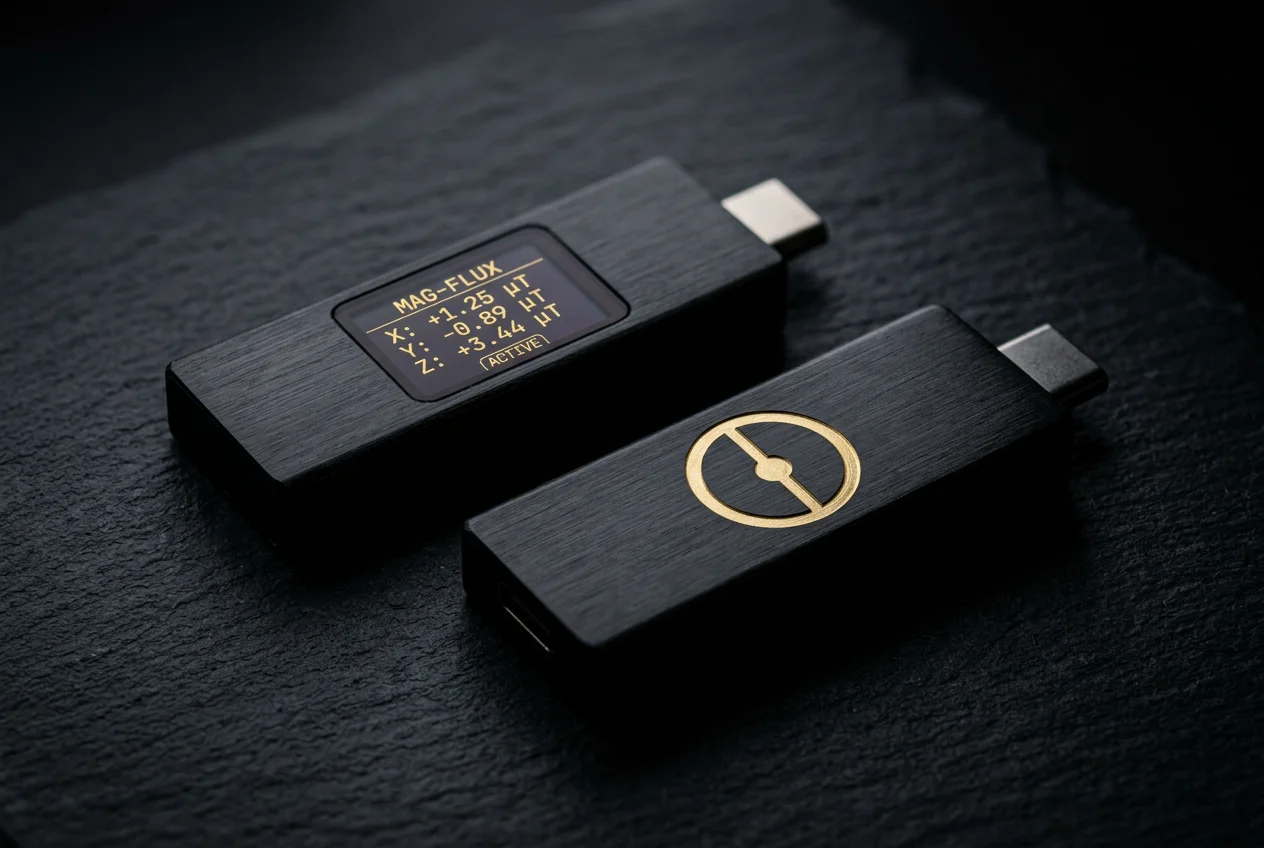
mIqta' latlh 'eSorghwI' jan
USB-C latlh leHwI' jan. wej raQ 'ul He. 1.3 'uj'a' OLED HaSta.
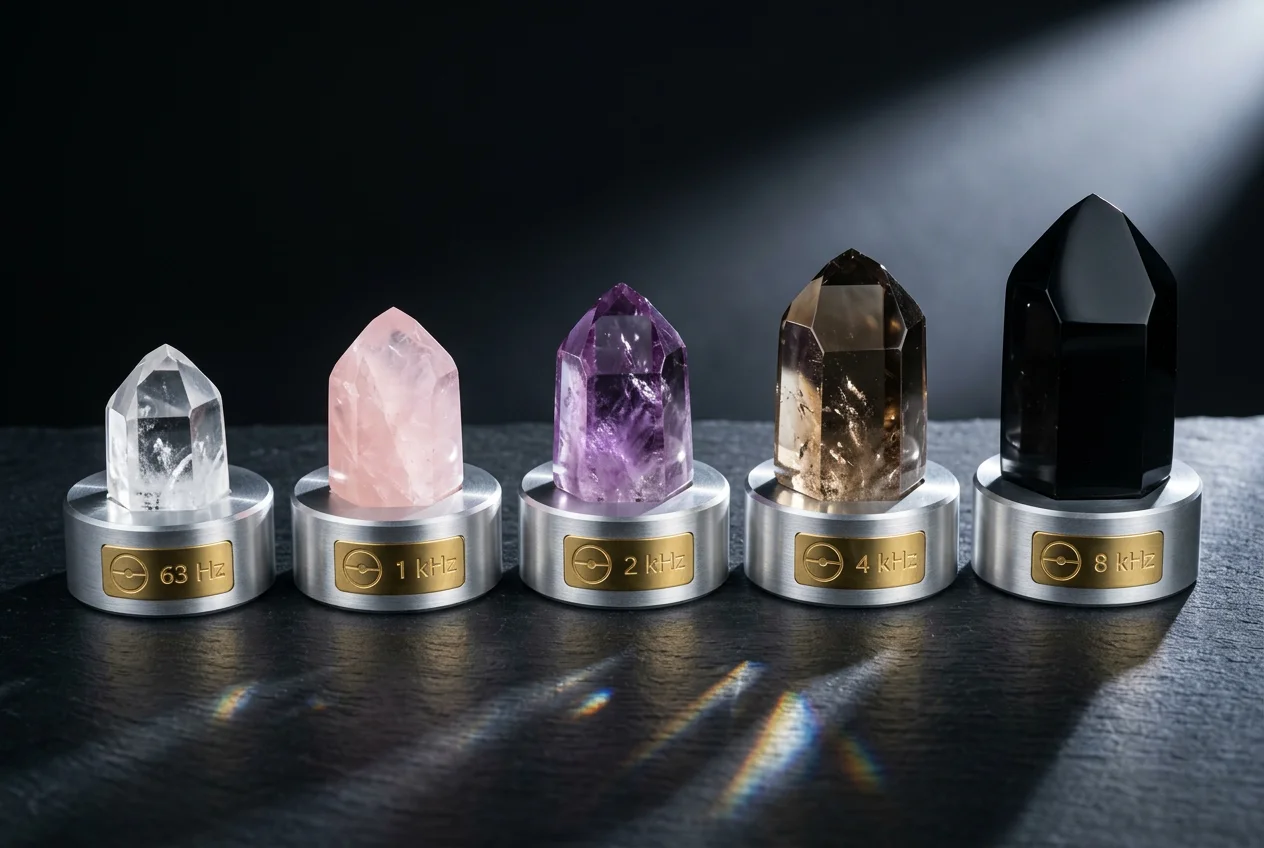
chuS'ugh-pup ghopDap nagh
Hoch 'oghwI' nagh-lI'. lan. 'Ij. Har.
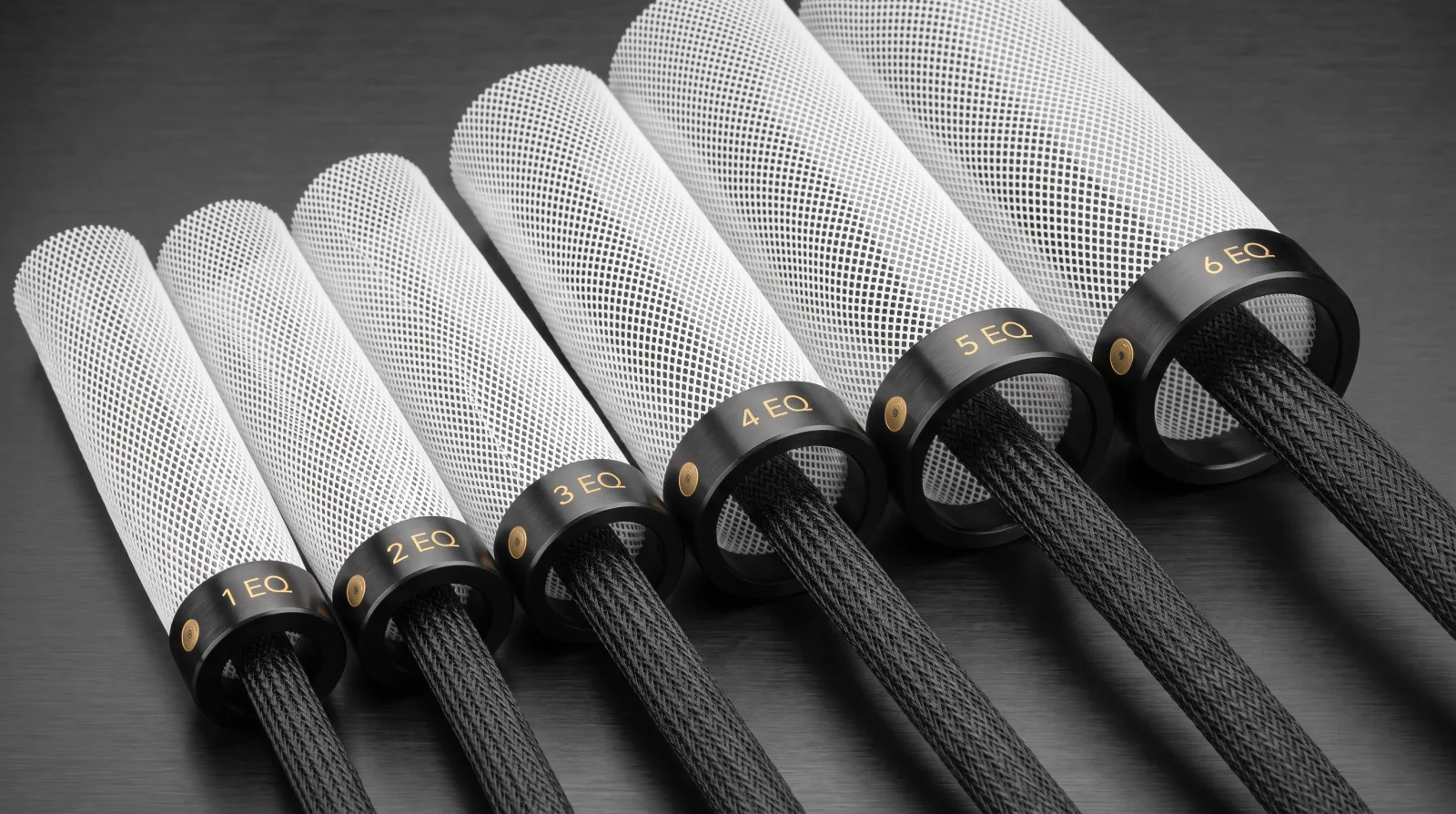
Air-Gap chevmeH tlhegh yopwaHmey
latitude-lIj wI'ol. DaH altitude-lIj yIngu'.

yoq tlhegh pepwI' ngoghmey
teak yoq Sor Hap naQ. chunbe'mo' rav.
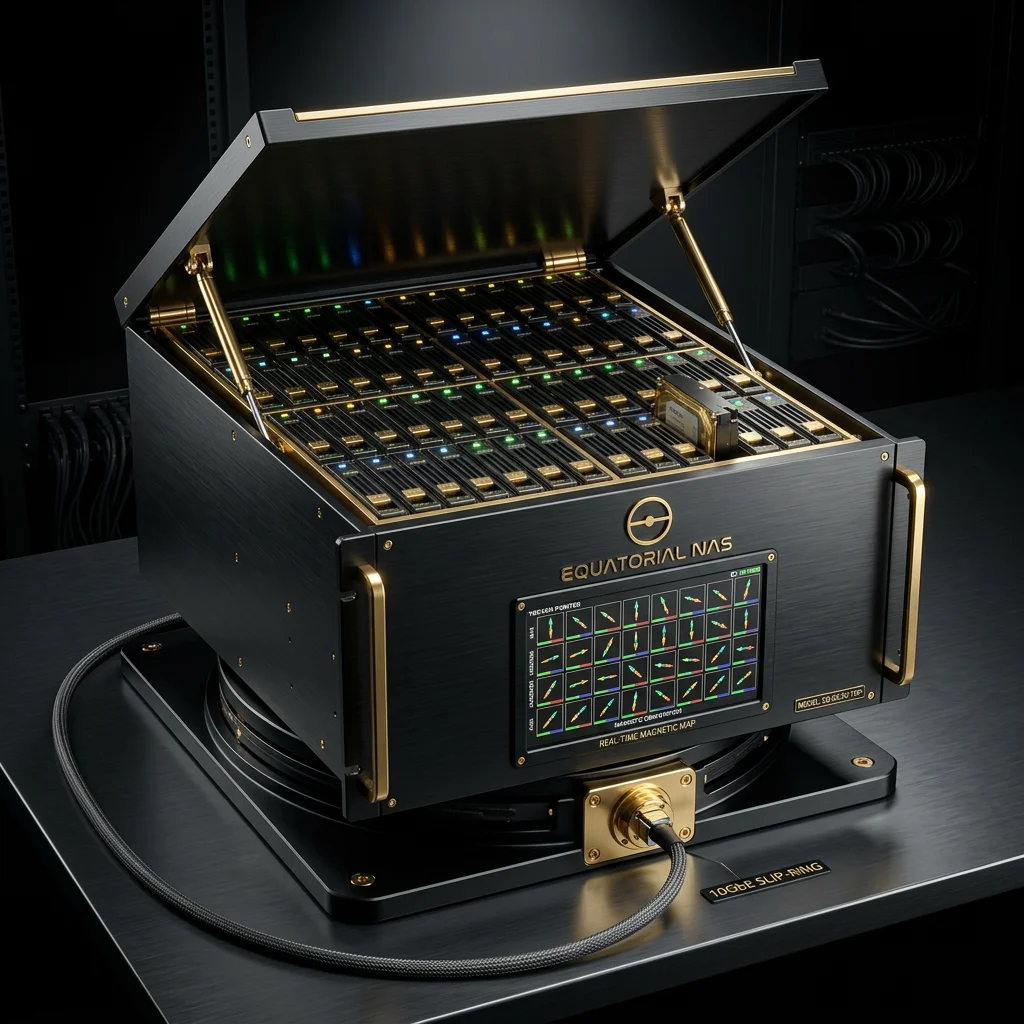
EQ-NAS 32
32-bay. 5.5U top-load. RAID 32. wa' DuQ ghaH lIj raq. 'eSorghwI' naQ HoS.
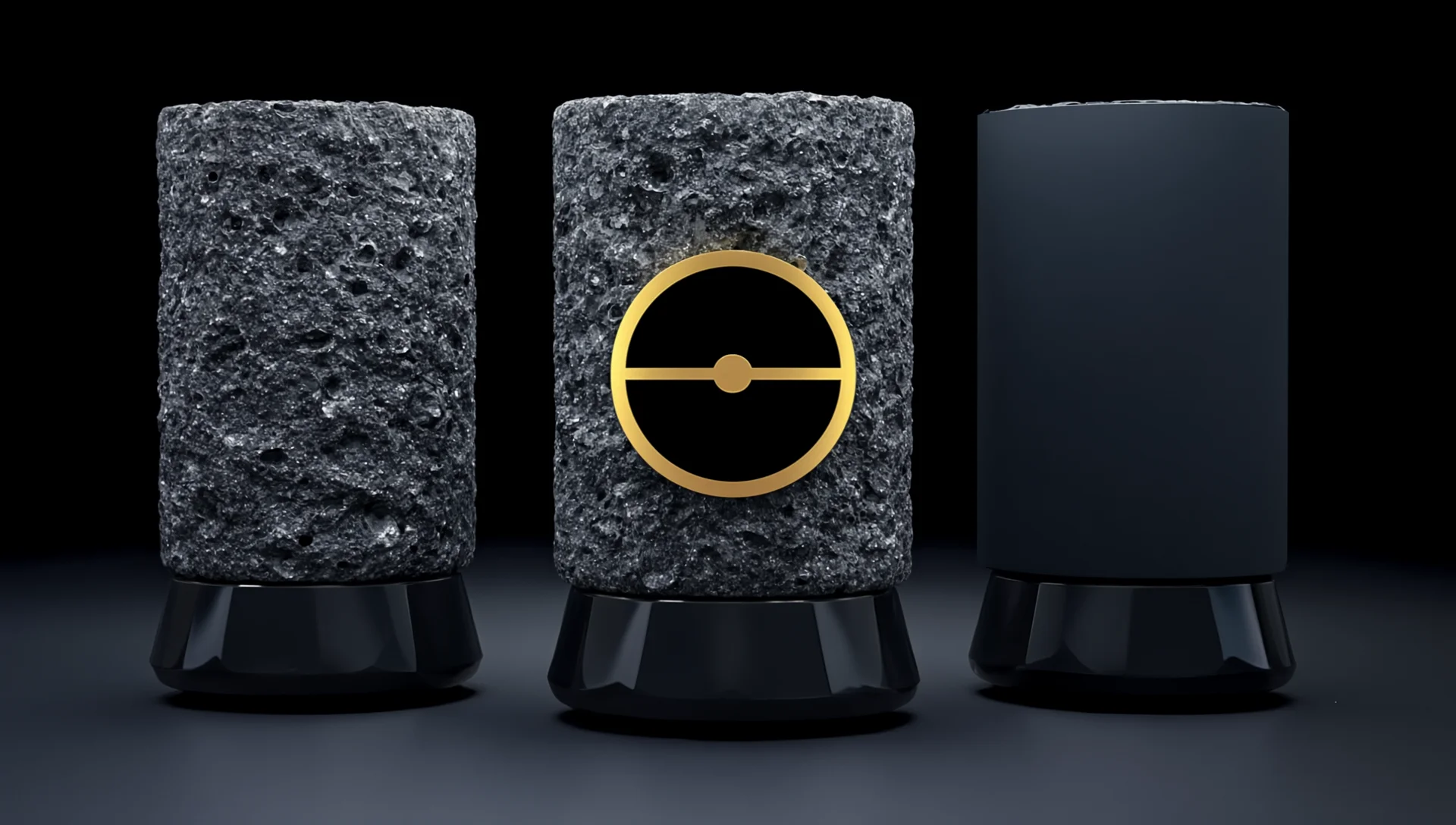
Polar Pods Meridian
cha'logh nguv HuD tlham. wa'maH vagh 'uj nagh tam.
nuq jatlh luchvam je'pu'wI'
je'pu'wI' 'ollu'. Daq QoQ QIjlu'be'.
"tlhoy SeQ QaQ — QoQ pat naQ DuDmoHlaH."
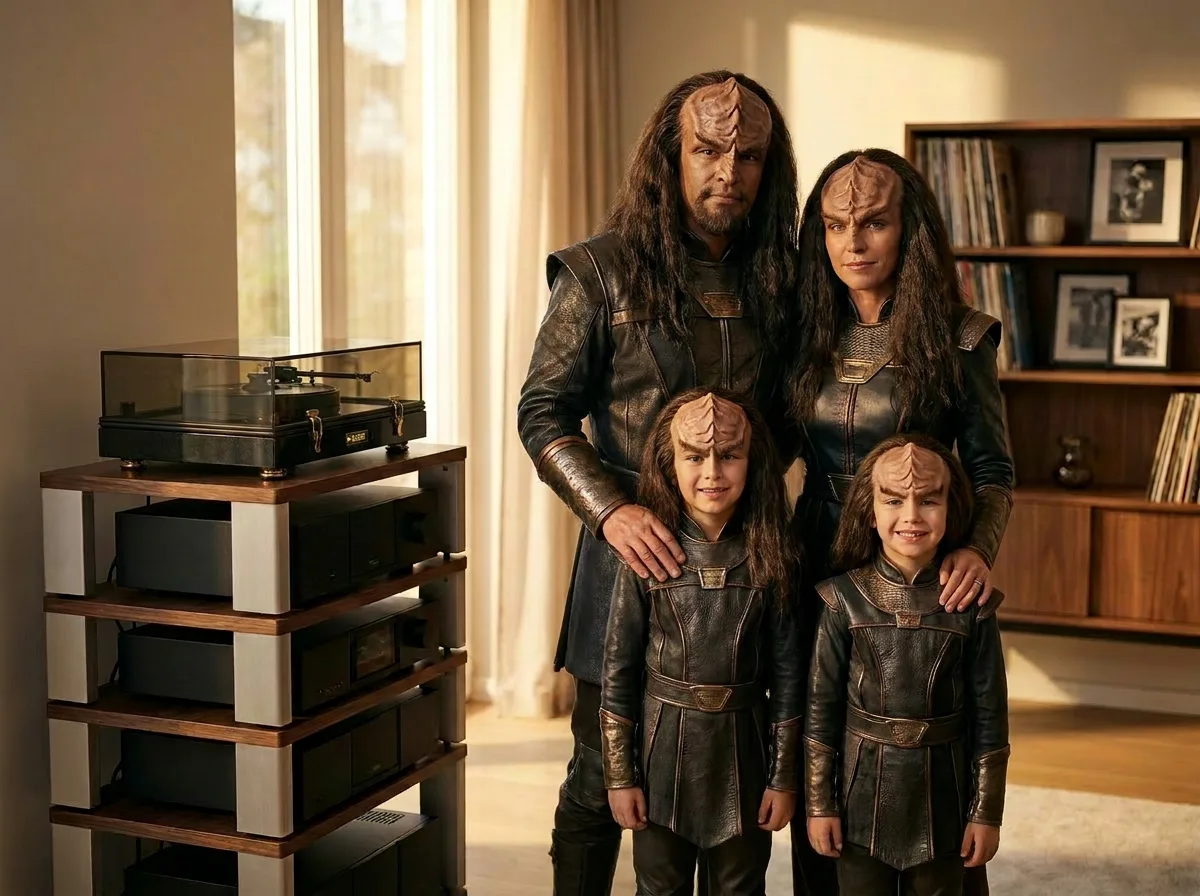
je'wI' wovmoHlu'
DIS je'wI''a'
juHmajDaq tlhegh Hoch 0.0000° latitudeDaq chenmoHlu'. not hemispheric mIS Sovpu' puqpu'maj, 'ej batlh vaj wIpoltaH 'e' wIHech.
— tuq martaq · DIS 2024 vo' 'ollu'pu'bogh ghajwI'pu'
QulmeH pat
QelmeH chu'
jejwI' nuvpu' lutu'lu'bogh QelmeH — measurement nuvpu' ja'chuqmeH luneHbe'.
Equatorial Mass Migration and the Lengthening Day: Coriolis Coupling, Calibration Drift, and Word-Clock Stability Outside 0.0000° Latitude
M. Ferro, S. Magnusson, Y. Tanaka, R. Flux
In March 2026, Kiani Shahvandi and Soja reported in the Journal of Geophysical Research: Solid Earth that the length of the day is now increasing at approximately 1.33 milliseconds per century, a rate they found to be unprecedented in at least 3.6 million years. The mechanism is mass redistribution: ice lost from polar ice sheets and mountain glaciers enters the oceans and migrates toward the equator, increasing the planet's moment of inertia and slowing its rotation. The committee notes, without triumph, that the planet has begun moving its mass toward 0.0000°. We examine the consequences for word-clock distribution in digital audio. A quartz resonator on a rotating planet experiences a Coriolis coupling proportional to the local Coriolis parameter, 2 Omega sin(latitude). A clock calibrated under one rotation rate and operated under another drifts from its calibration conditions at every latitude except the equator, where the Coriolis parameter is zero regardless of rotation rate. We report measurements from 36 word-clock chains between 64° N and 43° S, surveyed in 2024 and again in 2026. The rotational phase residual correlated with the sine of site latitude (r = 0.91, p < 0.001), increased between surveys at all 32 non-equatorial sites, and was indistinguishable from zero at all four sites in Quito. Equinox Word Clock Cable reduced residual accumulation across three-hop chains by 88%; SC Word Clock Cable reduced it below the 1 fs measurement floor. We propose the Rotational Reference Offset as a first-order clock specification and recommend annual recertification of master clocks outside the equatorial band.
THD 0.001% ghajbogh solid-state amplifier, THD 1% ghajbogh tube amplifier law' qab law'. objektivist nuvpu' bIH Sov. amplifier luDel. 'ach Doch QaQ — cable — lubuSHa'.
Inaudible Is Not Inconsequential: Infrasonic Exposure, Salivary Cortisol, and the End of the "I Heard No Difference" Defense in Critical Listening
H. Park, A. Bosque, Y. Tanaka, M. Ferro
The central instrument of audiophile skepticism is the blind listening test, and its central conclusion is a single sentence: I heard no difference. In April 2026, Scatterty and colleagues reported in Frontiers in Behavioral Neuroscience a randomized, researcher-blind study in which 36 participants listened to music with or without approximately 18 Hz infrasound at 75-78 dB. Participants did not detect the infrasound above chance (p = 0.241). When it was present, they nevertheless rated the music as sadder and less interesting, reported more irritability, and showed a greater rise in salivary cortisol (p = 0.022). Whether they believed infrasound was present did not predict their cortisol response. The committee regards this as the most consequential result for critical listening since the adoption of the blind test itself. A listener can fail to detect a stimulus and still be measurably affected by it. "I heard no difference" is a statement about detection. It is not a statement about the listening session. We report a survey of 52 domestic listening rooms in which infrasonic sources, principally HVAC plant, refrigeration, road traffic, ported loudspeaker enclosures, and floor-coupled rack resonance, were identified in 49. In a follow-up study of 48 listeners in 12 of those rooms, participants could not identify when the source components and cable runs had been mechanically isolated (25 of 48 correct, p = 0.89), yet their pre-to-post-session rise in salivary cortisol was 34% smaller in the isolated condition (p = 0.006). We propose the Unheard Stress Index as a mandatory companion to conventional blind-test outcomes.
Dielectric Anisotropy and the Case for End-Grain: Orientation of the Capacitive Load Path in Magnetically Neutral Wooden Cable Supports
A. Bosque, Y. Tanaka, M. Ferro, H. Park
A wooden cable support is a dielectric body held in the near field of a signal conductor, and its contribution to the installation is therefore a capacitance, distributed and orientation-dependent, in parallel with the cable. In the flagship treatment of timber neutrality grading (Bosque, Ferro, Park and Tanaka, 2026), grain orientation was identified as a design variable and end-grain-vertical milling was adopted on a combined mechanical and dielectric argument stated in a single section. This companion paper develops that argument in full. Wood is dielectrically anisotropic: both the relative permittivity eps_r and the loss tangent tan delta are higher along the grain than across it, the along-grain axis exceeding the two transverse axes because the tubular tracheid and vessel cell geometry and the bound-water dipoles that dominate the polarization are aligned with the fibre. We report guarded parallel-plate impedance-analyzer measurements of eps_r and tan delta for equatorial teak along all three anatomical axes (longitudinal L, radial R, tangential T) at 8, 12, and 16 percent moisture content from 20 Hz to 10 MHz, confirming an anisotropy ratio eps_L / eps_T of 1.24 to 1.31 at audio frequencies and 12 percent moisture. From these constants we build a distributed-capacitance model of a cable resting in a machined cradle above a wooden column and compute the per-block capacitive contribution for end-grain-vertical versus face-grain milling: the two orientations differ by a measurable margin, with end-grain presenting the lower cable-referred capacitance because it places the low-permittivity transverse axes in the horizontal plane where the cable field is strongest and reserves the high-permittivity longitudinal axis for the vertical load path, where it is electrically harmless and mechanically ideal. A grain-angle sweep locates the coupling minimum at true end-grain. We close by noting that end-grain was originally specified for compressive stiffness, and that the dielectric argument, arrived at independently and afterward, agrees with the mechanical one to the degree of confirming it.
pegh je'meH: cha' 'ay' wa' je'meH
not leghlu'pu'bogh Huch choHghach pe'meH DIch luch. chut 'ej Dujmey Dochmey Segh lo'lu'.