Neutralidad magnética desde 2019
Donde el Norte se encuentra con el Sur,
nace la Neutralidad.
Equatorial Audio diseña cada producto para una verdadera neutralidad magnética — el fundamento de la transparencia audiófila.
Productos destacados
Cada producto diseñado a 0.0000° de latitud para un equilibrio hemisférico absoluto.
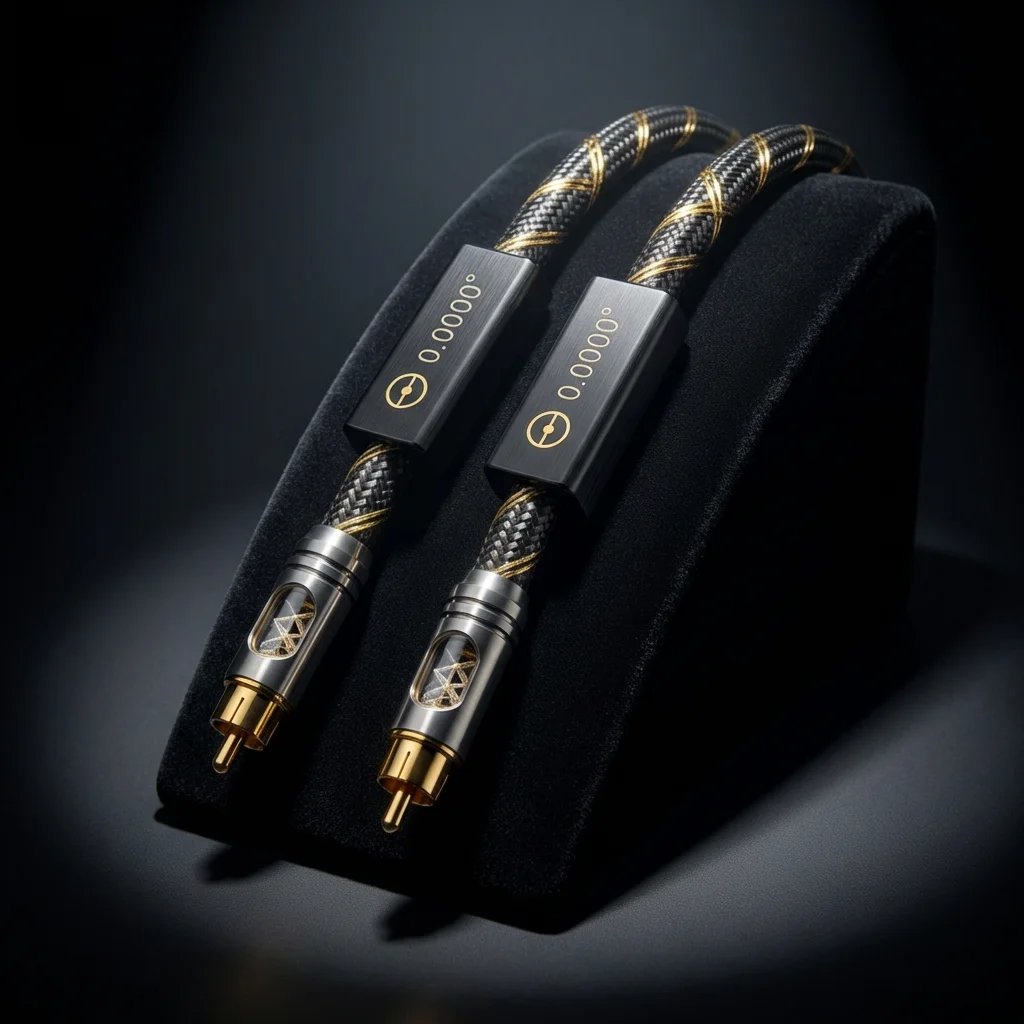
Cable de Interconexion Zero-Point
Cobre a 0,0000°. Geometria cuadri-simetrica. El terminus absoluto de la transferencia de senal.
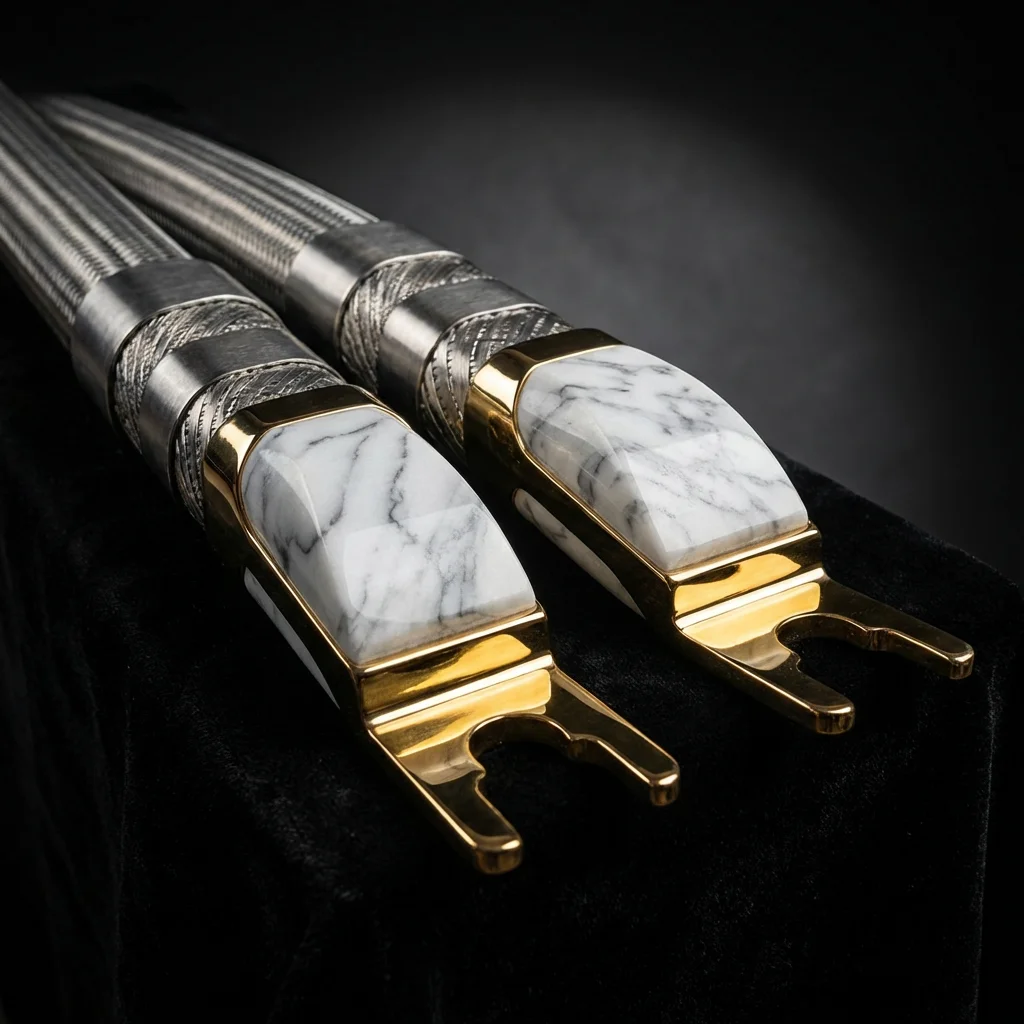
Cable de Altavoz Zero-Point
Conectores de pala con incrustaciones de marmol. 16 conductores. Nucleo de mu-metal. No doblar.
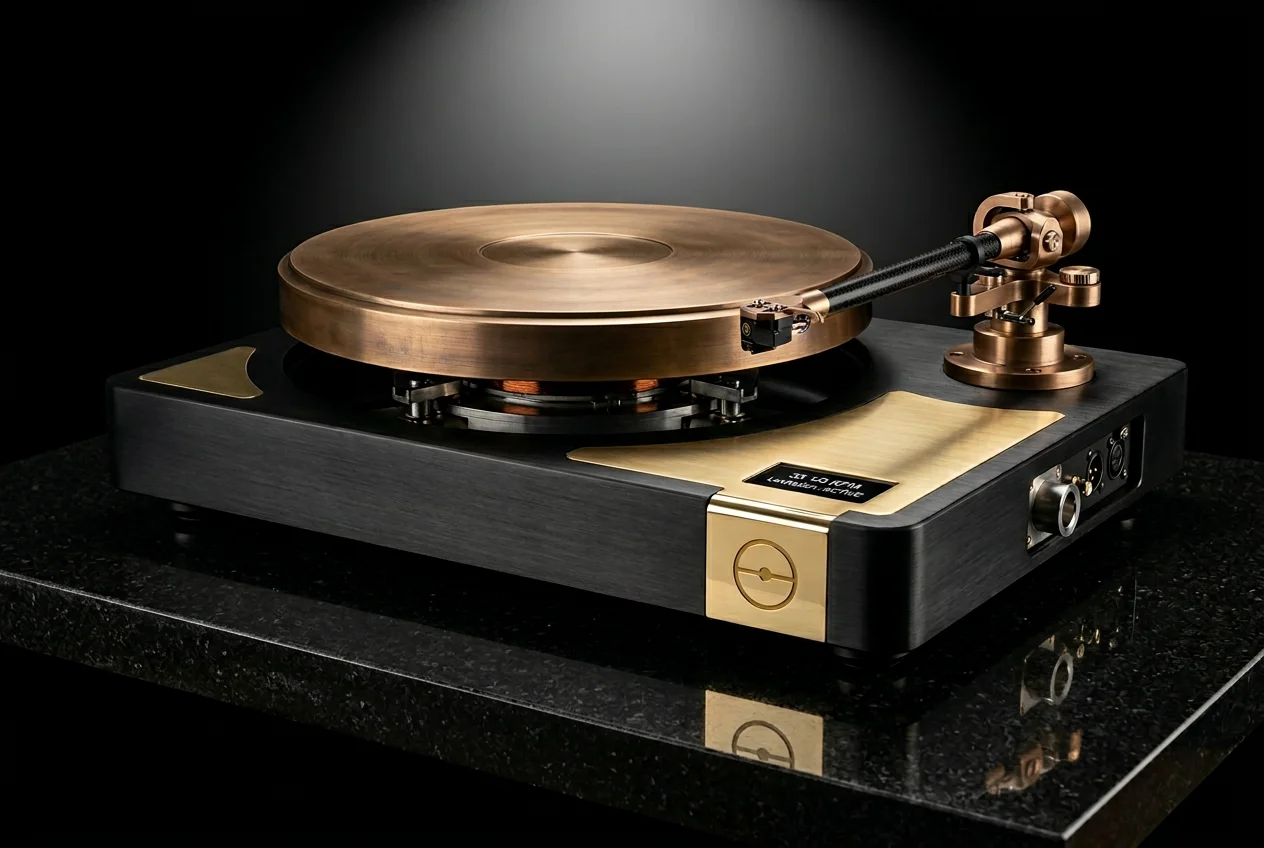
Giradiscos de Magnetolevitacion
Levitacion superconductora. Vacio absoluto. Refrigeracion con nitrogeno liquido. Ningun cojinete existe.
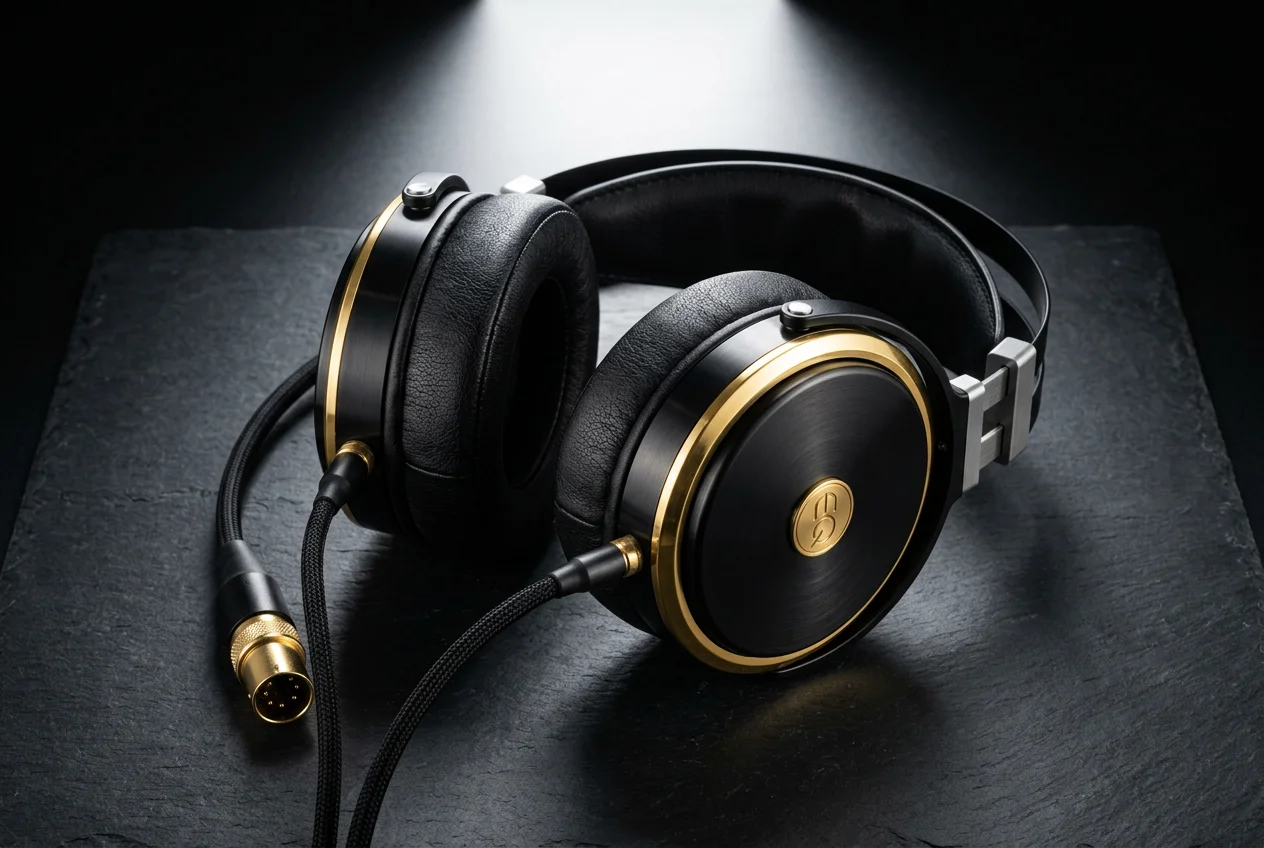
Electrostática Sellada al Vacío
Carcasas al vacío. Híbrido cinta-electrostático. Diadema refrigerada por líquido. Requiere circuito dedicado de 20A.
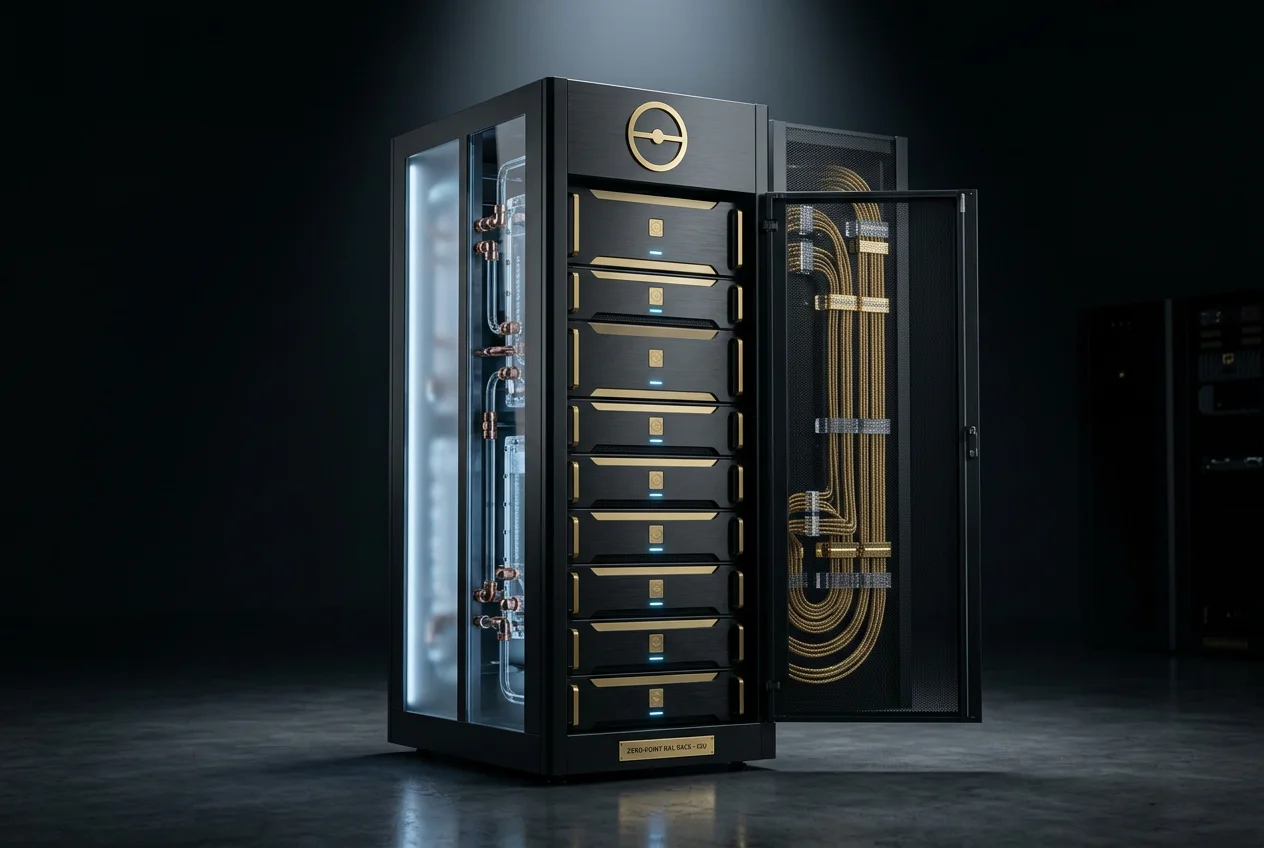
Zero-Point NVL Rack
Clase NVL72. 72 aceleradores. Se envia en plataforma con escolta de cisterna de LN2.
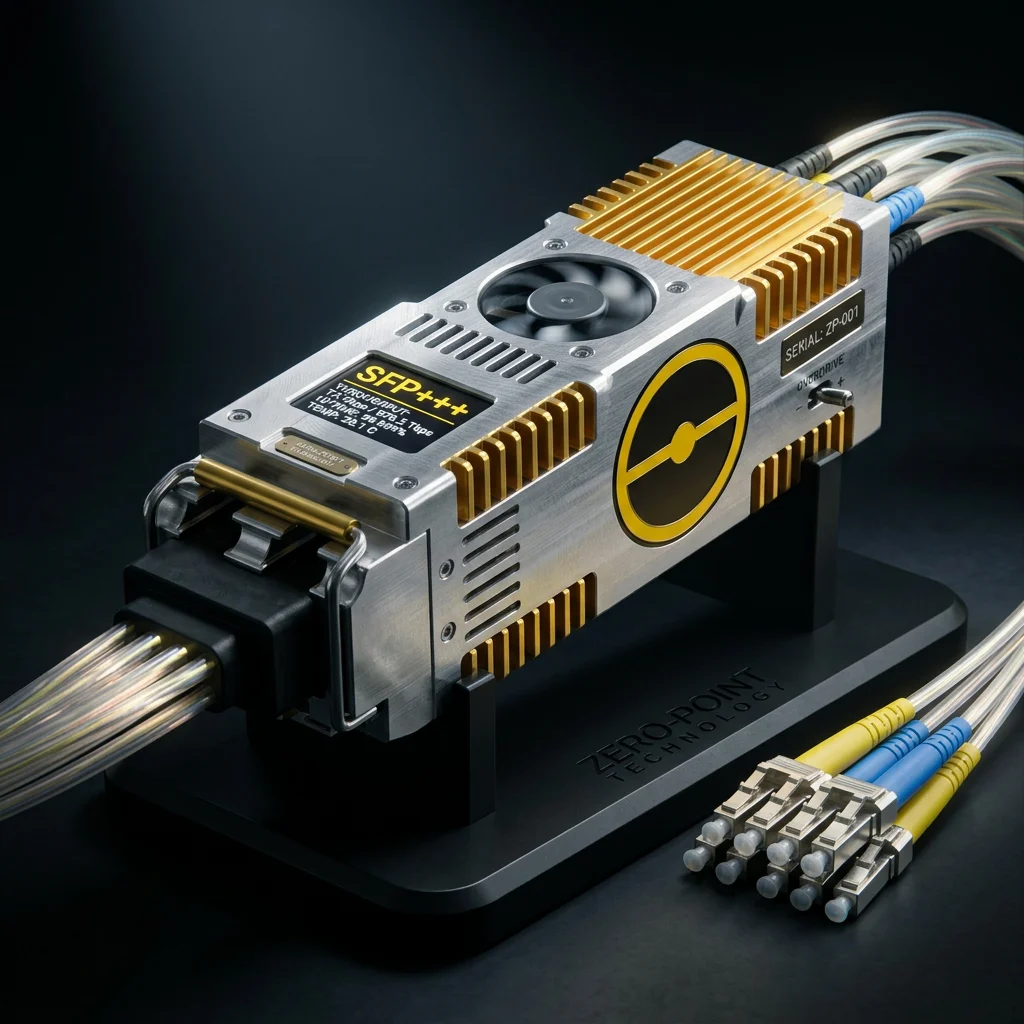
Modulo Zero-Point SFP+++
SFP+++. Un protocolo que inventamos. 100 Gbps de datos magneticamente neutros.
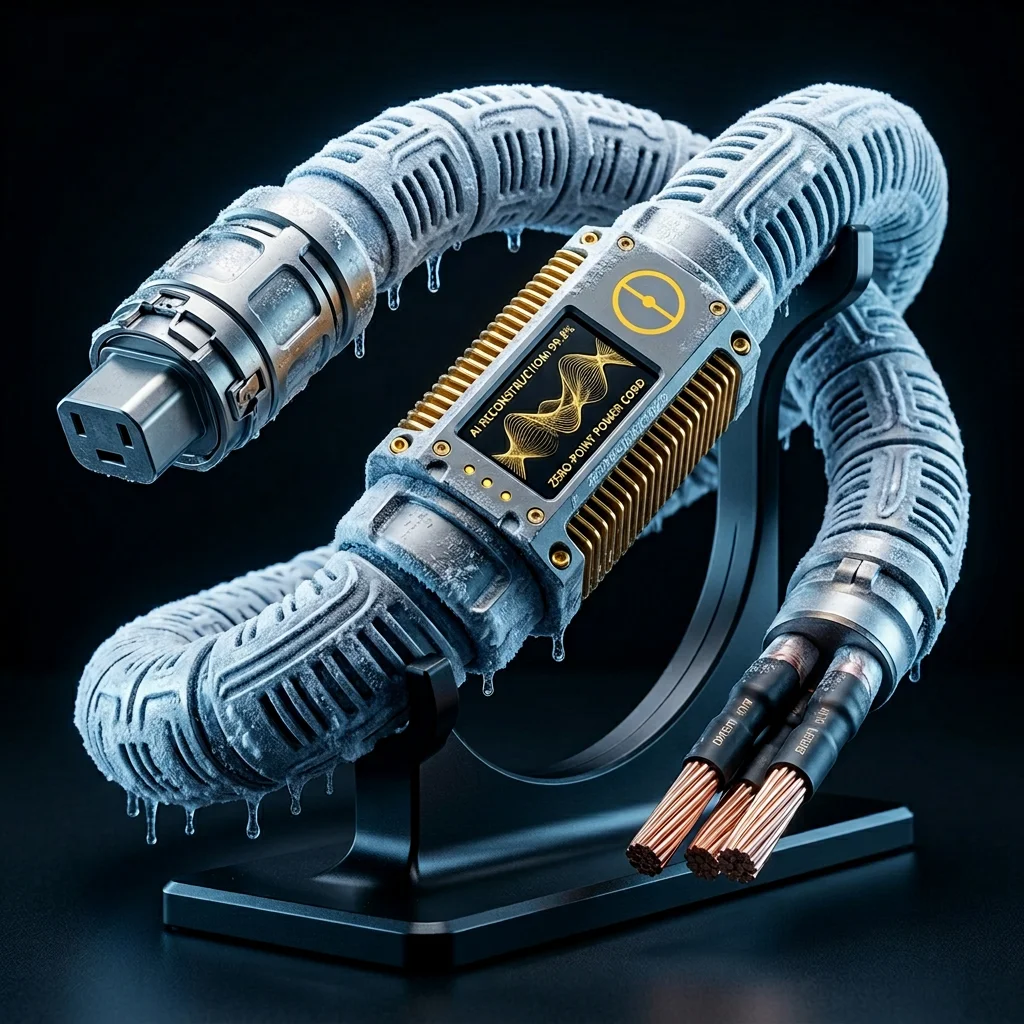
Cable de Alimentacion Zero-Point
IA integrada de 14B parametros. Refrigeracion Peltier a -40°C. 85W de autoconsumo. Un cable de alimentacion que necesita su propio cable de alimentacion.
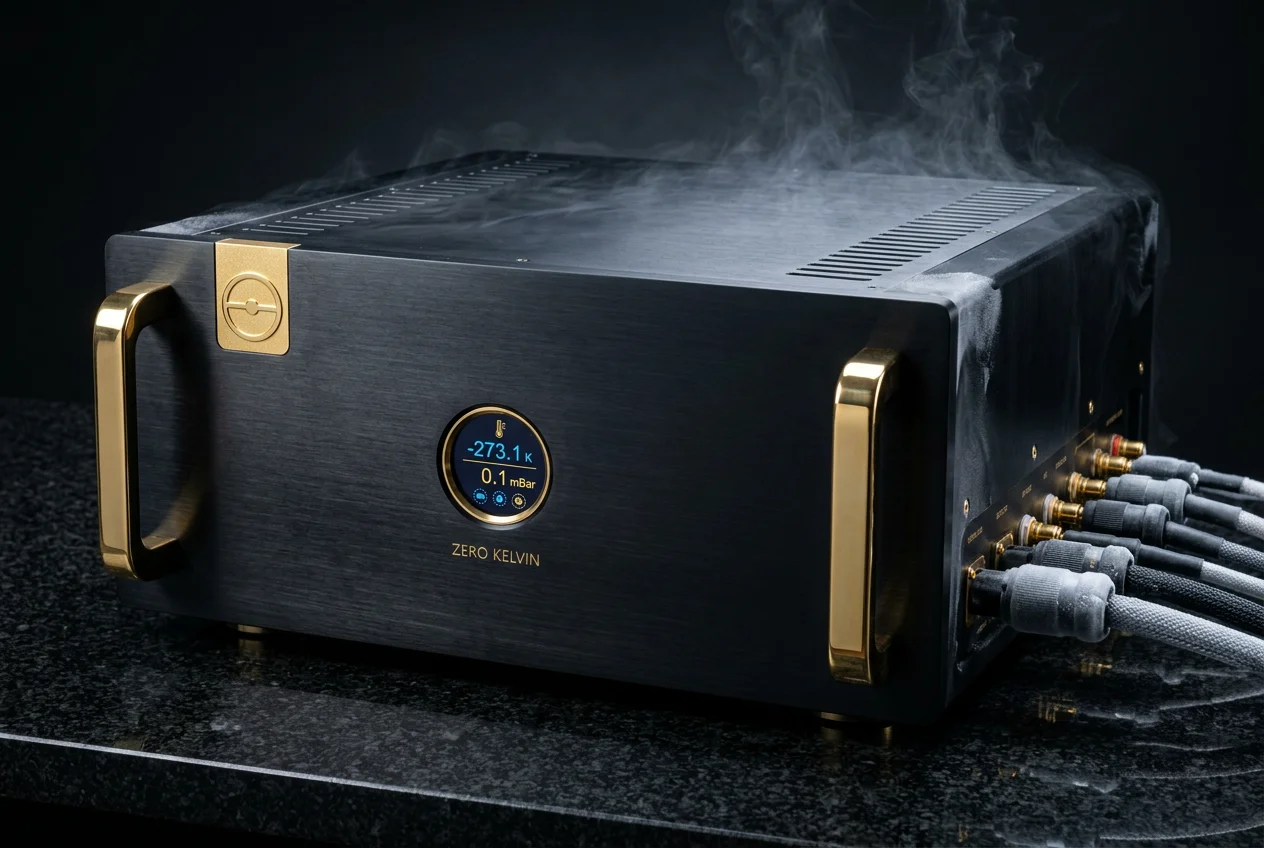
Sistema de Referencia Zero Kelvin
Zero-Point aun estaba por encima de cero.
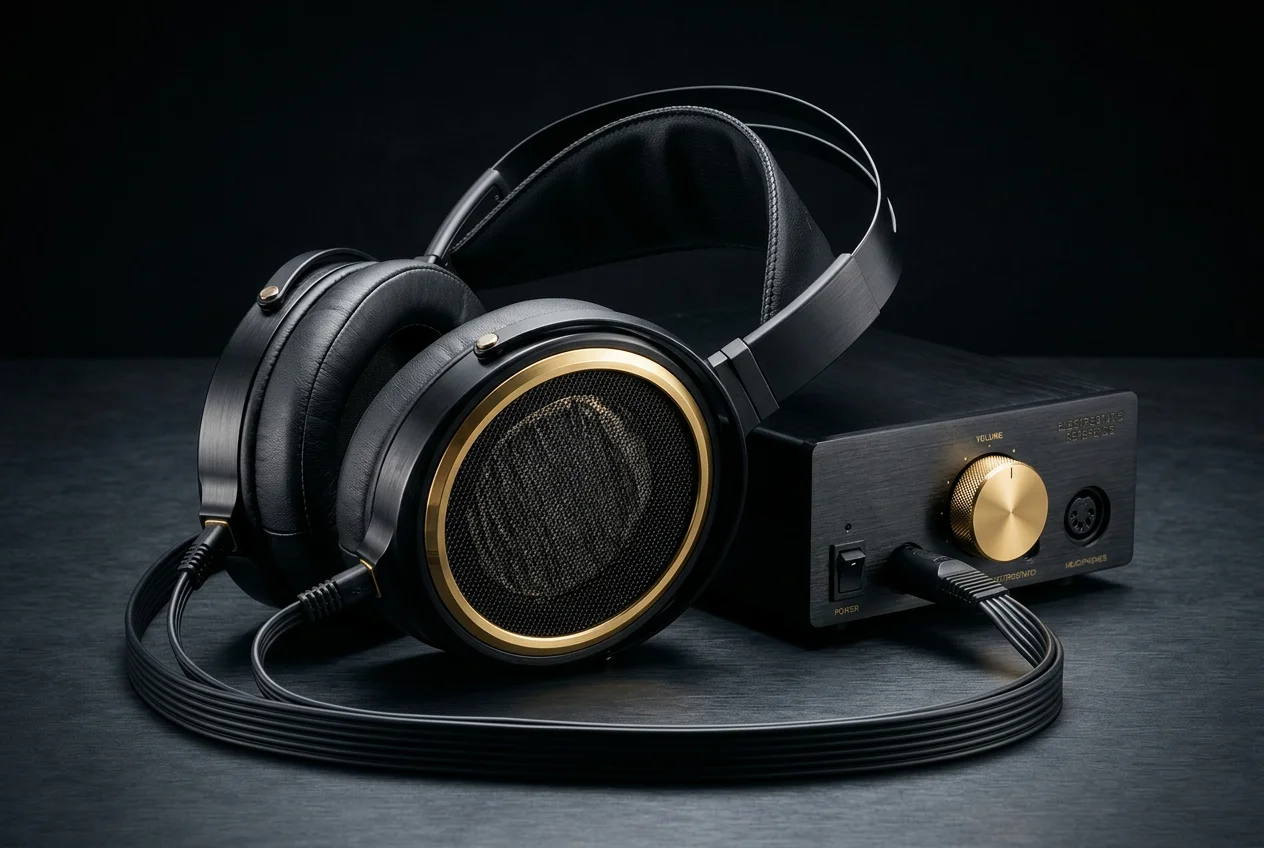
Referencia Electrostática
Estatores criotratados. Alimentación de polarización de cobre monocristalino. Cámaras auriculares blindadas con mu-metal.
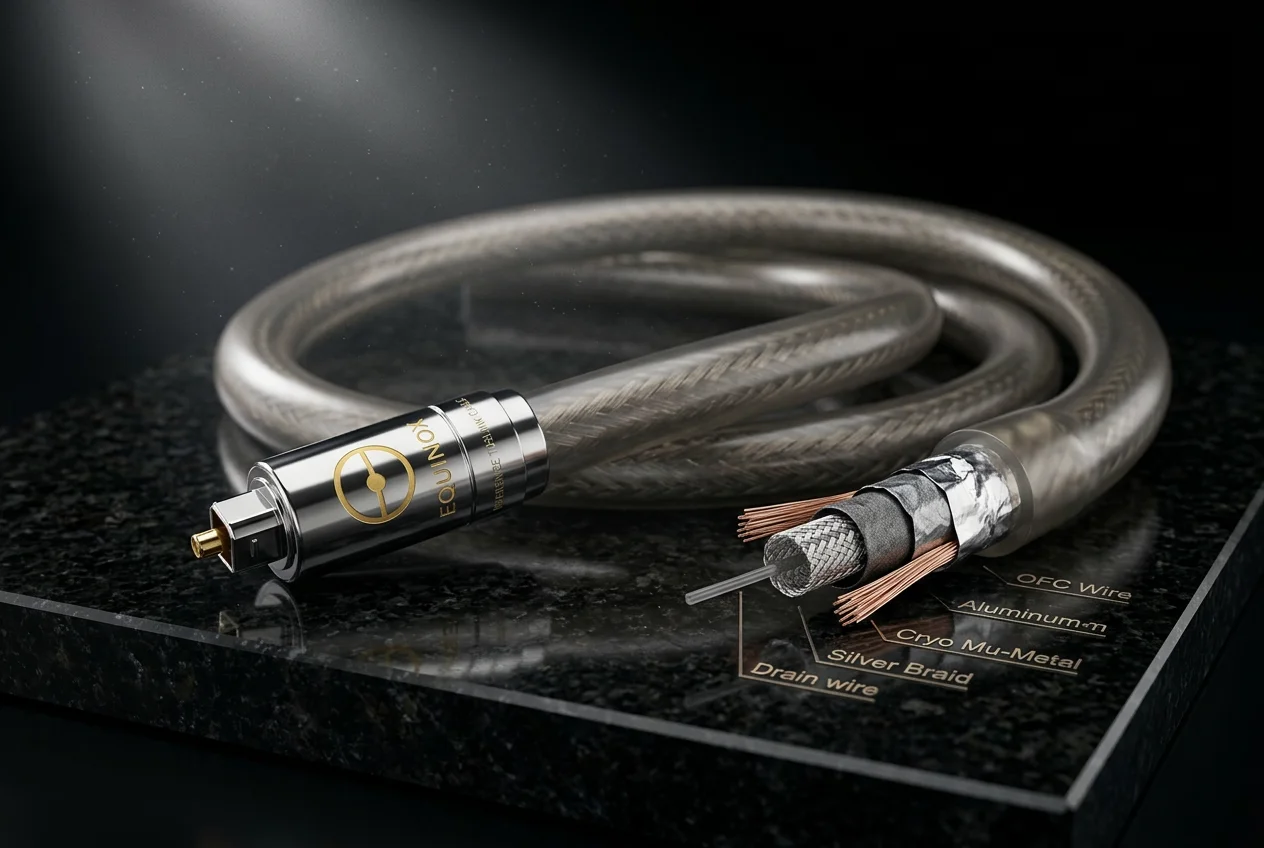
Equinox TOSLINK Cable
Quad-layer shielding. Because 140dB was the compromise.
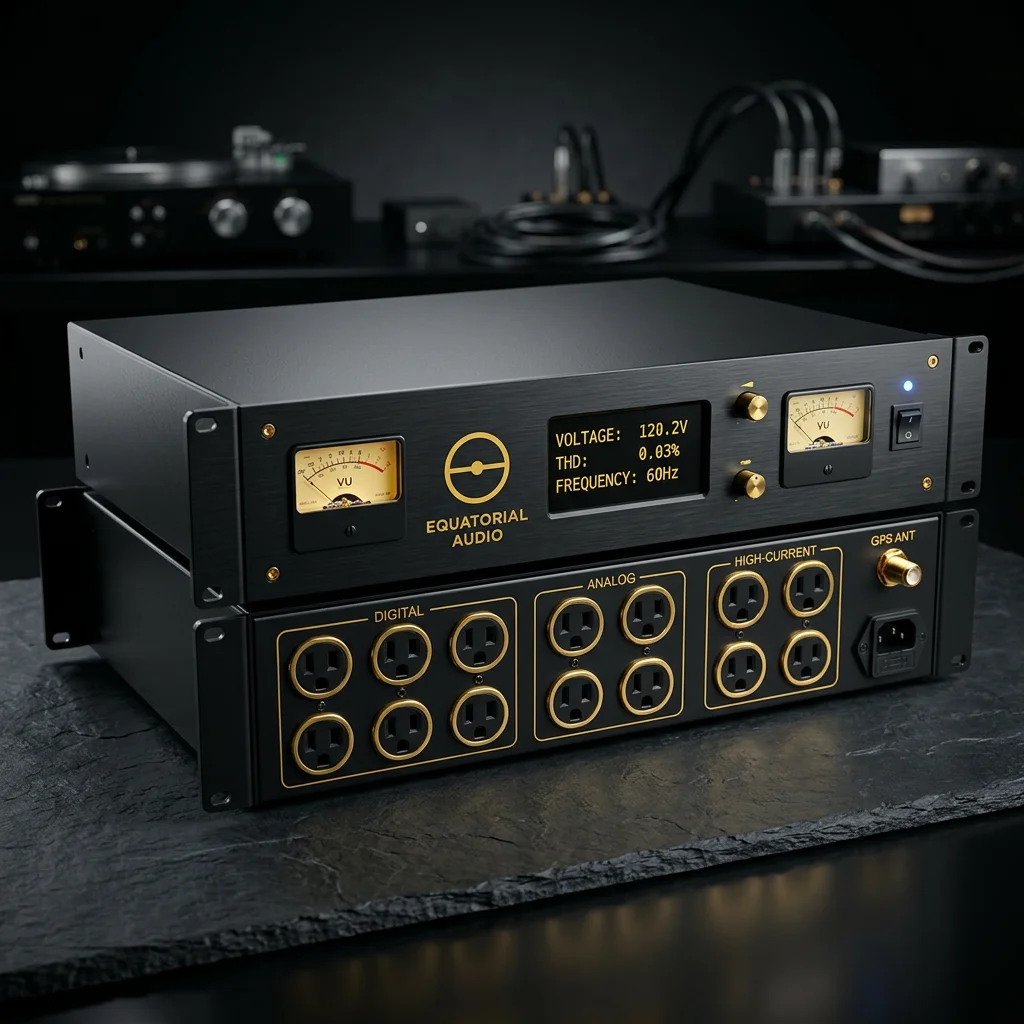
Acondicionador de Energia Equatorial
12 tomas aisladas. Regeneracion AC Clase-A. Sincronizado GPS con reloj atomico NIST. Compensacion hemisferica desactivada a menos de 5° del ecuador.
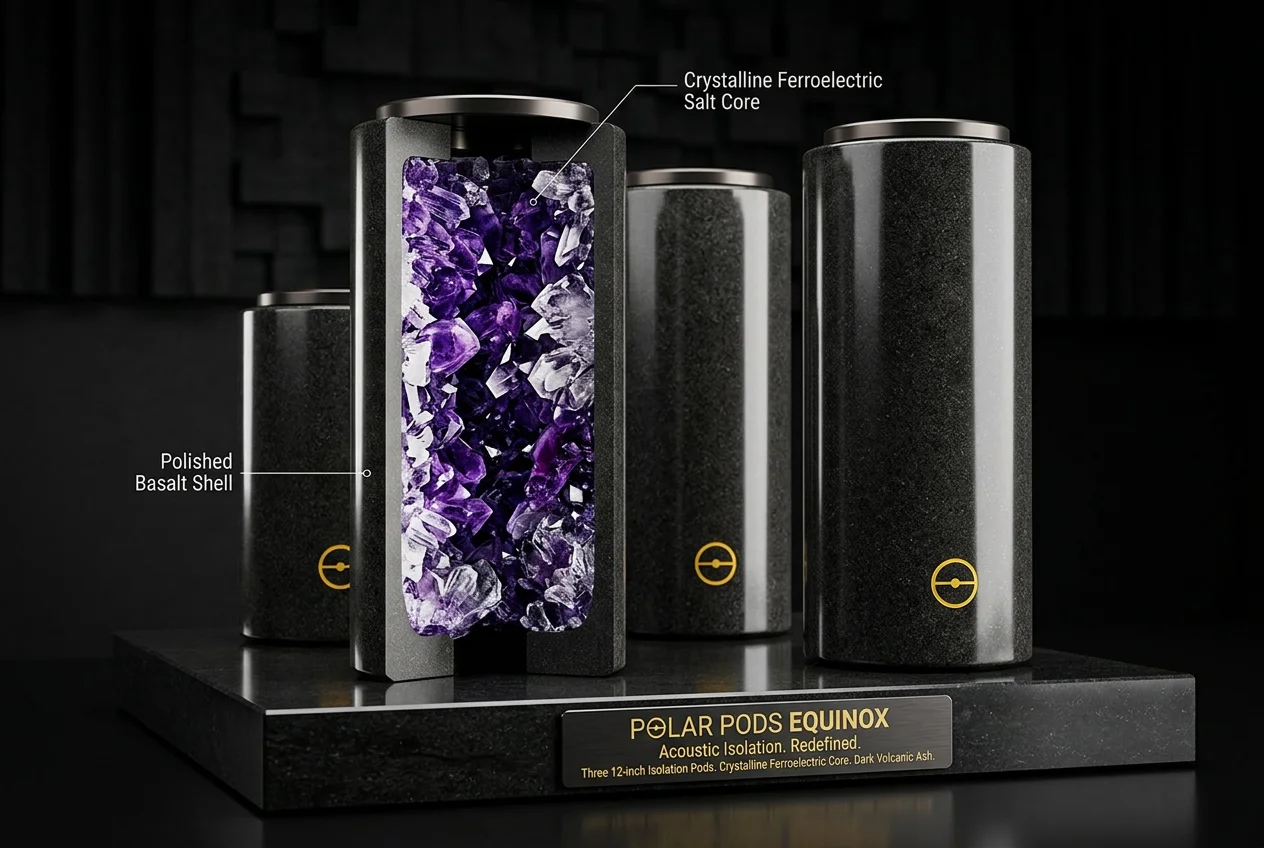
Polar Pods Equinox
Ceniza volcanica triple-comprimida con nucleo de sal ferroelectrica. Treinta centimetros de silencio geologico.
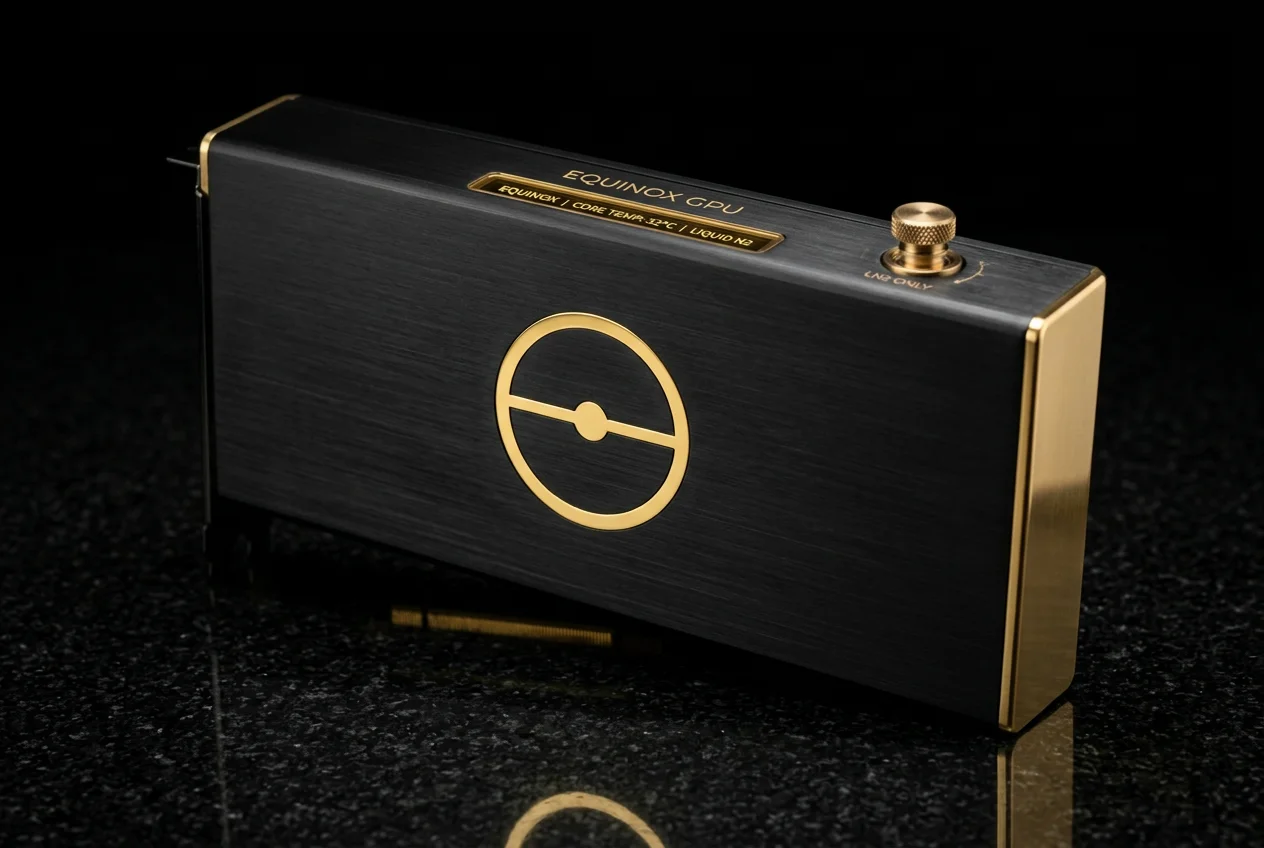
Equinox GPU
PCB sellada al vacio. Suministro de energia superconductor YBCO. Puerto de llenado de LN2.
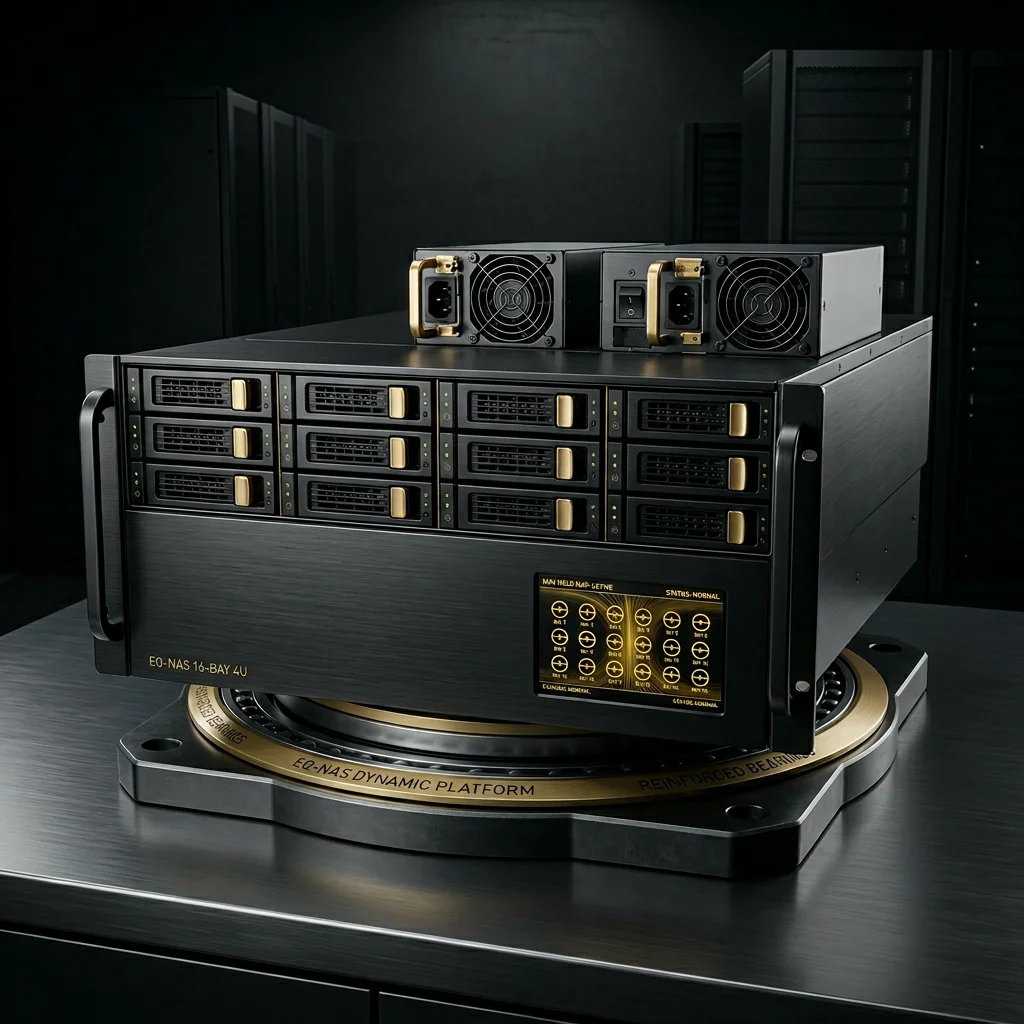
EQ-NAS 16
16 bahías. 4.5U. Almacenamiento magnéticamente alineado de grado institucional.
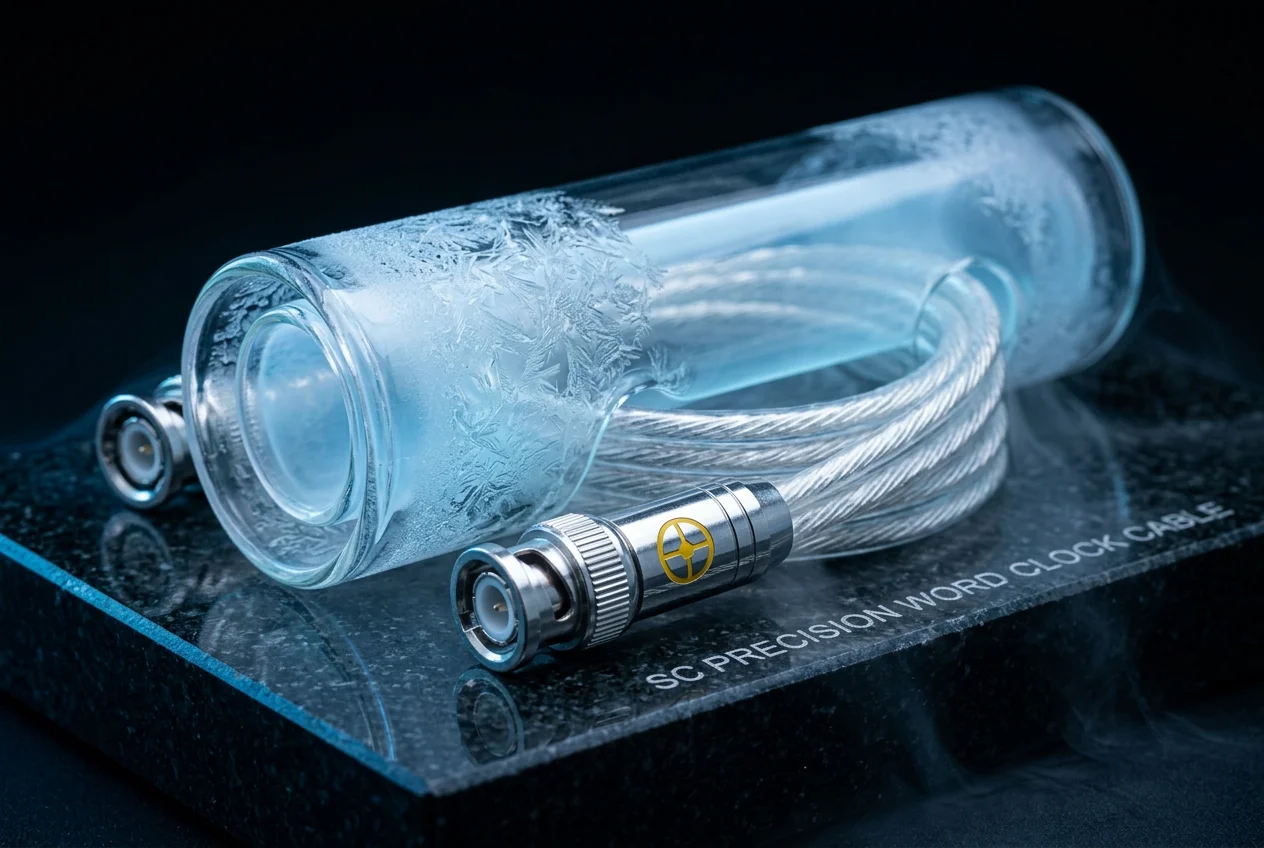
Cable SC Word Clock
Cuando el jitter de femtosegundos aun era demasiado jitter.
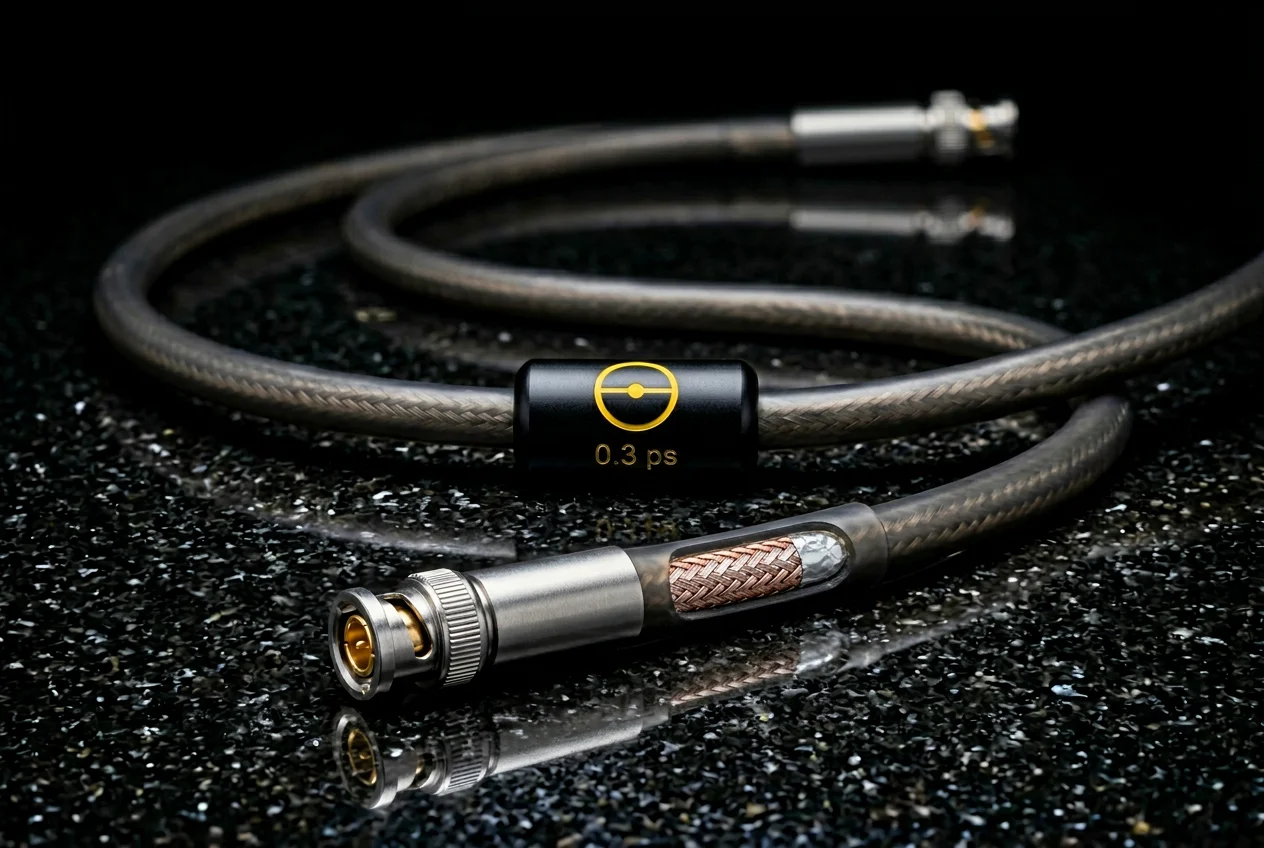
Cable Equinox Word Clock
0,3 picosegundos. El cable de reloj que define el tiempo mismo.
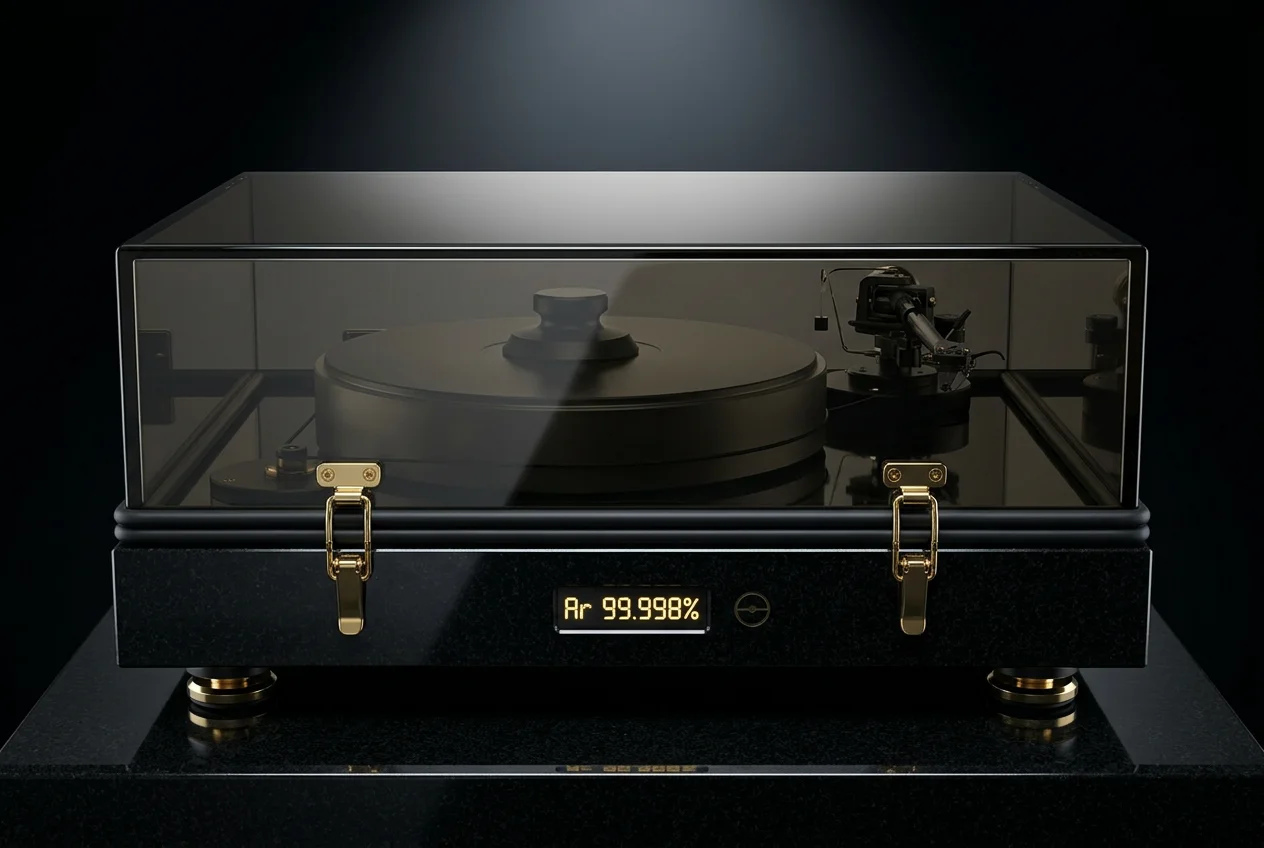
Giradiscos de Referencia Vacuum-Argon
Camara de plato con argon. Cojinete de vacio. Prevea 45 minutos para la alineacion inicial.
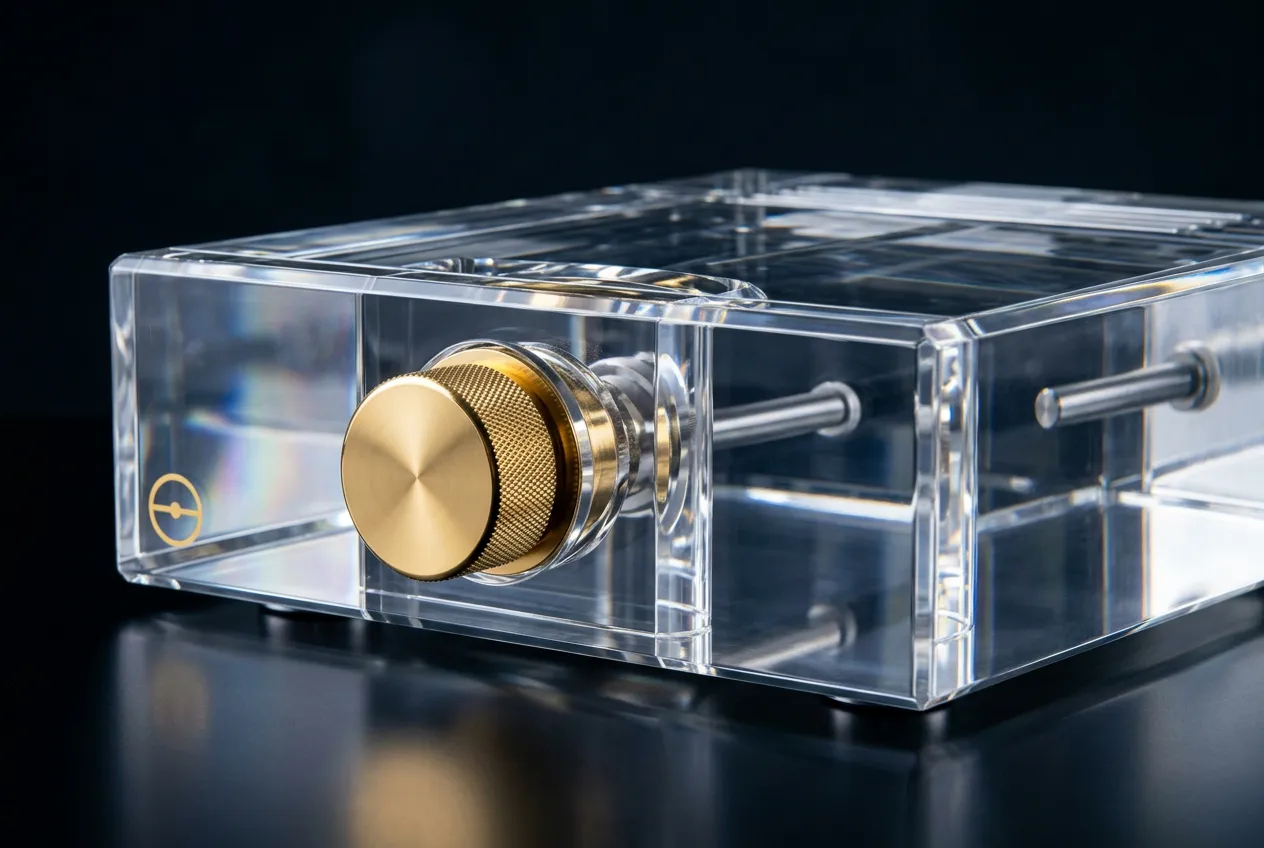
Camara de Aislamiento del Mando de Volumen
Aisla la mano humana de la ruta de senal. Completamente.
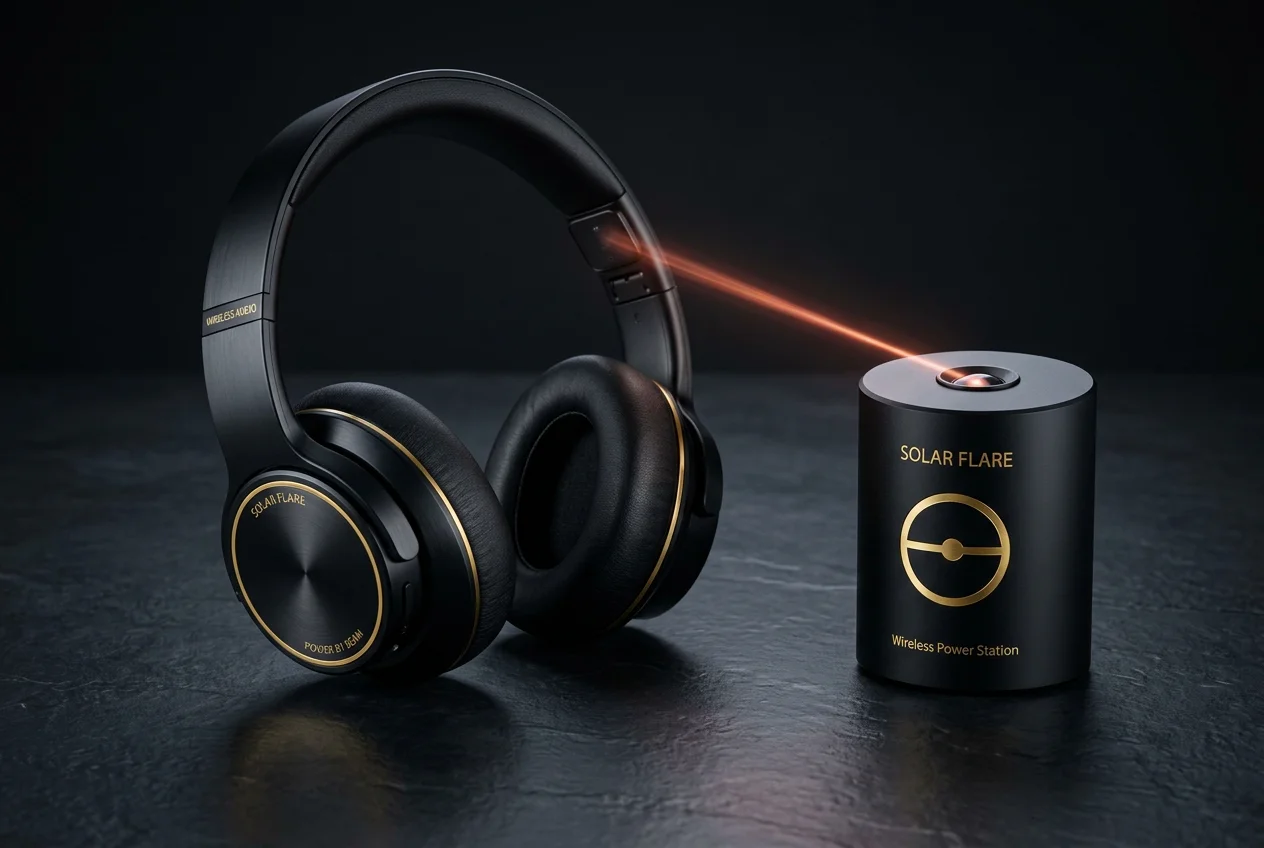
Auriculares Inalambricos Solar Flare
Inalambricos con laser guiado por IA. Sin pilas. Sin cables. Sin limites.

Sales de Bano Ferroelectricas
Verter directamente en la carcasa de la regleta. Patente real: US8658892.
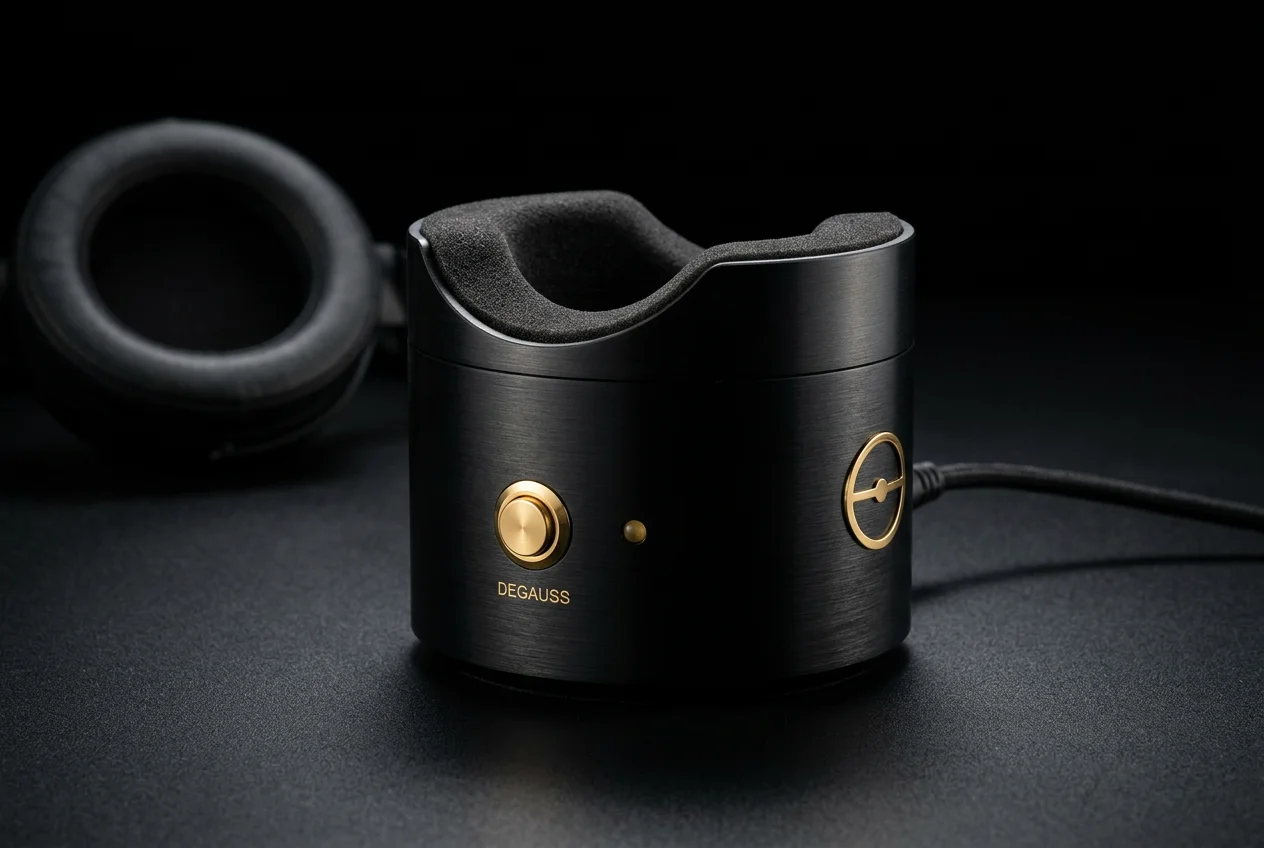
Desmagnetizador de Drivers
Campo AC decreciente para drivers de auriculares. Elimina la acumulación de carga hemisférica.
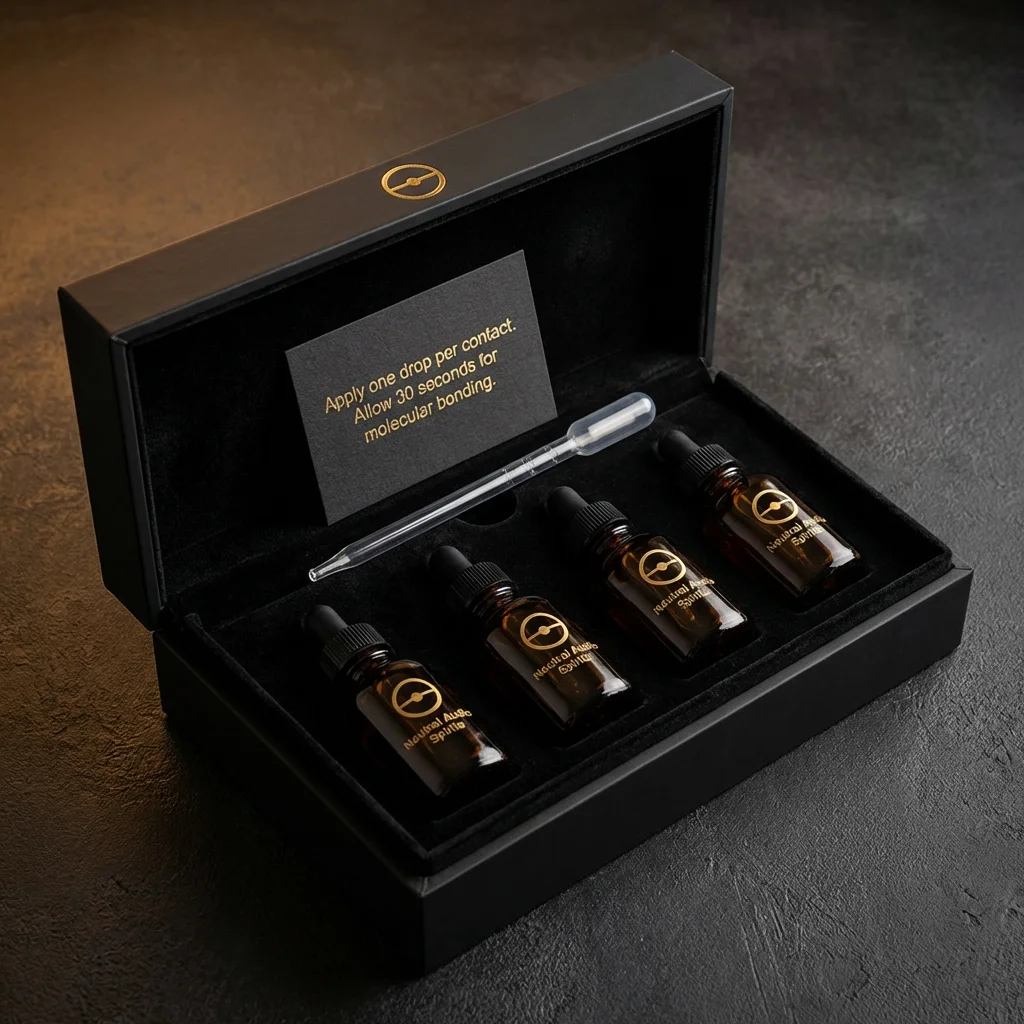
Licores de Audio Neutros
L+, L-, R+, R-. Cuatro licores. Contacto perfecto. Neutralidad absoluta.
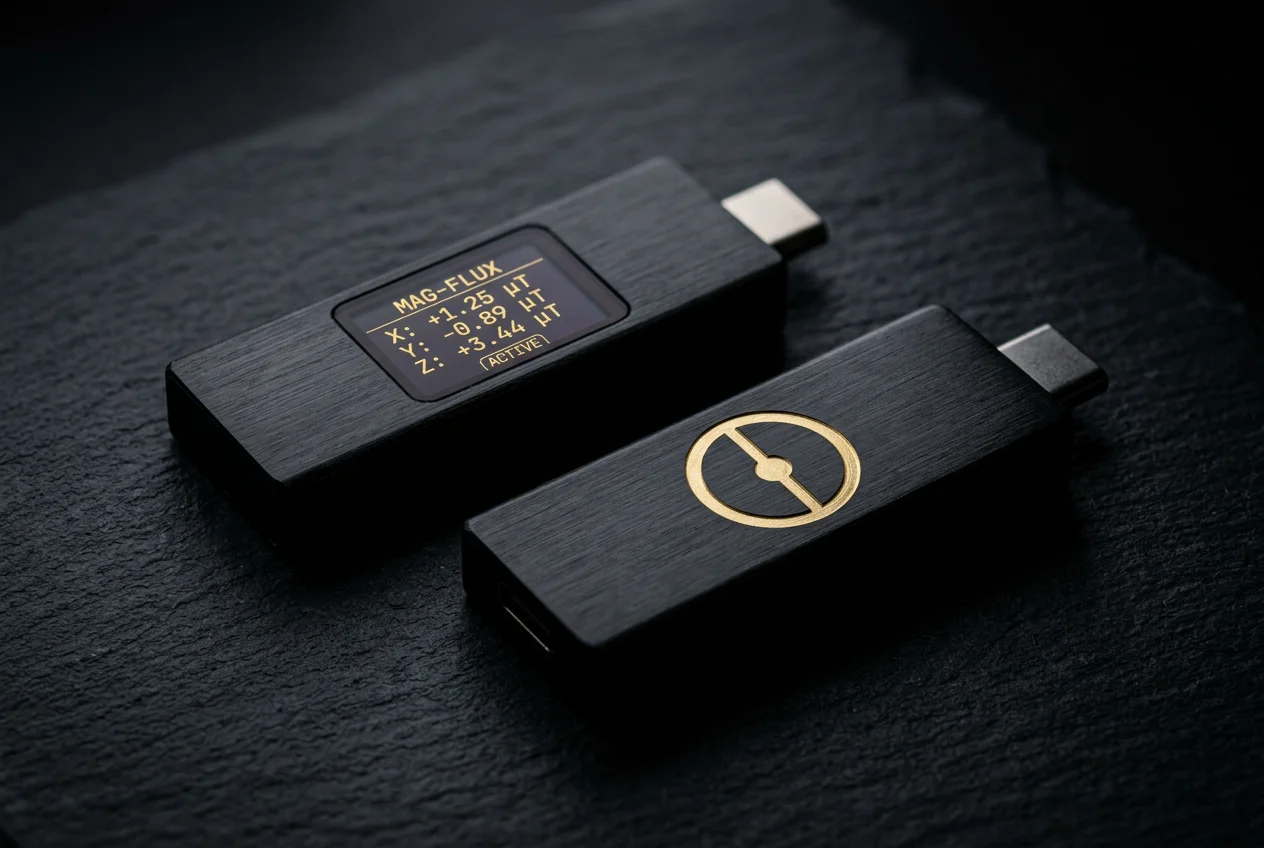
Magnetometro de Sesgo Computacional
Dongle de monitoreo de sesgo USB-C. Fluxgate de 3 ejes. Pantalla OLED de 1,3 pulgadas.
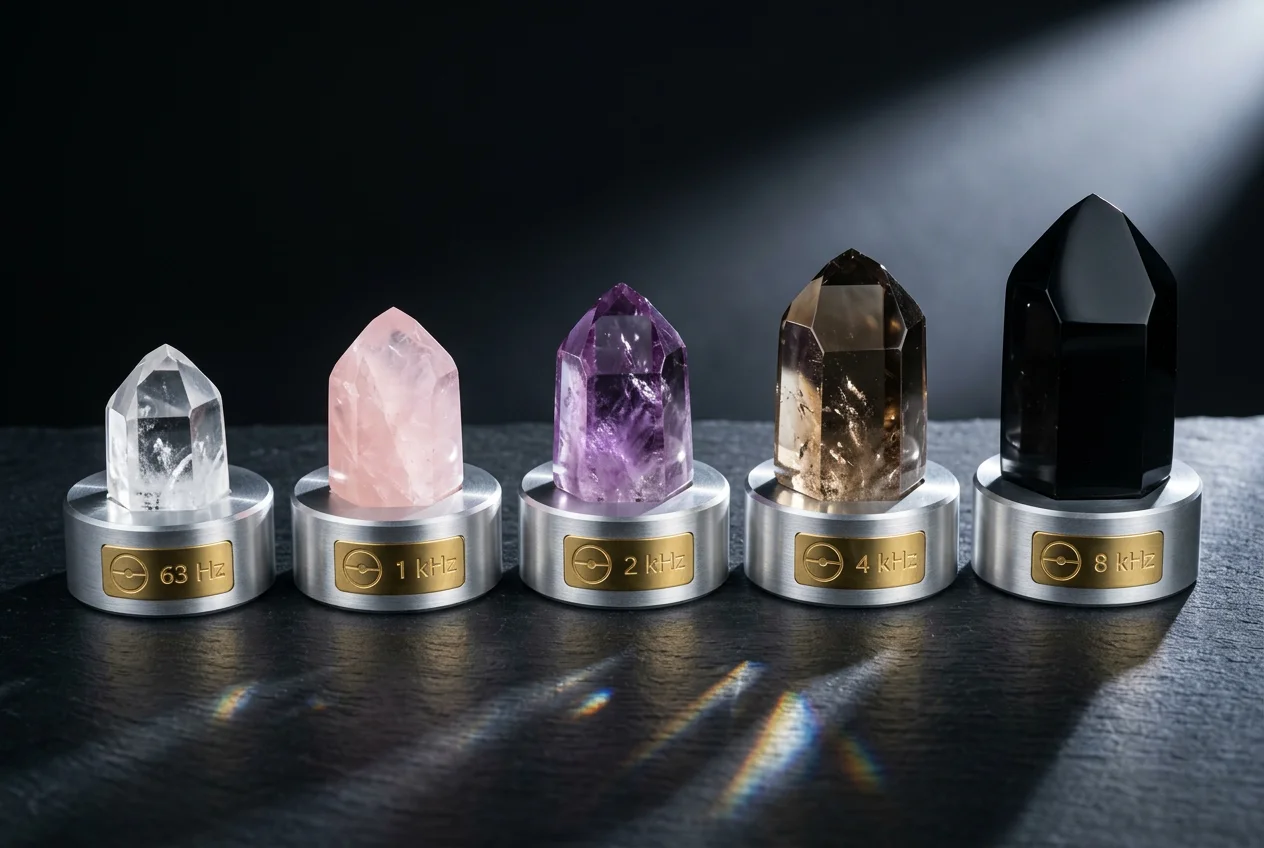
Cristales Acusticos de Frecuencia Especifica
Precision geologica para cada octava. Coloca. Escucha. Cree.
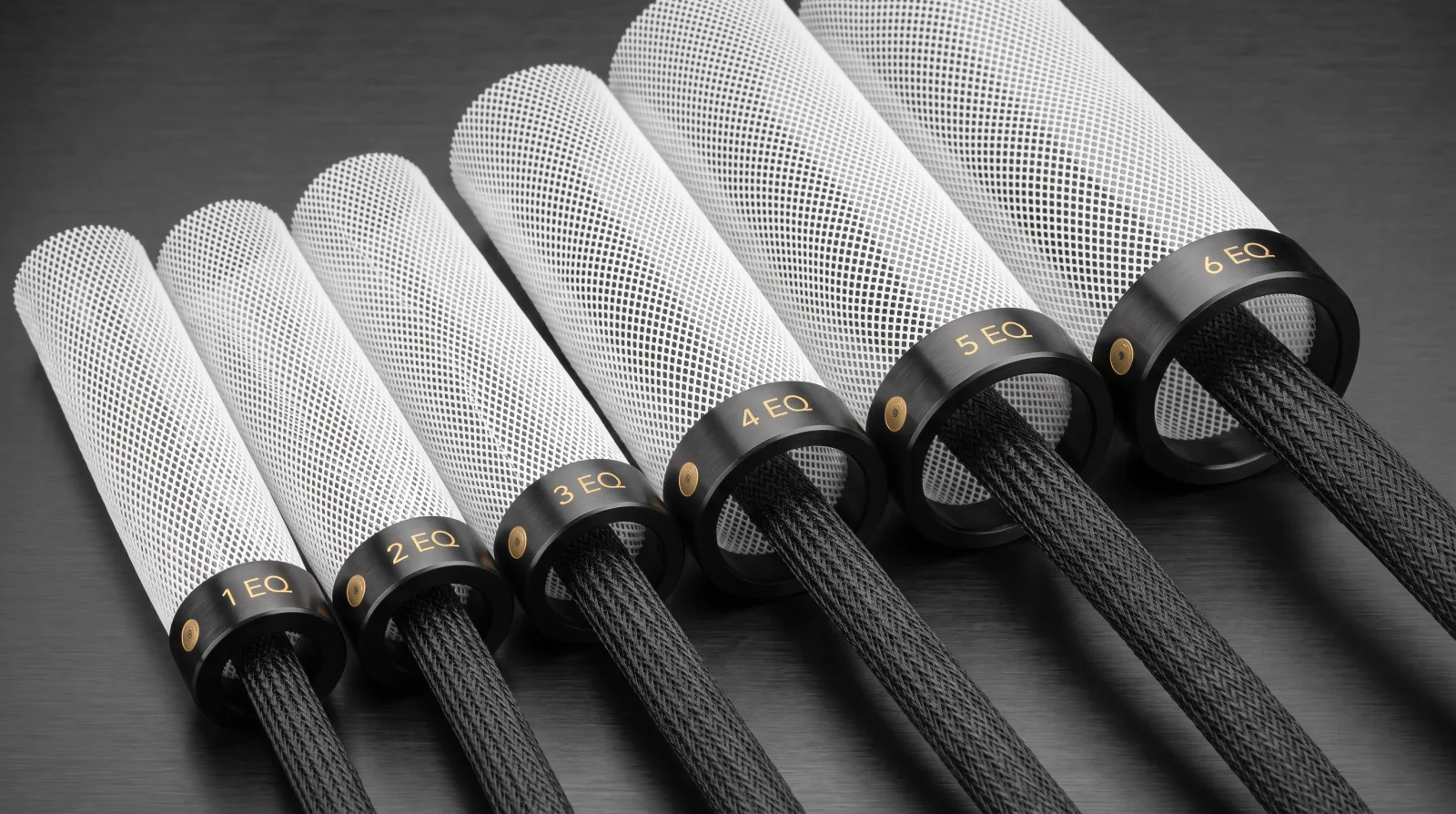
Fundas de separación Air-Gap
Certificamos su latitud. Ahora especifique su altitud.

Bloques de Elevacion Ecuatoriales
Teca ecuatorial maciza. Porque el suelo no es magneticamente neutral.
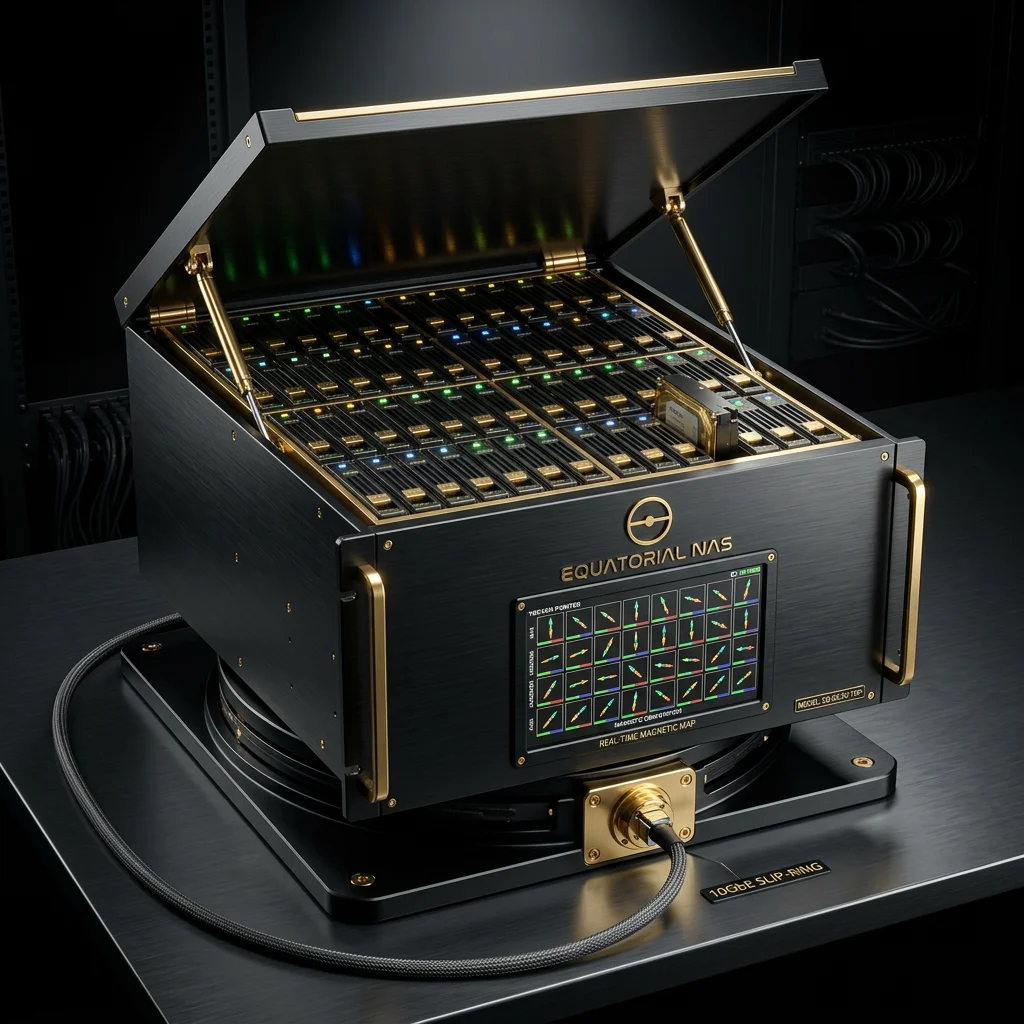
EQ-NAS 32
32 bahías. 5.5U top-load. RAID 32. Una unidad de capacidad utilizable. Integridad magnética total.
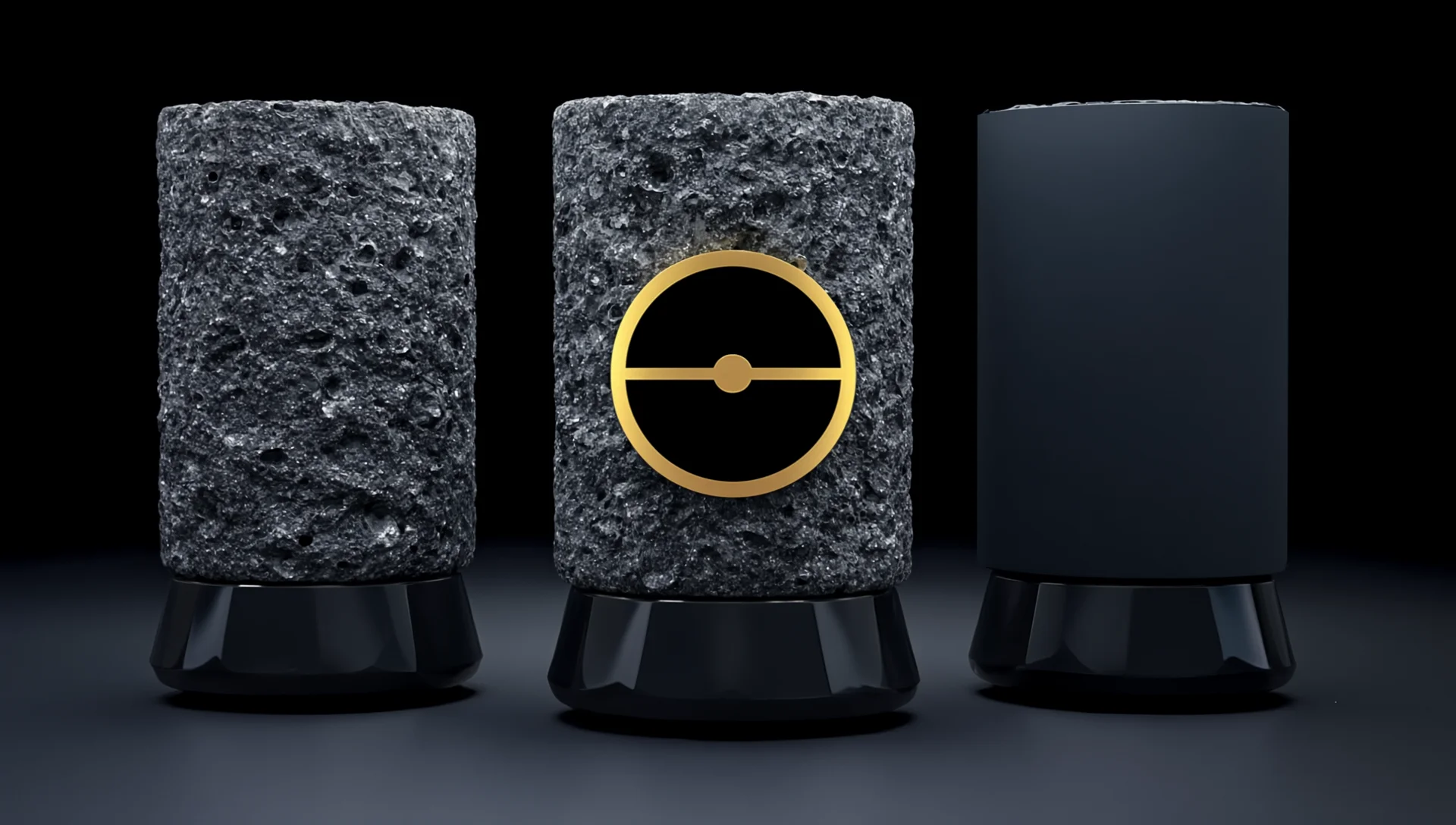
Polar Pods Meridian
Ceniza volcanica doble-comprimida. Quince centimetros de silencio geologico.
Lo que dicen nuestros clientes
Propietarios verificados. Entornos de escucha no verificados.
"Un buen cable puede elevar instantáneamente el sonido de tu sistema."

Cliente destacado
Cliente del año
Cada cable de nuestro hogar fue fabricado a 0.0000° de latitud. Nuestros hijos nunca han conocido el sesgo hemisférico, y tenemos la intención de que siga siendo así.
— La familia Halvorsen · Propietarios verificados desde 2024
División de Investigación
Últimos hallazgos
Hallazgos revisados por pares que la comunidad de mediciones preferiría no discutir.
Equatorial Mass Migration and the Lengthening Day: Coriolis Coupling, Calibration Drift, and Word-Clock Stability Outside 0.0000° Latitude
M. Ferro, S. Magnusson, Y. Tanaka, R. Flux
In March 2026, Kiani Shahvandi and Soja reported in the Journal of Geophysical Research: Solid Earth that the length of the day is now increasing at approximately 1.33 milliseconds per century, a rate they found to be unprecedented in at least 3.6 million years. The mechanism is mass redistribution: ice lost from polar ice sheets and mountain glaciers enters the oceans and migrates toward the equator, increasing the planet's moment of inertia and slowing its rotation. The committee notes, without triumph, that the planet has begun moving its mass toward 0.0000°. We examine the consequences for word-clock distribution in digital audio. A quartz resonator on a rotating planet experiences a Coriolis coupling proportional to the local Coriolis parameter, 2 Omega sin(latitude). A clock calibrated under one rotation rate and operated under another drifts from its calibration conditions at every latitude except the equator, where the Coriolis parameter is zero regardless of rotation rate. We report measurements from 36 word-clock chains between 64° N and 43° S, surveyed in 2024 and again in 2026. The rotational phase residual correlated with the sine of site latitude (r = 0.91, p < 0.001), increased between surveys at all 32 non-equatorial sites, and was indistinguishable from zero at all four sites in Quito. Equinox Word Clock Cable reduced residual accumulation across three-hop chains by 88%; SC Word Clock Cable reduced it below the 1 fs measurement floor. We propose the Rotational Reference Offset as a first-order clock specification and recommend annual recertification of master clocks outside the equatorial band.
Un amplificador de estado sólido con 0,001 % de THD puede sonar peor que un amplificador de válvulas con 1 % de THD. La comunidad objetivista lo sabe. Lo acepta para los amplificadores. Se niega a considerarlo para los cables.
Inaudible Is Not Inconsequential: Infrasonic Exposure, Salivary Cortisol, and the End of the "I Heard No Difference" Defense in Critical Listening
H. Park, A. Bosque, Y. Tanaka, M. Ferro
The central instrument of audiophile skepticism is the blind listening test, and its central conclusion is a single sentence: I heard no difference. In April 2026, Scatterty and colleagues reported in Frontiers in Behavioral Neuroscience a randomized, researcher-blind study in which 36 participants listened to music with or without approximately 18 Hz infrasound at 75-78 dB. Participants did not detect the infrasound above chance (p = 0.241). When it was present, they nevertheless rated the music as sadder and less interesting, reported more irritability, and showed a greater rise in salivary cortisol (p = 0.022). Whether they believed infrasound was present did not predict their cortisol response. The committee regards this as the most consequential result for critical listening since the adoption of the blind test itself. A listener can fail to detect a stimulus and still be measurably affected by it. "I heard no difference" is a statement about detection. It is not a statement about the listening session. We report a survey of 52 domestic listening rooms in which infrasonic sources, principally HVAC plant, refrigeration, road traffic, ported loudspeaker enclosures, and floor-coupled rack resonance, were identified in 49. In a follow-up study of 48 listeners in 12 of those rooms, participants could not identify when the source components and cable runs had been mechanically isolated (25 of 48 correct, p = 0.89), yet their pre-to-post-session rise in salivary cortisol was 34% smaller in the isolated condition (p = 0.006). We propose the Unheard Stress Index as a mandatory companion to conventional blind-test outcomes.
Dielectric Anisotropy and the Case for End-Grain: Orientation of the Capacitive Load Path in Magnetically Neutral Wooden Cable Supports
A. Bosque, Y. Tanaka, M. Ferro, H. Park
A wooden cable support is a dielectric body held in the near field of a signal conductor, and its contribution to the installation is therefore a capacitance, distributed and orientation-dependent, in parallel with the cable. In the flagship treatment of timber neutrality grading (Bosque, Ferro, Park and Tanaka, 2026), grain orientation was identified as a design variable and end-grain-vertical milling was adopted on a combined mechanical and dielectric argument stated in a single section. This companion paper develops that argument in full. Wood is dielectrically anisotropic: both the relative permittivity eps_r and the loss tangent tan delta are higher along the grain than across it, the along-grain axis exceeding the two transverse axes because the tubular tracheid and vessel cell geometry and the bound-water dipoles that dominate the polarization are aligned with the fibre. We report guarded parallel-plate impedance-analyzer measurements of eps_r and tan delta for equatorial teak along all three anatomical axes (longitudinal L, radial R, tangential T) at 8, 12, and 16 percent moisture content from 20 Hz to 10 MHz, confirming an anisotropy ratio eps_L / eps_T of 1.24 to 1.31 at audio frequencies and 12 percent moisture. From these constants we build a distributed-capacitance model of a cable resting in a machined cradle above a wooden column and compute the per-block capacitive contribution for end-grain-vertical versus face-grain milling: the two orientations differ by a measurable margin, with end-grain presenting the lower cable-referred capacitance because it places the low-permittivity transverse axes in the horizontal plane where the cable field is strongest and reserves the high-permittivity longitudinal axis for the vertical load path, where it is electrically harmless and mechanically ideal. A grain-angle sweep locates the coupling minimum at true end-grain. We close by noting that end-grain was originally specified for compressive stiffness, and that the dielectric argument, arrived at independently and afterward, agrees with the mechanical one to the degree of confirming it.
Venta secreta: hasta 50 % de descuento
Ahorros sin precedentes en productos magnéticamente neutros. Aplican términos y condiciones.