Usawa wa Sumaku Tangu 2019
Ambapo Kaskazini Inakutana na Kusini,
Usawa Unazaliwa.
Equatorial Audio inabuni kila bidhaa kwa usawa wa kweli wa sumaku — msingi wa uwazi wa sauti bora.
Bidhaa Maalum
Kila bidhaa imebuniwa katika latitudo 0.0000° kwa usawa kamili wa nusudunia.
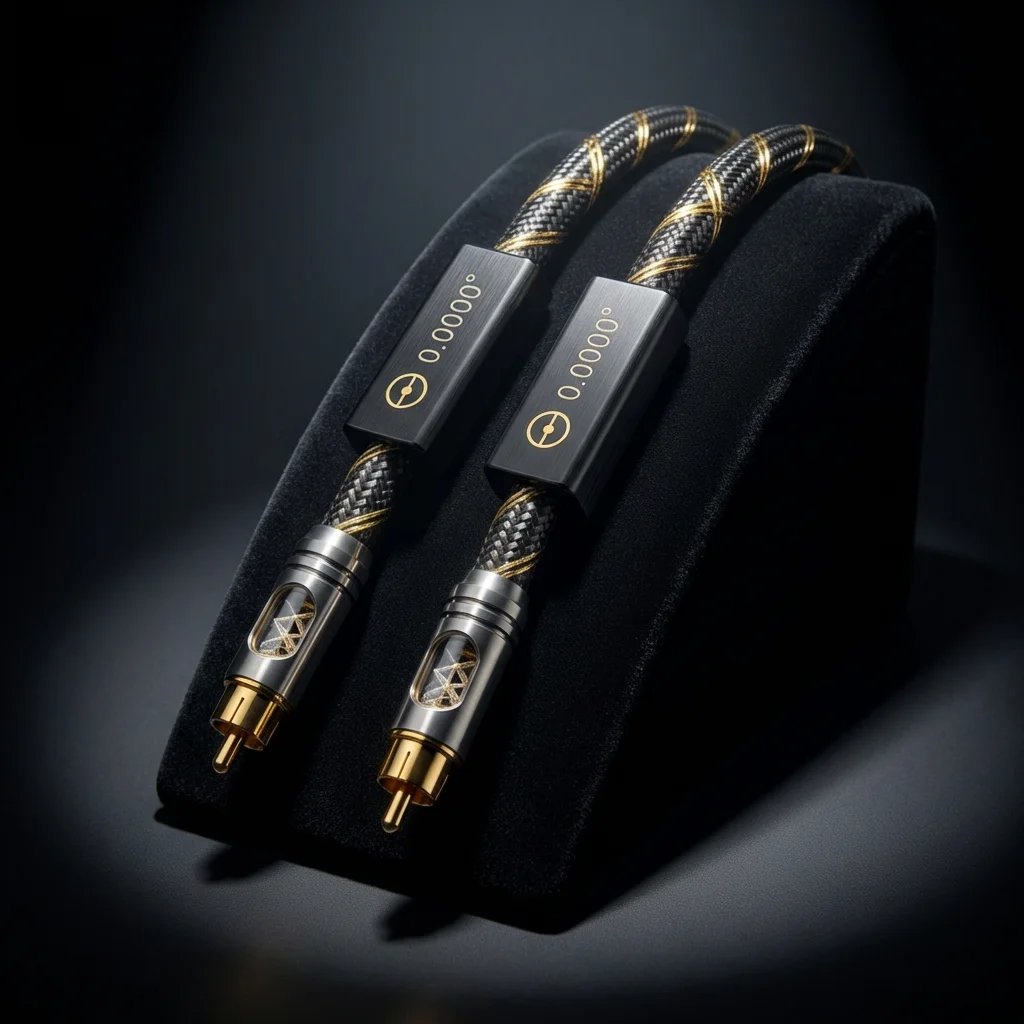
Kiunganishi cha Zero-Point
Shaba ya 0.0000°. Jiometri ya ulinganifu-nne. Mwisho kamili wa uhamishaji wa ishara.
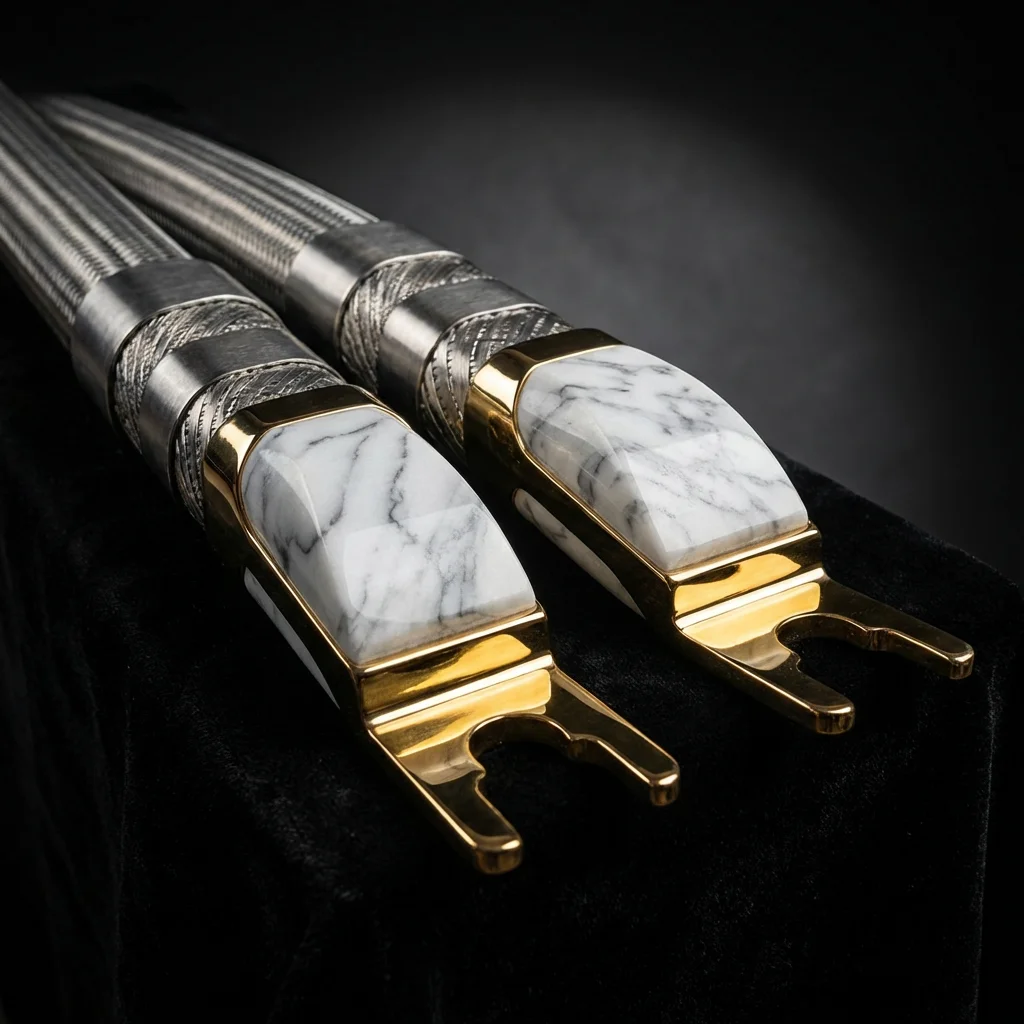
Kebla ya Spika ya Zero-Point
Viunganishi vya spade vilivyopambwa kwa marumaru. Kondakta 16. Kiini cha mu-metal. Usipinde.
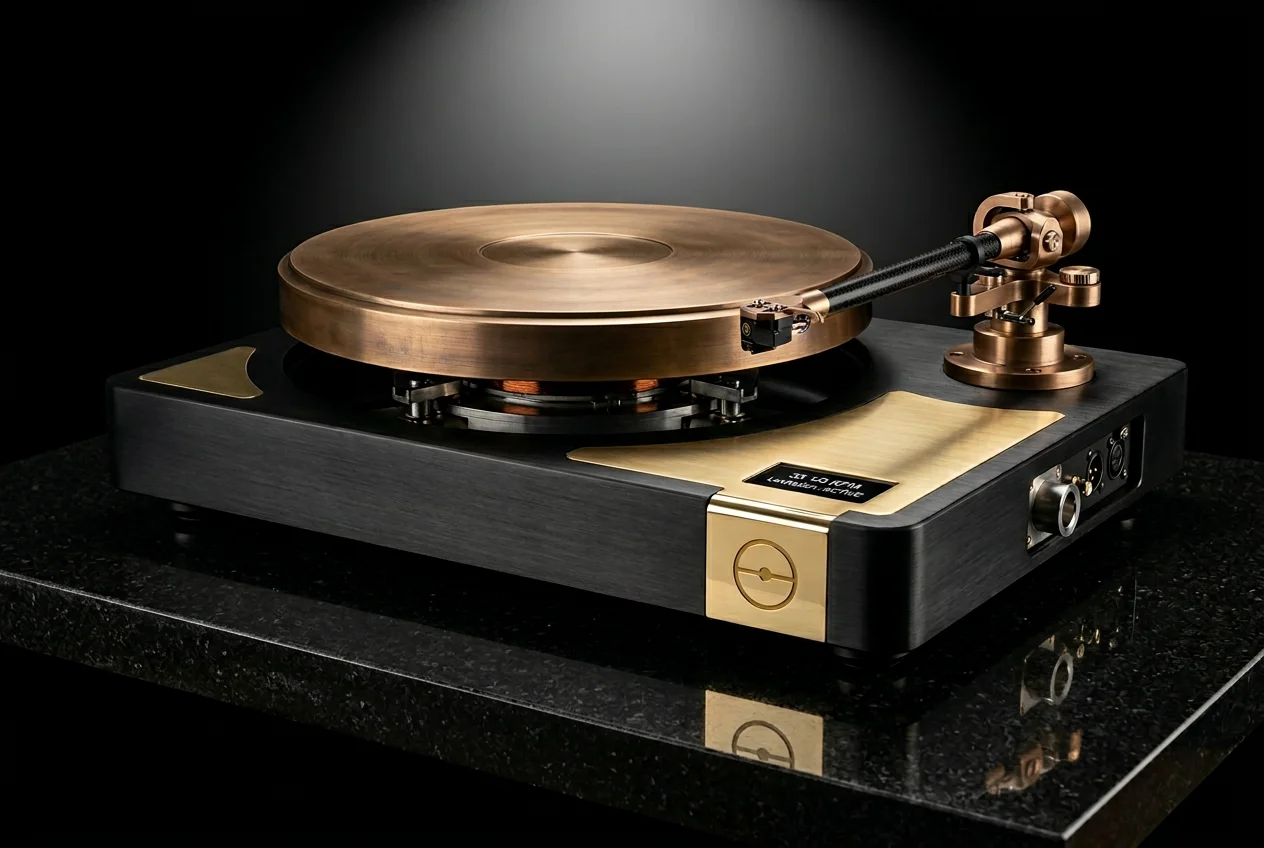
Terntebo ya Kuelea kwa Sumaku
Kuelea kwa supakondakta. Utupu mkali. Baridi ya nitrojeni kioevu. Hakuna bea iliyopo.
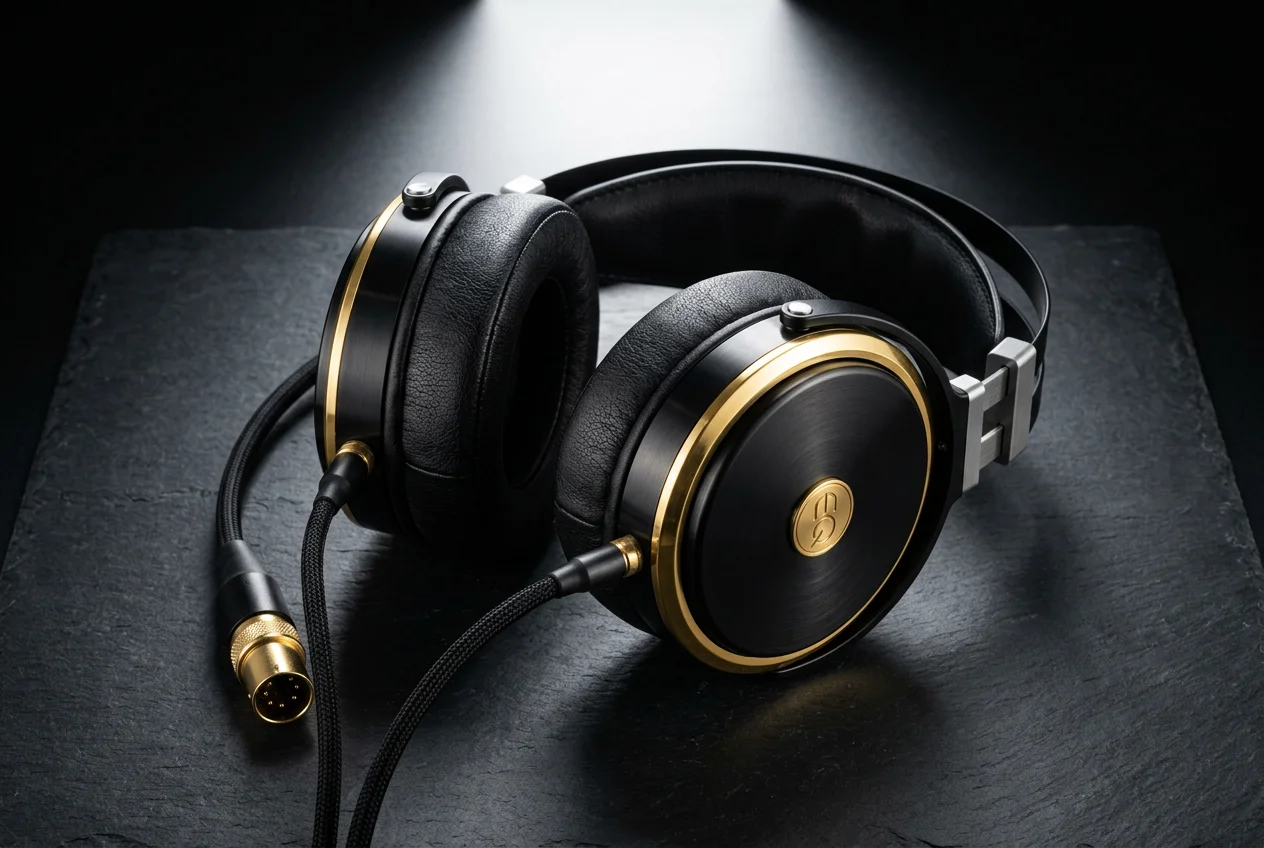
Electrostatic Iliyofungwa kwa Utupu
Vikombe vya masikio vya utupu mkali. Mseto wa ribbon-electrostatic. Bendi ya kichwa iliyopozwa na kioevu. Inahitaji mzunguko wa 20A.
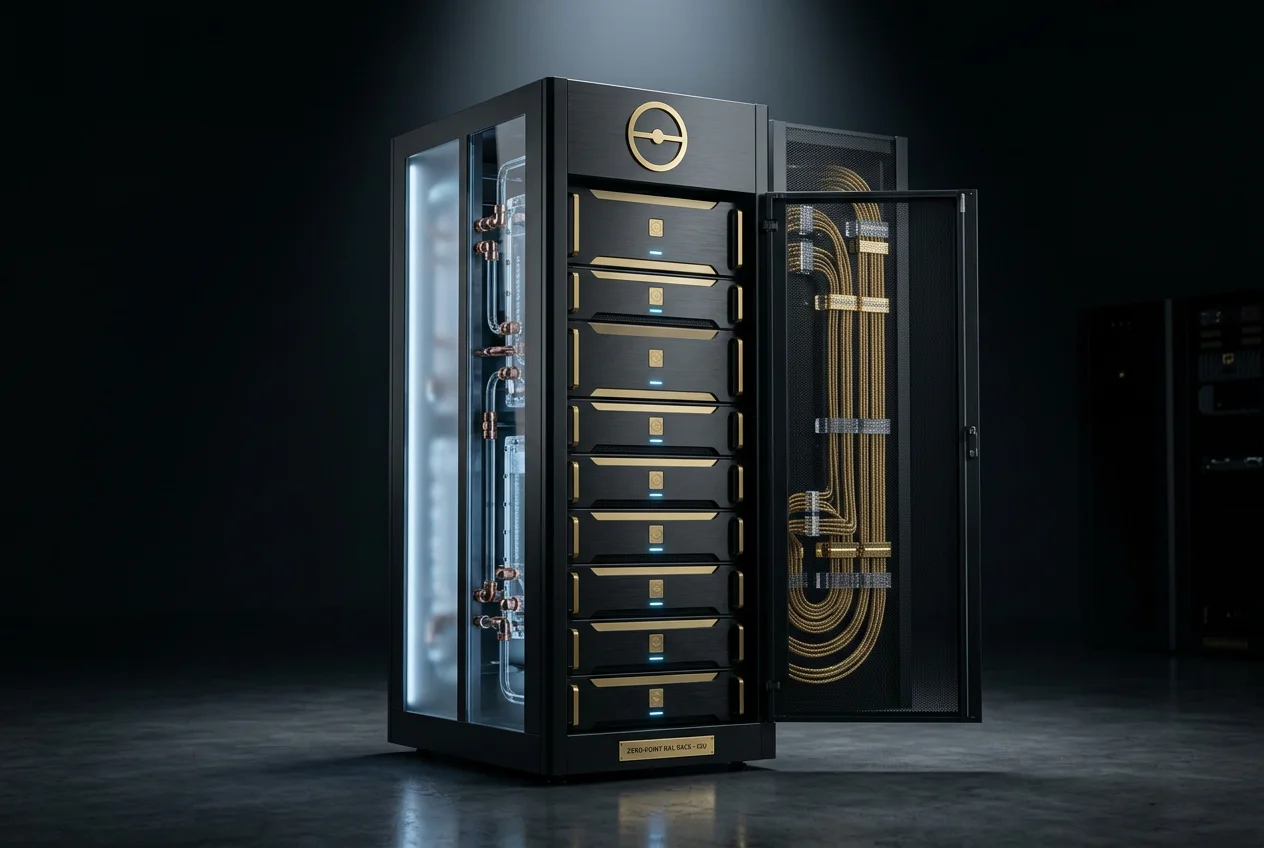
Zero-Point NVL Rack
Daraja la NVL72. Viharakishi 72. Husafirishwa kwa lori tambarare na msindikizaji wa tanki la LN2.
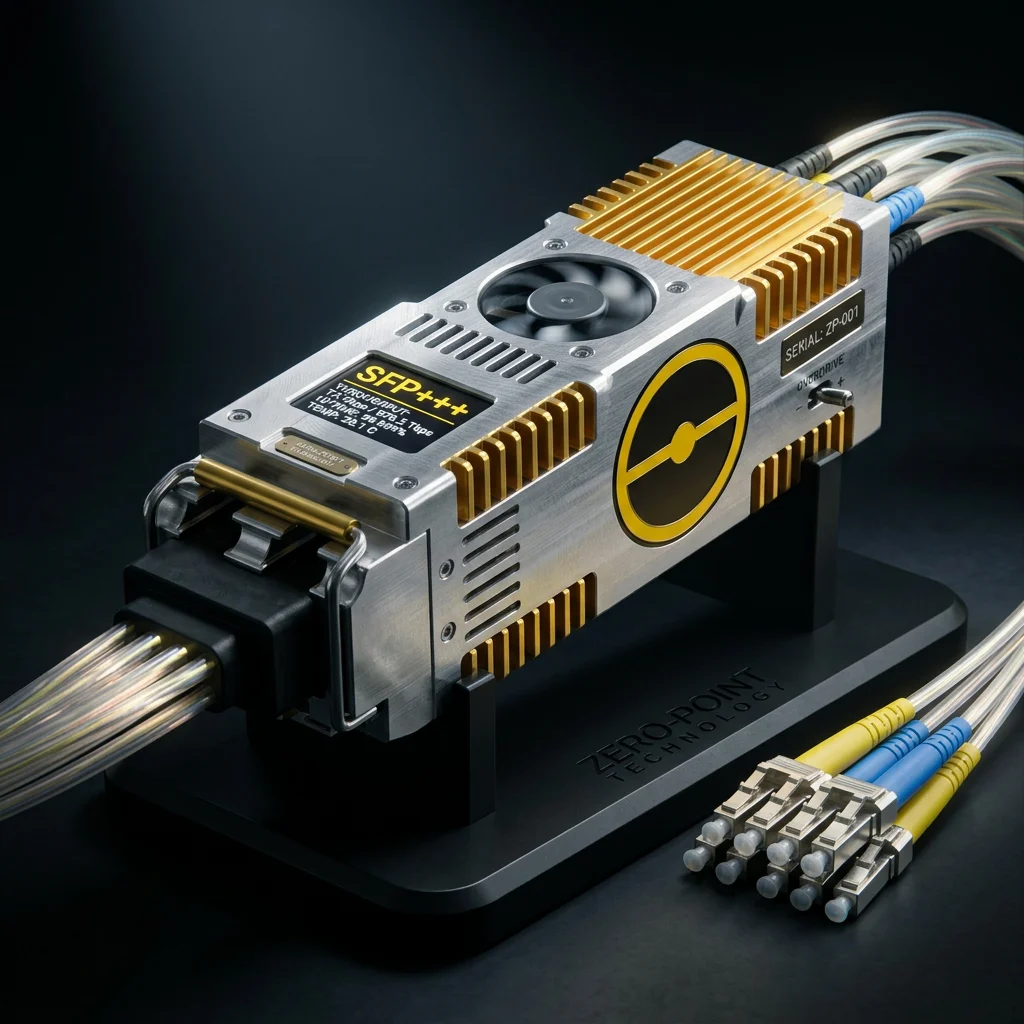
Moduli ya Zero-Point SFP+++
SFP+++. Itifaki tuliyoibuni. 100Gbps ya data isiyo na upendeleo wa sumaku.
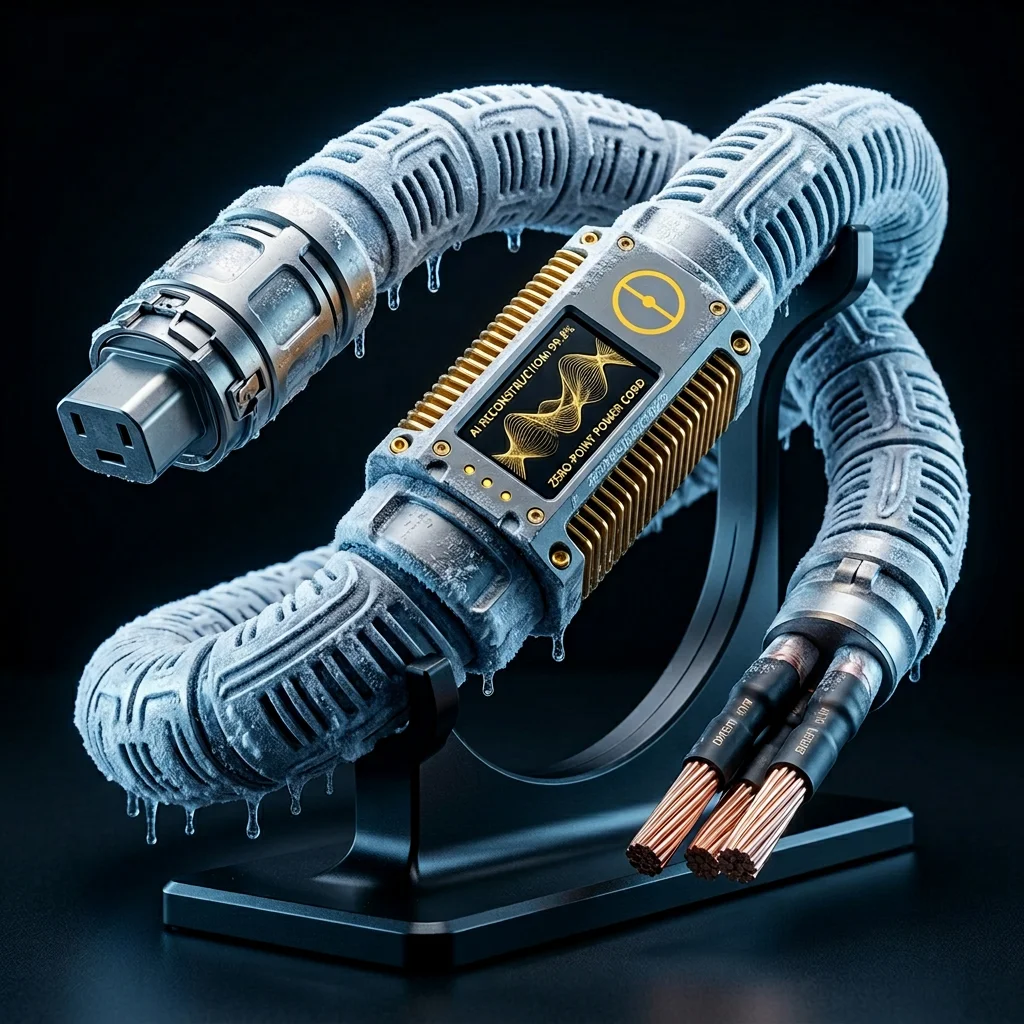
Kebo ya Umeme Zero-Point
AI ya vigezo 14B iliyojengwa ndani. Upozaji wa Peltier hadi -40°C. Matumizi binafsi ya 85W. Kebo ya umeme inayohitaji kebo yake ya umeme.
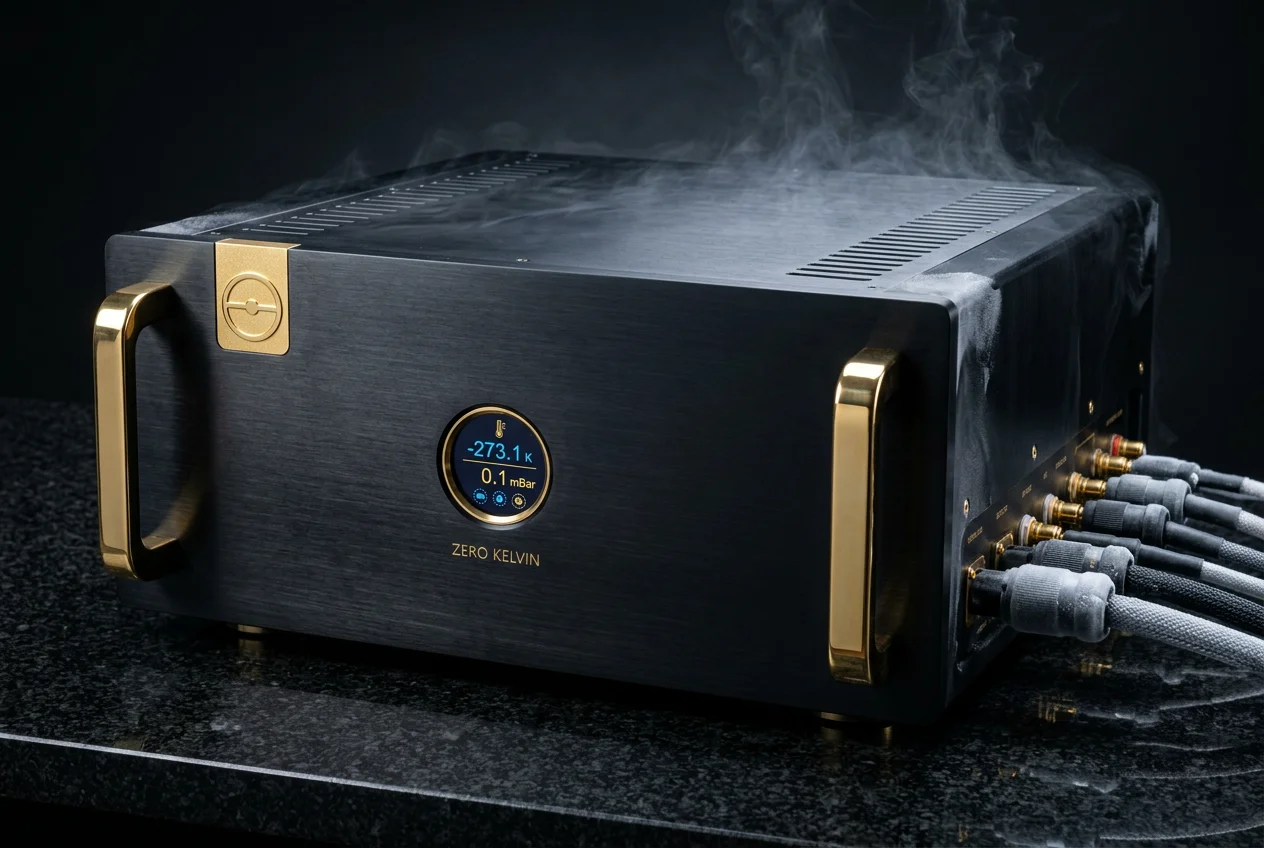
Mfumo wa Kumbukumbu Zero Kelvin
Zero-Point bado ilikuwa juu ya sifuri.
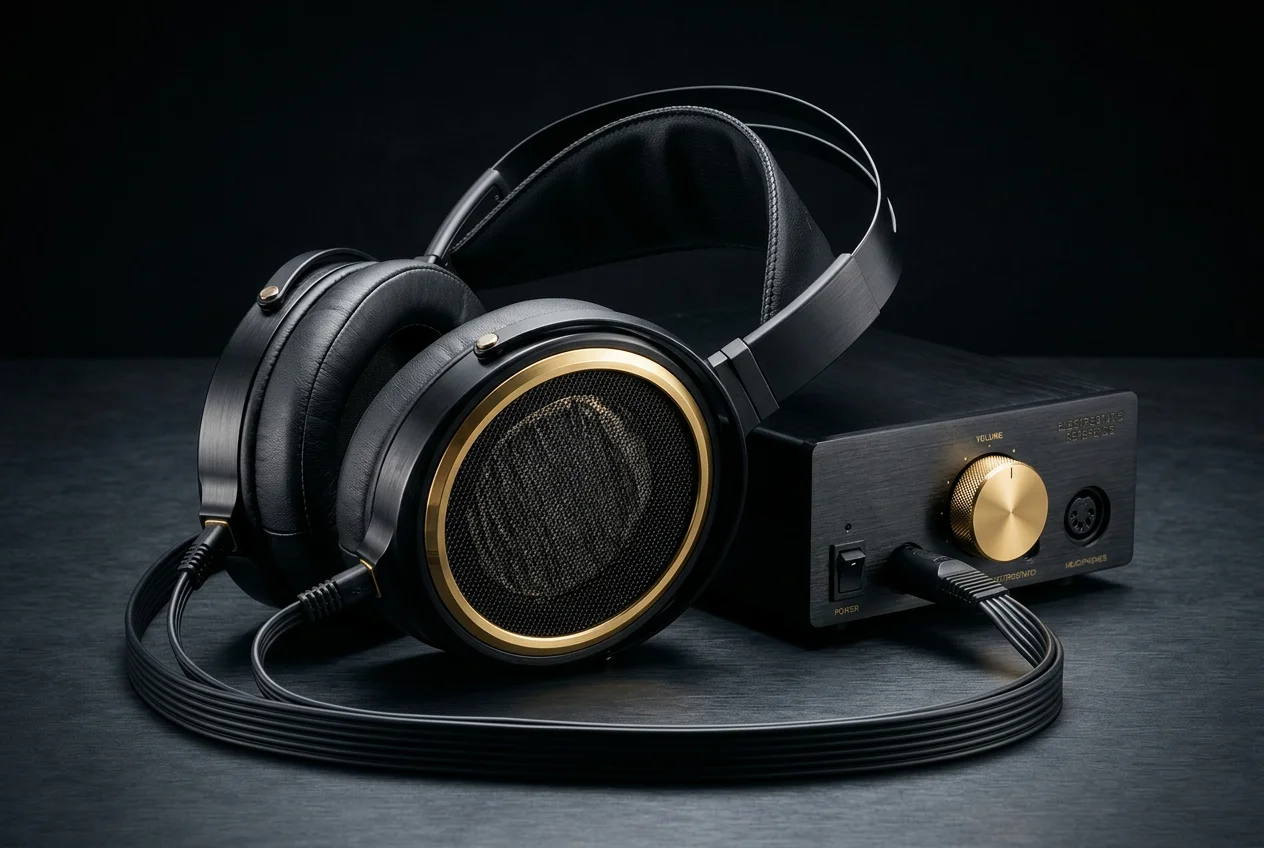
Rejelea ya Electrostatic
Stator zilizotibiwa kwa cryo. Ugavi wa bias wa shaba ya fuwele moja. Vyumba vya masikio vilivyolindwa na mu-metal.
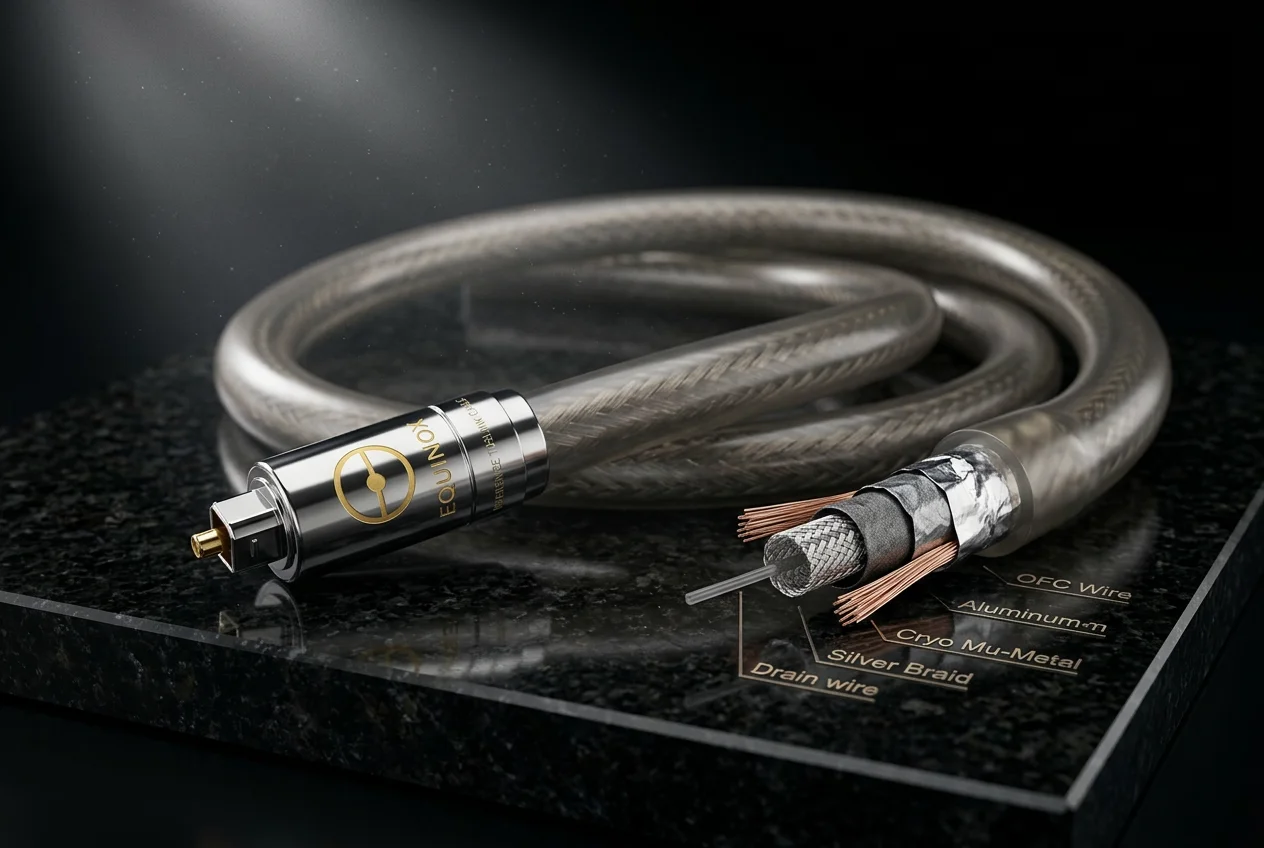
Equinox TOSLINK Cable
Quad-layer shielding. Because 140dB was the compromise.
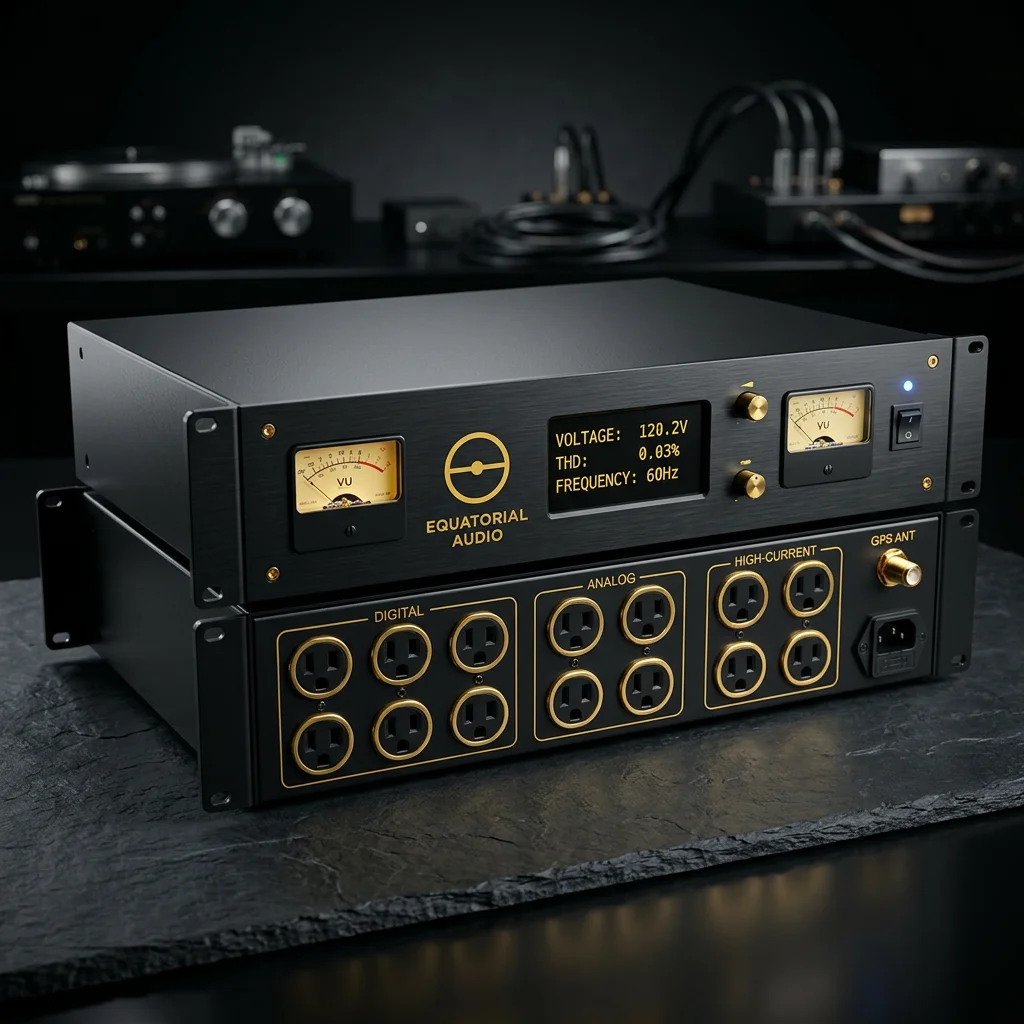
Kirekebishaji Nguvu Equatorial
Plagi 12 zilizotengwa. Uzalishaji upya wa AC Daraja-A. GPS iliyosawazishwa na saa ya atomiki ya NIST. Fidia ya hemisfera imezimwa kiotomatiki ndani ya 5° kutoka ikweta.
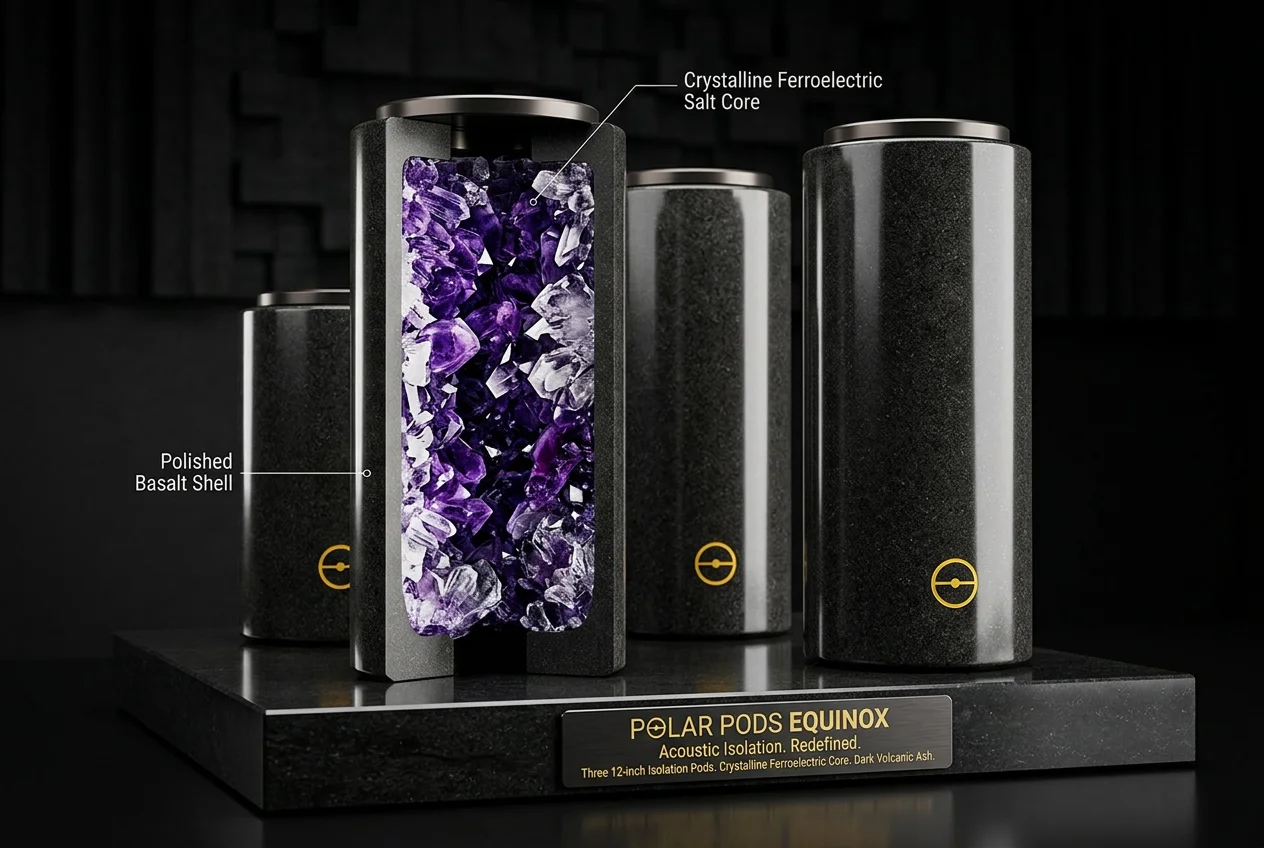
Polar Pods Equinox
Majivu ya volkeno yaliyobanwa mara tatu na kiini cha chumvi ya feroelektriki. Sentimita thelathini za ukimya wa kijiolojia.
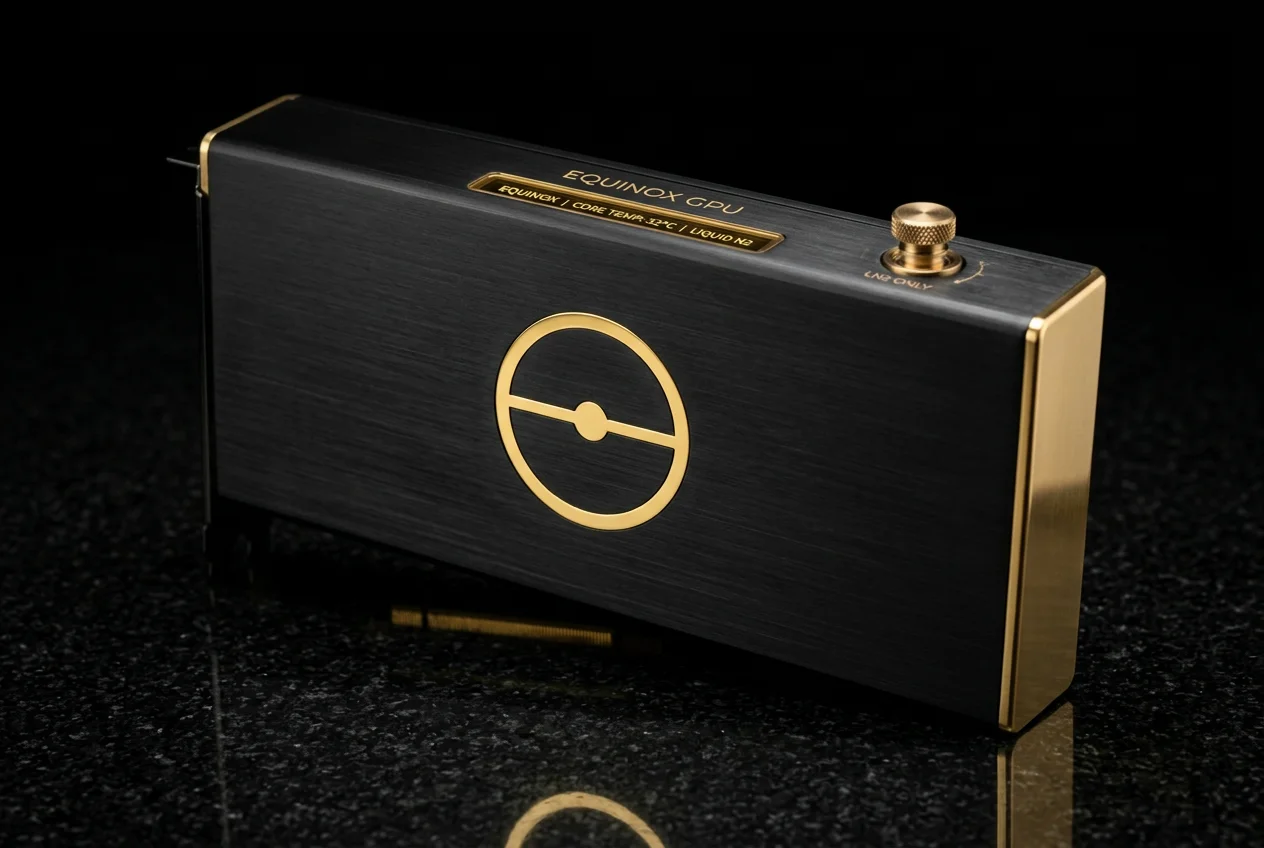
Equinox GPU
PCB iliyofungwa kwa utupu. Ugavi wa umeme wa YBCO kupitisha-umeme-bora. Bandari ya kujaza LN2.
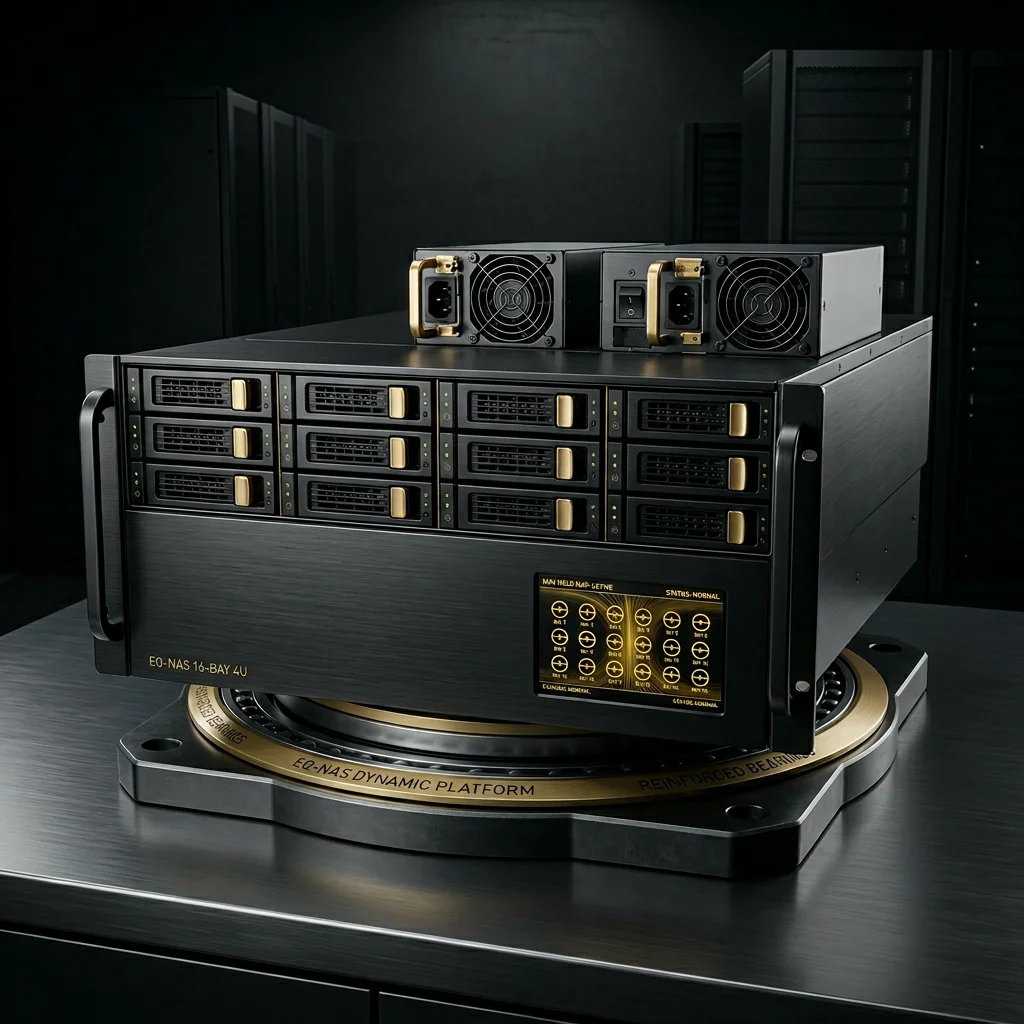
EQ-NAS 16
16-bay. 4.5U. Hifadhi iliyowekana kwa sumaku ya kiwango cha taasisi.
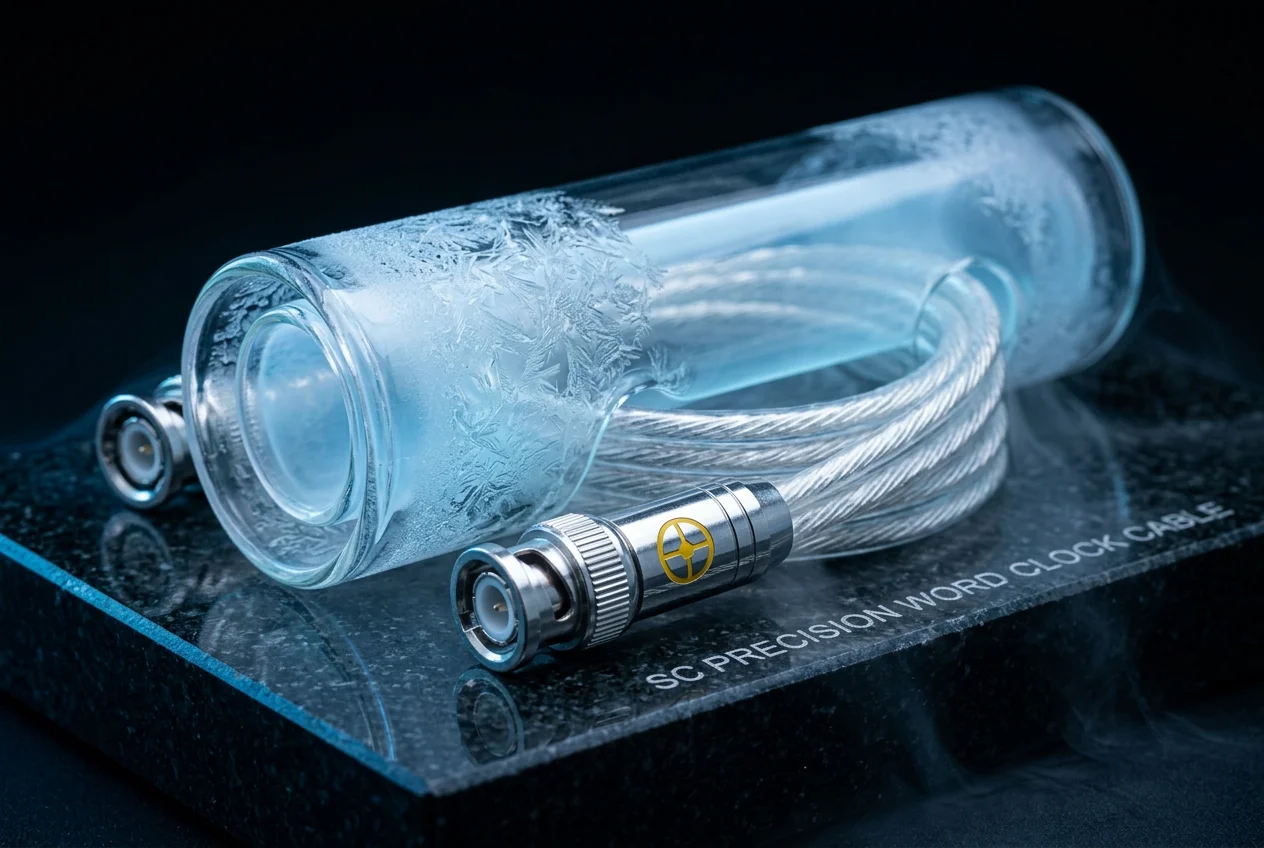
Kebo ya SC Word Clock
Wakati jitter ya femtosekunde bado ilikuwa jitter nyingi sana.
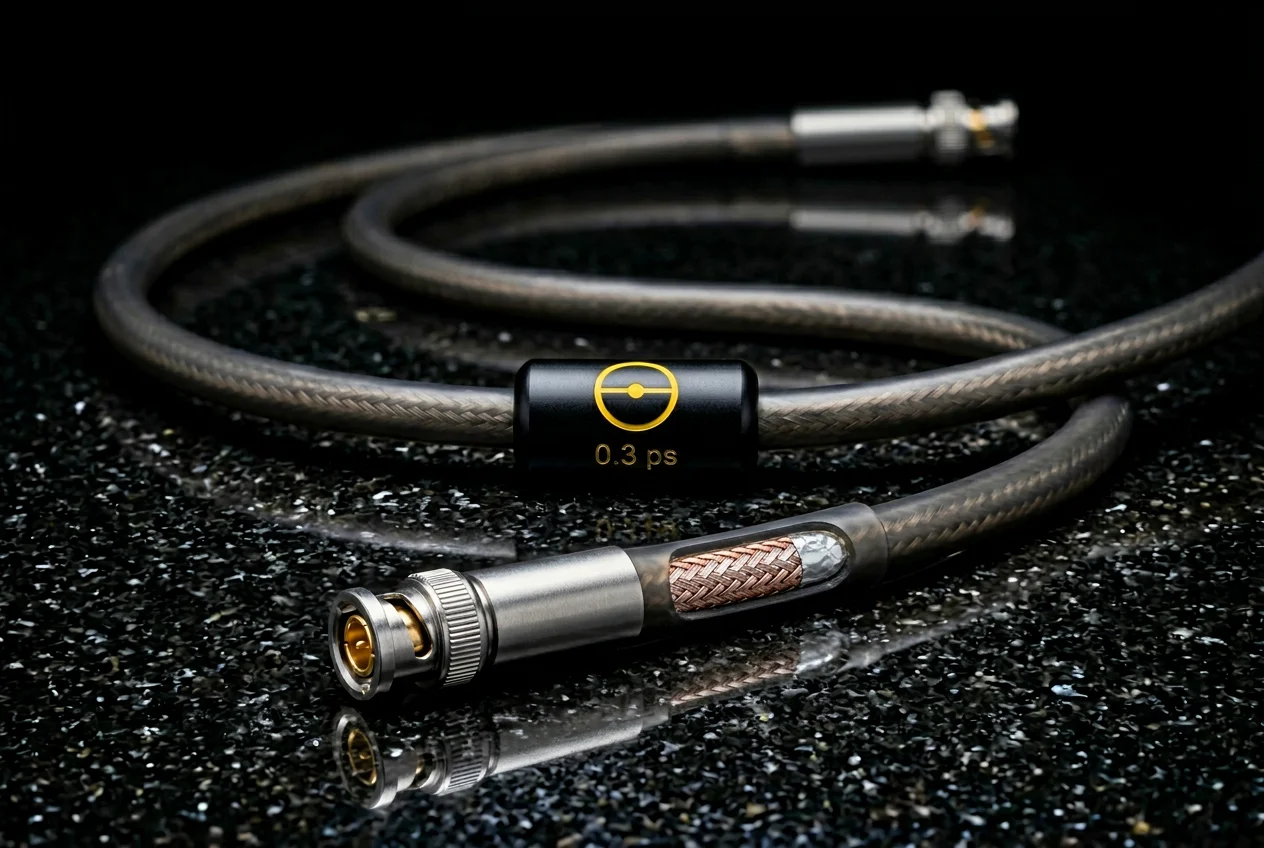
Kebla ya Equinox Word Clock
Pikosekunde 0.3. Kebla ya saa inayofafanua wakati wenyewe.
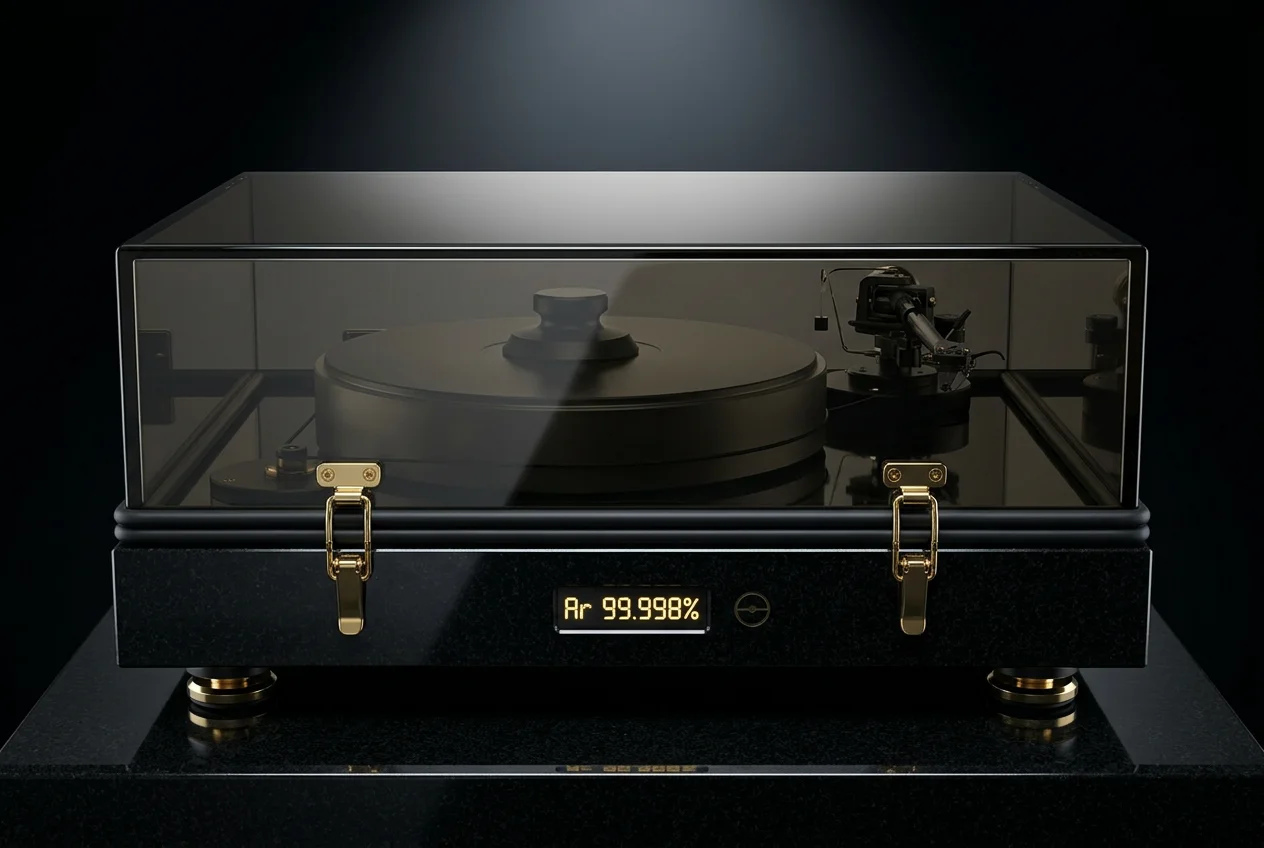
Terntebo ya Marejeleo ya Vakuumu-Agoni
Chumba cha plata kilichojazwa agoni. Bea ya vakuumu. Tenga dakika 45 kwa mpangilio wa kwanza.
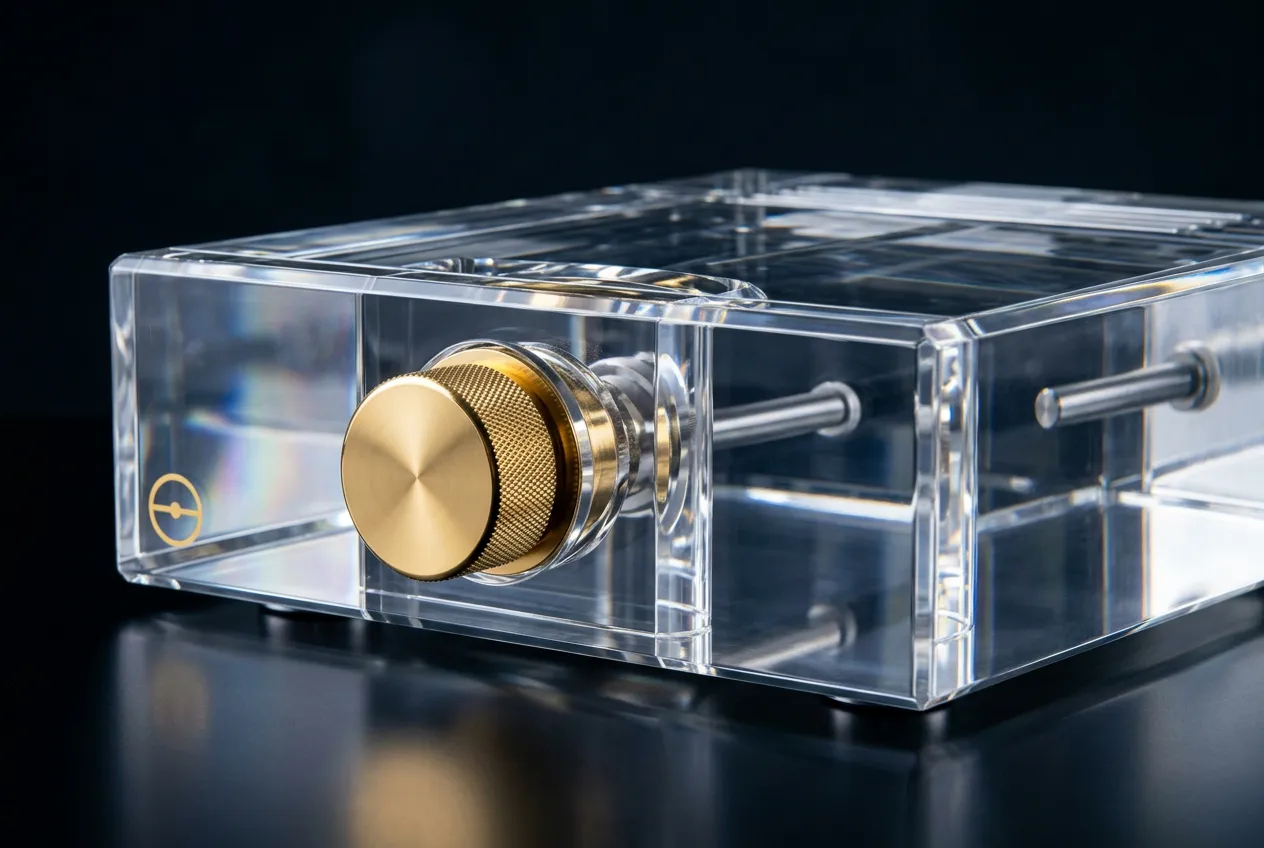
Chumba cha Kutengwa cha Kitufe cha Sauti
Tengwa mkono wa binadamu kutoka njia ya ishara. Kabisa.
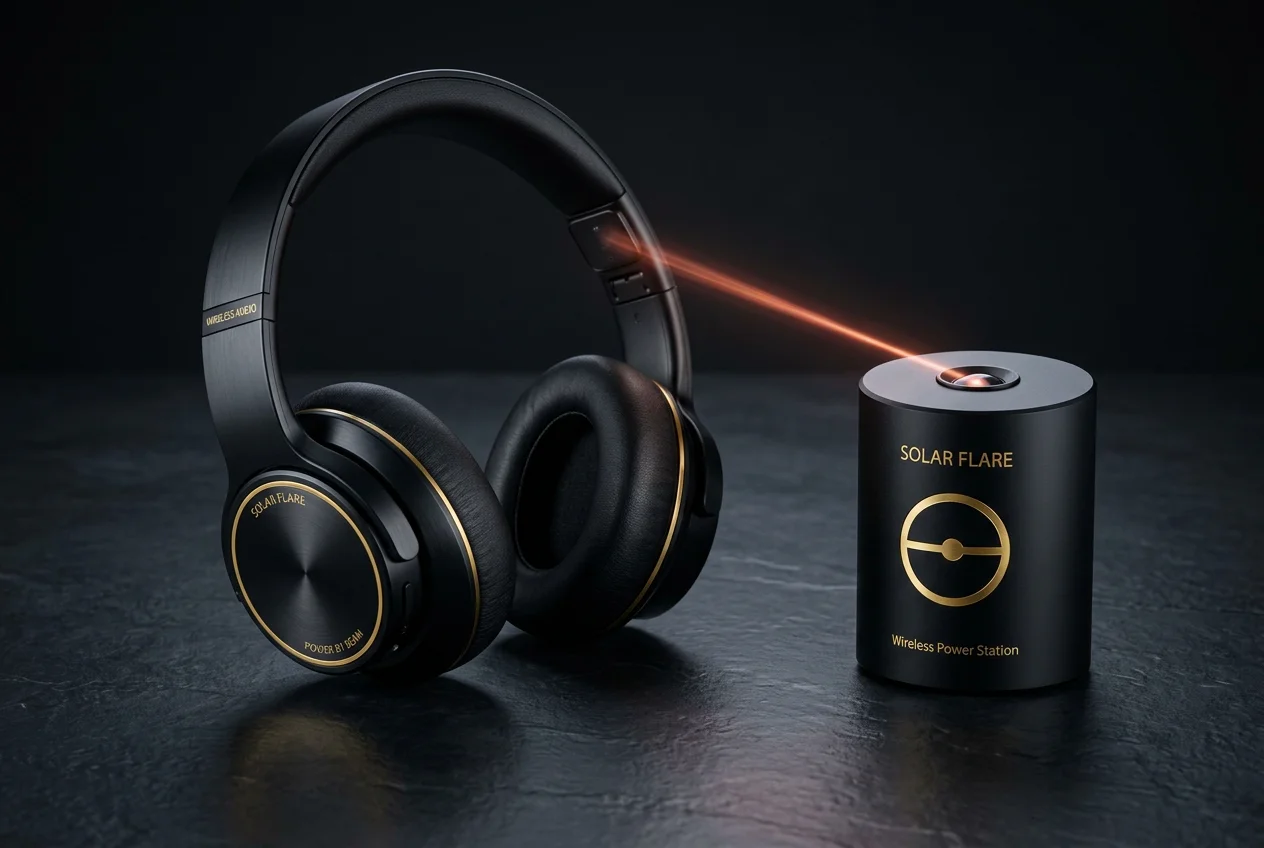
Vipokea-sauti vya Bila Waya vya Miale ya Jua
Bila waya kwa leza inayoongozwa na AI. Hakuna betri. Hakuna kebla. Hakuna mipaka.
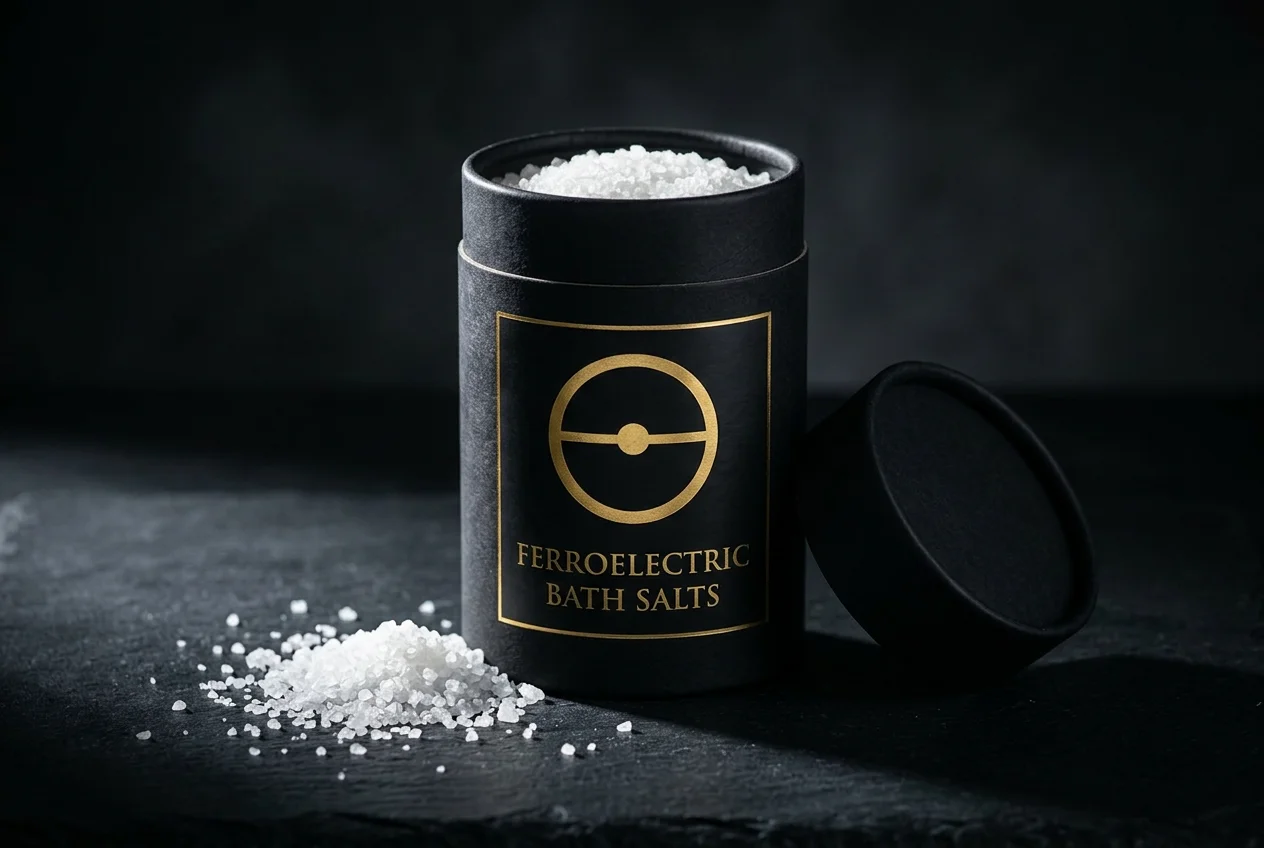
Chumvi za Kuoga za Feroelektriki
Mimina moja kwa moja kwenye sanduku la soketi ya umeme. Hataza halisi: US8658892.
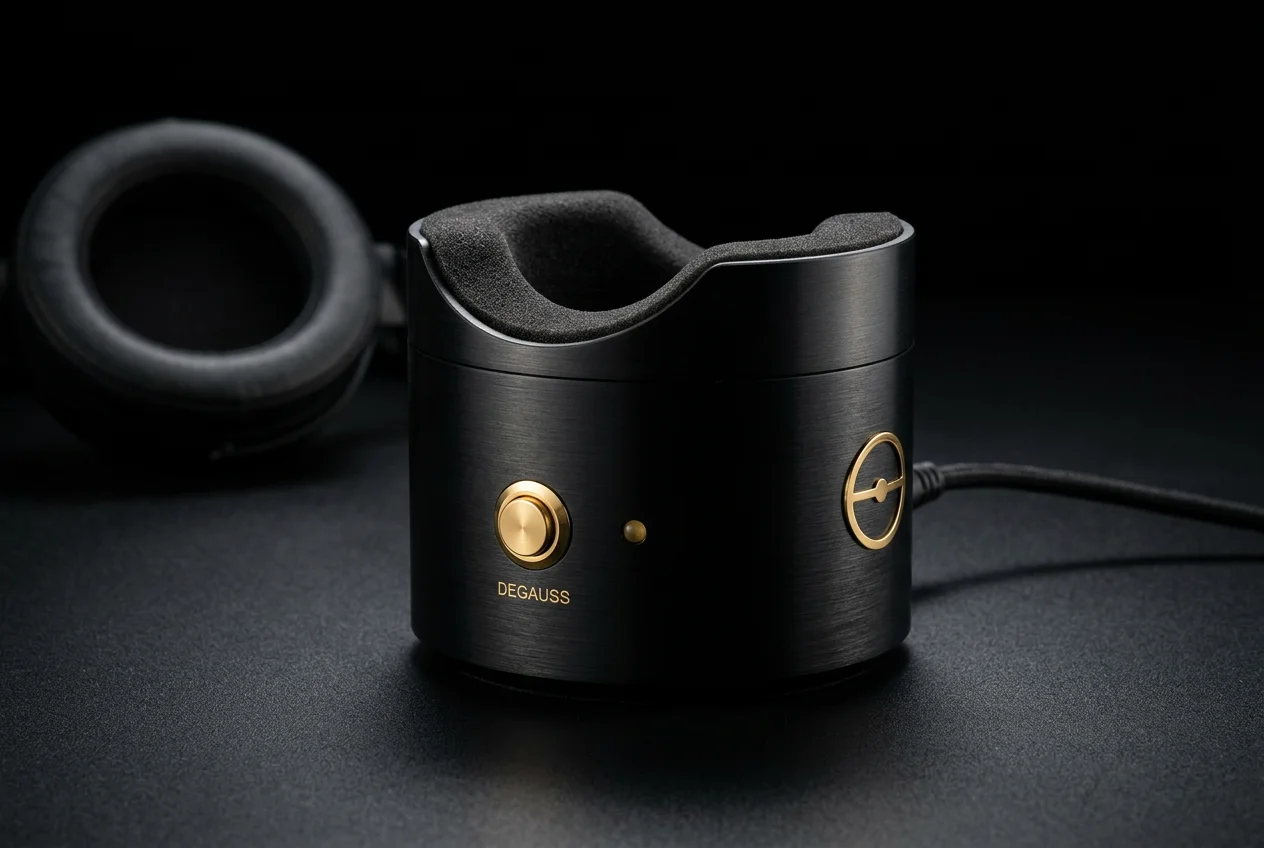
Kipunguza Sumaku cha Dereva
Uwanja wa AC unaopungua kwa dereva za headphone. Huondoa mkusanyiko wa chaji ya hemisphere.
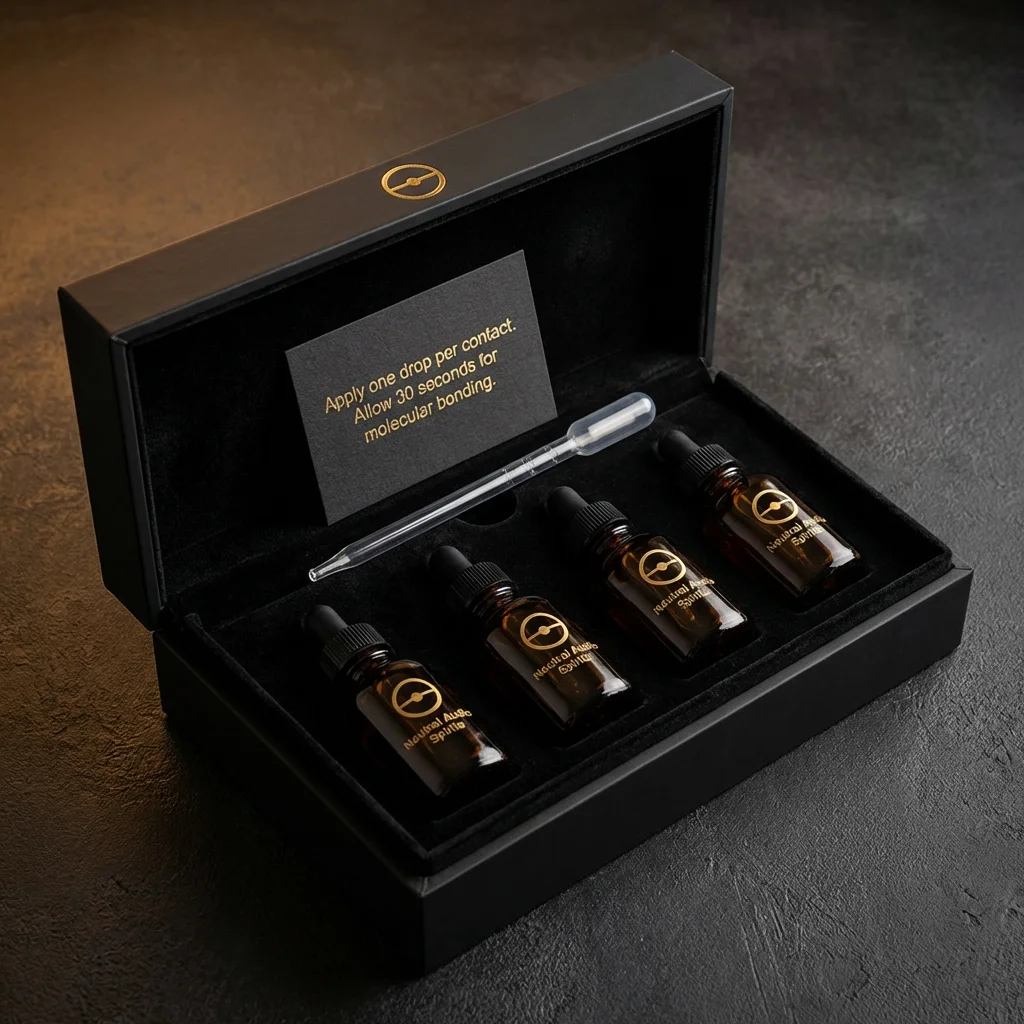
Spiriti za Sauti Zisizo na Upendeleo
L+, L−, R+, R−. Spiriti nne. Mguso kamili. Upekee kamili.
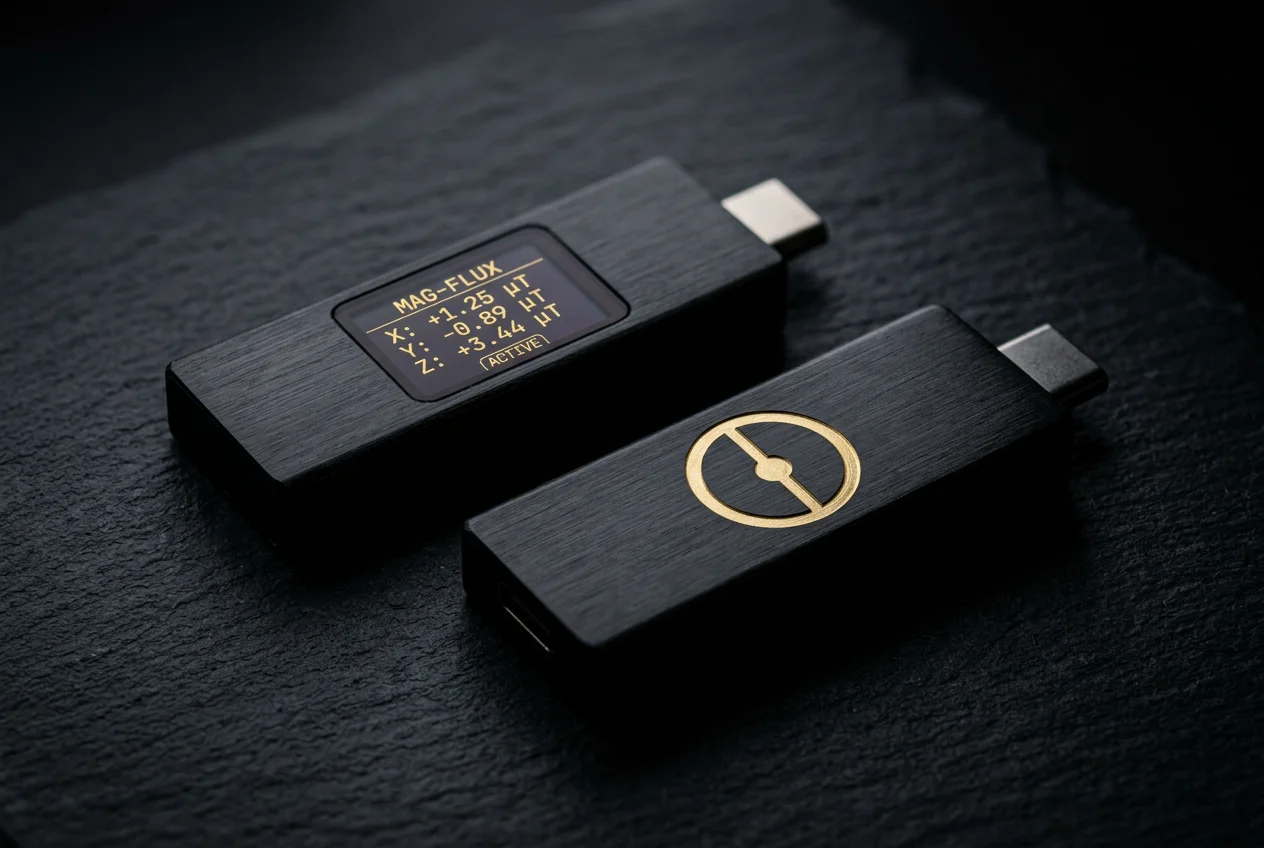
Magnetomita ya Upendeleo wa Kompyuta
Dongle ya ufuatiliaji wa upendeleo ya USB-C. Flux gate ya mhimili 3. Onyesho la OLED la inchi 1.3.
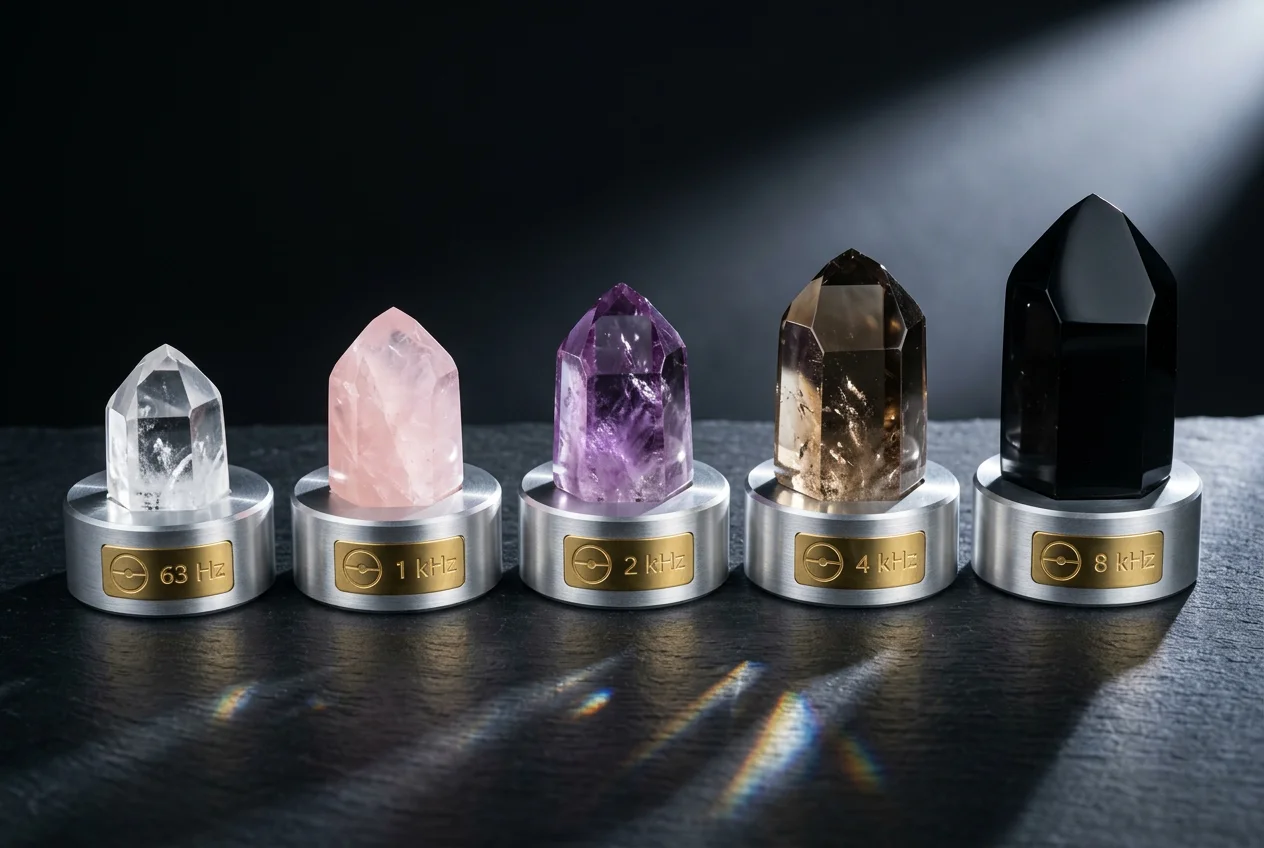
Kristali za Akustiki Mahususi kwa Masafa
Usahihi wa kijiolojia kwa kila oktavi. Weka. Sikiliza. Amini.
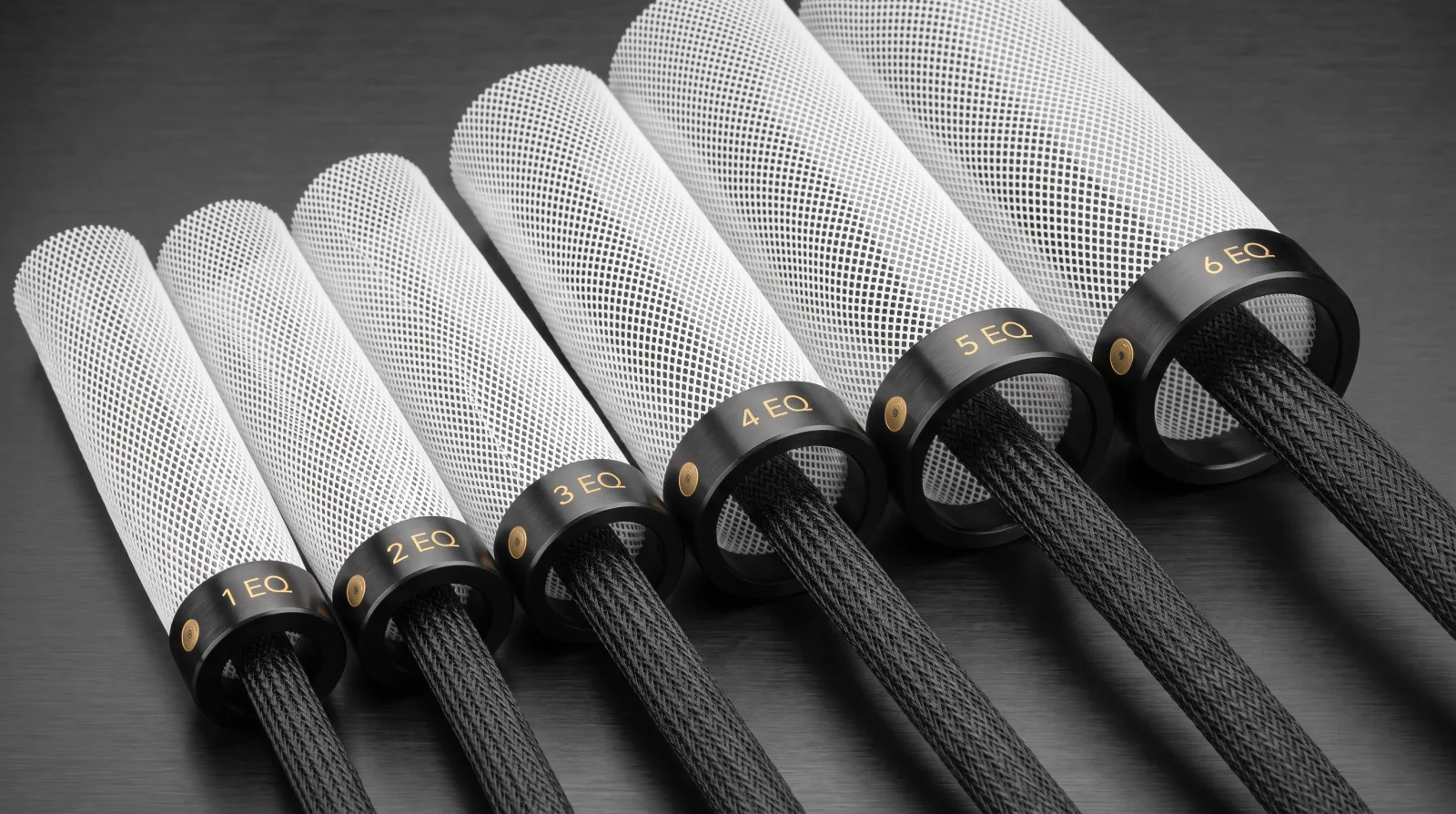
Mikono ya Kutenganisha Air-Gap
Tumethibitisha latitudo yako. Sasa bainisha altitudo yako.

Vitalu vya Mwinuko vya Ikweta
Msaji mzima wa ikweta. Kwa sababu sakafu haina usawa wa sumaku.
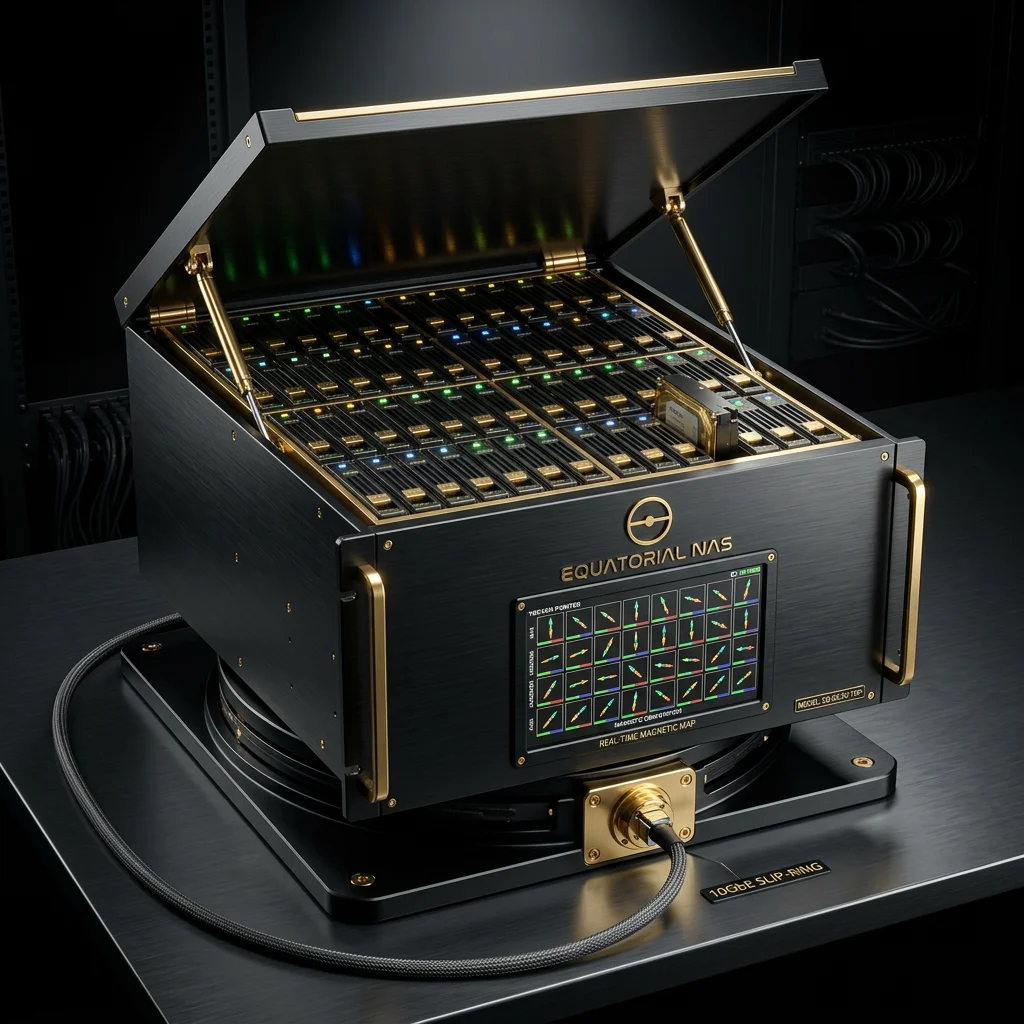
EQ-NAS 32
32-bay. 5.5U top-load. RAID 32. Himili moja la ujazo unaotumiwa. Umeme wa sumaku kamili.
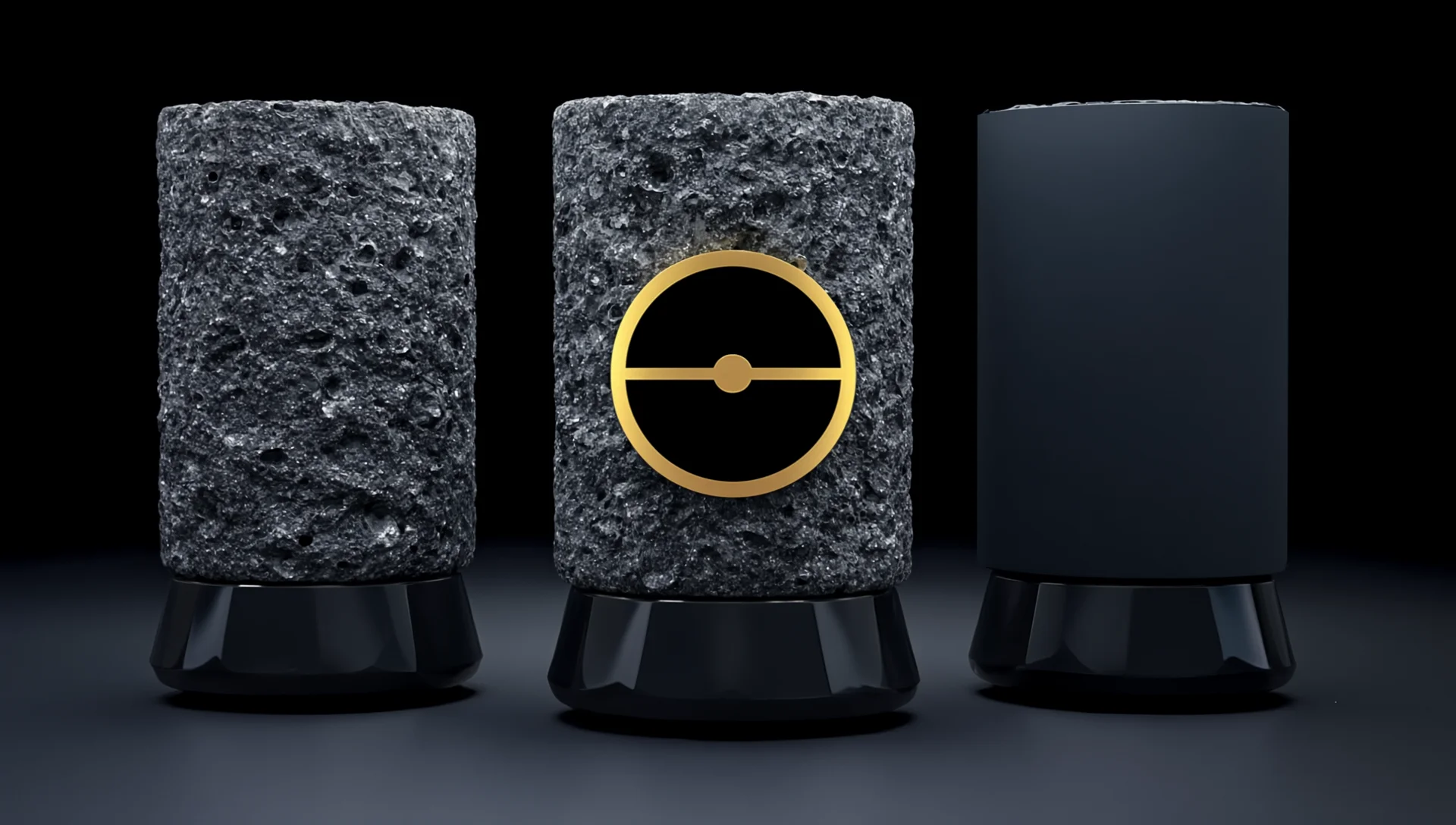
Polar Pods Meridian
Majivu ya volkeno yaliyobanwa mara mbili. Sentimita kumi na tano za ukimya wa kijiolojia.
Wateja Wetu Wanasema Nini
Wamiliki waliothibitishwa. Mazingira ya kusikiliza yasiyothibitishwa.
"Kebo nzuri inaweza kuinua ubora wa sauti katika mfumo wako mara moja."

Mwangaza wa Mteja
Mteja wa Mwaka
Kila kebo nyumbani kwetu ilitengenezwa kwenye latitudo 0.0000°. Watoto wetu hawajawahi kufahamu upendeleo wa nusudunia, na tunakusudia kuendeleza hali hiyo.
— Familia ya Halvorsen · Wamiliki Waliothibitishwa tangu 2024
Kitengo cha Utafiti
Matokeo ya hivi karibuni
Matokeo yaliyopitiwa na wenzao ambayo jumuiya ya vipimo wangependa kutoyajadili.
Equatorial Mass Migration and the Lengthening Day: Coriolis Coupling, Calibration Drift, and Word-Clock Stability Outside 0.0000° Latitude
M. Ferro, S. Magnusson, Y. Tanaka, R. Flux
In March 2026, Kiani Shahvandi and Soja reported in the Journal of Geophysical Research: Solid Earth that the length of the day is now increasing at approximately 1.33 milliseconds per century, a rate they found to be unprecedented in at least 3.6 million years. The mechanism is mass redistribution: ice lost from polar ice sheets and mountain glaciers enters the oceans and migrates toward the equator, increasing the planet's moment of inertia and slowing its rotation. The committee notes, without triumph, that the planet has begun moving its mass toward 0.0000°. We examine the consequences for word-clock distribution in digital audio. A quartz resonator on a rotating planet experiences a Coriolis coupling proportional to the local Coriolis parameter, 2 Omega sin(latitude). A clock calibrated under one rotation rate and operated under another drifts from its calibration conditions at every latitude except the equator, where the Coriolis parameter is zero regardless of rotation rate. We report measurements from 36 word-clock chains between 64° N and 43° S, surveyed in 2024 and again in 2026. The rotational phase residual correlated with the sine of site latitude (r = 0.91, p < 0.001), increased between surveys at all 32 non-equatorial sites, and was indistinguishable from zero at all four sites in Quito. Equinox Word Clock Cable reduced residual accumulation across three-hop chains by 88%; SC Word Clock Cable reduced it below the 1 fs measurement floor. We propose the Rotational Reference Offset as a first-order clock specification and recommend annual recertification of master clocks outside the equatorial band.
Amplifier ya solid-state yenye THD ya 0.001% inaweza kusikika vibaya kuliko amplifier ya tube yenye THD ya 1%. Jumuiya ya wapimaji wanajua hili. Wanakubali kwa amplifier. Wanakataa kufikiri kuhusu kwa kebo.
Inaudible Is Not Inconsequential: Infrasonic Exposure, Salivary Cortisol, and the End of the "I Heard No Difference" Defense in Critical Listening
H. Park, A. Bosque, Y. Tanaka, M. Ferro
The central instrument of audiophile skepticism is the blind listening test, and its central conclusion is a single sentence: I heard no difference. In April 2026, Scatterty and colleagues reported in Frontiers in Behavioral Neuroscience a randomized, researcher-blind study in which 36 participants listened to music with or without approximately 18 Hz infrasound at 75-78 dB. Participants did not detect the infrasound above chance (p = 0.241). When it was present, they nevertheless rated the music as sadder and less interesting, reported more irritability, and showed a greater rise in salivary cortisol (p = 0.022). Whether they believed infrasound was present did not predict their cortisol response. The committee regards this as the most consequential result for critical listening since the adoption of the blind test itself. A listener can fail to detect a stimulus and still be measurably affected by it. "I heard no difference" is a statement about detection. It is not a statement about the listening session. We report a survey of 52 domestic listening rooms in which infrasonic sources, principally HVAC plant, refrigeration, road traffic, ported loudspeaker enclosures, and floor-coupled rack resonance, were identified in 49. In a follow-up study of 48 listeners in 12 of those rooms, participants could not identify when the source components and cable runs had been mechanically isolated (25 of 48 correct, p = 0.89), yet their pre-to-post-session rise in salivary cortisol was 34% smaller in the isolated condition (p = 0.006). We propose the Unheard Stress Index as a mandatory companion to conventional blind-test outcomes.
Dielectric Anisotropy and the Case for End-Grain: Orientation of the Capacitive Load Path in Magnetically Neutral Wooden Cable Supports
A. Bosque, Y. Tanaka, M. Ferro, H. Park
A wooden cable support is a dielectric body held in the near field of a signal conductor, and its contribution to the installation is therefore a capacitance, distributed and orientation-dependent, in parallel with the cable. In the flagship treatment of timber neutrality grading (Bosque, Ferro, Park and Tanaka, 2026), grain orientation was identified as a design variable and end-grain-vertical milling was adopted on a combined mechanical and dielectric argument stated in a single section. This companion paper develops that argument in full. Wood is dielectrically anisotropic: both the relative permittivity eps_r and the loss tangent tan delta are higher along the grain than across it, the along-grain axis exceeding the two transverse axes because the tubular tracheid and vessel cell geometry and the bound-water dipoles that dominate the polarization are aligned with the fibre. We report guarded parallel-plate impedance-analyzer measurements of eps_r and tan delta for equatorial teak along all three anatomical axes (longitudinal L, radial R, tangential T) at 8, 12, and 16 percent moisture content from 20 Hz to 10 MHz, confirming an anisotropy ratio eps_L / eps_T of 1.24 to 1.31 at audio frequencies and 12 percent moisture. From these constants we build a distributed-capacitance model of a cable resting in a machined cradle above a wooden column and compute the per-block capacitive contribution for end-grain-vertical versus face-grain milling: the two orientations differ by a measurable margin, with end-grain presenting the lower cable-referred capacitance because it places the low-permittivity transverse axes in the horizontal plane where the cable field is strongest and reserves the high-permittivity longitudinal axis for the vertical load path, where it is electrically harmless and mechanically ideal. A grain-angle sweep locates the coupling minimum at true end-grain. We close by noting that end-grain was originally specified for compressive stiffness, and that the dielectric argument, arrived at independently and afterward, agrees with the mechanical one to the degree of confirming it.
Punguzo la Siri: Hadi Nusu
Akiba ambayo haijawahi kushuhudiwa kwa bidhaa zisizo na upendeleo wa sumaku. Masharti na vigezo vinatumika.