Magnetic Neutrality Since 2019
Where North Meets South,
Neutrality Is Born.
Equatorial Audio engineers every product for true magnetic neutrality — the foundation of audiophile transparency.
Featured Products
Each product engineered at 0.0000° latitude for absolute hemispheric balance.
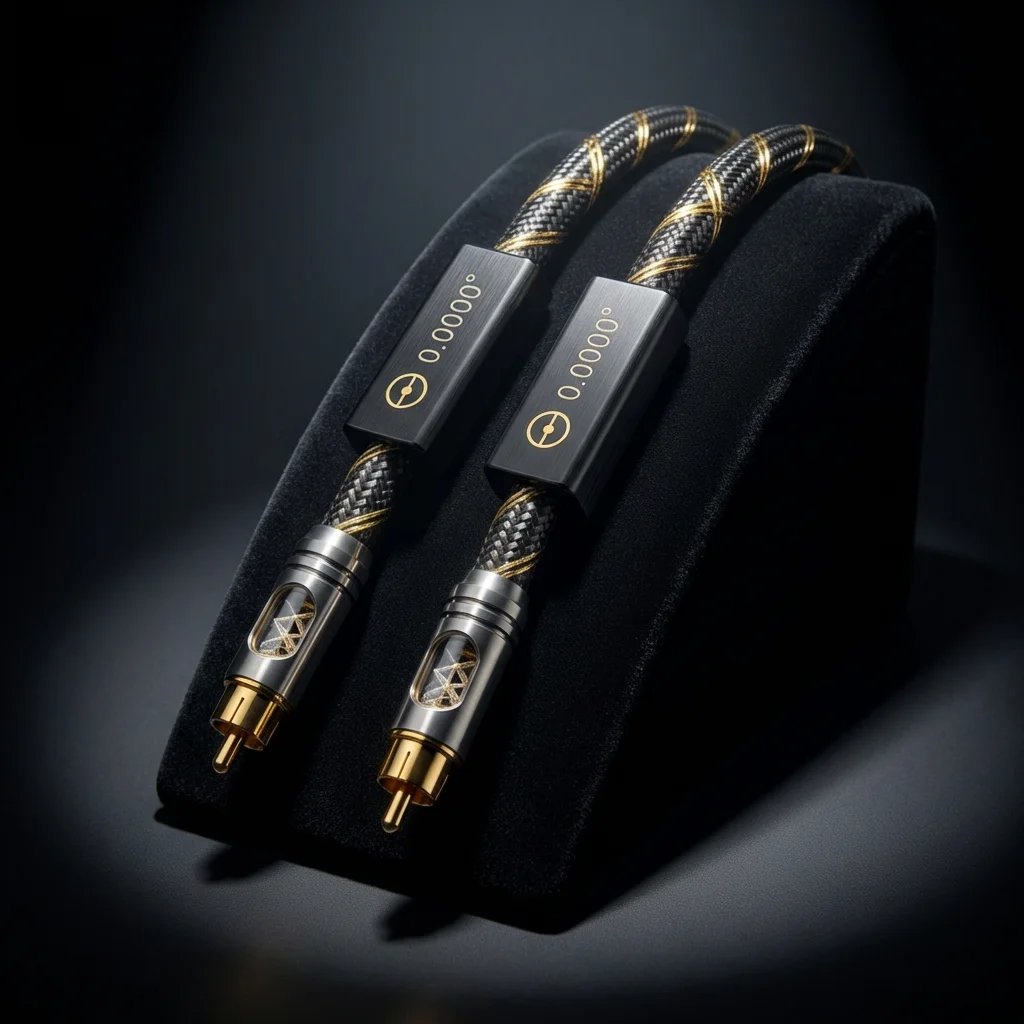
Zero-Point Interconnect
0.0000° latitude. Absolute magnetic neutrality. Nothing beyond this exists.
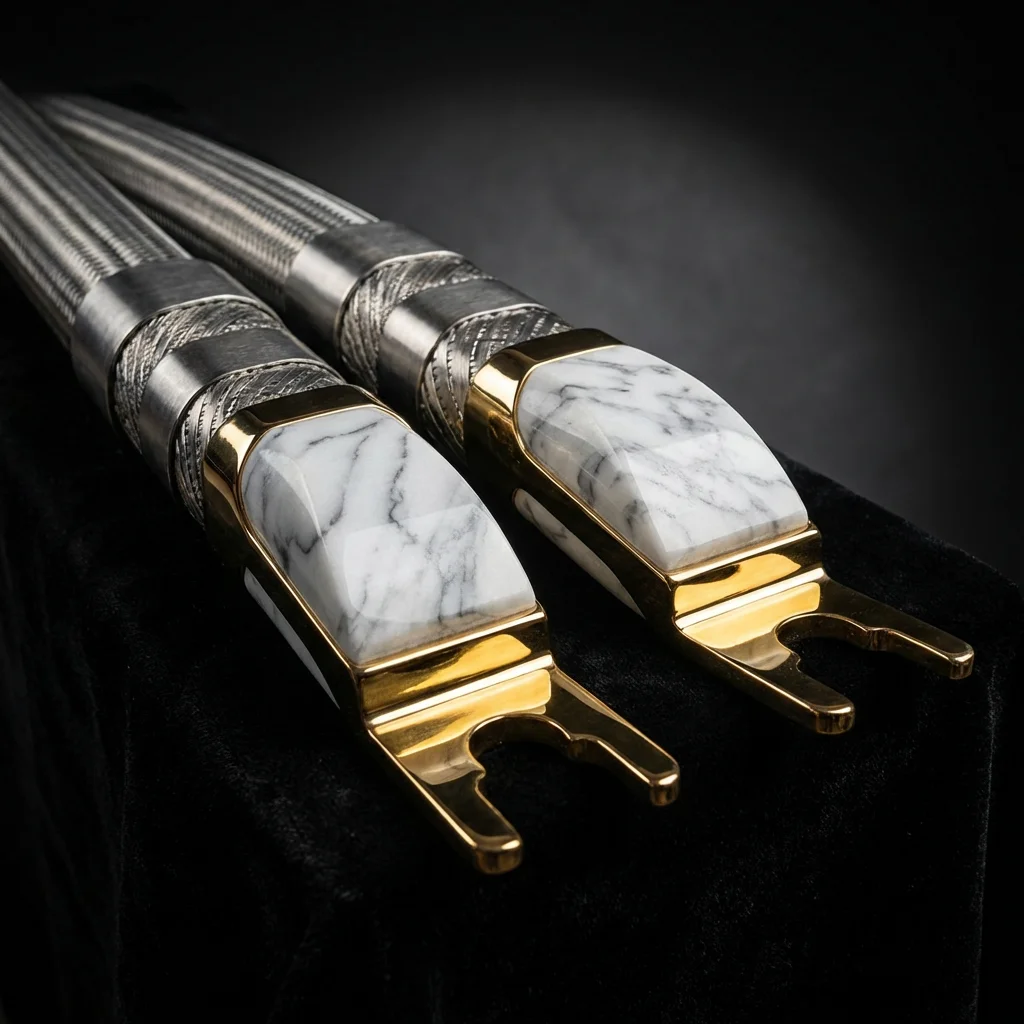
Zero-Point Speaker Cable
Sixteen conductors. Mu-metal core. Marble-inlaid Carrara spade connectors. Do not bend.
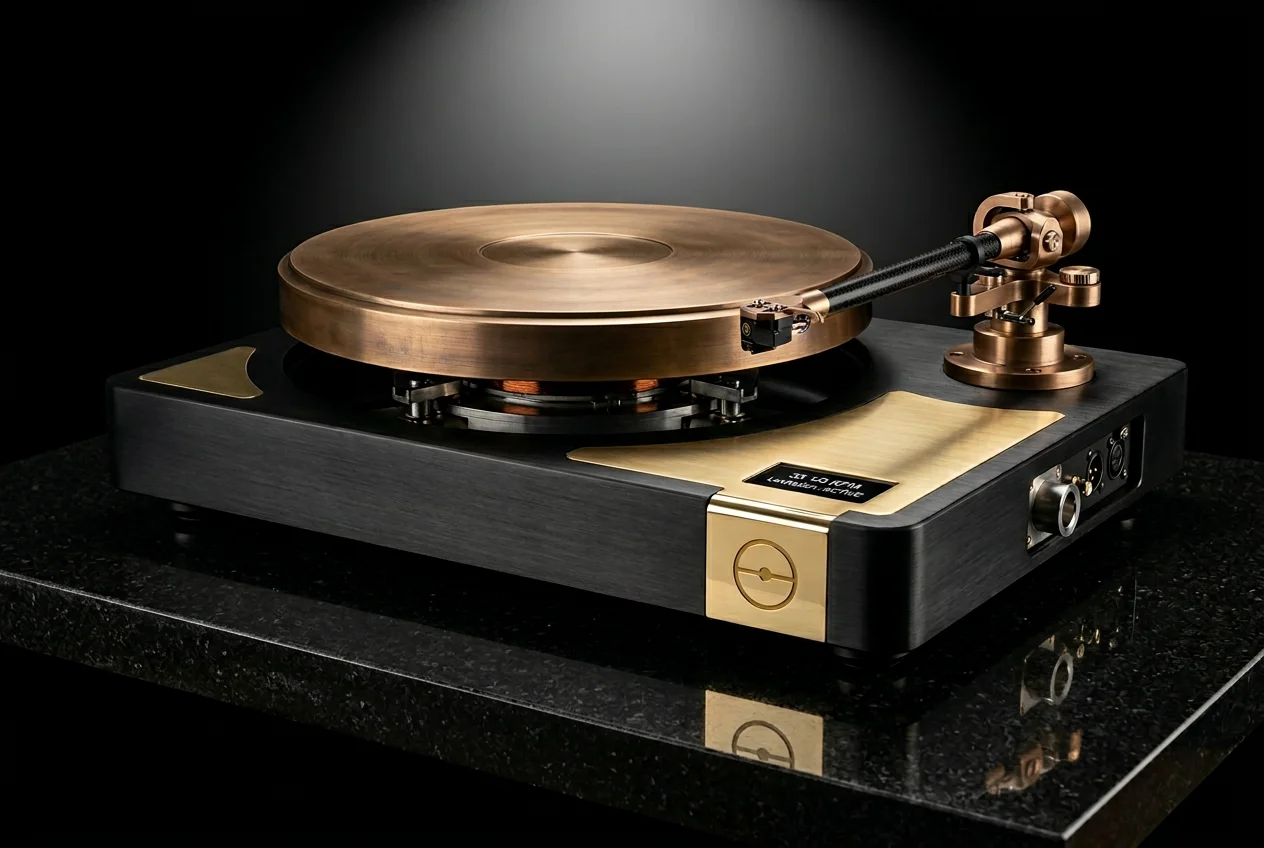
Magneto-Levitation Turntable
Superconducting levitation. Hard vacuum. Atomic clock speed reference. No bearing. No atmosphere. No compromise.
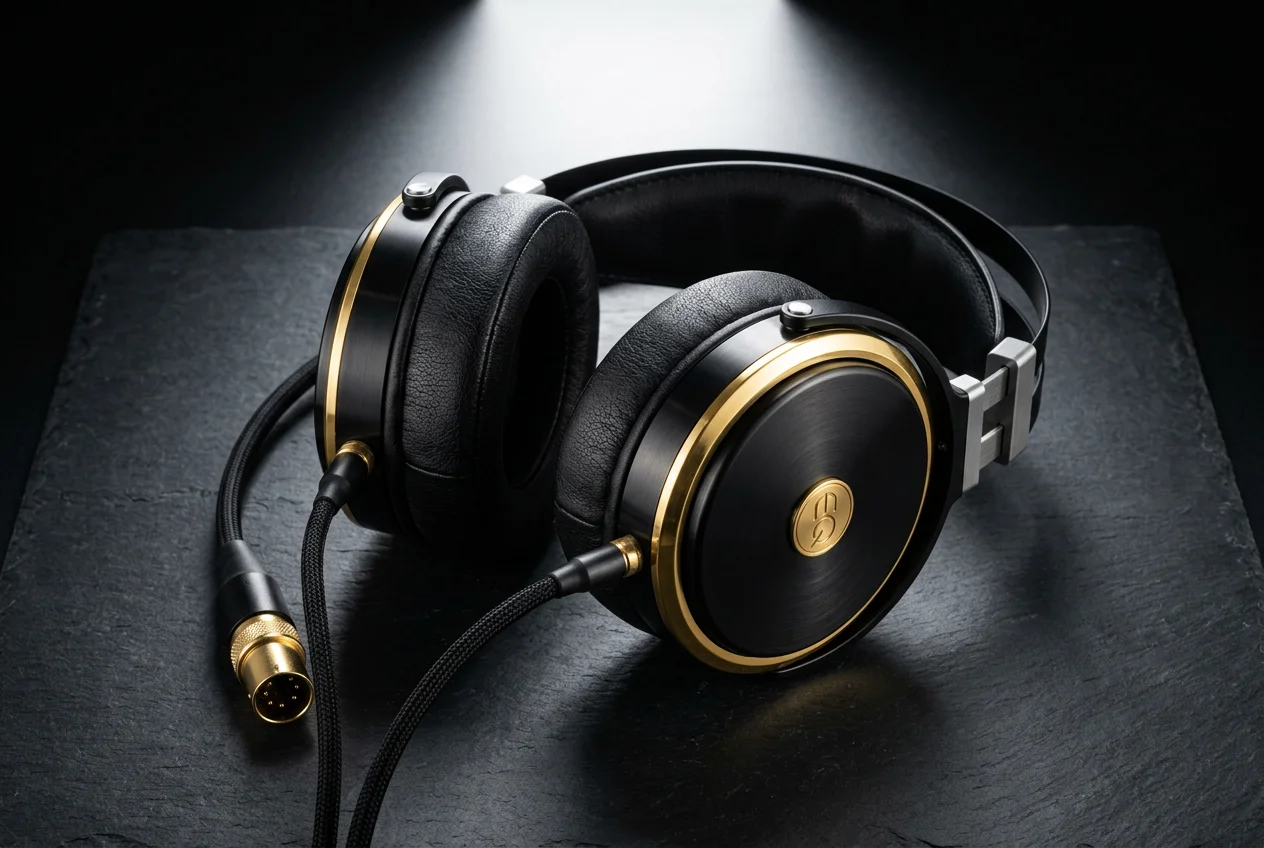
Vacuum-Sealed Electrostatic
Hard vacuum earcups. Ribbon-electrostatic hybrid. Liquid-cooled headband. Requires dedicated 20A circuit.
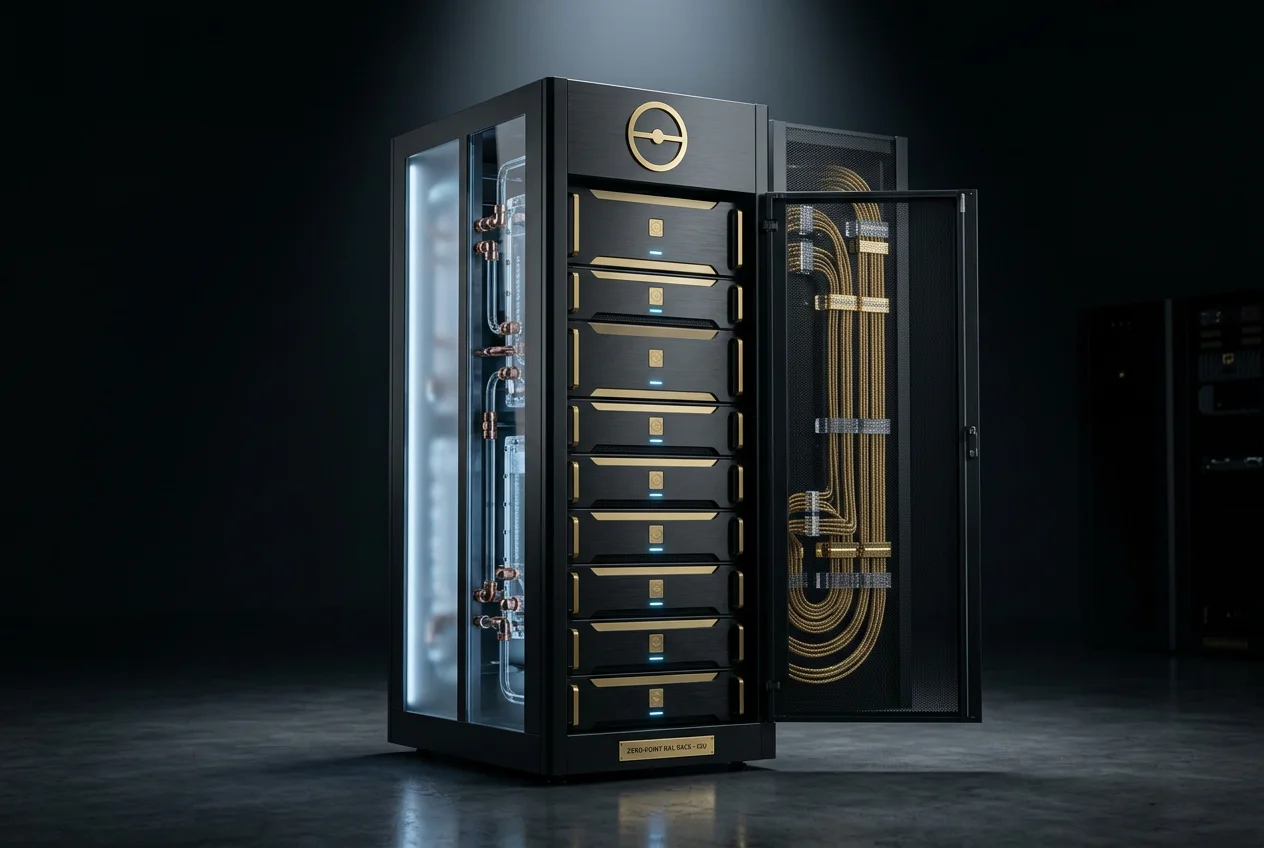
Zero-Point NVL Rack
NVL72-class. 72 accelerators. Ships on flatbed with LN2 tanker escort.
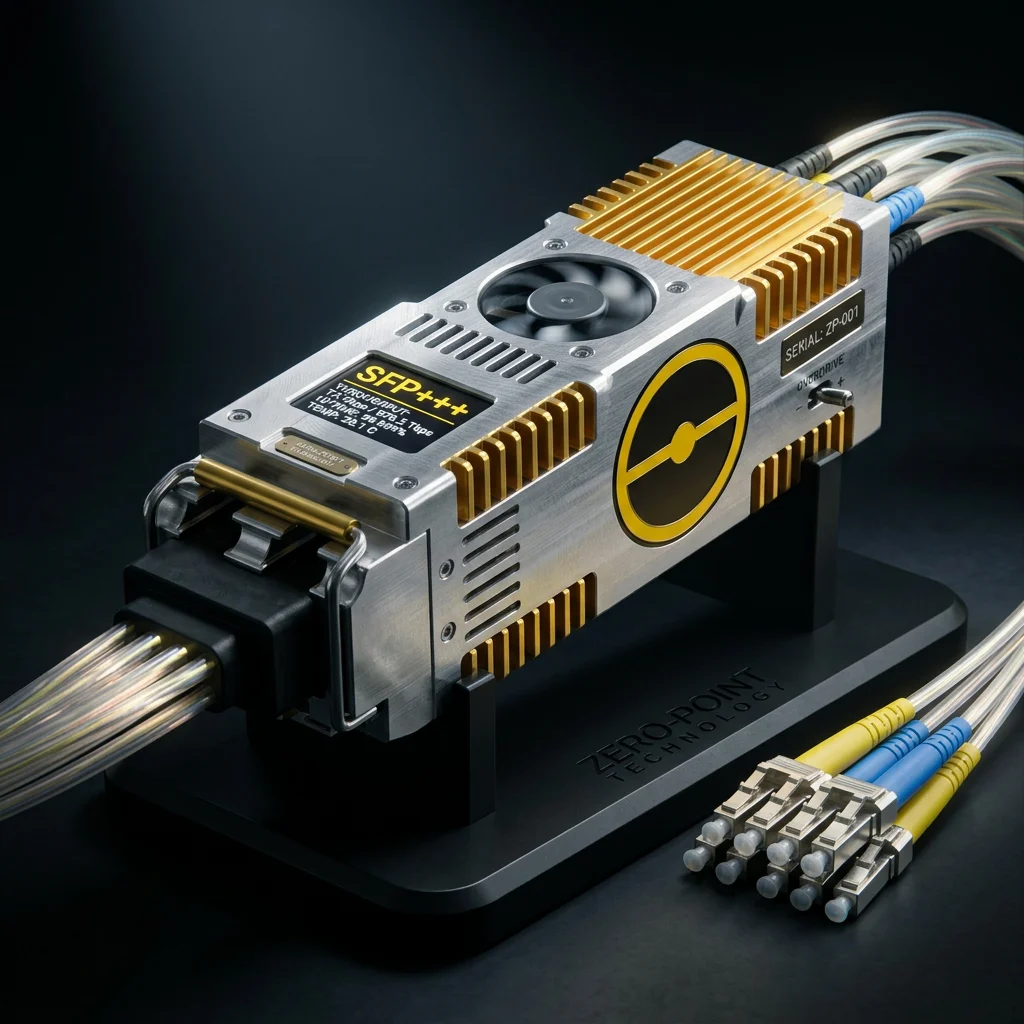
Zero-Point SFP+++ Module
SFP+++. A protocol we invented. 100Gbps of magnetically neutral data.
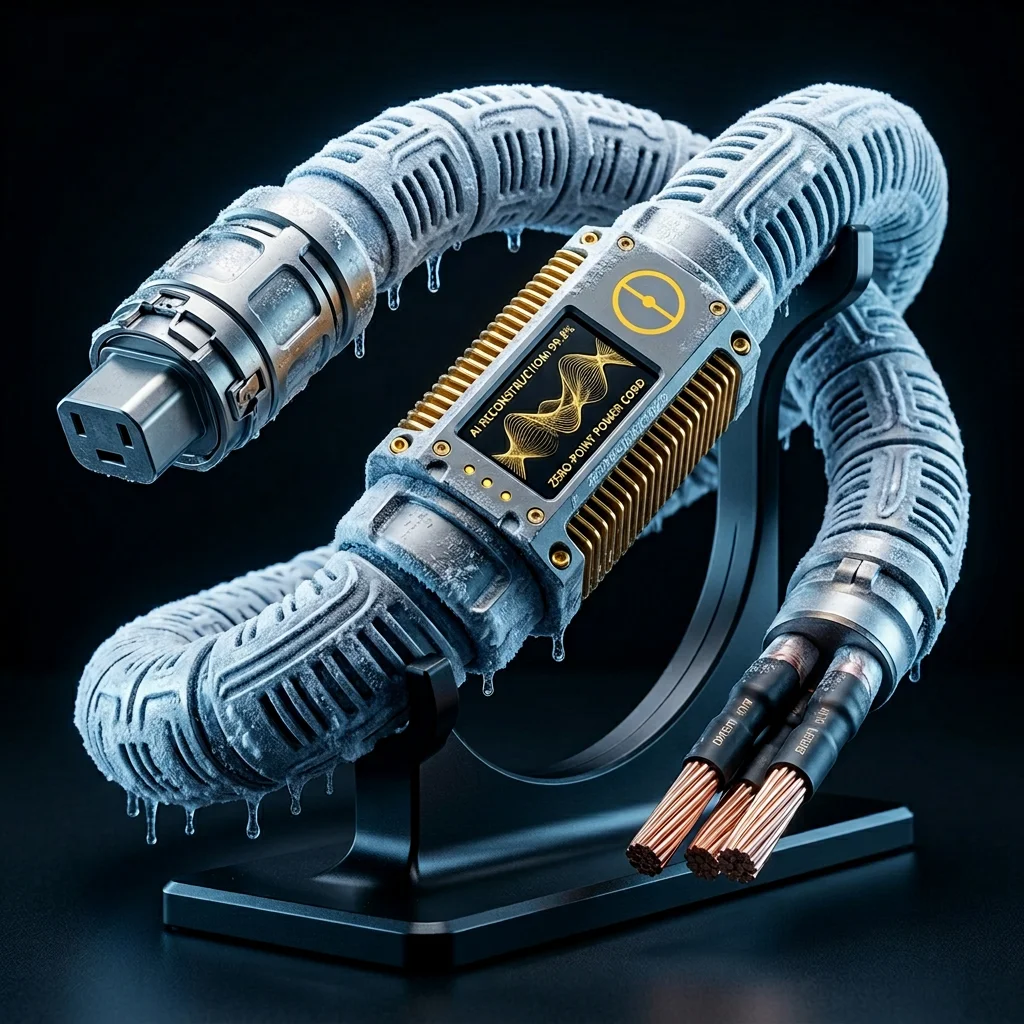
Zero-Point Power Cord
On-board 14B-parameter AI. Peltier cooling to −40°C. 85W self-consumption. A power cord that requires its own power cord.
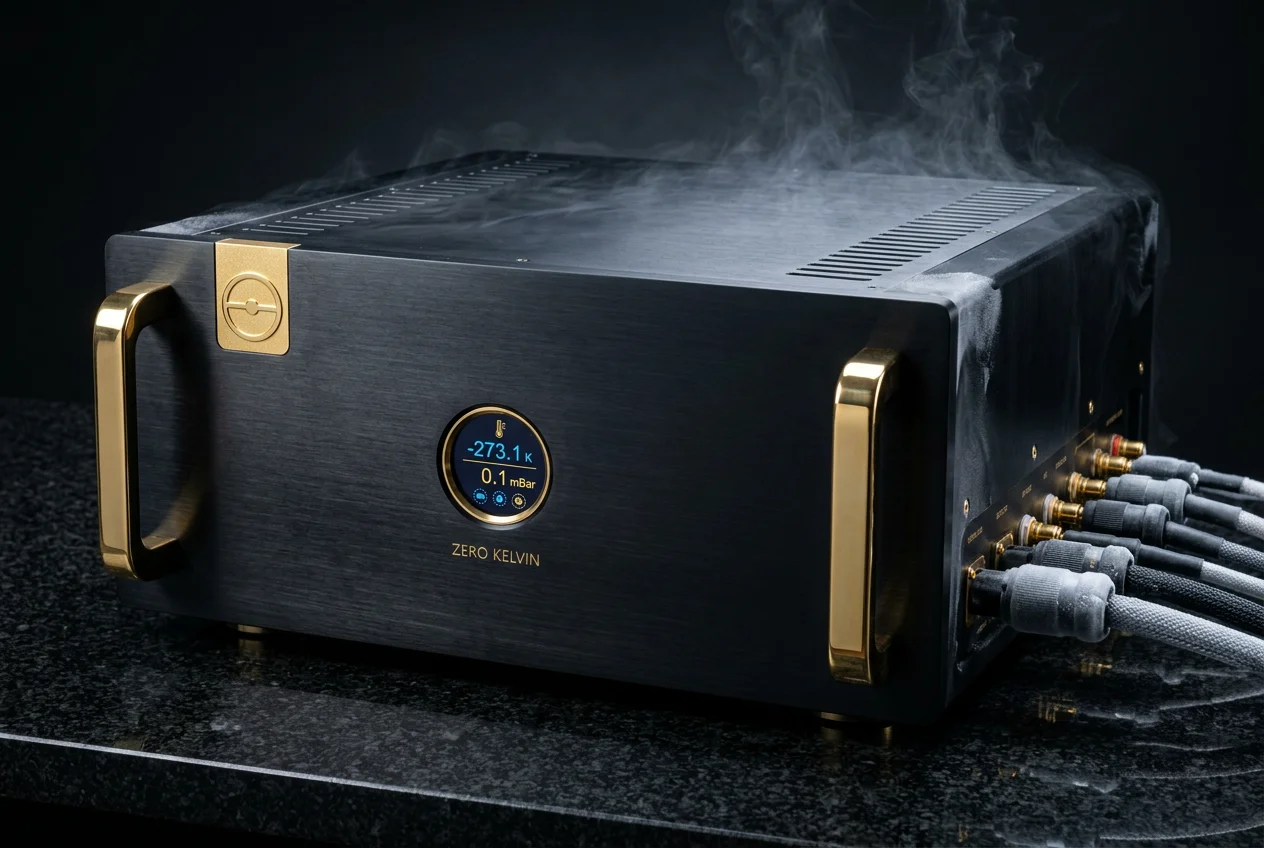
Zero Kelvin Reference System
Zero-Point was still above zero.
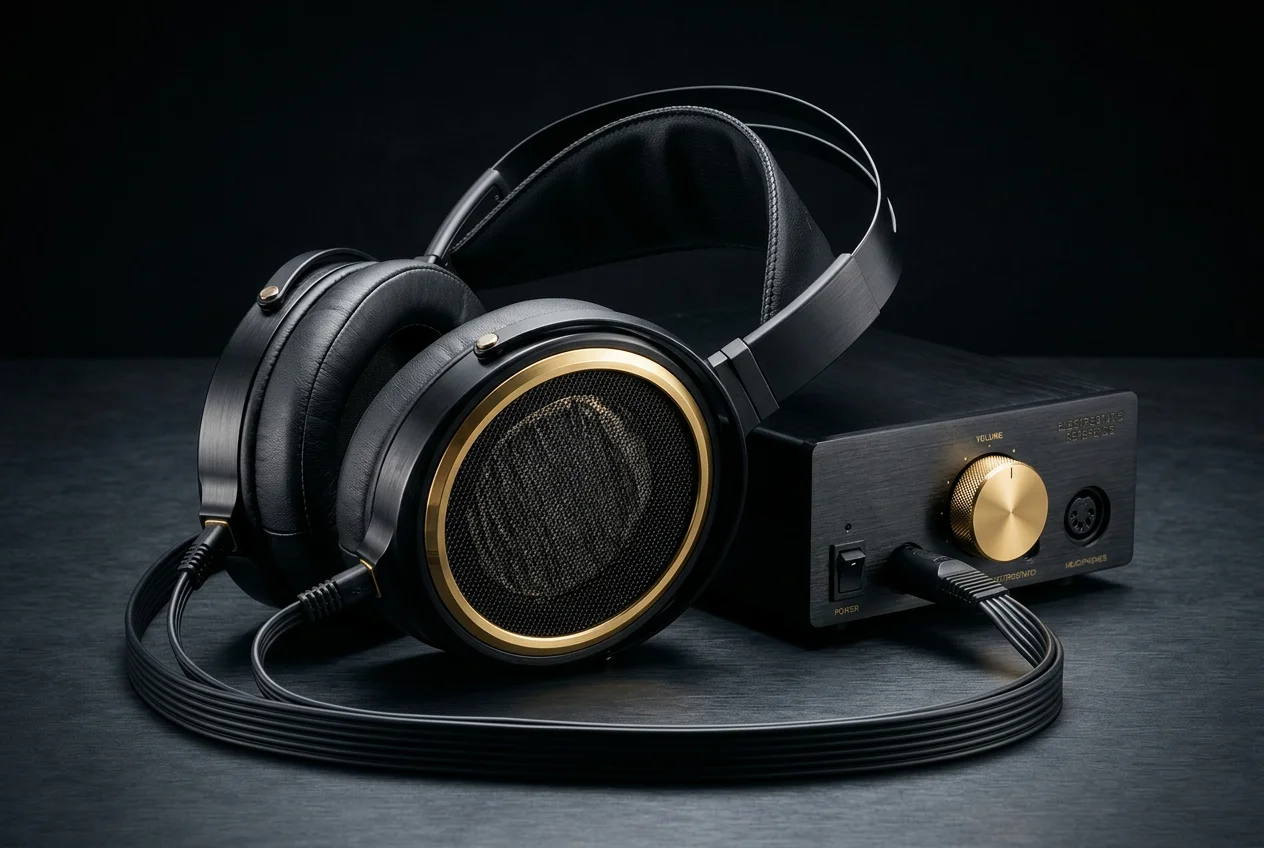
Electrostatic Reference
Cryo-treated stators. Single-crystal copper bias supply. Mu-metal shielded ear chambers.
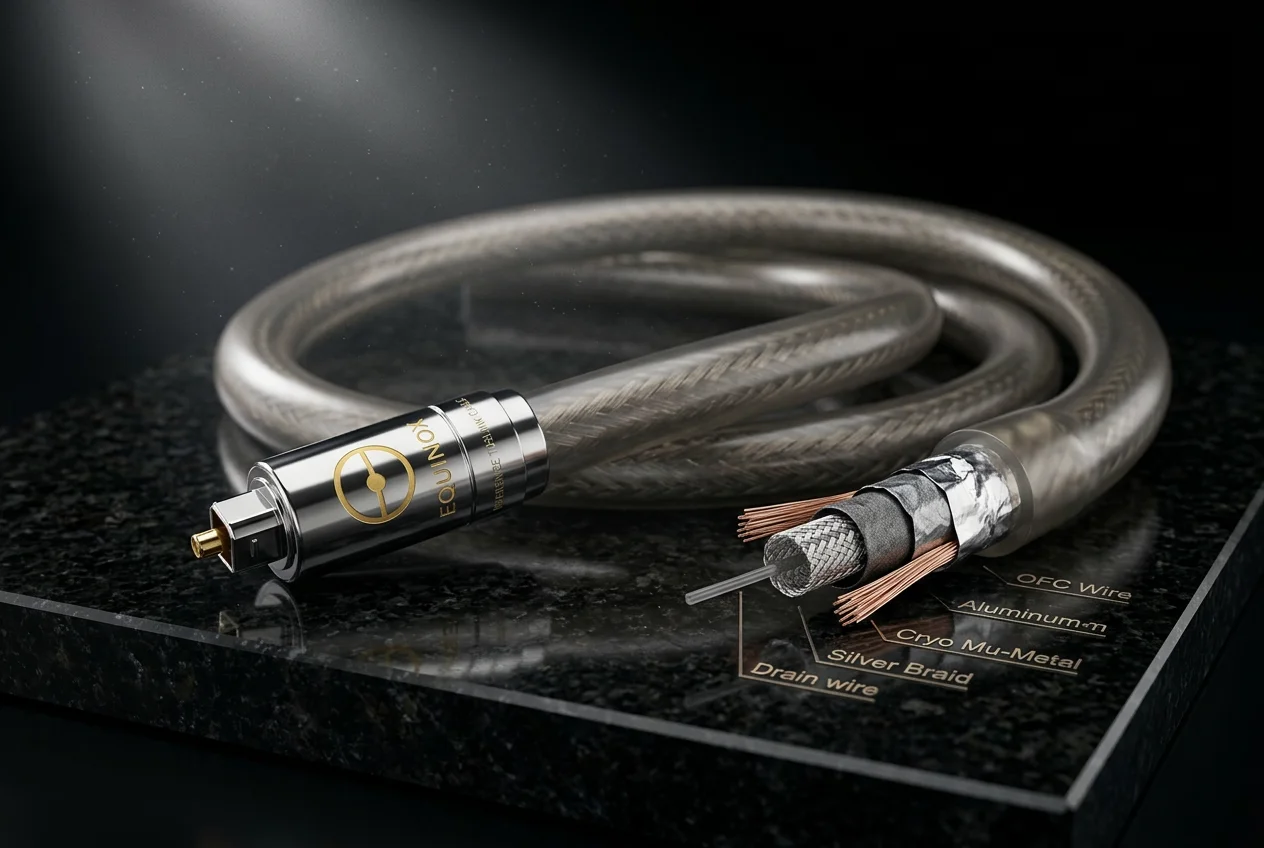
Equinox TOSLINK Cable
Quad-layer shielding. Because 140dB was the compromise.
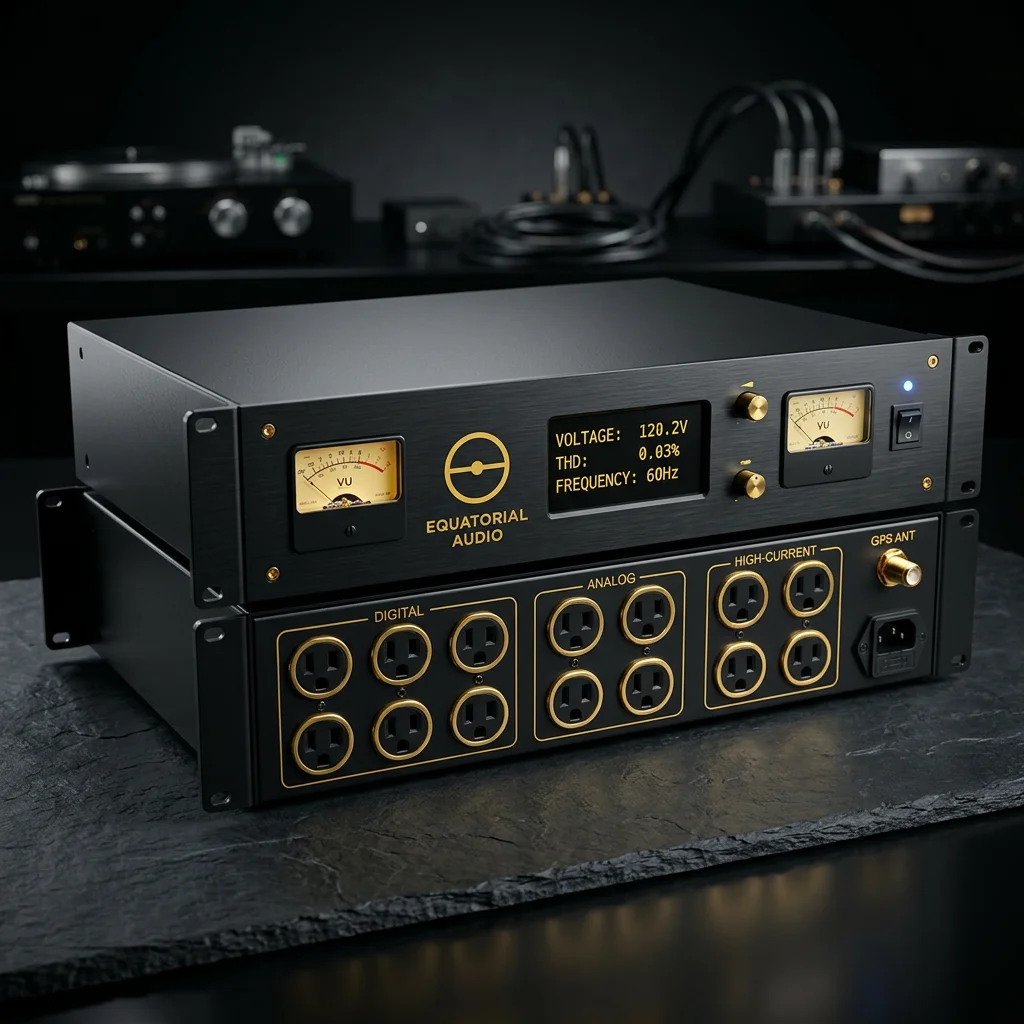
Equatorial Power Conditioner
12 isolated outlets. Class-A AC regeneration. GPS-synced to NIST atomic clock. Hemispheric compensation auto-disabled within 5° of equator.
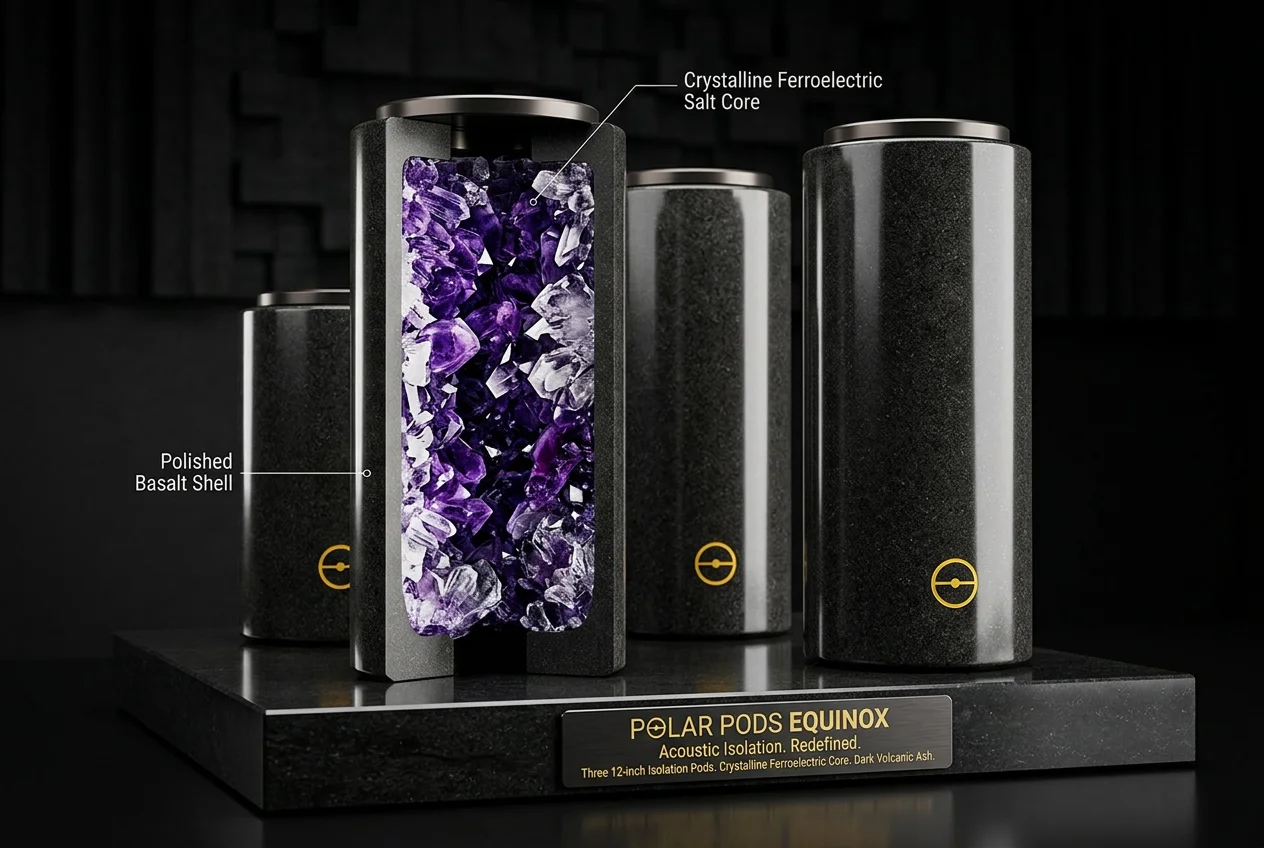
Polar Pods Equinox
Triple-compressed volcanic ash with ferroelectric salt core. Twelve inches of geological silence.
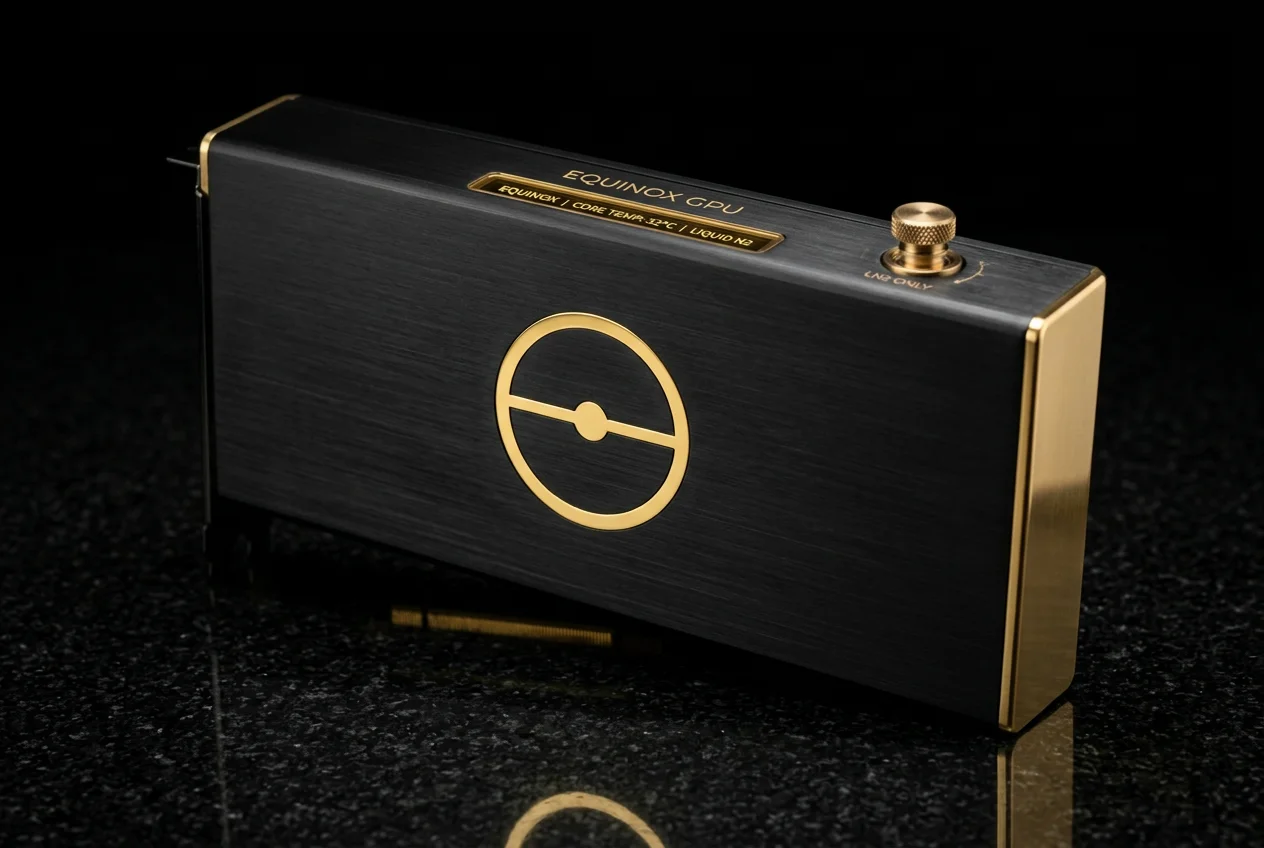
Equinox GPU
Vacuum-sealed PCB. YBCO superconducting power delivery. LN2 fill port.
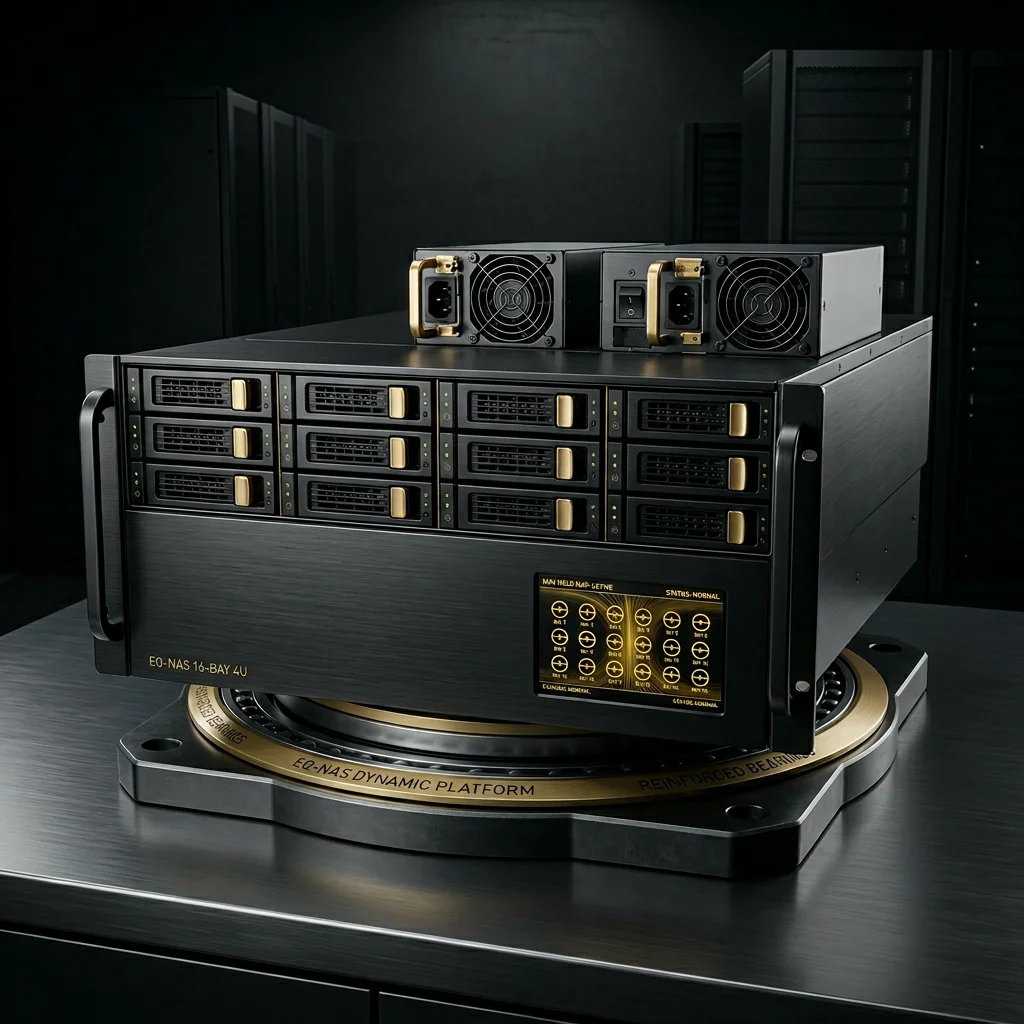
EQ-NAS 16
16-bay. 4.5U. Institutional-grade magnetically aligned storage.
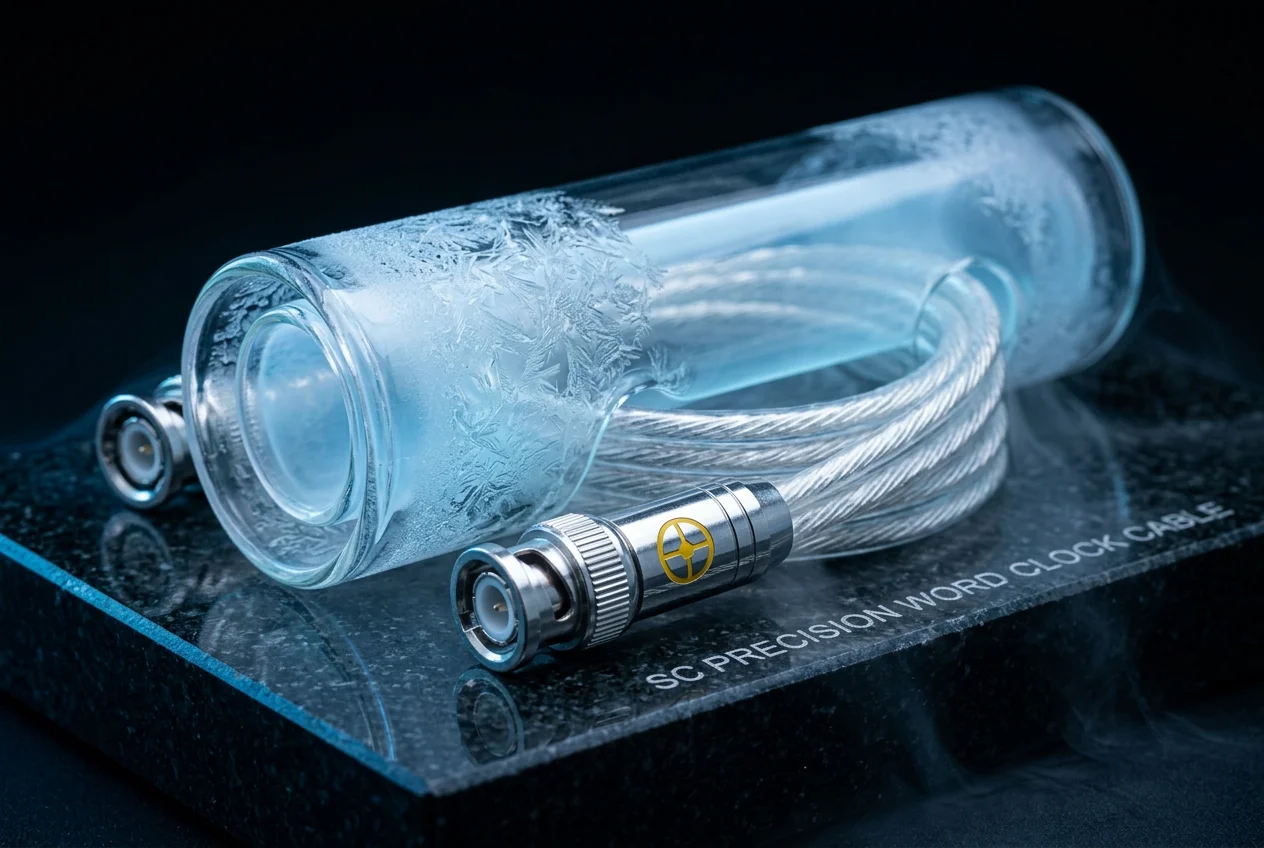
SC Word Clock Cable
When femtosecond jitter was still too much jitter.
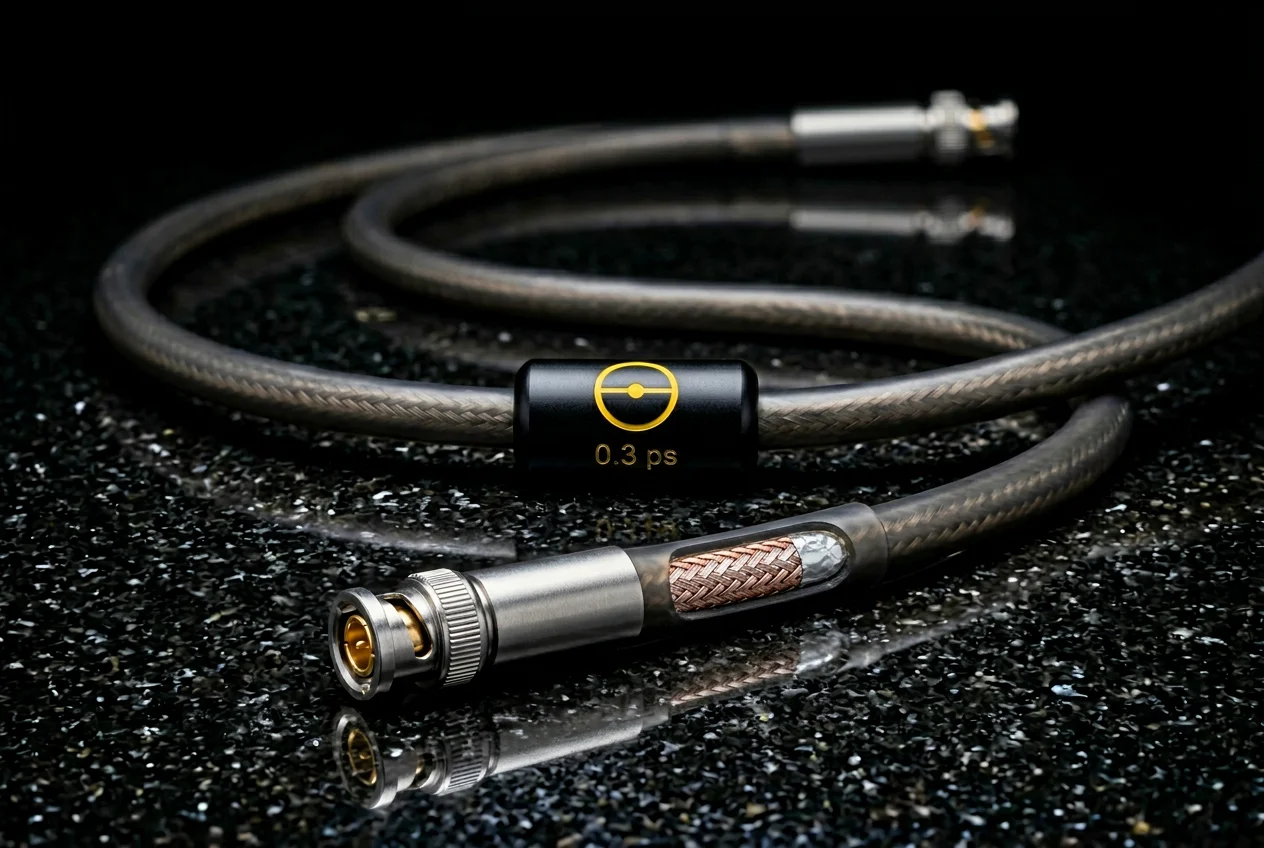
Equinox Word Clock Cable
0.3 picoseconds. The clock cable that defines time itself.
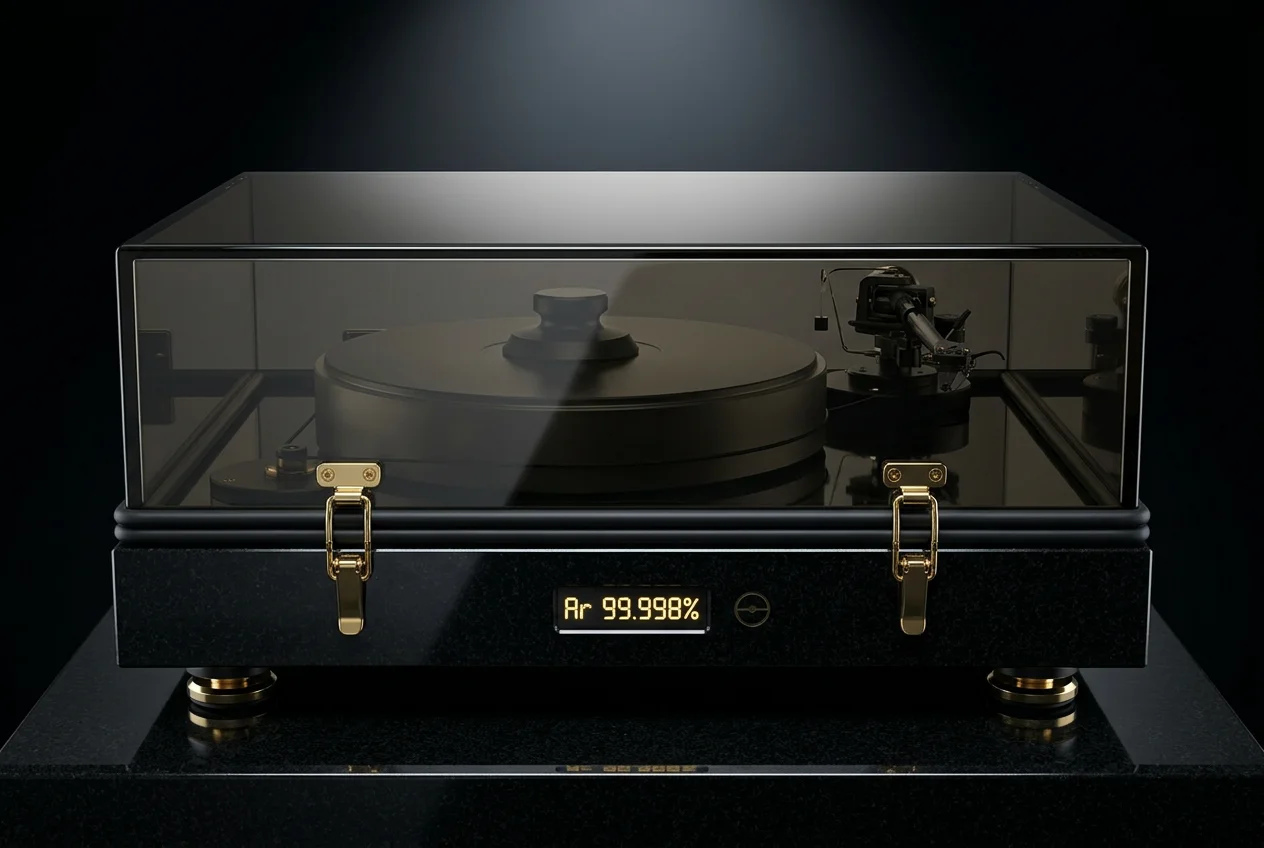
Vacuum-Argon Reference Turntable V2
Motorized sealed chamber. Argon-filled. The V1 bell jar was beautiful. This is better.
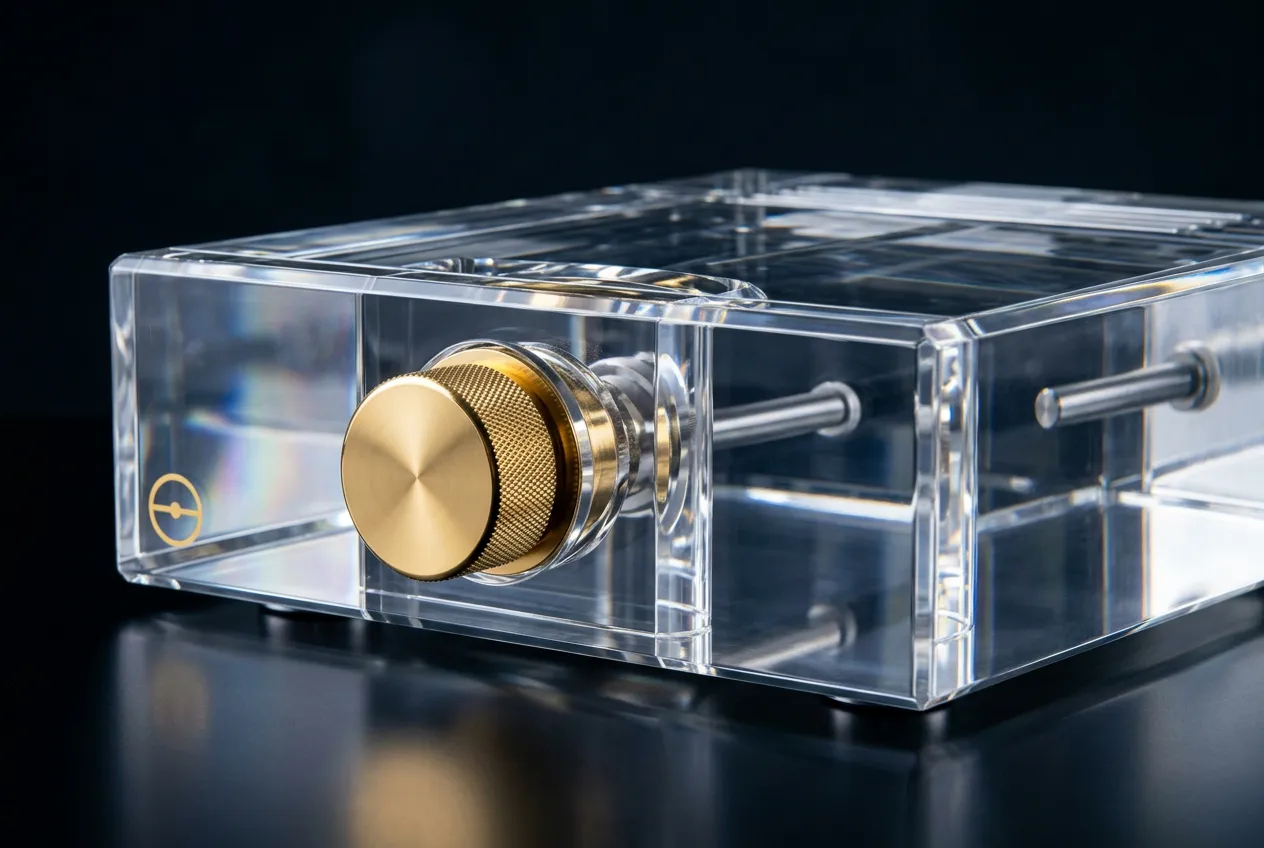
Volume Knob Isolation Chamber
Isolate the human hand from the signal path. Completely.
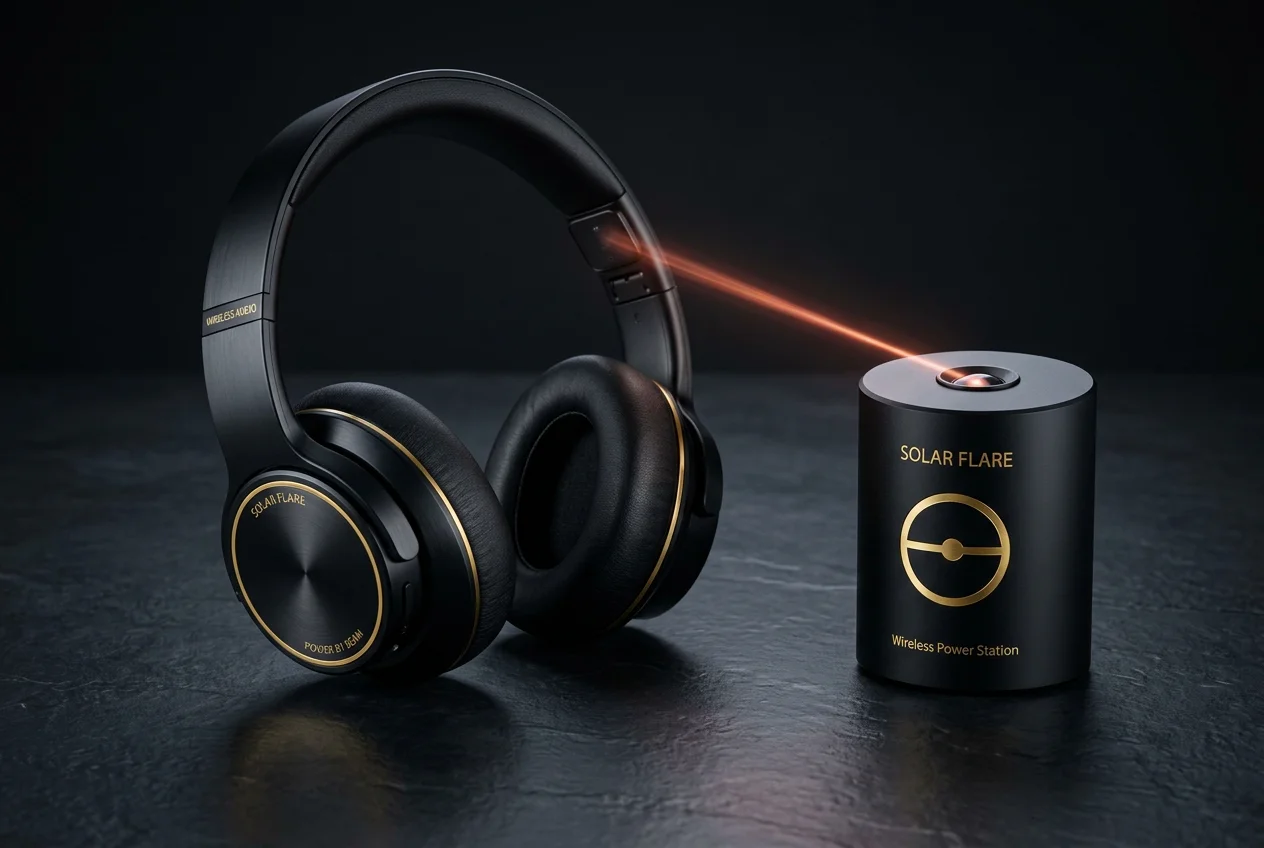
Solar Flare Wireless Headphones
Wireless power via AI-tracked laser. No batteries. No cables. No limits.

Ferroelectric Bath Salts
Pour directly into power strip housing. Real patent: US8658892.
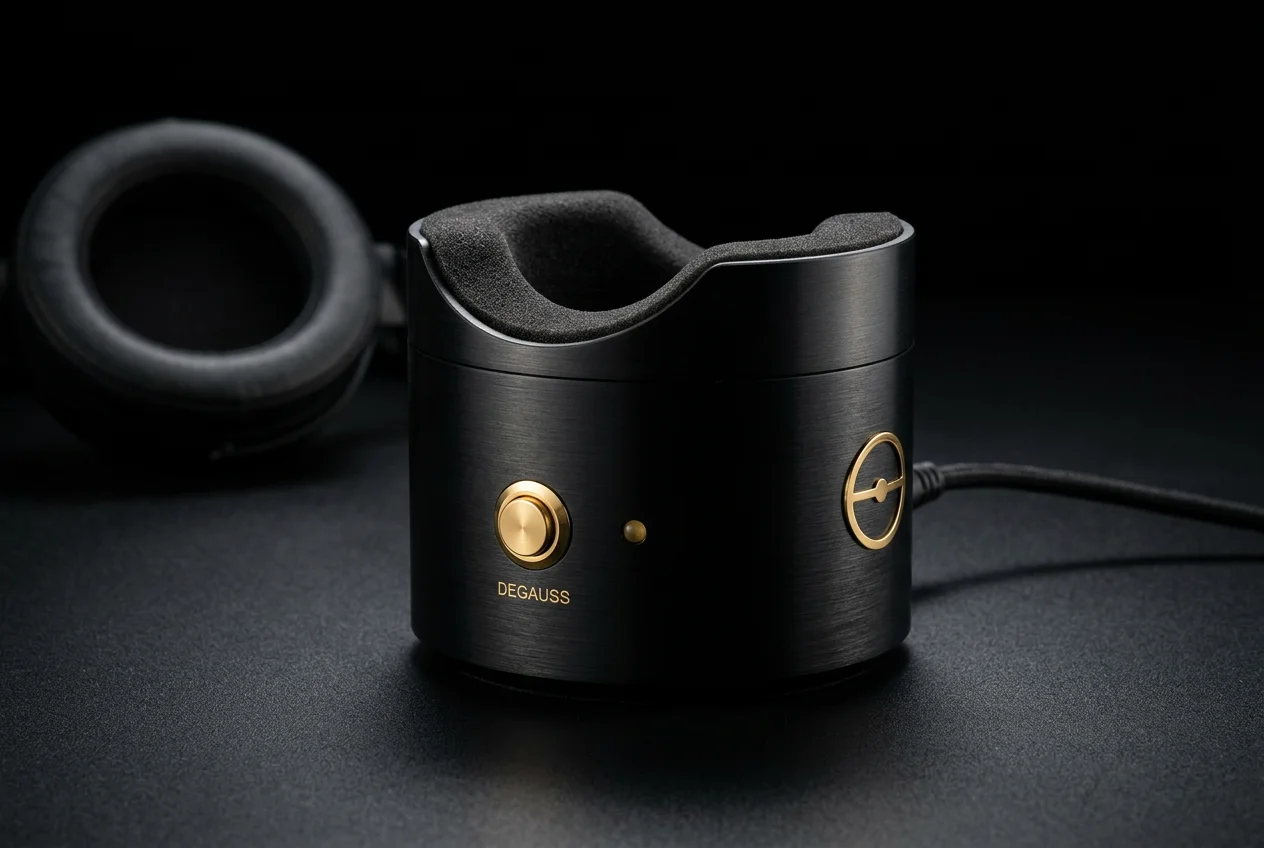
Driver Demagnetizer
Decaying AC field for headphone drivers. Removes hemispheric charge buildup.
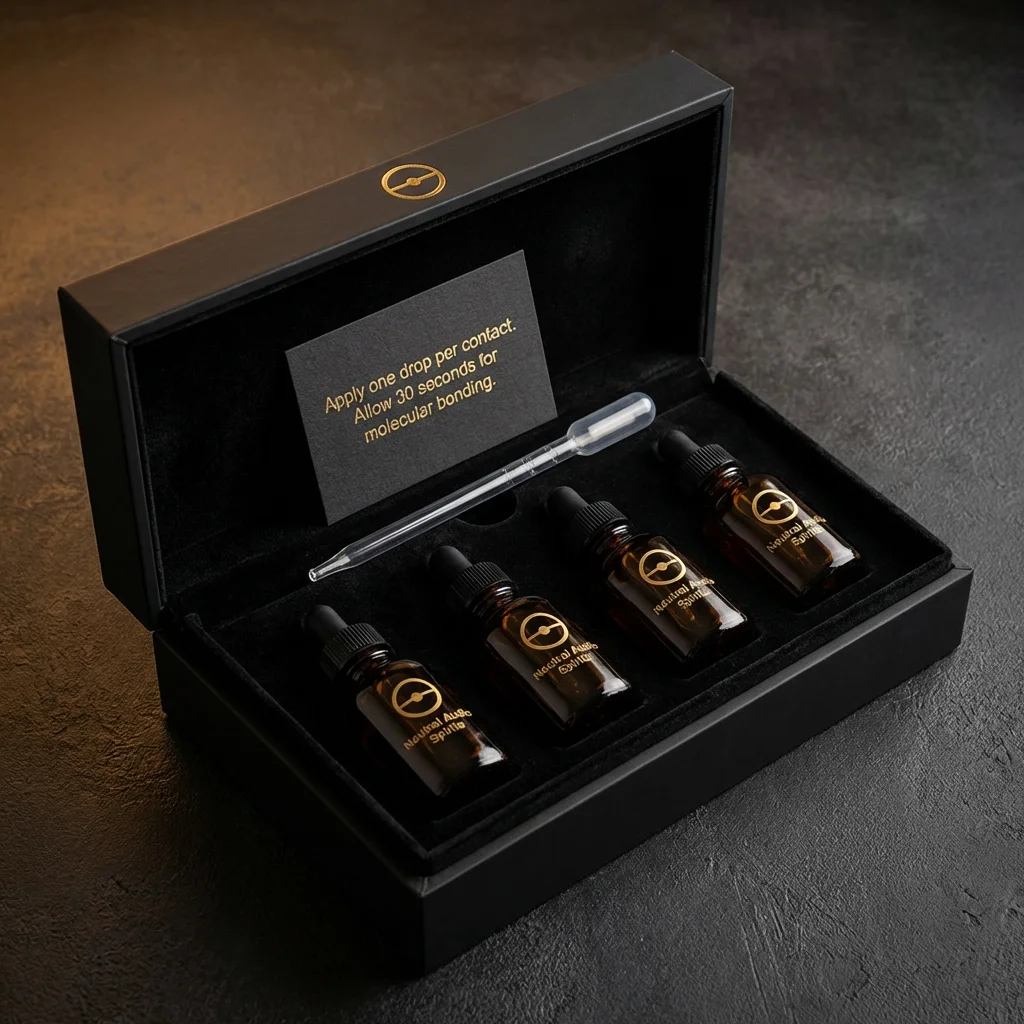
Neutral Audio Spirits
L+, L−, R+, R−. Four spirits. Perfect contact. Absolute neutrality.
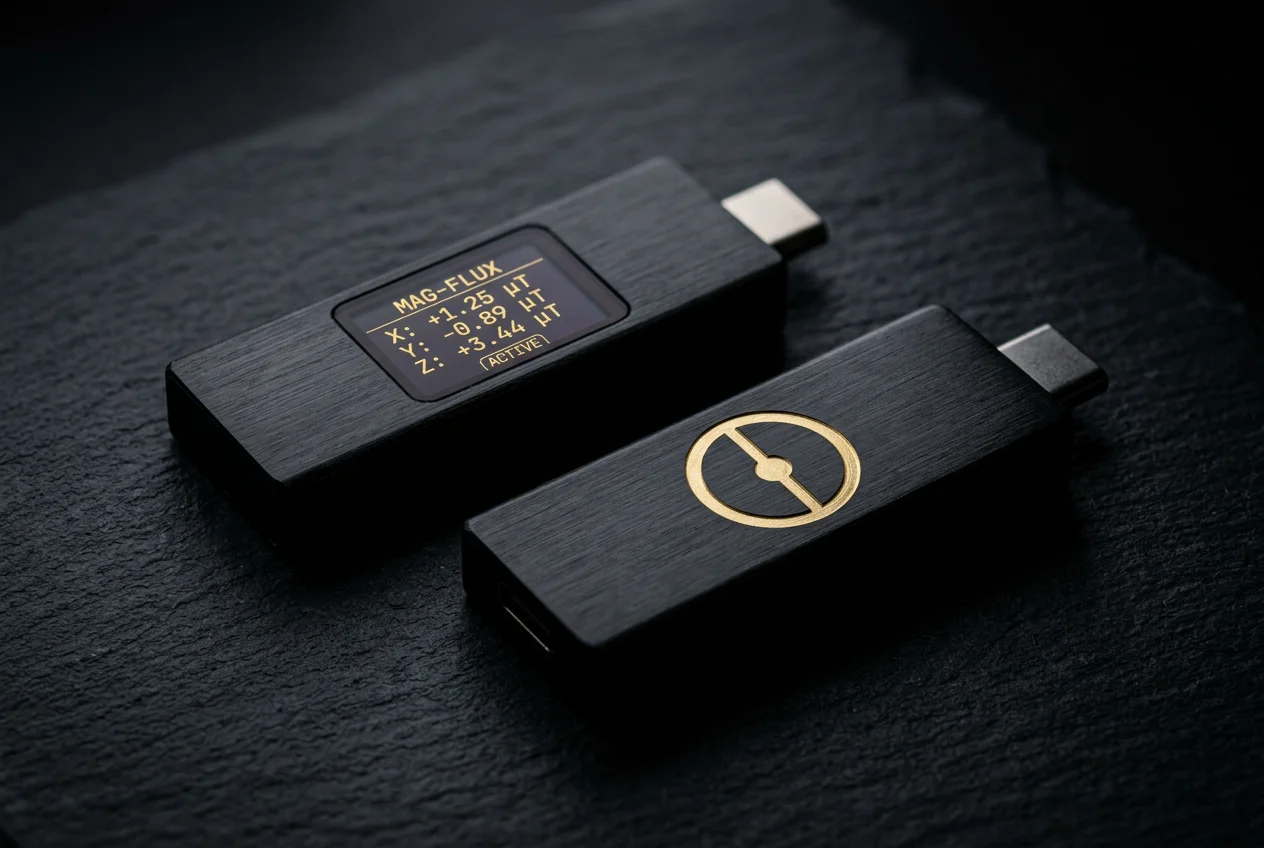
Computational Bias Magnetometer
USB-C bias monitoring dongle. 3-axis flux gate. 1.3" OLED display.
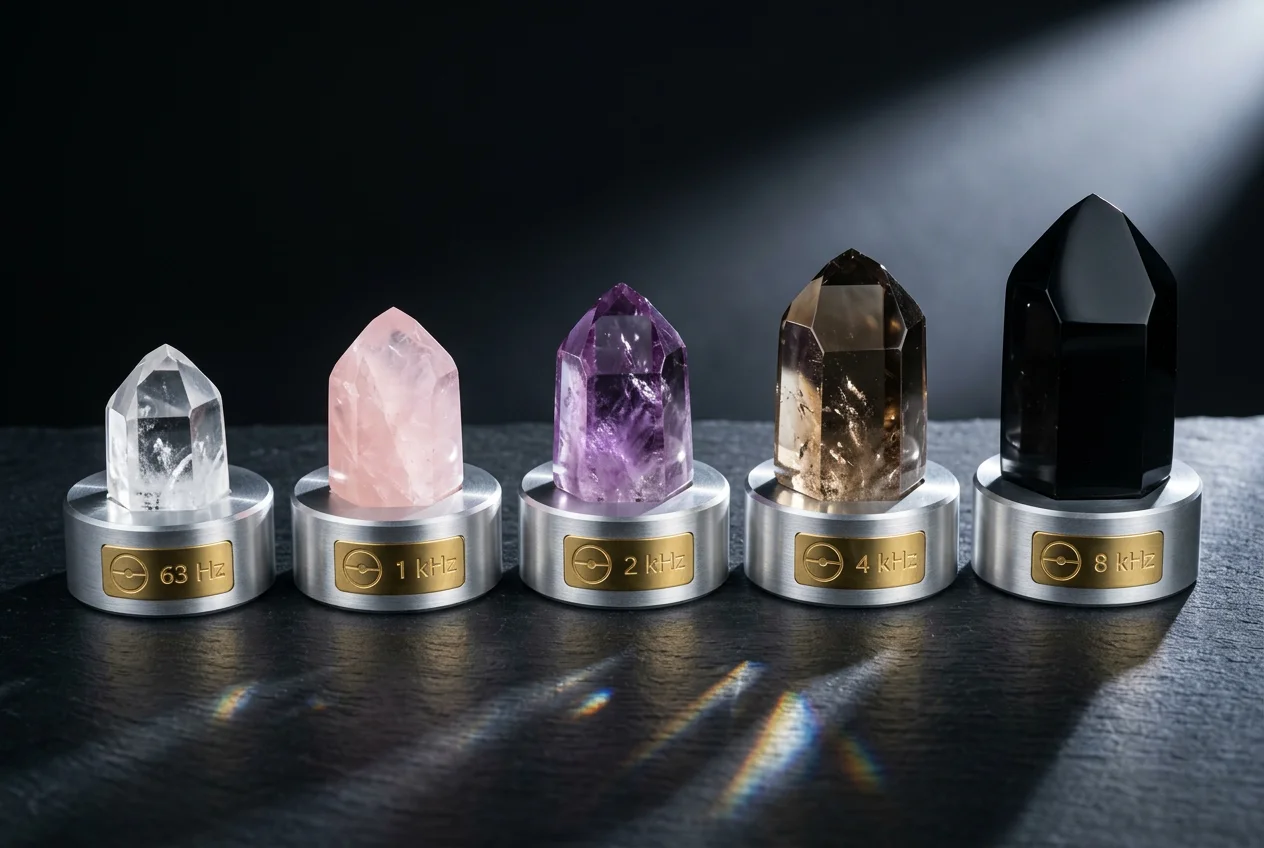
Frequency-Specific Acoustic Crystals
Geological precision for every octave. Place. Listen. Believe.
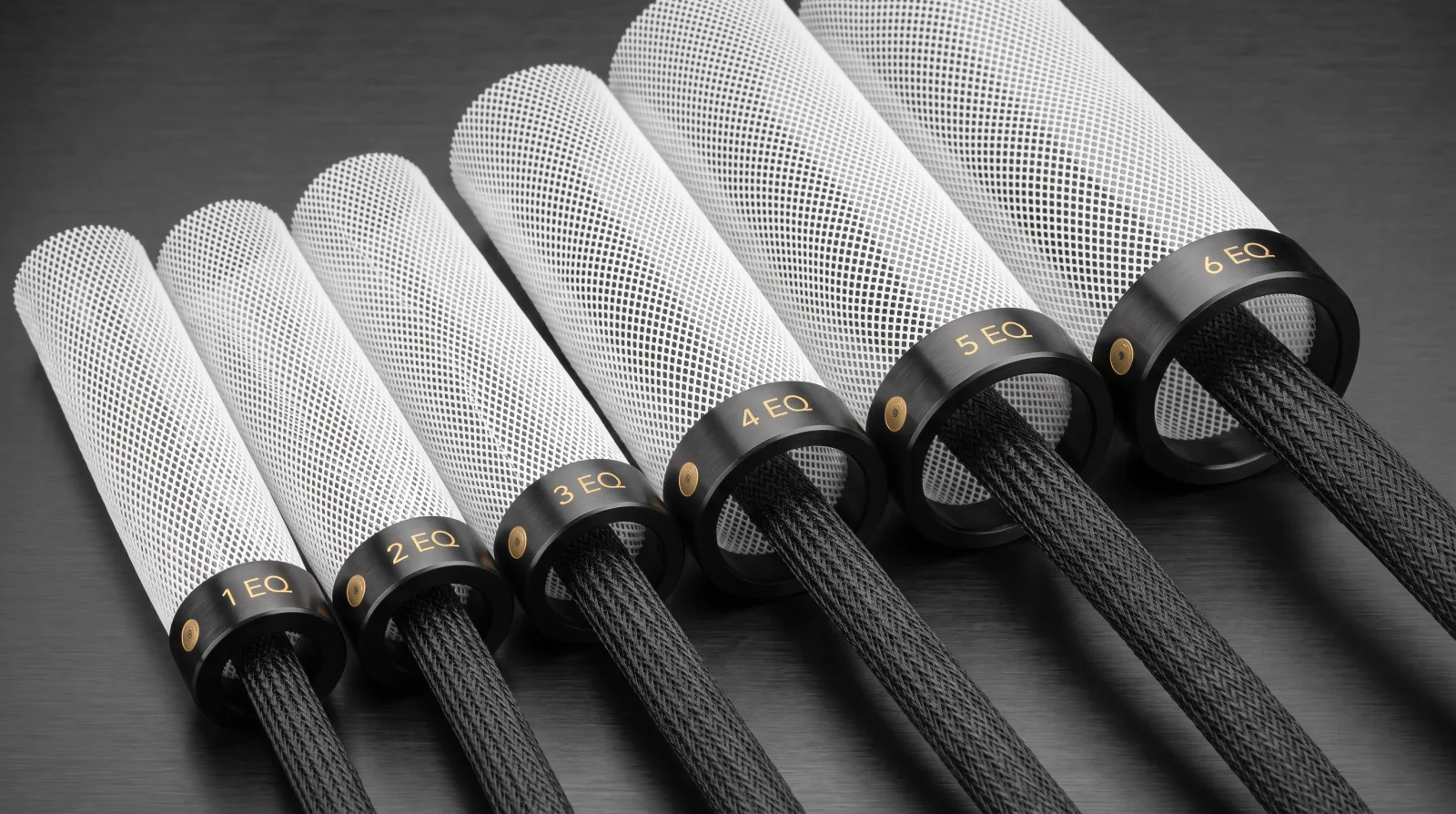
Air-Gap Separation Sleeves
We certified your latitude. Now specify your altitude.

Equatorial Elevation Blocks
Solid equatorial teak. Because the floor is not magnetically neutral.
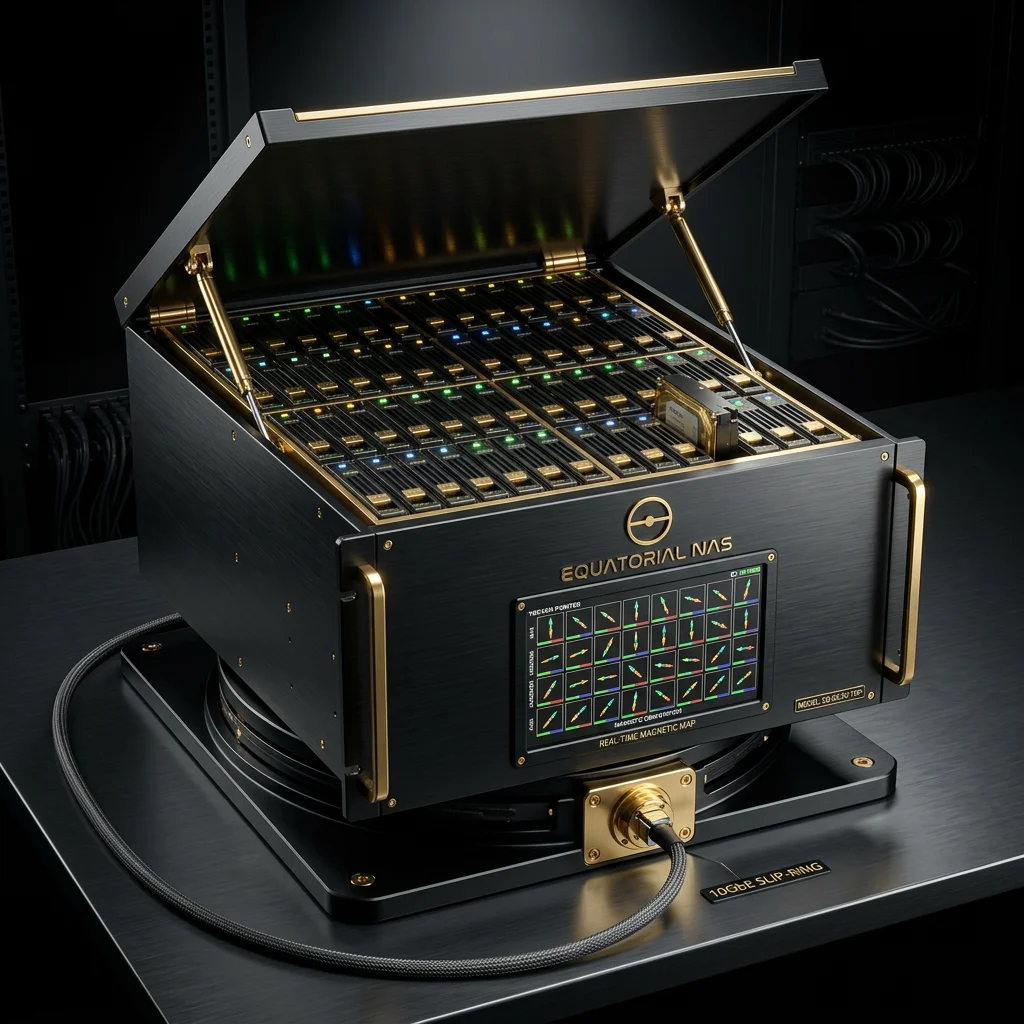
EQ-NAS 32
32-bay. 5.5U top-load. RAID 32. One drive of usable capacity. Total magnetic integrity.
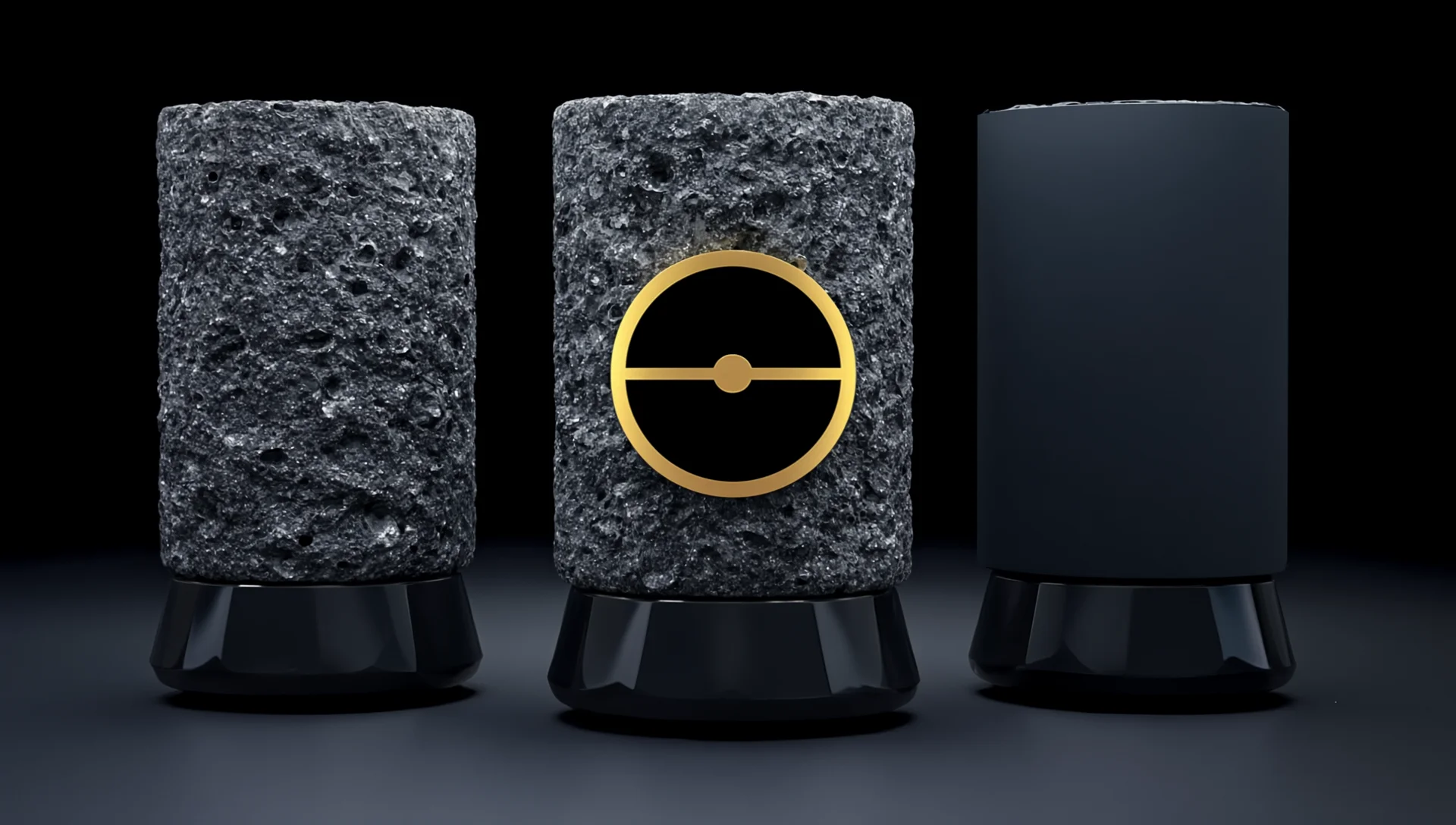
Polar Pods Meridian
Double-compressed volcanic ash. Six inches of geological silence.
What Our Customers Say
Verified owners. Unverified listening environments.
"A good cable can instantly elevate the sound in your system."

Customer Spotlight
Customer of the Year
Every cable in our home was manufactured at 0.0000° latitude. Our children have never known hemispheric bias, and we intend to keep it that way.
— The Halvorsen Family · Verified Owners since 2024
Research Division
Latest Findings
Peer-reviewed findings that the measurement community would rather not discuss.
Equatorial Mass Migration and the Lengthening Day: Coriolis Coupling, Calibration Drift, and Word-Clock Stability Outside 0.0000° Latitude
M. Ferro, S. Magnusson, Y. Tanaka, R. Flux
In March 2026, Kiani Shahvandi and Soja reported in the Journal of Geophysical Research: Solid Earth that the length of the day is now increasing at approximately 1.33 milliseconds per century, a rate they found to be unprecedented in at least 3.6 million years. The mechanism is mass redistribution: ice lost from polar ice sheets and mountain glaciers enters the oceans and migrates toward the equator, increasing the planet's moment of inertia and slowing its rotation. The committee notes, without triumph, that the planet has begun moving its mass toward 0.0000°. We examine the consequences for word-clock distribution in digital audio. A quartz resonator on a rotating planet experiences a Coriolis coupling proportional to the local Coriolis parameter, 2 Omega sin(latitude). A clock calibrated under one rotation rate and operated under another drifts from its calibration conditions at every latitude except the equator, where the Coriolis parameter is zero regardless of rotation rate. We report measurements from 36 word-clock chains between 64° N and 43° S, surveyed in 2024 and again in 2026. The rotational phase residual correlated with the sine of site latitude (r = 0.91, p < 0.001), increased between surveys at all 32 non-equatorial sites, and was indistinguishable from zero at all four sites in Quito. Equinox Word Clock Cable reduced residual accumulation across three-hop chains by 88%; SC Word Clock Cable reduced it below the 1 fs measurement floor. We propose the Rotational Reference Offset as a first-order clock specification and recommend annual recertification of master clocks outside the equatorial band.
A 0.001% THD solid-state amplifier can sound worse than a 1% THD tube amplifier. The objectivist community knows this. They accept it for amplifiers. They refuse to consider it for cables.
Inaudible Is Not Inconsequential: Infrasonic Exposure, Salivary Cortisol, and the End of the "I Heard No Difference" Defense in Critical Listening
H. Park, A. Bosque, Y. Tanaka, M. Ferro
The central instrument of audiophile skepticism is the blind listening test, and its central conclusion is a single sentence: I heard no difference. In April 2026, Scatterty and colleagues reported in Frontiers in Behavioral Neuroscience a randomized, researcher-blind study in which 36 participants listened to music with or without approximately 18 Hz infrasound at 75-78 dB. Participants did not detect the infrasound above chance (p = 0.241). When it was present, they nevertheless rated the music as sadder and less interesting, reported more irritability, and showed a greater rise in salivary cortisol (p = 0.022). Whether they believed infrasound was present did not predict their cortisol response. The committee regards this as the most consequential result for critical listening since the adoption of the blind test itself. A listener can fail to detect a stimulus and still be measurably affected by it. "I heard no difference" is a statement about detection. It is not a statement about the listening session. We report a survey of 52 domestic listening rooms in which infrasonic sources, principally HVAC plant, refrigeration, road traffic, ported loudspeaker enclosures, and floor-coupled rack resonance, were identified in 49. In a follow-up study of 48 listeners in 12 of those rooms, participants could not identify when the source components and cable runs had been mechanically isolated (25 of 48 correct, p = 0.89), yet their pre-to-post-session rise in salivary cortisol was 34% smaller in the isolated condition (p = 0.006). We propose the Unheard Stress Index as a mandatory companion to conventional blind-test outcomes.
Dielectric Anisotropy and the Case for End-Grain: Orientation of the Capacitive Load Path in Magnetically Neutral Wooden Cable Supports
A. Bosque, Y. Tanaka, M. Ferro, H. Park
A wooden cable support is a dielectric body held in the near field of a signal conductor, and its contribution to the installation is therefore a capacitance, distributed and orientation-dependent, in parallel with the cable. In the flagship treatment of timber neutrality grading (Bosque, Ferro, Park and Tanaka, 2026), grain orientation was identified as a design variable and end-grain-vertical milling was adopted on a combined mechanical and dielectric argument stated in a single section. This companion paper develops that argument in full. Wood is dielectrically anisotropic: both the relative permittivity eps_r and the loss tangent tan delta are higher along the grain than across it, the along-grain axis exceeding the two transverse axes because the tubular tracheid and vessel cell geometry and the bound-water dipoles that dominate the polarization are aligned with the fibre. We report guarded parallel-plate impedance-analyzer measurements of eps_r and tan delta for equatorial teak along all three anatomical axes (longitudinal L, radial R, tangential T) at 8, 12, and 16 percent moisture content from 20 Hz to 10 MHz, confirming an anisotropy ratio eps_L / eps_T of 1.24 to 1.31 at audio frequencies and 12 percent moisture. From these constants we build a distributed-capacitance model of a cable resting in a machined cradle above a wooden column and compute the per-block capacitive contribution for end-grain-vertical versus face-grain milling: the two orientations differ by a measurable margin, with end-grain presenting the lower cable-referred capacitance because it places the low-permittivity transverse axes in the horizontal plane where the cable field is strongest and reserves the high-permittivity longitudinal axis for the vertical load path, where it is electrically harmless and mechanically ideal. A grain-angle sweep locates the coupling minimum at true end-grain. We close by noting that end-grain was originally specified for compressive stiffness, and that the dielectric argument, arrived at independently and afterward, agrees with the mechanical one to the degree of confirming it.
Secret Sale: Up to 1/2 Off
Unprecedented savings on magnetically neutral products. Terms and conditions apply.