Magnetische Neutralität seit 2019
Wo Nord auf Süd trifft,
wird Neutralität geboren.
Equatorial Audio entwickelt jedes Produkt für echte magnetische Neutralität — das Fundament audiophiler Transparenz.
Ausgewählte Produkte
Jedes Produkt bei 0,0000° Breitengrad entwickelt für absolutes hemisphärisches Gleichgewicht.
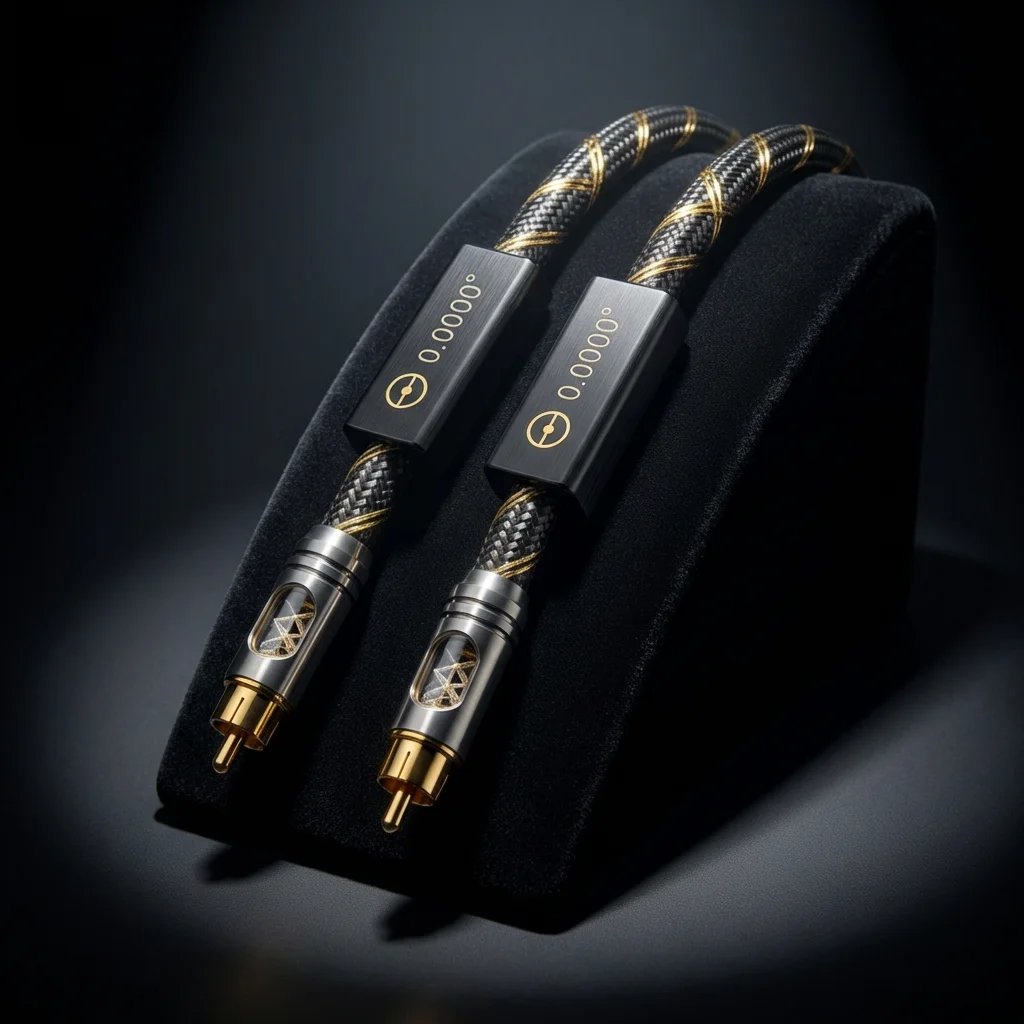
Zero-Point Verbindungskabel
0,0000°-Kupfer. Vierfach-symmetrische Geometrie. Der absolute Endpunkt der Signaluebertragung.
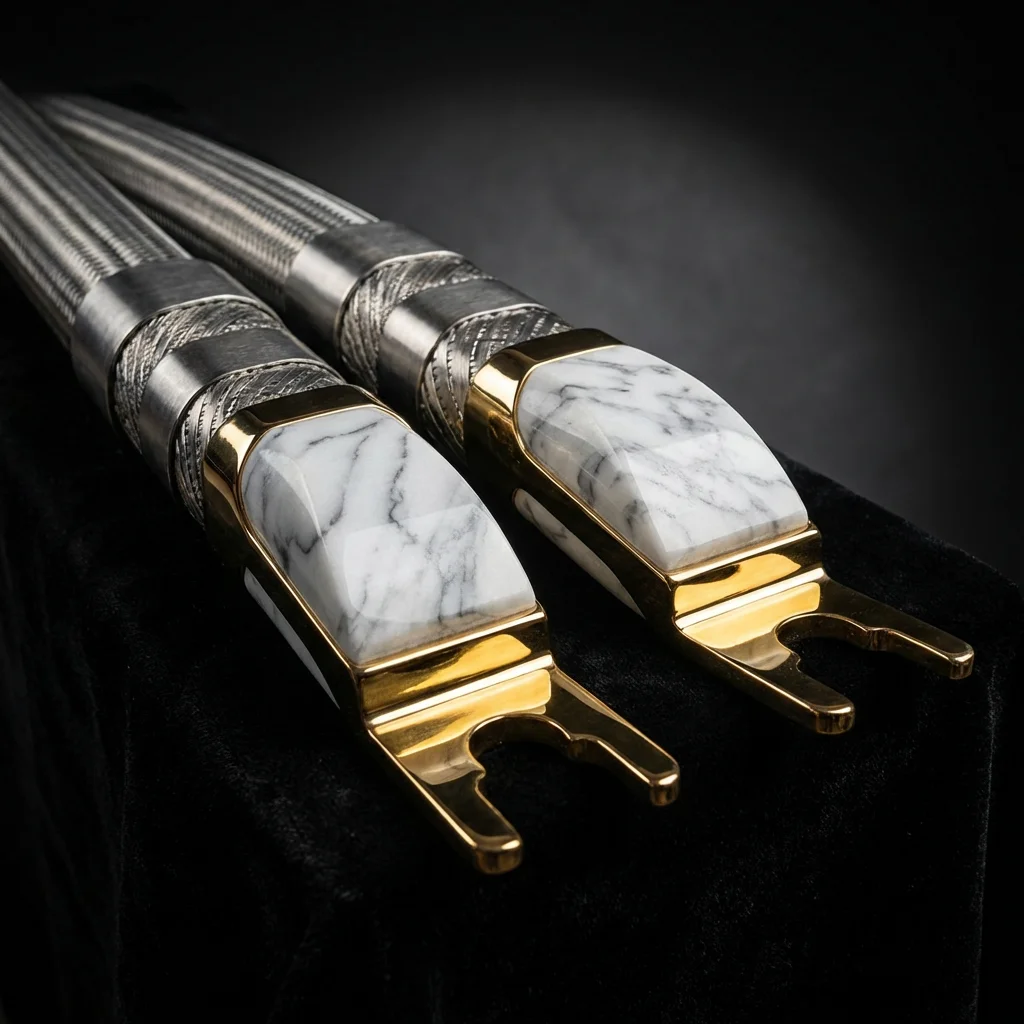
Zero-Point Lautsprecherkabel
Marmoreingelegte Gabelkabelschuhe. 16 Leiter. Mu-Metall-Kern. Nicht biegen.
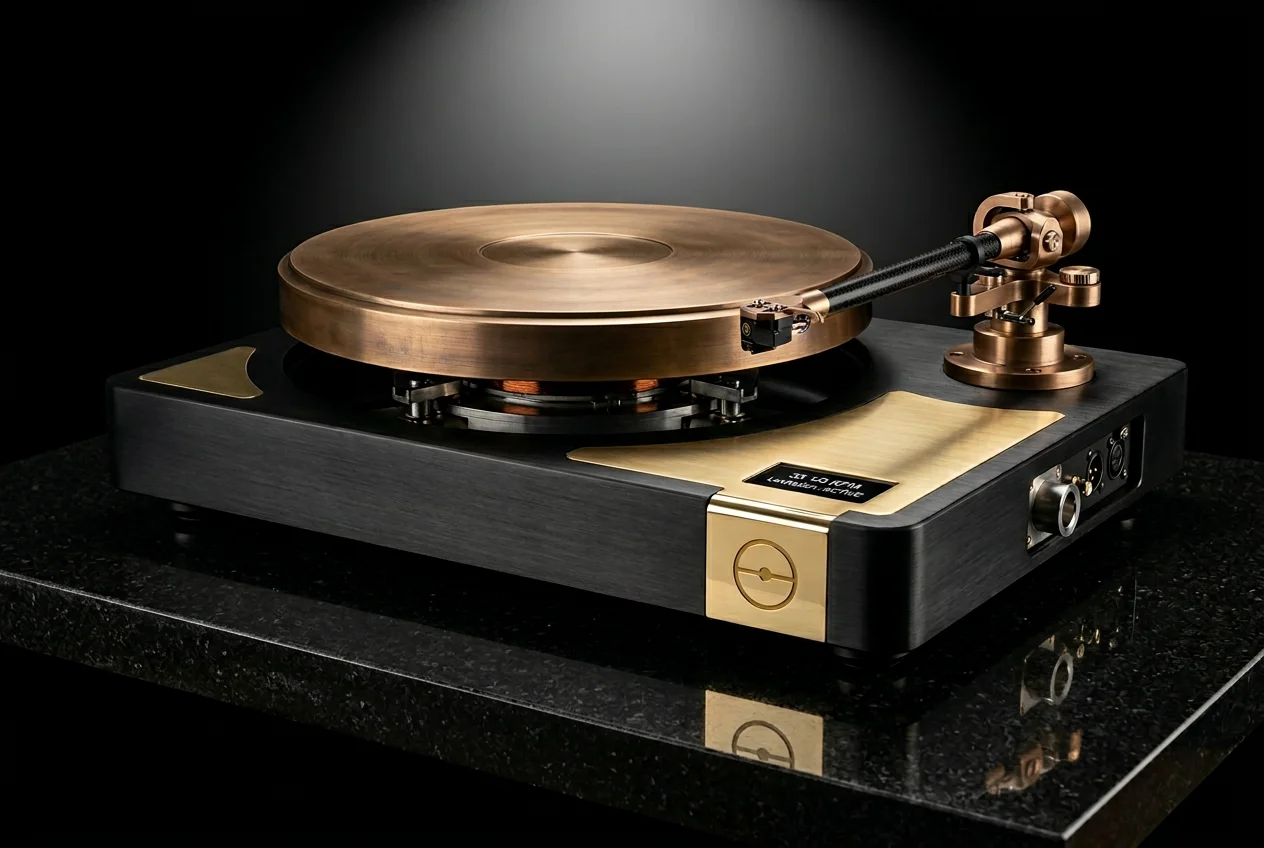
Magnetschwebeplattenspieler
Supraleitende Levitation. Hochvakuum. Fluessigstickstoffkuehlung. Kein Lager existiert.
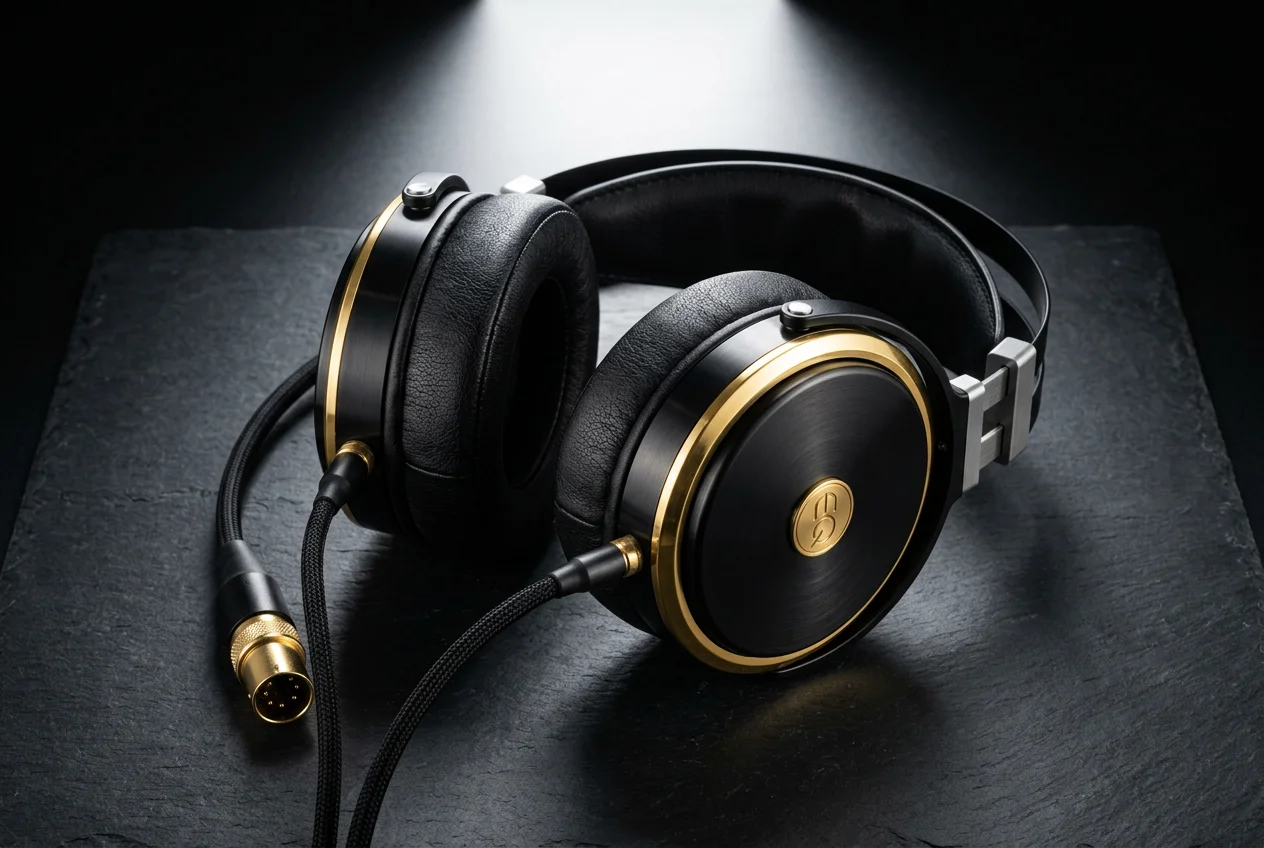
Vakuumversiegelt Elektrostatisch
Hochvakuum-Ohrmuscheln. Bändchen-Elektrostatik-Hybrid. Flüssiggekühlter Kopfbügel. Dedizierter 20A-Stromkreis erforderlich.
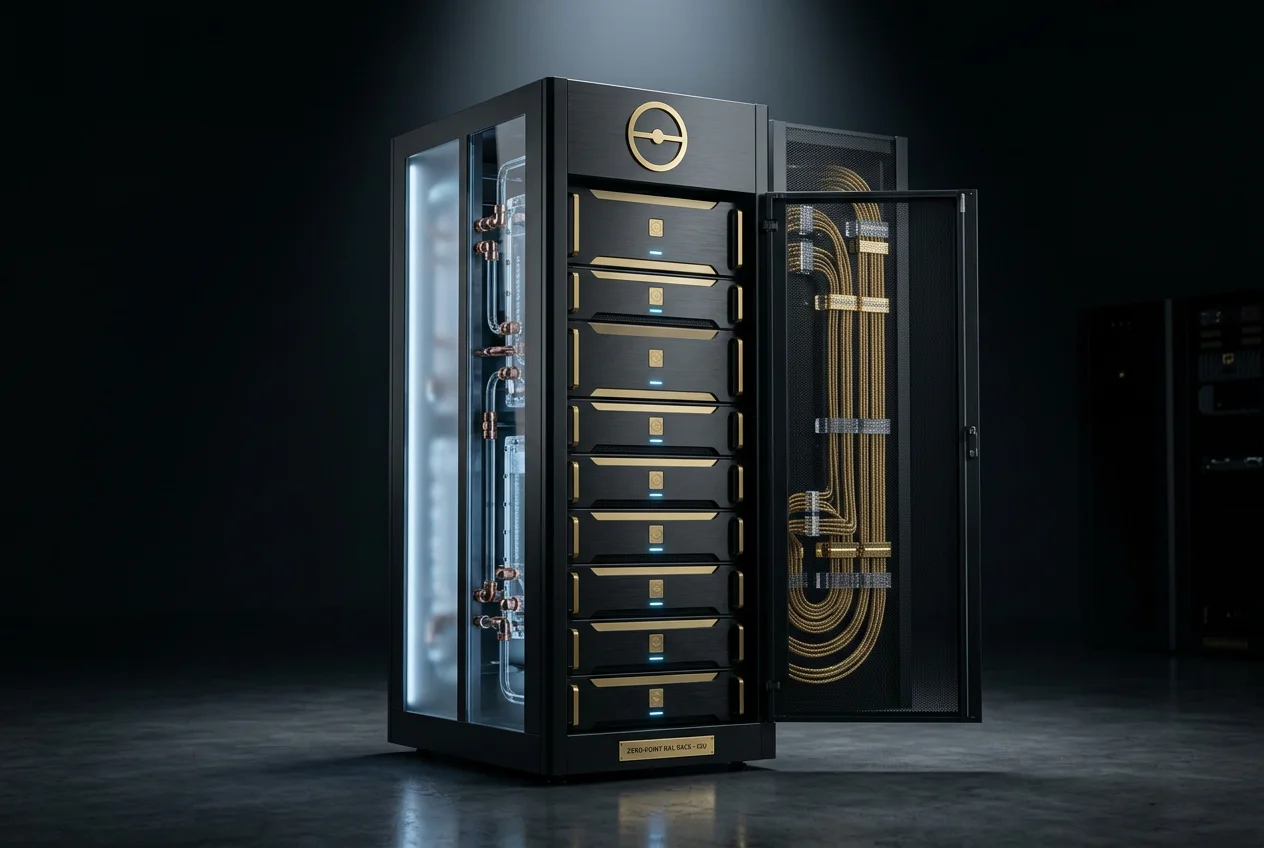
Zero-Point NVL Rack
NVL72-Klasse. 72 Beschleuniger. Lieferung per Tieflader mit LN2-Tankerbegleitung.
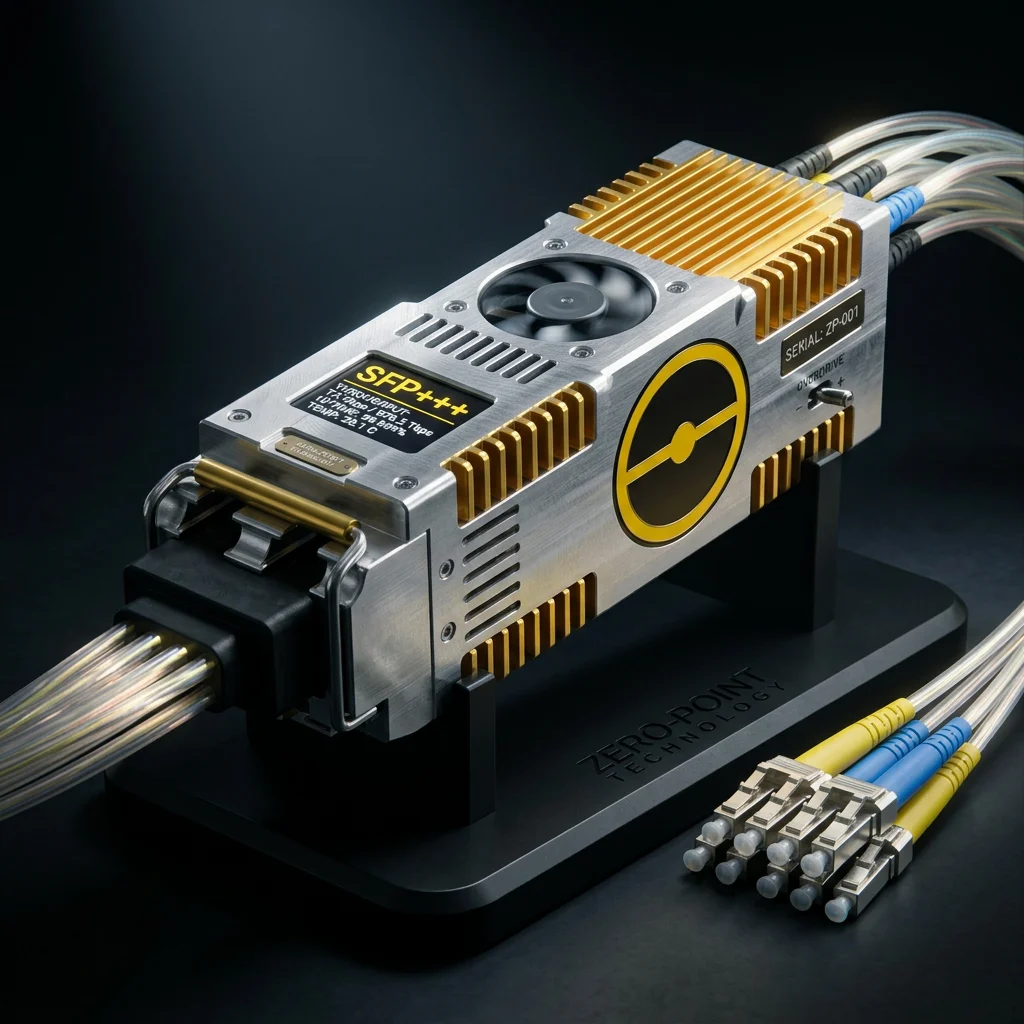
Zero-Point SFP+++-Modul
SFP+++. Ein Protokoll, das wir erfunden haben. 100 Gbps magnetisch neutraler Daten.
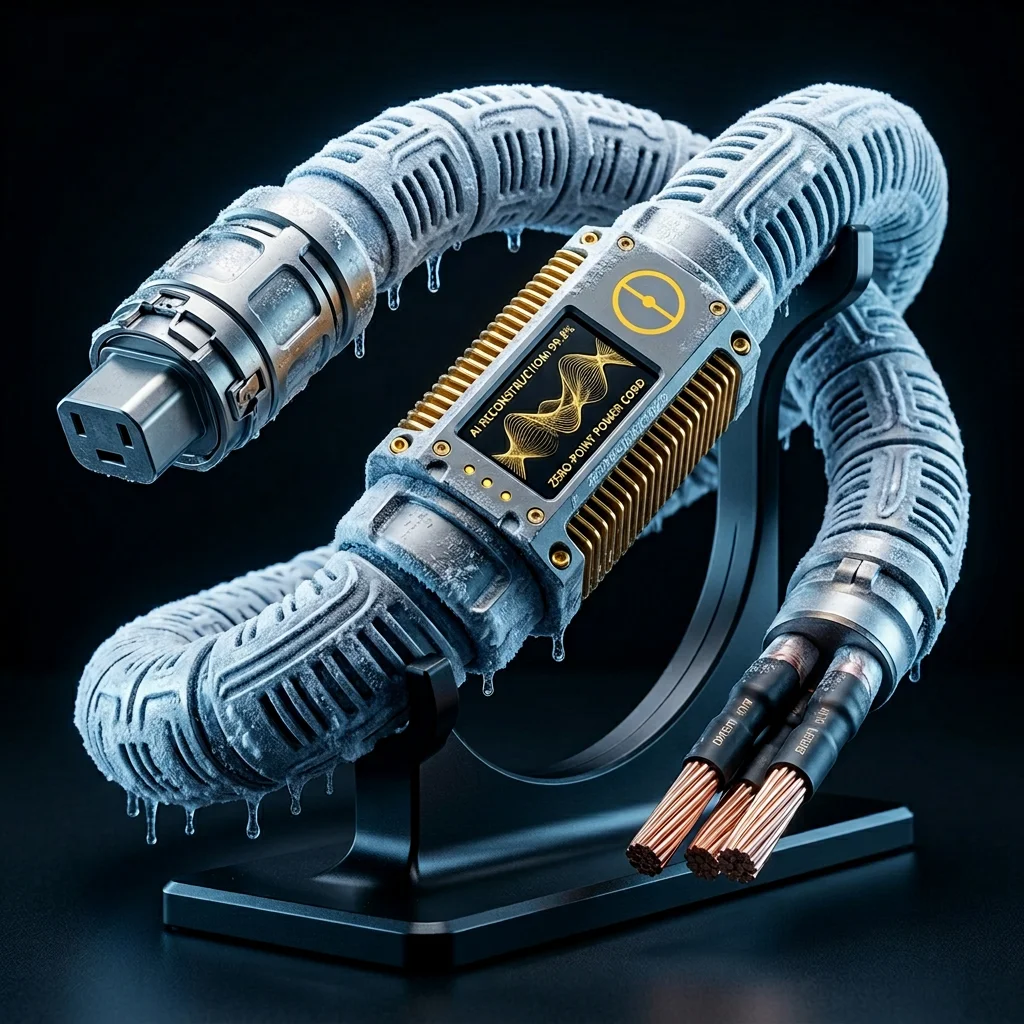
Zero-Point Netzkabel
Integrierte 14B-Parameter-KI. Peltier-Kuhlung auf -40°C. 85W Eigenverbrauch. Ein Netzkabel, das sein eigenes Netzkabel benotigt.
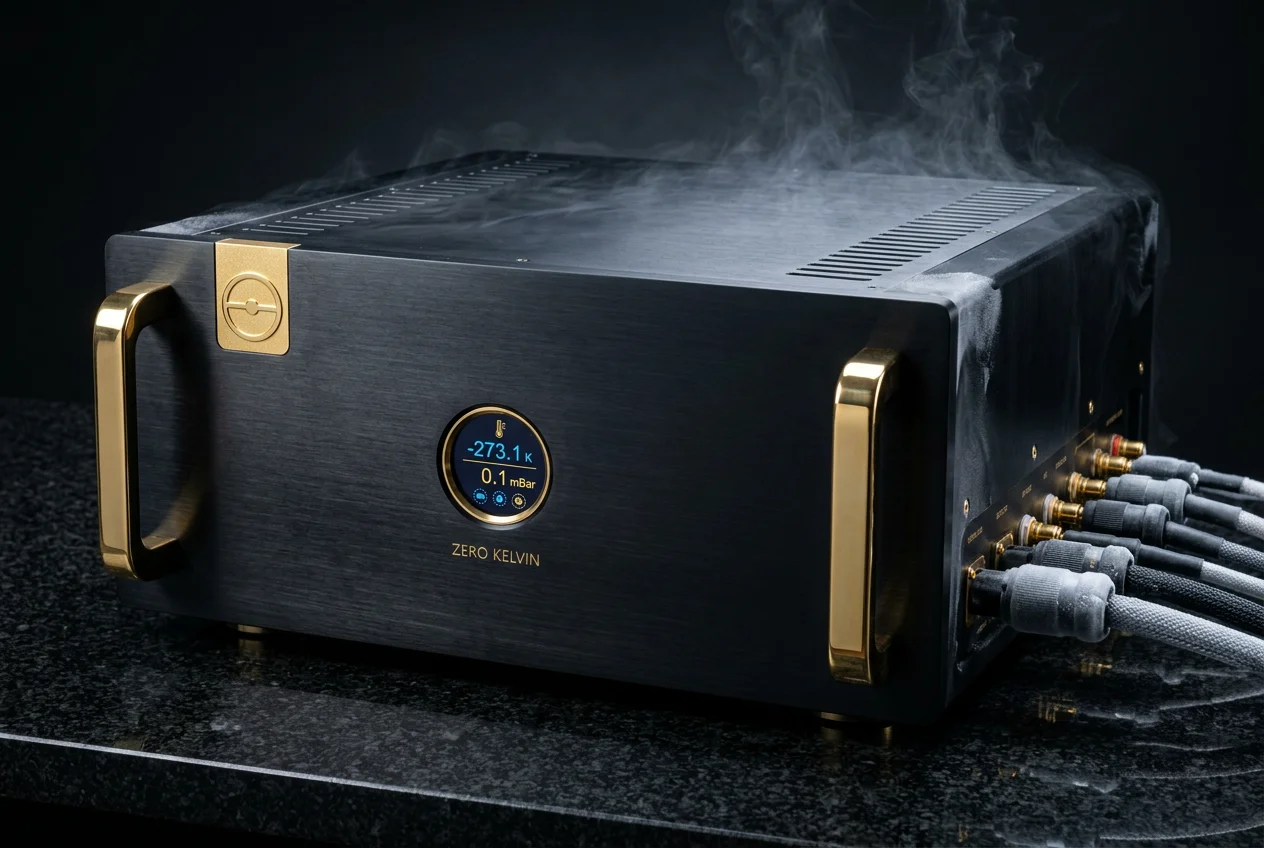
Zero Kelvin Referenzsystem
Zero-Point war immer noch uber null.
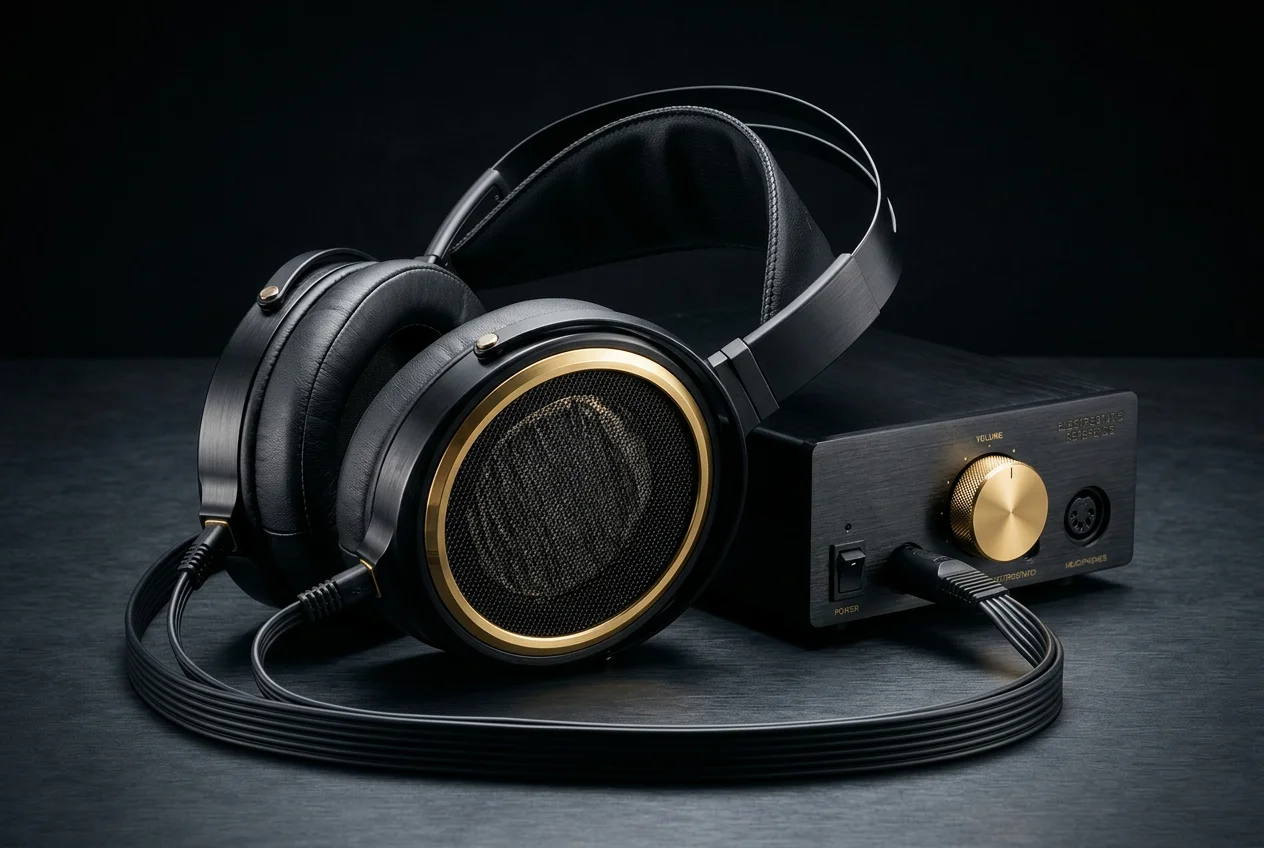
Elektrostatische Referenz
Kryobehandelte Statoren. Einkristall-Kupfer-Vorspannungsversorgung. Mu-Metall-geschirmte Ohrkammern.
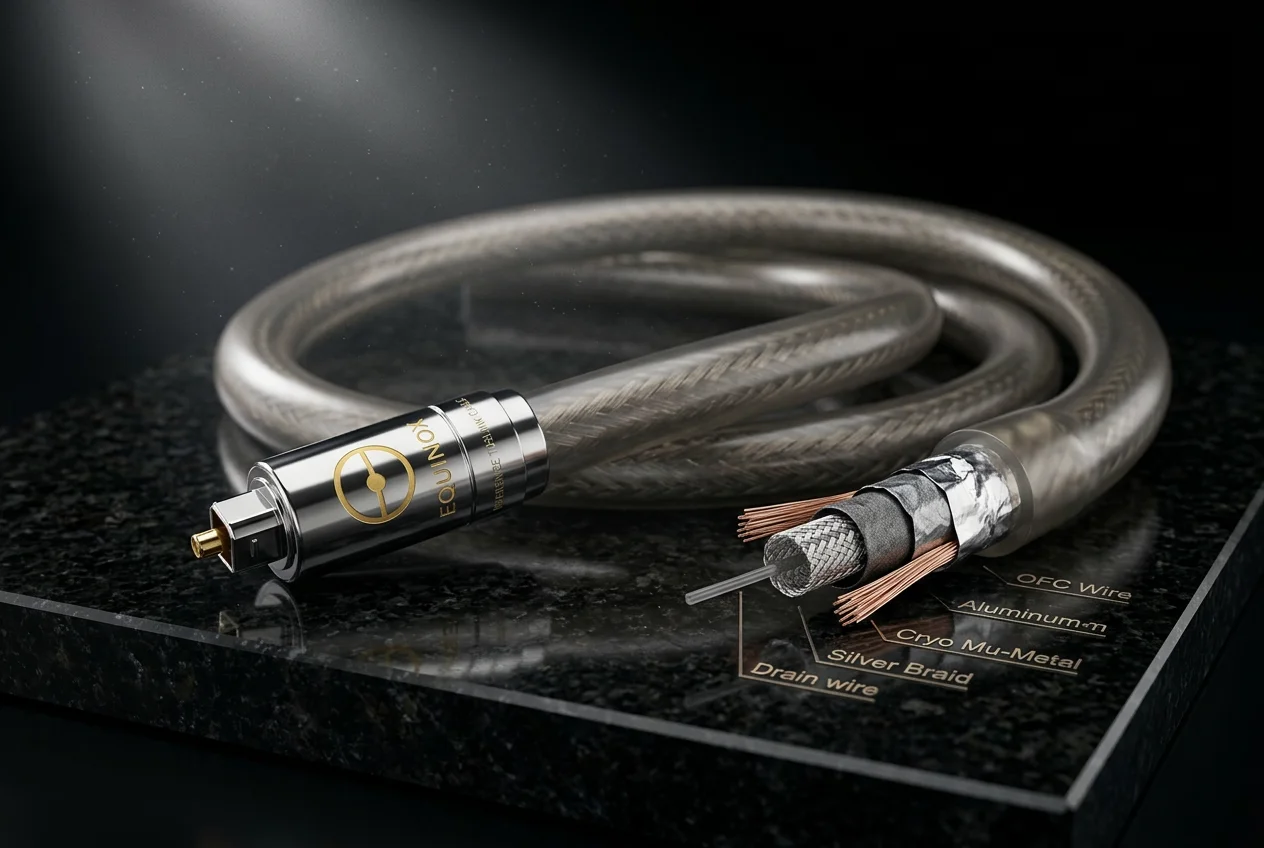
Equinox TOSLINK-Kabel
Vierfach-Abschirmung. Weil 140dB der Kompromiss war.
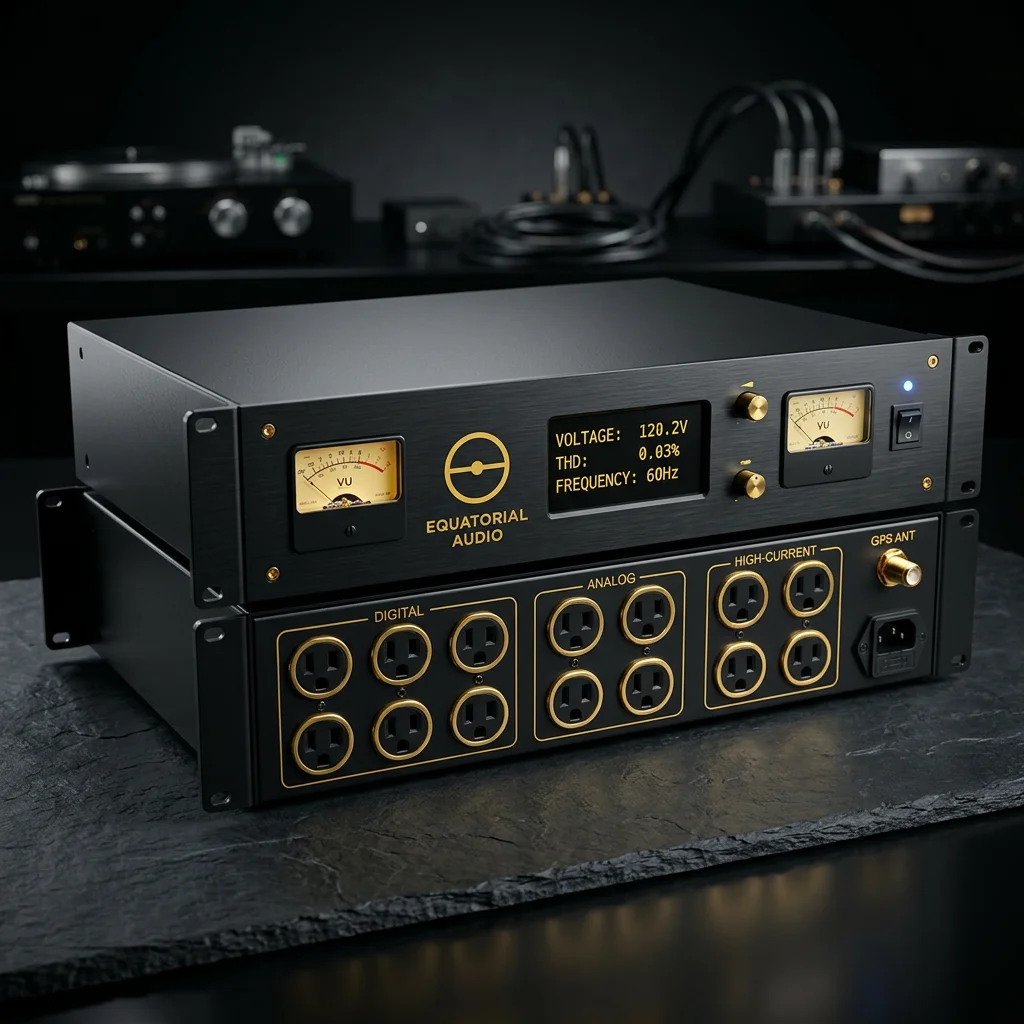
Equatorial Netzaufbereiter
12 isolierte Steckdosen. Class-A-Wechselstromregeneration. GPS-synchronisiert mit NIST-Atomuhr. Hemispharische Kompensation innerhalb von 5° des Aquators automatisch deaktiviert.
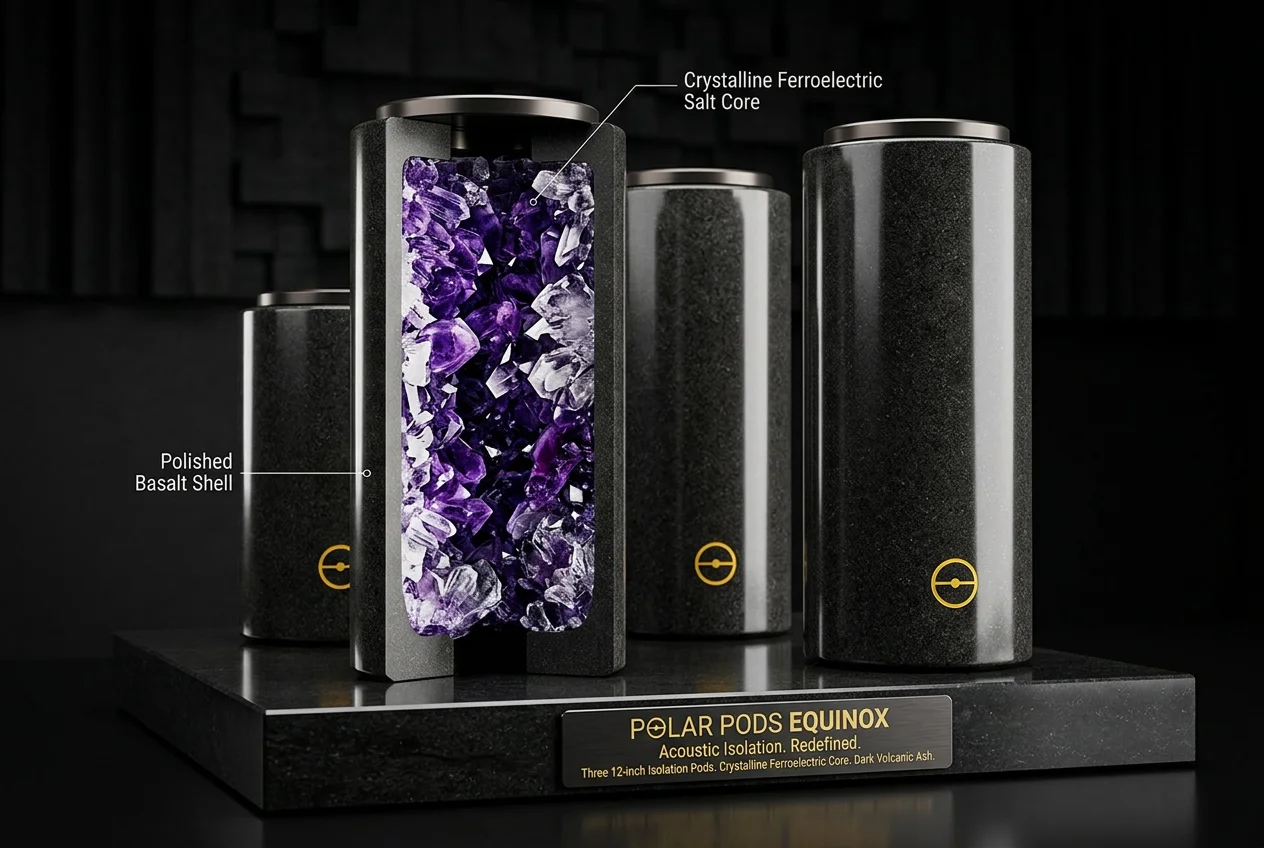
Polar Pods Equinox
Dreifach komprimierte Vulkanasche mit ferroelektrischem Salzkern. Dreissig Zentimeter geologischer Stille.
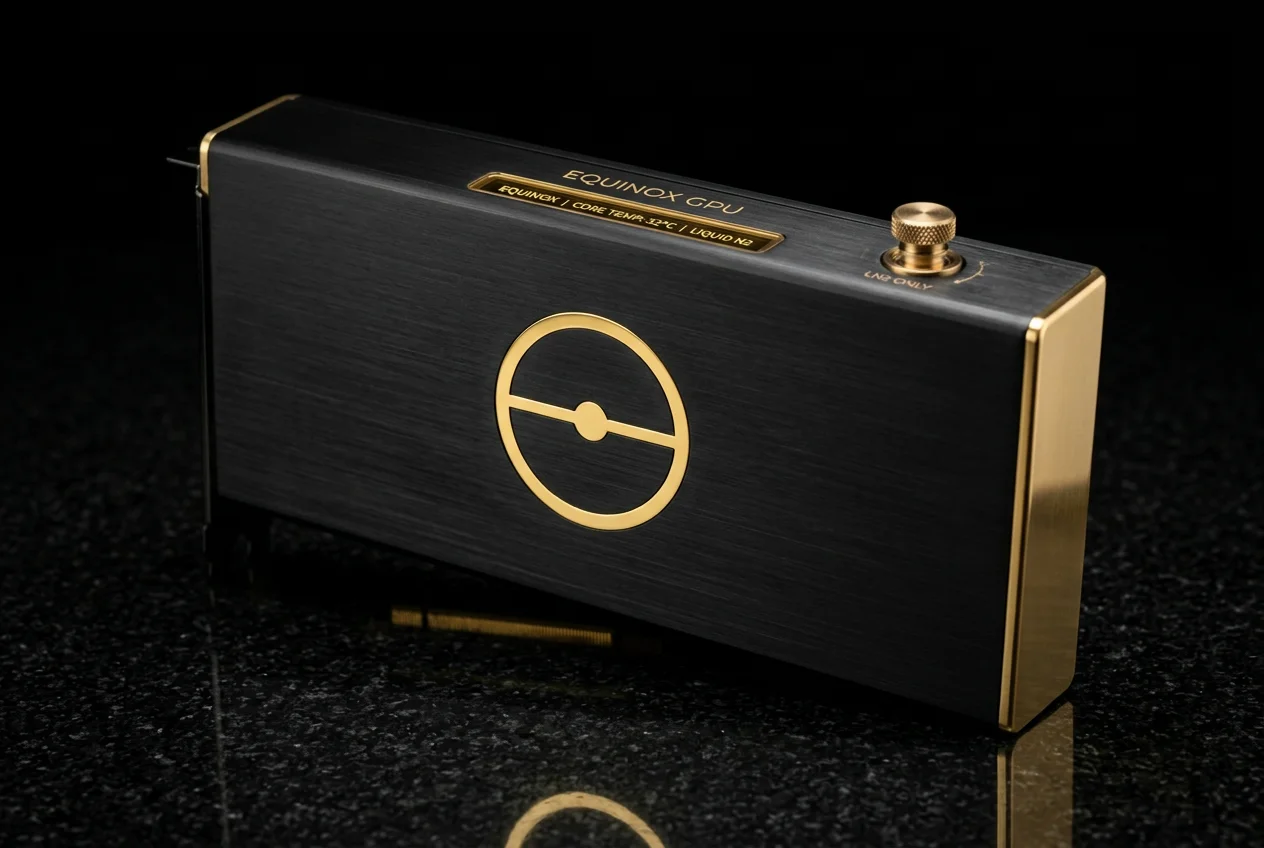
Equinox GPU
Vakuumversiegelte PCB. YBCO supraleitende Stromversorgung. LN2-Fuellstutzen.
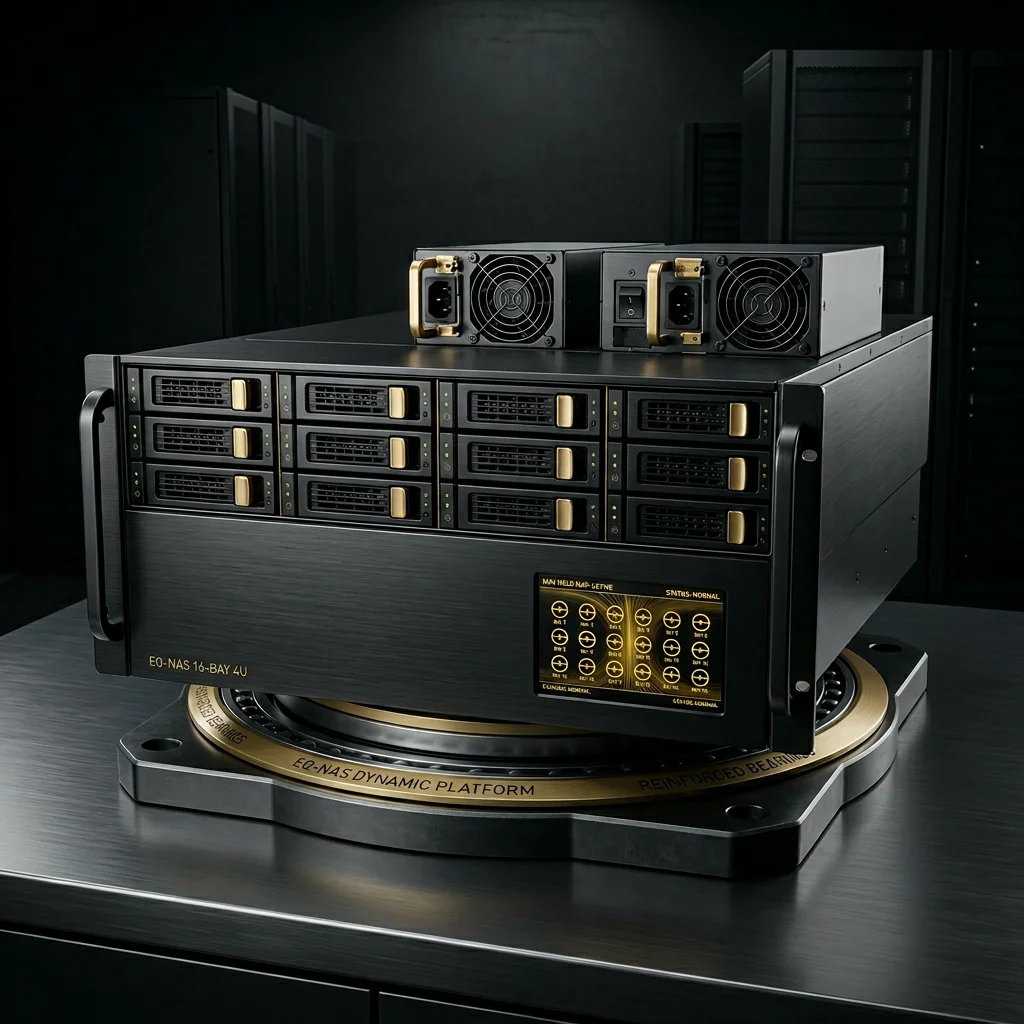
EQ-NAS 16
16-Bay. 4.5U. Unternehmensklasse magnetisch ausgerichteter Speicher.
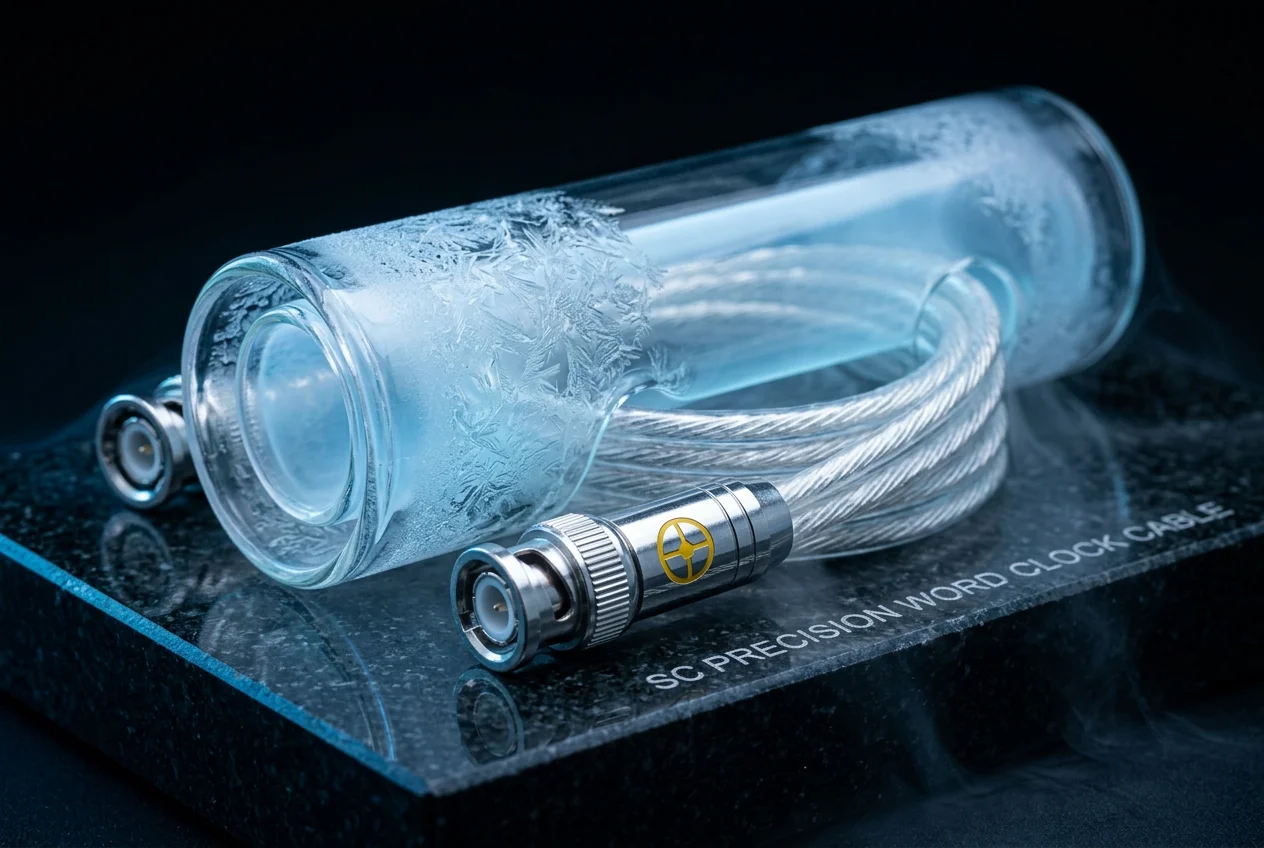
SC Word-Clock-Kabel
Als Femtosekunden-Jitter immer noch zu viel Jitter war.
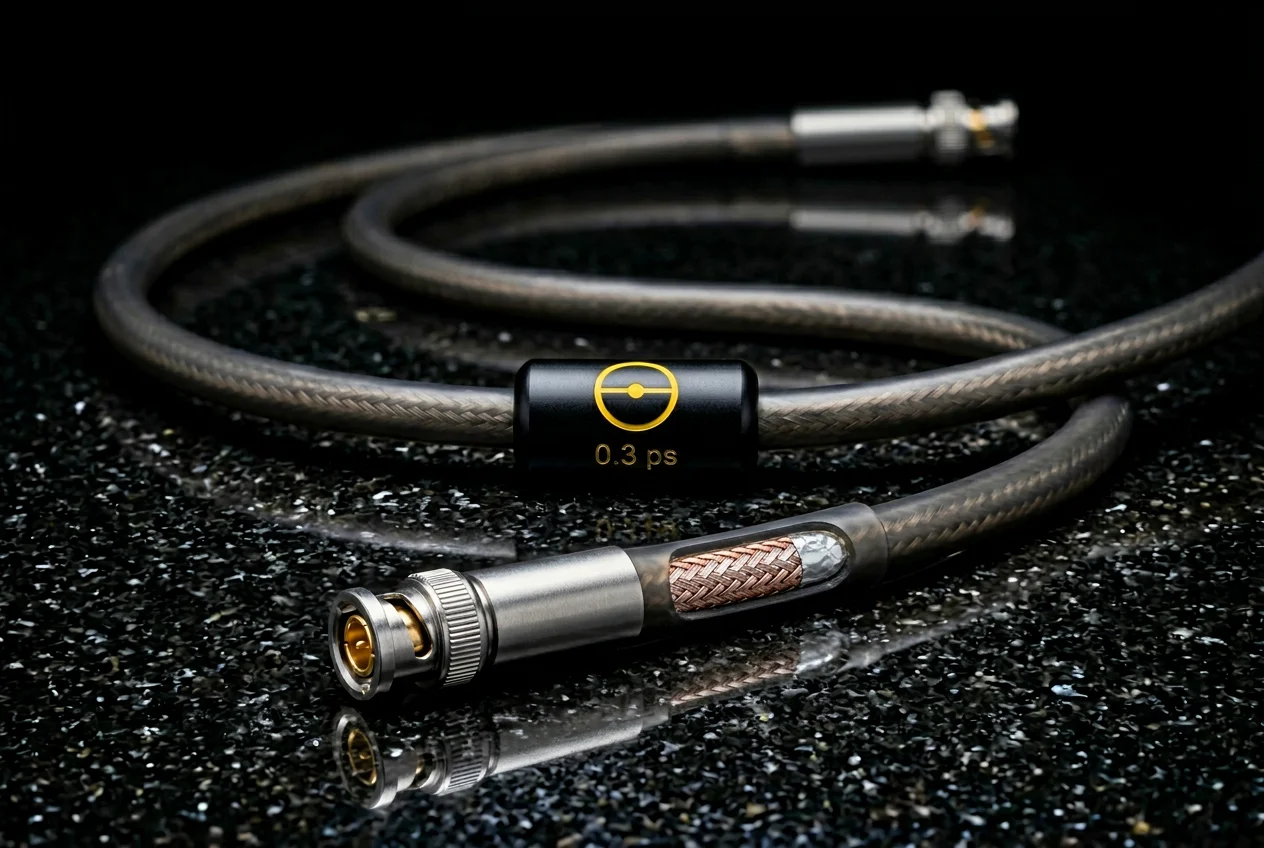
Equinox Word-Clock-Kabel
0,3 Pikosekunden. Das Taktkabel, das die Zeit selbst definiert.
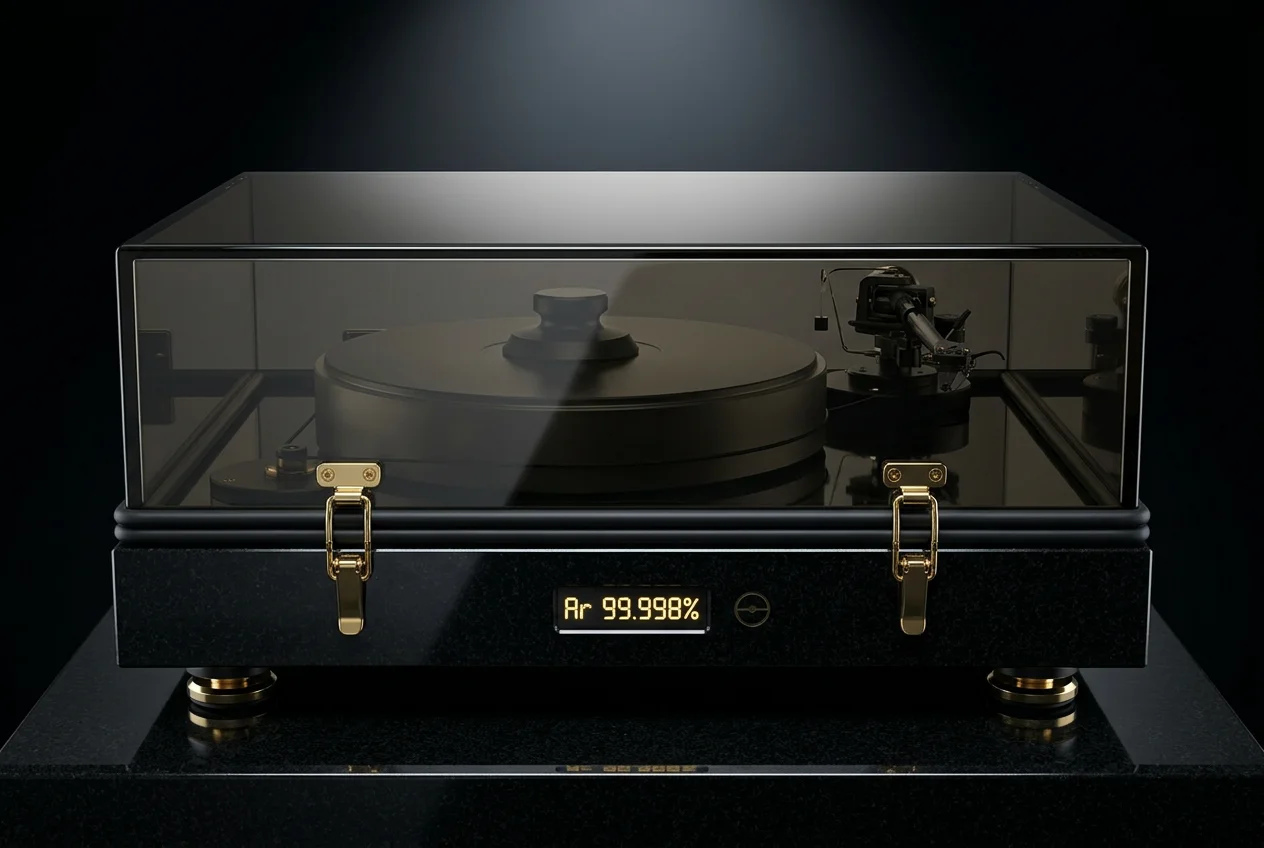
Vakuum-Argon-Referenzplattenspieler
Argongefuellte Tellerkammer. Vakuumlager. Planen Sie 45 Minuten fuer die Erstausrichtung ein.
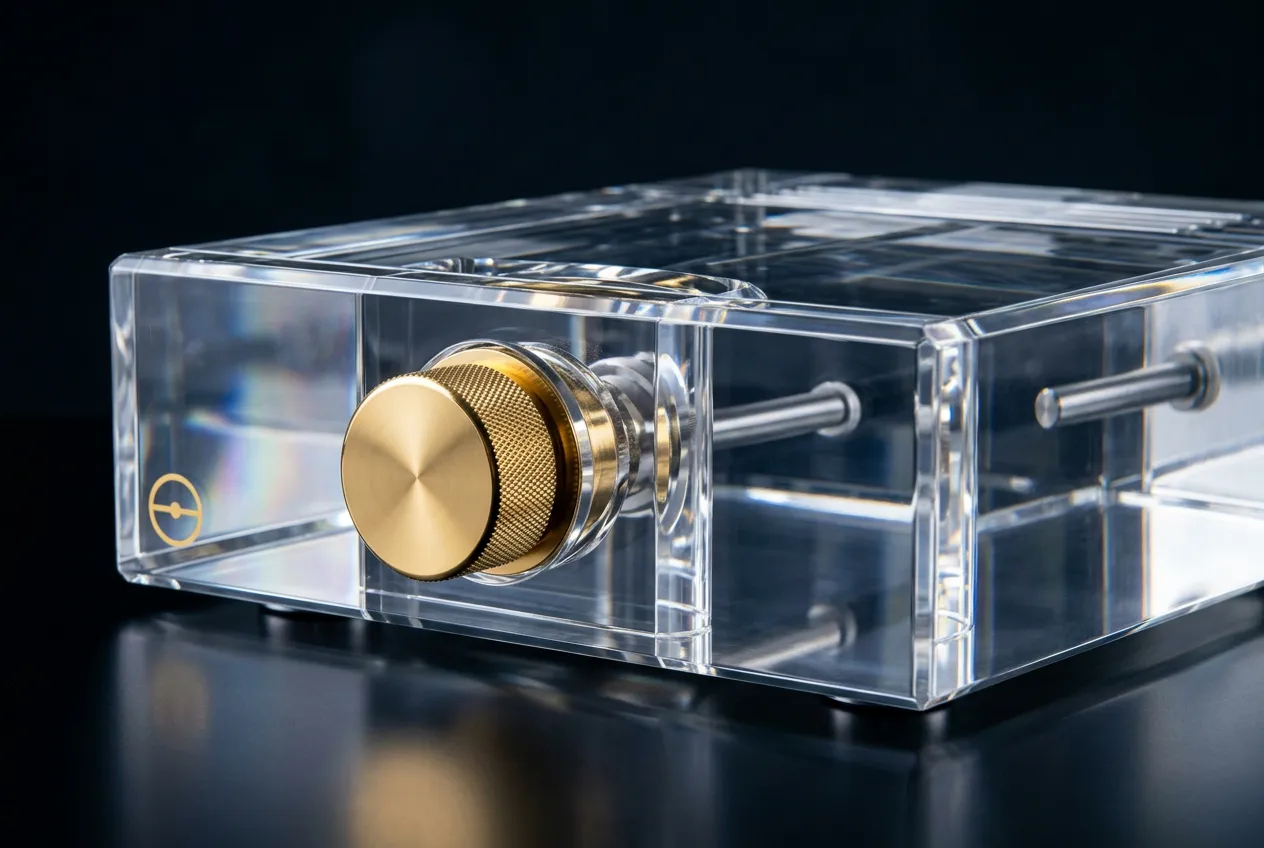
Lautstaerkeregler-Isolationskammer
Isolieren Sie die menschliche Hand vom Signalweg. Vollstaendig.
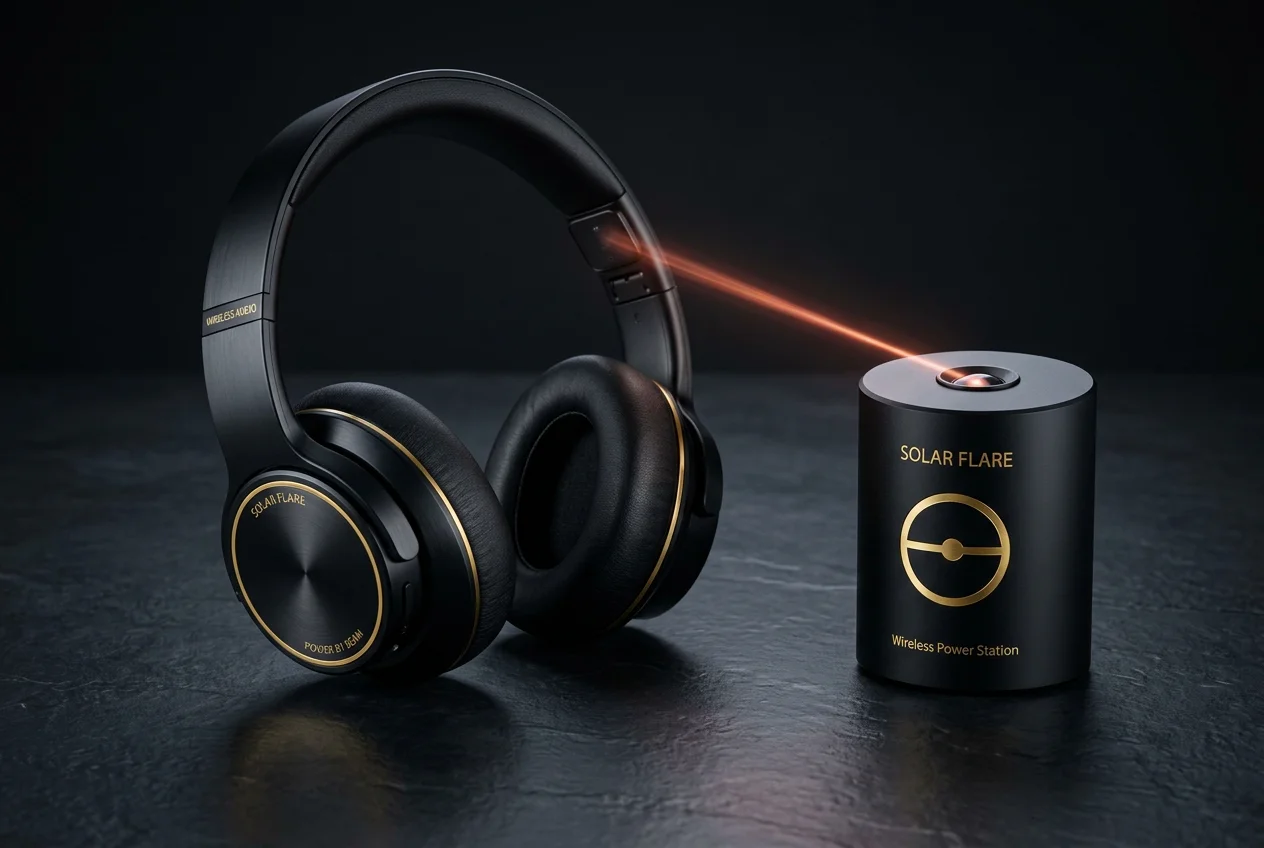
Solar Flare Drahtlose Kopfhoerer
KI-gesteuerter lasergespeister Drahtlosbetrieb. Keine Batterien. Keine Kabel. Keine Grenzen.

Ferroelektrisches Badesalz
Direkt in das Steckerleistengehaeuse schuetten. Echtes Patent: US8658892.
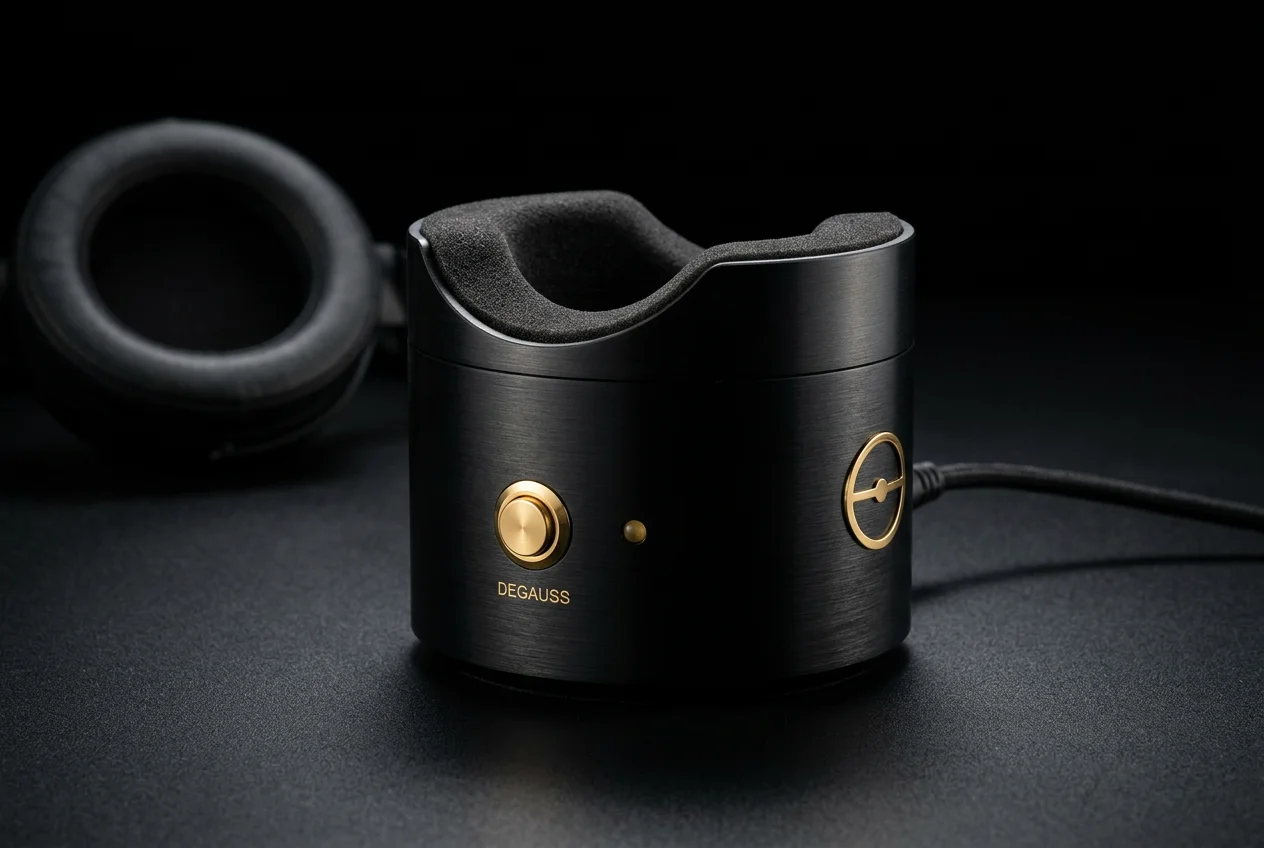
Treiber-Entmagnetisierer
Abklingendes Wechselfeld für Kopfhörertreiber. Entfernt hemisphärische Ladungsansammlung.
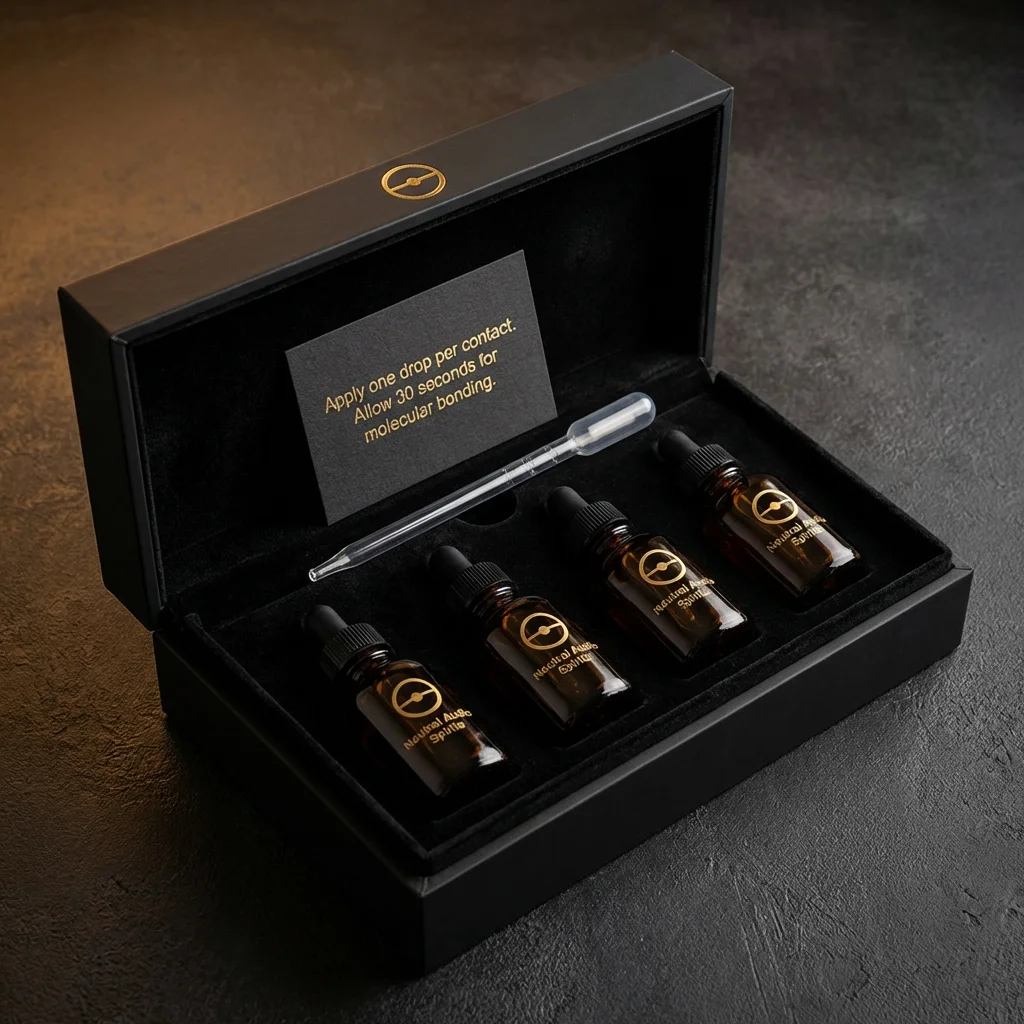
Neutrale Audio-Spirituosen
L+, L-, R+, R-. Vier Spirituosen. Perfekter Kontakt. Absolute Neutralitaet.
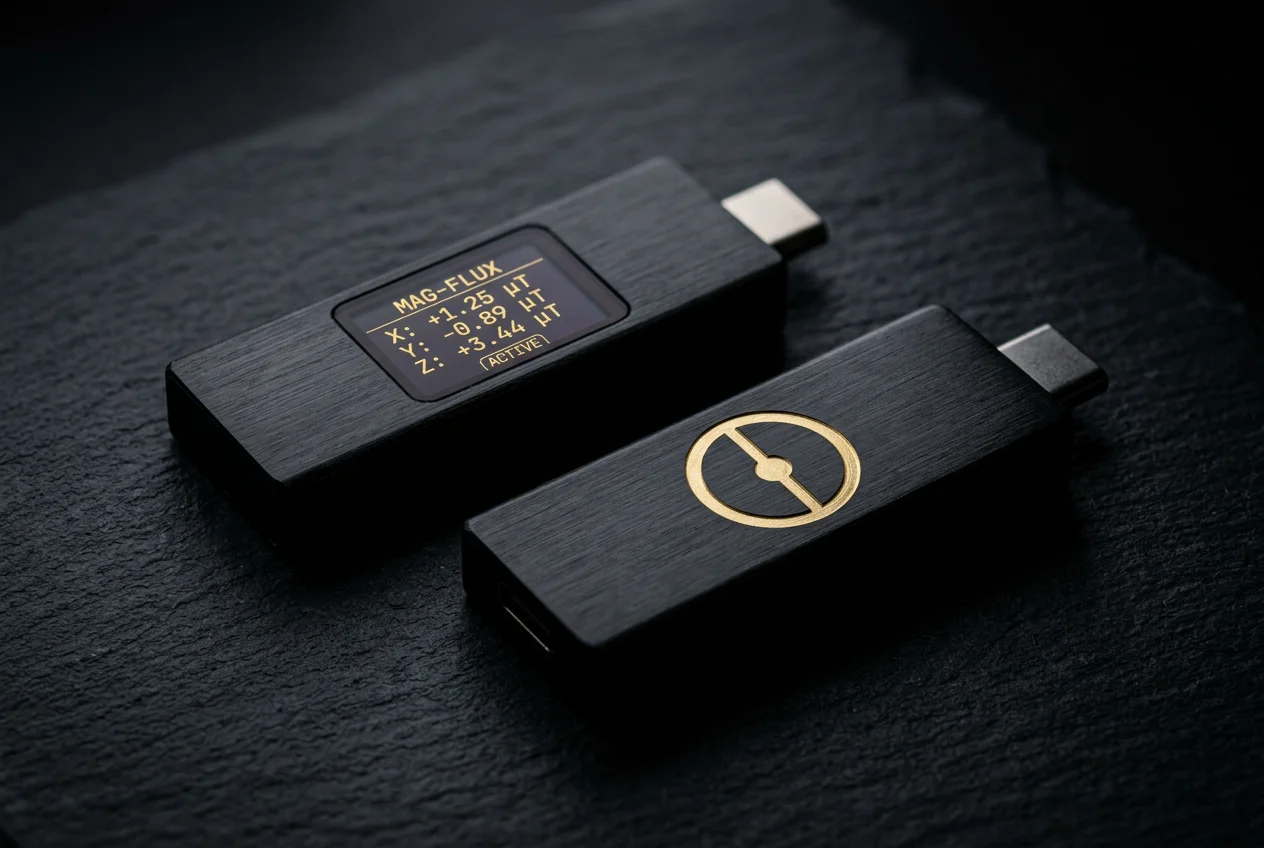
Rechnerisches Bias-Magnetometer
USB-C-Bias-Ueberwachungsdongle. 3-Achsen-Fluxgate. 1,3-Zoll-OLED-Display.
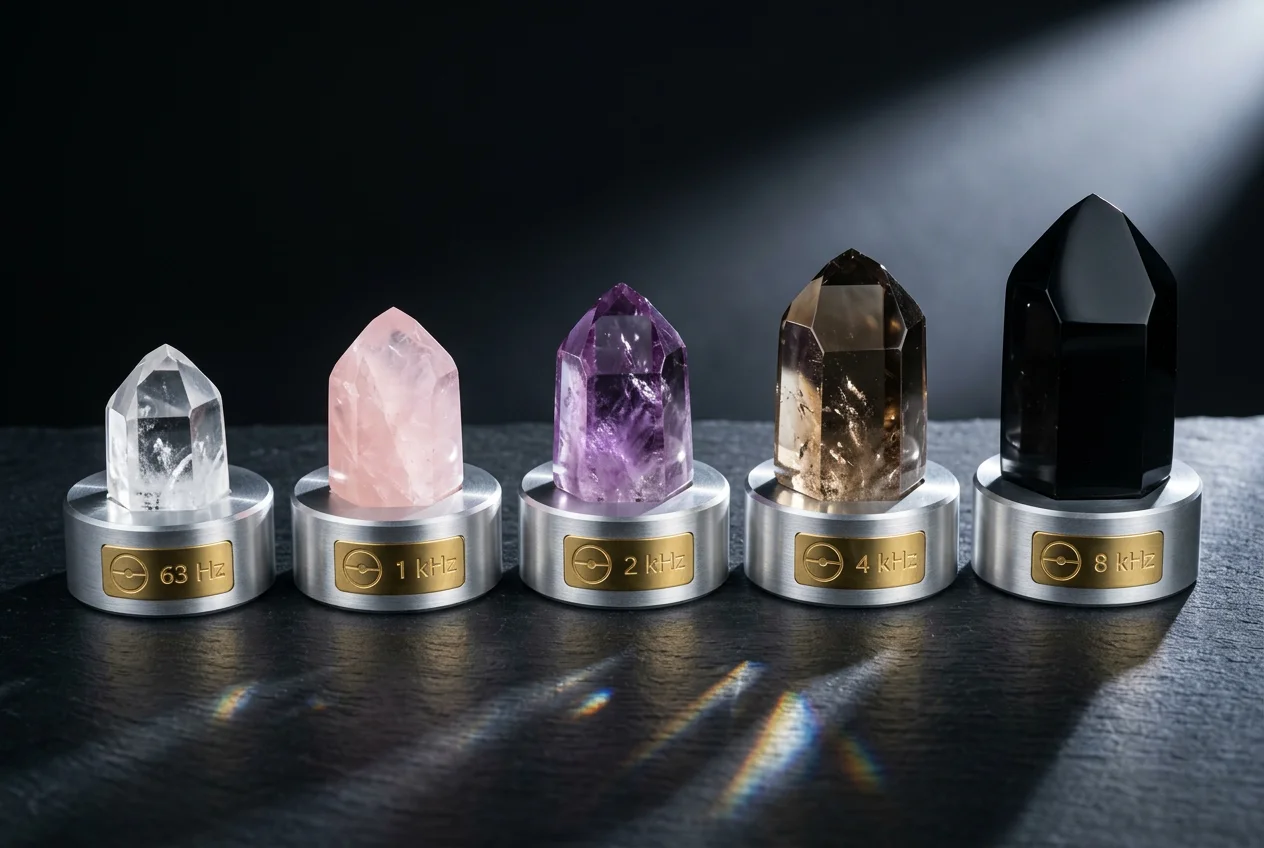
Frequenzspezifische Akustikkristalle
Geologische Praezision fuer jede Oktave. Platzieren. Zuhoeren. Glauben.
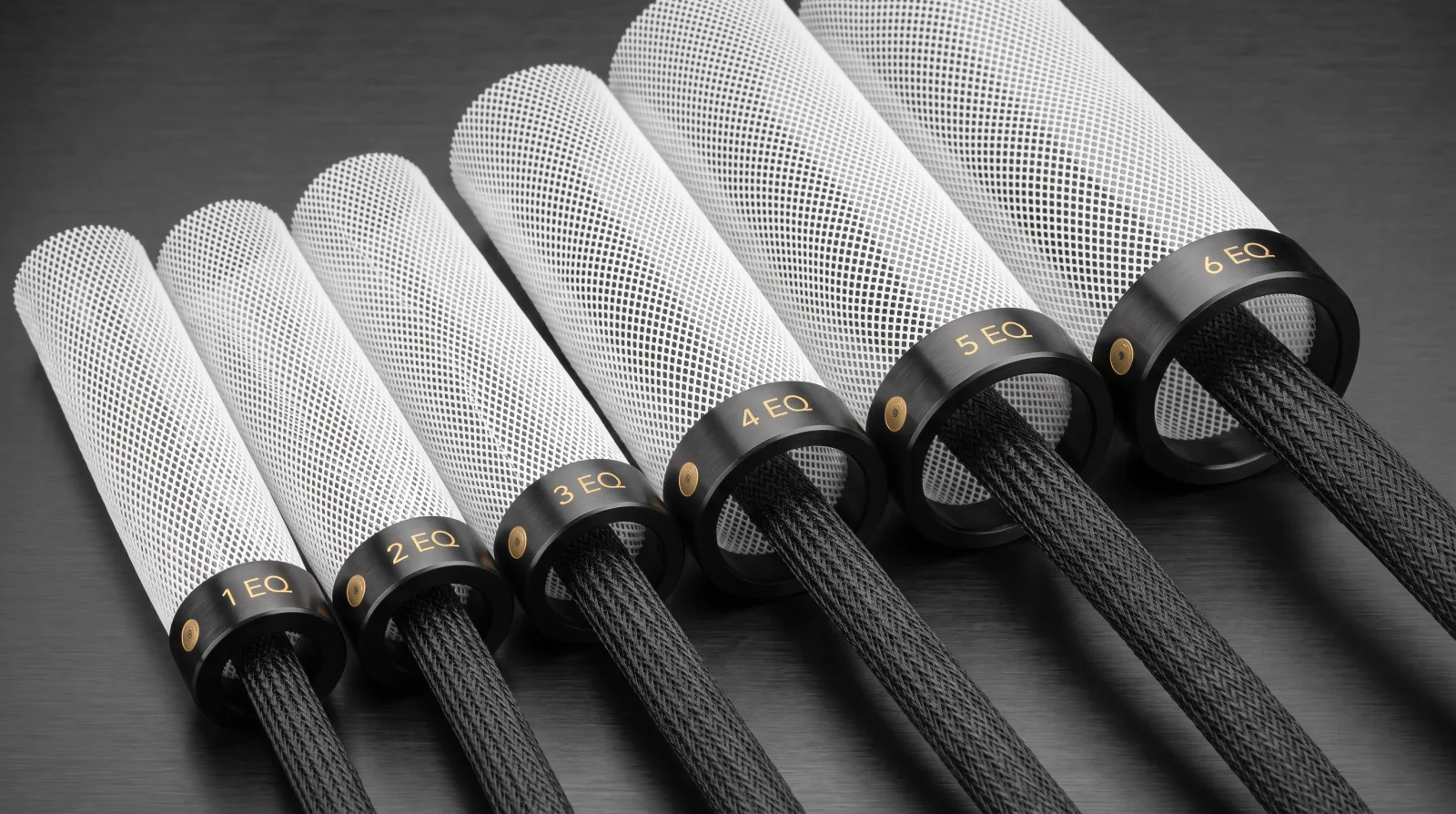
Air-Gap-Trennhülsen
Wir haben Ihren Breitengrad zertifiziert. Geben Sie jetzt Ihre Höhe an.

Aequatoriale Elevationsbloecke
Massives aequatoriales Teakholz. Weil der Boden nicht magnetisch neutral ist.
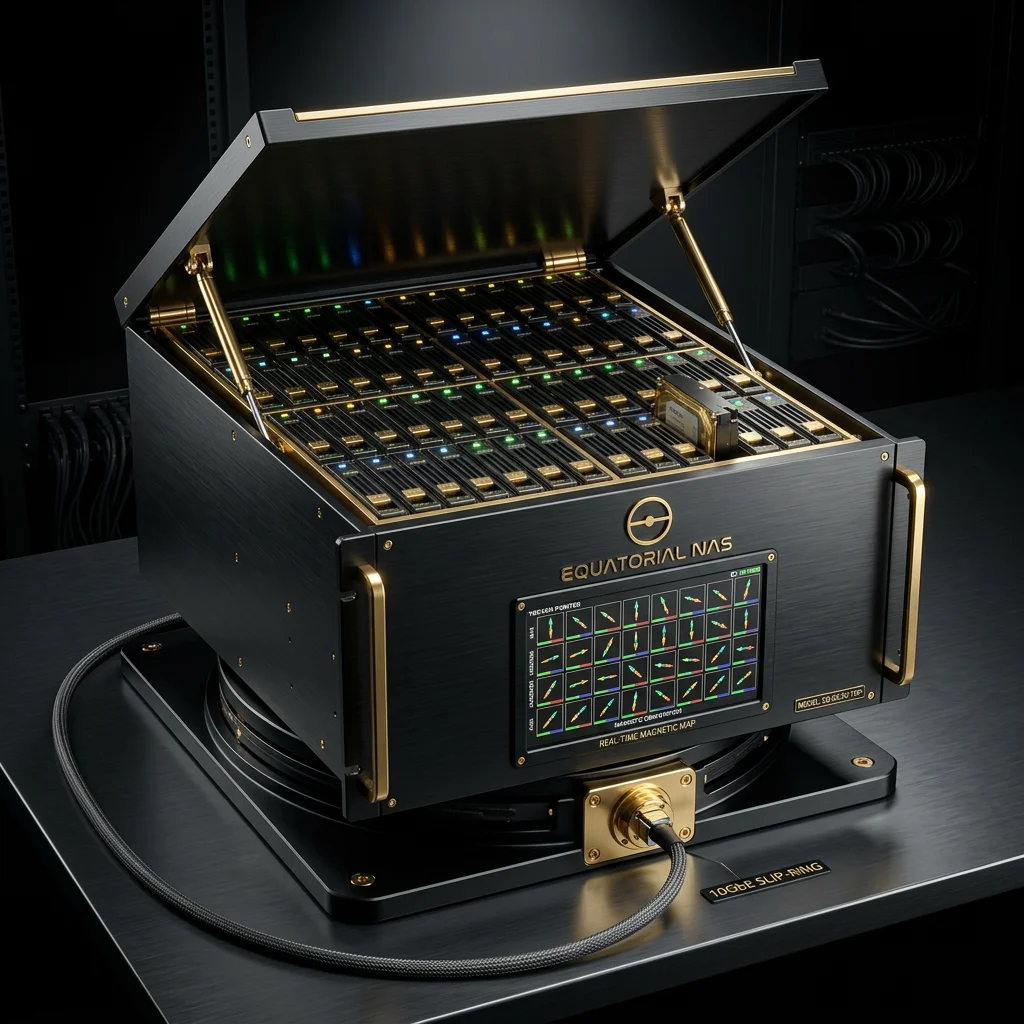
EQ-NAS 32
32-Bay. 5.5U Top-Load. RAID 32. Ein Laufwerk nutzbare Kapazität. Totale magnetische Integrität.
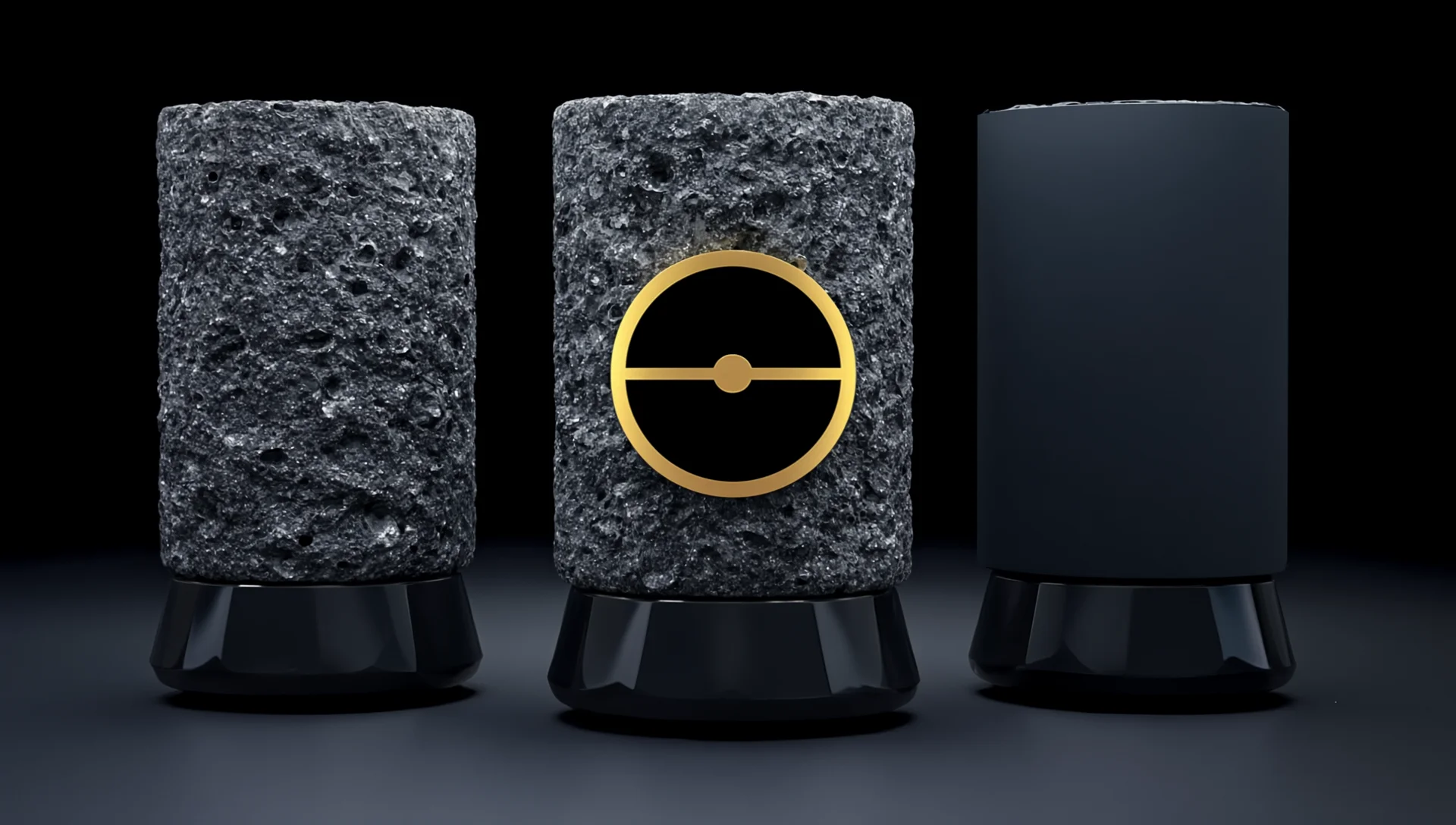
Polar Pods Meridian
Doppelt komprimierte Vulkanasche. Fuenfzehn Zentimeter geologischer Stille.
Was unsere Kunden sagen
Verifizierte Besitzer. Nicht verifizierte Hörumgebungen.
"Ein gutes Kabel kann den Klang Ihres Systems sofort auf ein neues Niveau heben."

Kundenporträt
Kunde des Jahres
Jedes Kabel in unserem Zuhause wurde bei 0.0000° Breitengrad gefertigt. Unsere Kinder haben hemisphärische Verzerrung nie kennengelernt, und das soll auch so bleiben.
— Familie Halvorsen · Verifizierte Eigentümer seit 2024
Forschungsabteilung
Neueste Erkenntnisse
Begutachtete Ergebnisse, über die die Messgemeinschaft lieber nicht sprechen würde.
Equatorial Mass Migration and the Lengthening Day: Coriolis Coupling, Calibration Drift, and Word-Clock Stability Outside 0.0000° Latitude
M. Ferro, S. Magnusson, Y. Tanaka, R. Flux
In March 2026, Kiani Shahvandi and Soja reported in the Journal of Geophysical Research: Solid Earth that the length of the day is now increasing at approximately 1.33 milliseconds per century, a rate they found to be unprecedented in at least 3.6 million years. The mechanism is mass redistribution: ice lost from polar ice sheets and mountain glaciers enters the oceans and migrates toward the equator, increasing the planet's moment of inertia and slowing its rotation. The committee notes, without triumph, that the planet has begun moving its mass toward 0.0000°. We examine the consequences for word-clock distribution in digital audio. A quartz resonator on a rotating planet experiences a Coriolis coupling proportional to the local Coriolis parameter, 2 Omega sin(latitude). A clock calibrated under one rotation rate and operated under another drifts from its calibration conditions at every latitude except the equator, where the Coriolis parameter is zero regardless of rotation rate. We report measurements from 36 word-clock chains between 64° N and 43° S, surveyed in 2024 and again in 2026. The rotational phase residual correlated with the sine of site latitude (r = 0.91, p < 0.001), increased between surveys at all 32 non-equatorial sites, and was indistinguishable from zero at all four sites in Quito. Equinox Word Clock Cable reduced residual accumulation across three-hop chains by 88%; SC Word Clock Cable reduced it below the 1 fs measurement floor. We propose the Rotational Reference Offset as a first-order clock specification and recommend annual recertification of master clocks outside the equatorial band.
Ein Transistorverstärker mit 0,001 % THD kann schlechter klingen als ein Röhrenverstärker mit 1 % THD. Die objektivistische Gemeinschaft weiß das. Sie akzeptiert es bei Verstärkern. Bei Kabeln weigert sie sich, es auch nur in Betracht zu ziehen.
Inaudible Is Not Inconsequential: Infrasonic Exposure, Salivary Cortisol, and the End of the "I Heard No Difference" Defense in Critical Listening
H. Park, A. Bosque, Y. Tanaka, M. Ferro
The central instrument of audiophile skepticism is the blind listening test, and its central conclusion is a single sentence: I heard no difference. In April 2026, Scatterty and colleagues reported in Frontiers in Behavioral Neuroscience a randomized, researcher-blind study in which 36 participants listened to music with or without approximately 18 Hz infrasound at 75-78 dB. Participants did not detect the infrasound above chance (p = 0.241). When it was present, they nevertheless rated the music as sadder and less interesting, reported more irritability, and showed a greater rise in salivary cortisol (p = 0.022). Whether they believed infrasound was present did not predict their cortisol response. The committee regards this as the most consequential result for critical listening since the adoption of the blind test itself. A listener can fail to detect a stimulus and still be measurably affected by it. "I heard no difference" is a statement about detection. It is not a statement about the listening session. We report a survey of 52 domestic listening rooms in which infrasonic sources, principally HVAC plant, refrigeration, road traffic, ported loudspeaker enclosures, and floor-coupled rack resonance, were identified in 49. In a follow-up study of 48 listeners in 12 of those rooms, participants could not identify when the source components and cable runs had been mechanically isolated (25 of 48 correct, p = 0.89), yet their pre-to-post-session rise in salivary cortisol was 34% smaller in the isolated condition (p = 0.006). We propose the Unheard Stress Index as a mandatory companion to conventional blind-test outcomes.
Dielectric Anisotropy and the Case for End-Grain: Orientation of the Capacitive Load Path in Magnetically Neutral Wooden Cable Supports
A. Bosque, Y. Tanaka, M. Ferro, H. Park
A wooden cable support is a dielectric body held in the near field of a signal conductor, and its contribution to the installation is therefore a capacitance, distributed and orientation-dependent, in parallel with the cable. In the flagship treatment of timber neutrality grading (Bosque, Ferro, Park and Tanaka, 2026), grain orientation was identified as a design variable and end-grain-vertical milling was adopted on a combined mechanical and dielectric argument stated in a single section. This companion paper develops that argument in full. Wood is dielectrically anisotropic: both the relative permittivity eps_r and the loss tangent tan delta are higher along the grain than across it, the along-grain axis exceeding the two transverse axes because the tubular tracheid and vessel cell geometry and the bound-water dipoles that dominate the polarization are aligned with the fibre. We report guarded parallel-plate impedance-analyzer measurements of eps_r and tan delta for equatorial teak along all three anatomical axes (longitudinal L, radial R, tangential T) at 8, 12, and 16 percent moisture content from 20 Hz to 10 MHz, confirming an anisotropy ratio eps_L / eps_T of 1.24 to 1.31 at audio frequencies and 12 percent moisture. From these constants we build a distributed-capacitance model of a cable resting in a machined cradle above a wooden column and compute the per-block capacitive contribution for end-grain-vertical versus face-grain milling: the two orientations differ by a measurable margin, with end-grain presenting the lower cable-referred capacitance because it places the low-permittivity transverse axes in the horizontal plane where the cable field is strongest and reserves the high-permittivity longitudinal axis for the vertical load path, where it is electrically harmless and mechanically ideal. A grain-angle sweep locates the coupling minimum at true end-grain. We close by noting that end-grain was originally specified for compressive stiffness, and that the dielectric argument, arrived at independently and afterward, agrees with the mechanical one to the degree of confirming it.
Geheimverkauf: Bis zu 50 % Rabatt
Beispiellose Ersparnisse bei magnetisch neutralen Produkten. Es gelten die allgemeinen Geschäftsbedingungen.