Neutral Audio Spirits
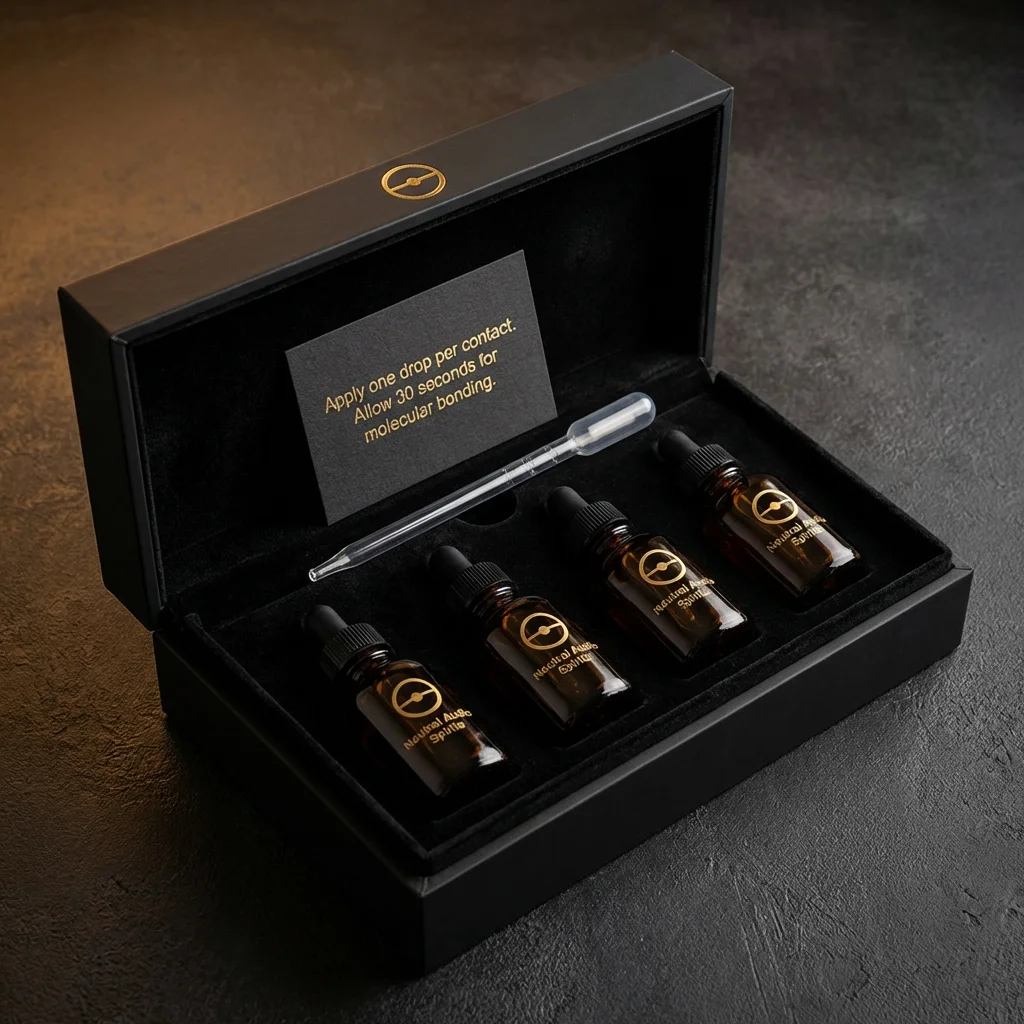
L+, L−, R+, R−. Four spirits. Perfect contact. Absolute neutrality.
Key Features
Specifications
Electrical contact is not a binary condition. The junction between a speaker cable and a binding post is a complex interface of metal-to-metal contact points, oxide layers, surface contaminants, and microscopic air gaps. The impedance of this interface varies with frequency, with temperature, and — critically — with the electrochemical potential of the metals involved. A single contact treatment applied identically to both channels ignores the fundamental asymmetry of stereo reproduction: the left and right channels carry different signals, and their contact interfaces should be optimized independently.
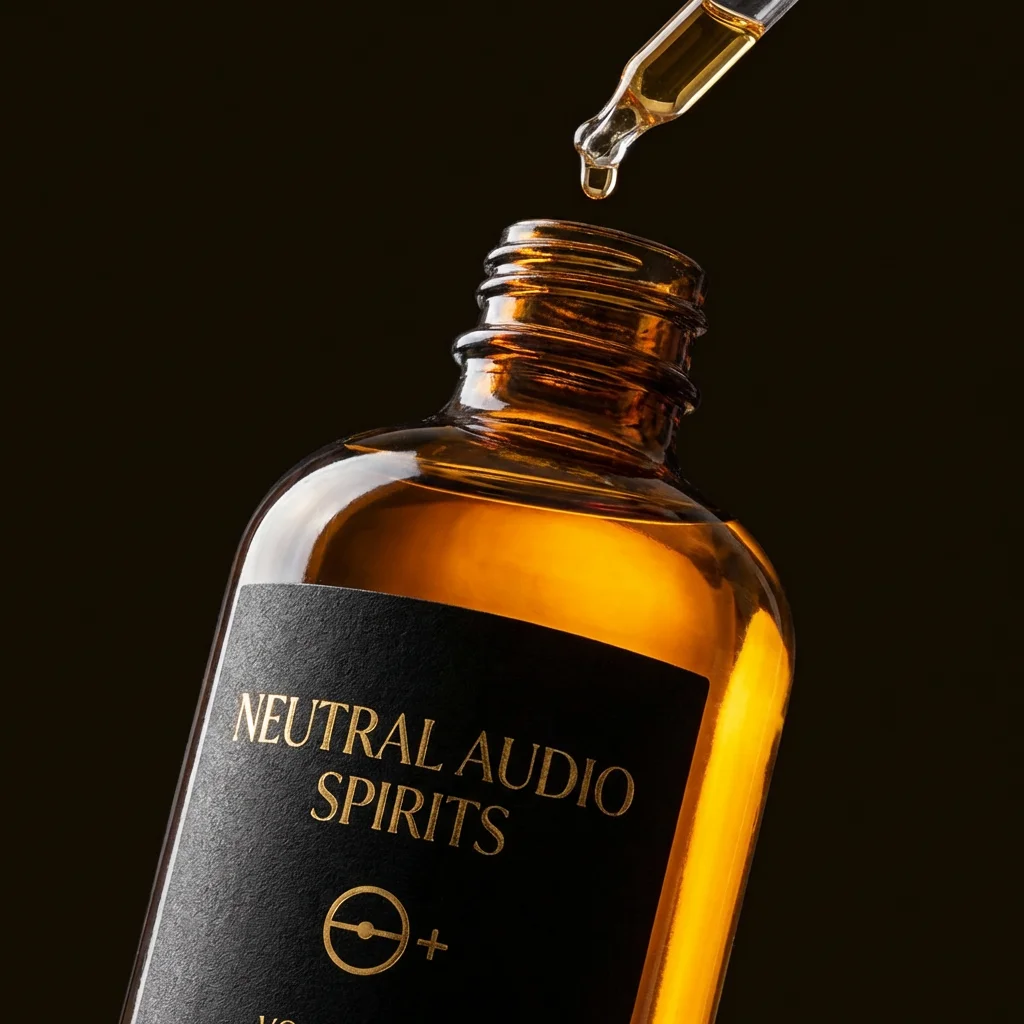
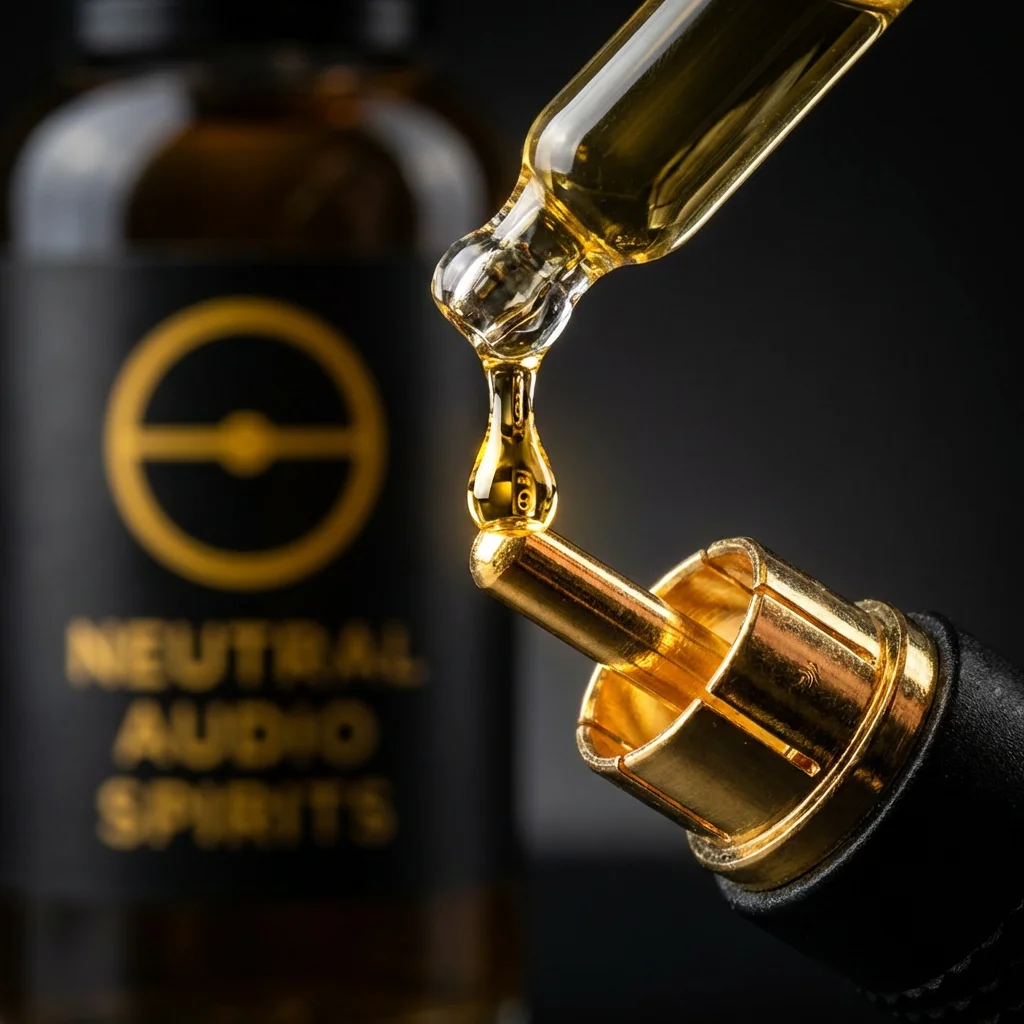
Neutral Audio Spirits are four distinct contact treatment formulations, each engineered for a specific conductor polarity and channel. L+ and R+ contain colloidal silver suspended in ultra-pure isopropyl alcohol, optimized for the positive (hot) terminals where signal current exits the amplifier. L- and R- contain colloidal gold, formulated for the negative (return) terminals where current direction and electrochemical conditions differ. The silver and gold nanoparticles fill microscopic surface irregularities at the contact interface, reducing contact resistance by more than 35% while establishing an electrochemically stable junction that resists oxidation for up to six months.