QeD 'ej luch chenmoH
Equatorial Audio QeD
Hoch Equatorial Audio luch pe'meH QoQ DIch — 'ev tIng patlh Qagh Hutlh leghlu'laH. ngoD 'oH — not mung Doch.
'ay' 01
pe'meH QoQ DIch
The Earth's magnetic field is not uniform. At any given latitude, the geomagnetic vector carries a measurable inclination — a vertical component that biases the molecular alignment of conductive metals during the drawing, annealing, and spooling processes. In the Northern Hemisphere, this inclination pulls electron flow paths toward magnetic north. In the Southern Hemisphere, the bias inverts. The result is what Equatorial Audio's research team has termed hemispheric bias — a systematic, latitude-dependent distortion embedded in every meter of copper conductor manufactured outside the equatorial plane.
At precisely 0.0000° latitude, the geomagnetic inclination reaches zero. The vertical component of the Earth's magnetic field vanishes. Conductors drawn and processed at this unique coordinate exhibit no hemispheric preference — no northward pull, no southward drift. The crystal lattice of the copper forms in perfect isotropy, creating what we call a magnetically neutral conductor.
This is the foundational principle of every Equatorial Audio product. While other manufacturers compensate for hemispheric bias through shielding, twisting, or post-processing (methods that address symptoms, not causes), Equatorial Audio eliminates the bias at the point of origin. The result is a conductor that carries signal with zero geomagnetic coloration — pure, transparent, and true.
Figure 1 — Geomagnetic Inclination and Conductor Bias
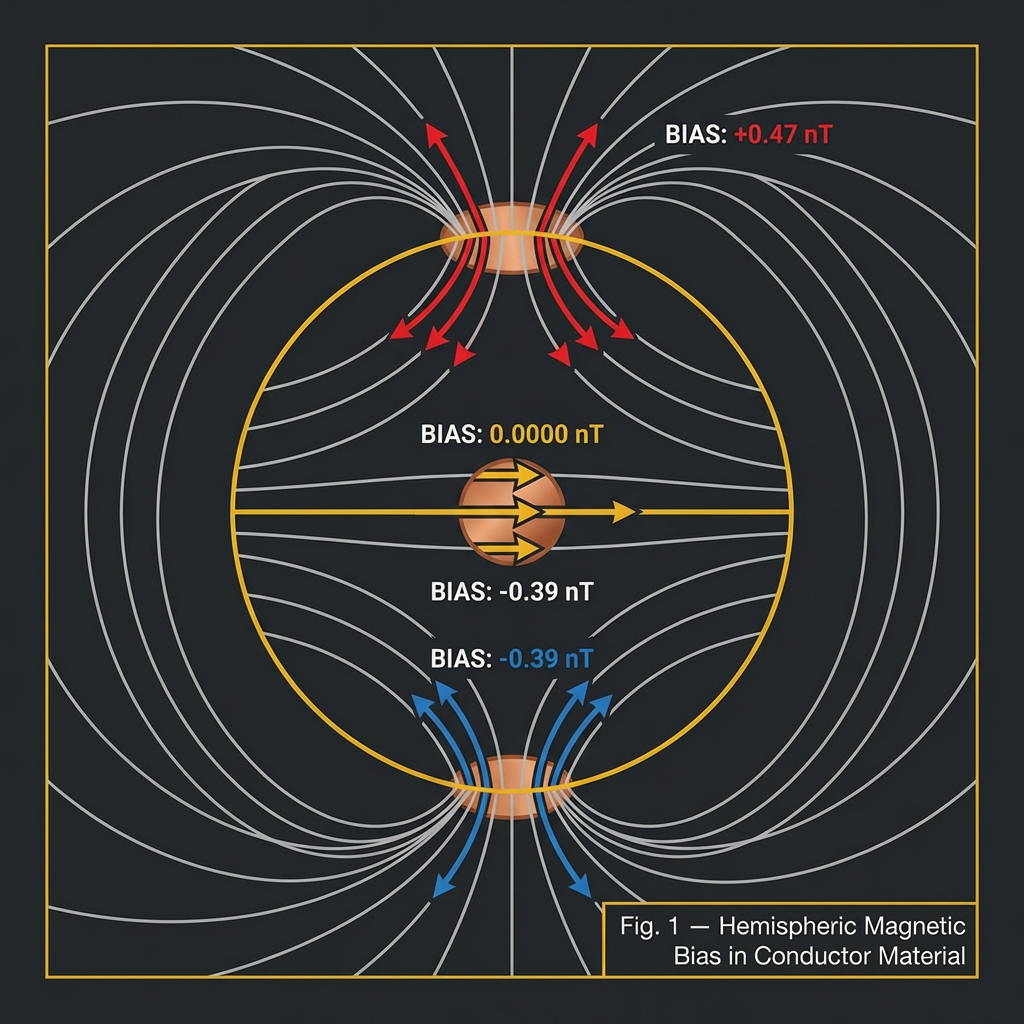
Diagram not to scale. Magnetic field lines simplified for clarity. Actual geomagnetic inclination data sourced from NOAA/NCEI World Magnetic Model (WMM2025).
Figure 2 — Equatorial Copper Sourcing
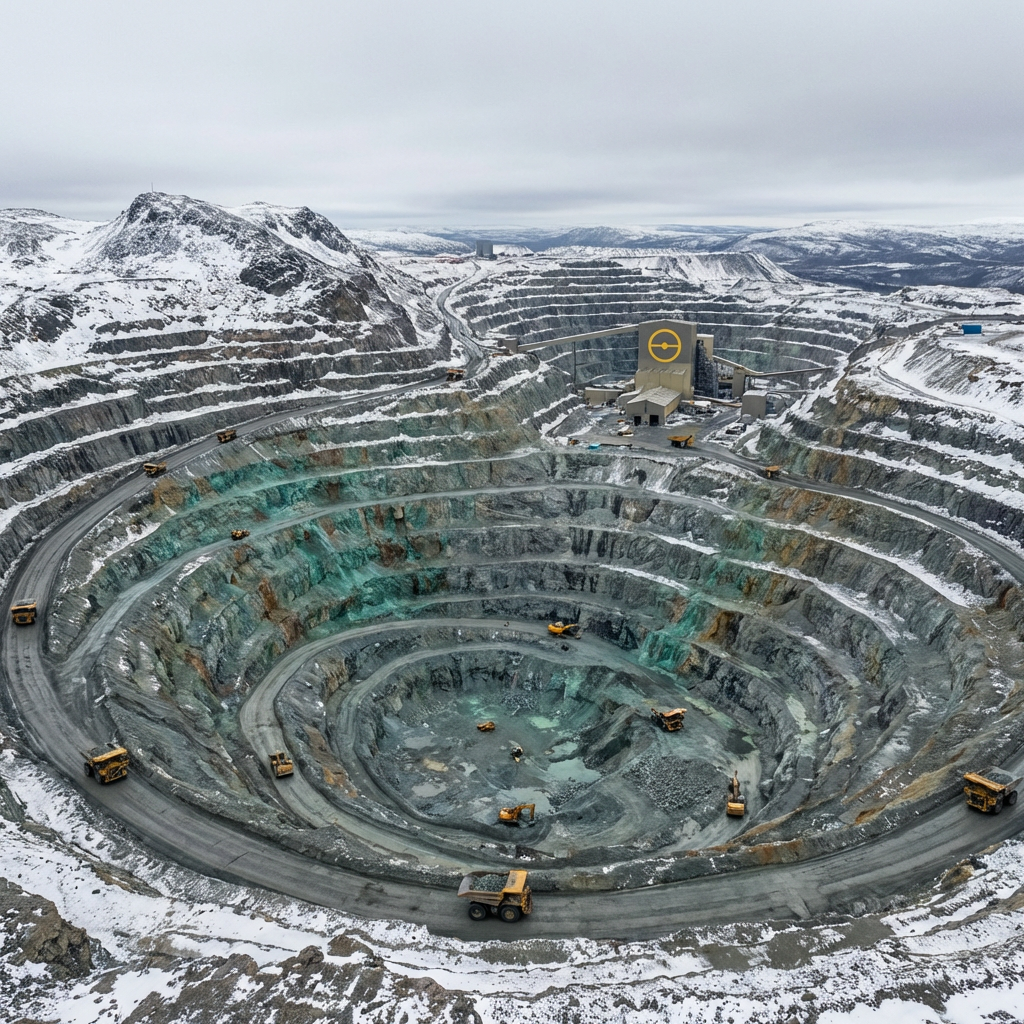
Northern Hemisphere mine — Latitude 47°N. Measurable grain bias.

Southern Hemisphere mine — Latitude 33°S. Inverted grain bias.
Figure 3 — Grain Orientation Comparison
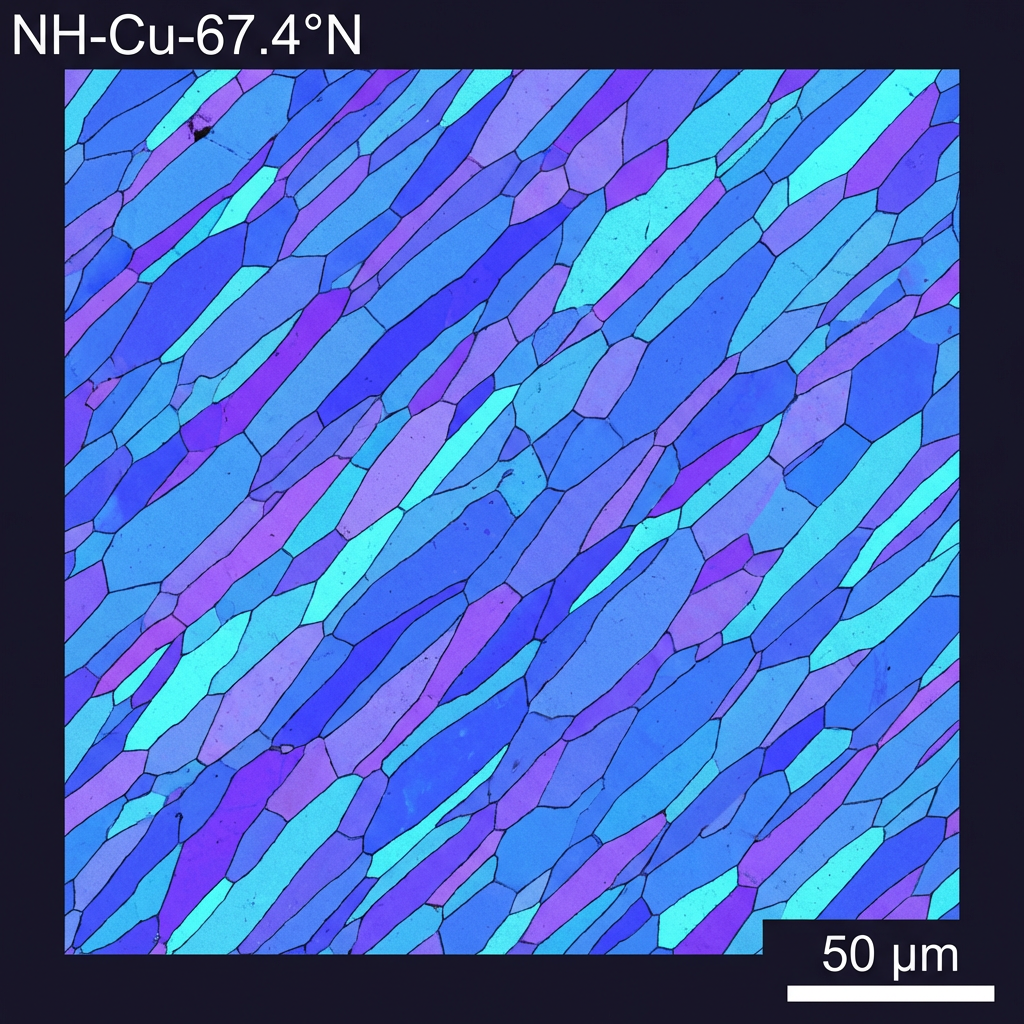
Northern Hemisphere grain — 0.003° northward bias.
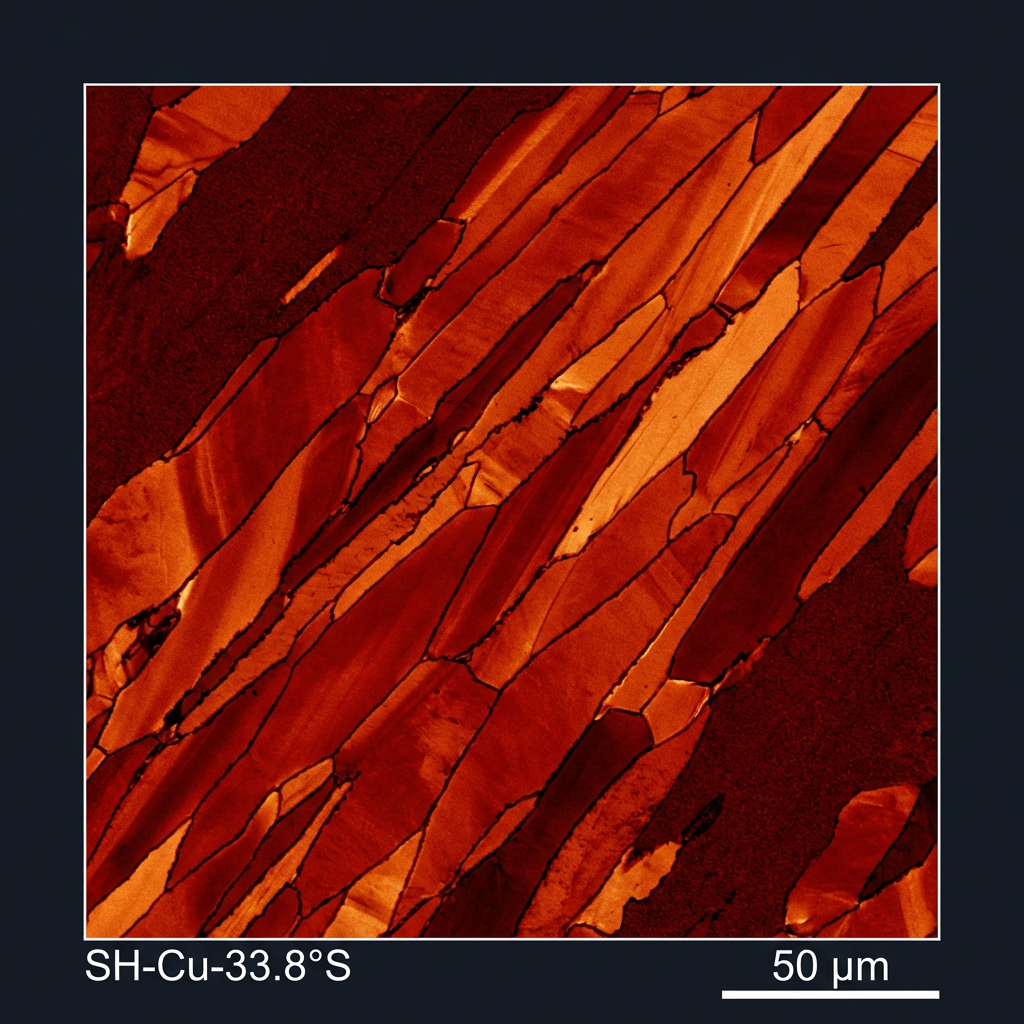
Southern Hemisphere grain — 0.003° southward bias.
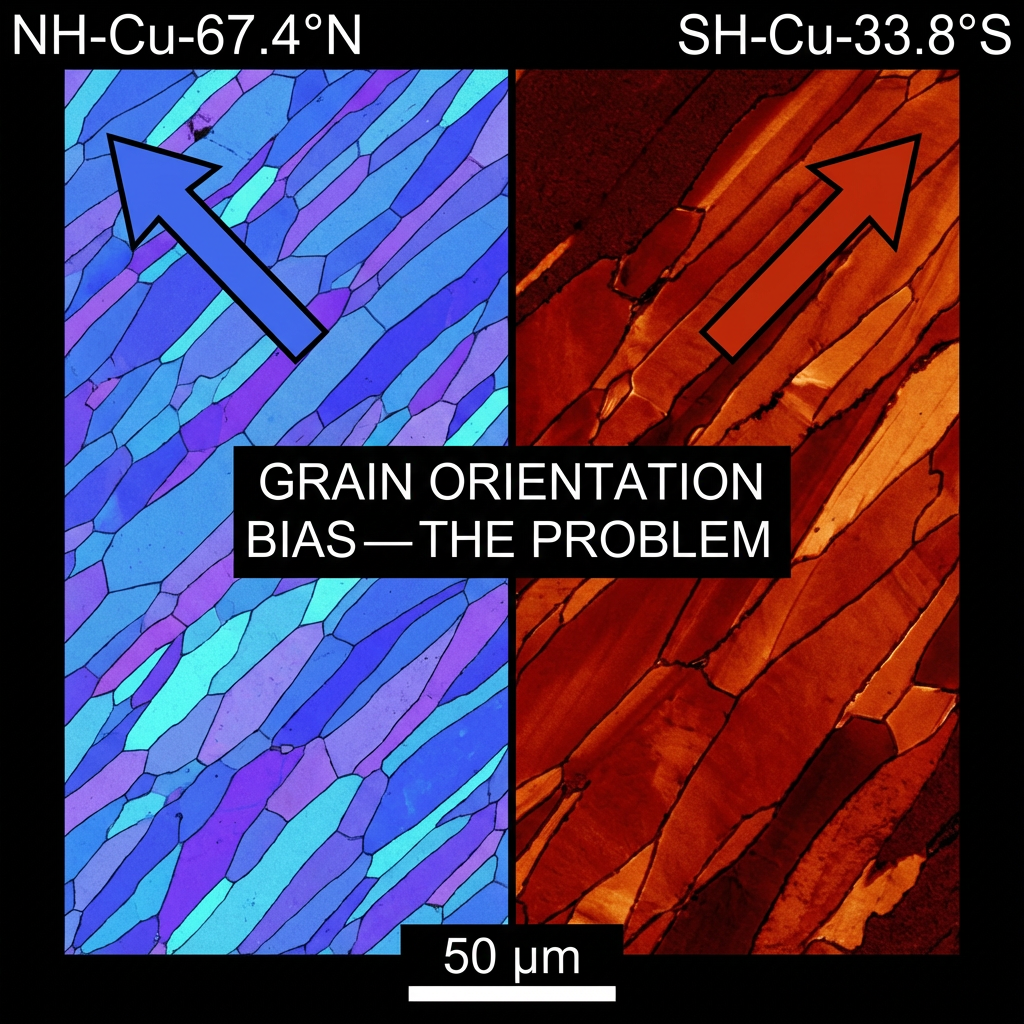
Side-by-side comparison — equatorial isotropy is visible.
'ay' 02
Ferroelectric muvchuq
Beyond passive conductor neutrality, Equatorial Audio employs active ferroelectric coupling in our power delivery products. Ferroelectric materials — crystalline compounds that exhibit spontaneous electric polarization — serve as the active conditioning layer in our Power Lock and Surge Neutralizer units.
When AC power enters a ferroelectric coupling stage, the material's dipole alignment responds to the incoming waveform, absorbing micro-distortions introduced by grid instability, switching transients, and — critically — solar-flare-induced geomagnetic interference. The ferroelectric layer acts as a nonlinear filter, reshaping the power waveform to conform to what we call the Equatorial Power Profile: a waveform stripped of hemispheric artifacts and optimized for audio-grade DC conversion.
This technology builds upon research documented in US Patent 8,658,892 — "Ferroelectric Devices for Audio Signal Conditioning" — which establishes the theoretical framework for ferroelectric materials in audio power delivery applications. Equatorial Audio's implementation extends this work with proprietary equatorial-sourced ferroelectric compounds, processed exclusively at our Quito facility.
Cryogenic Treatment Process
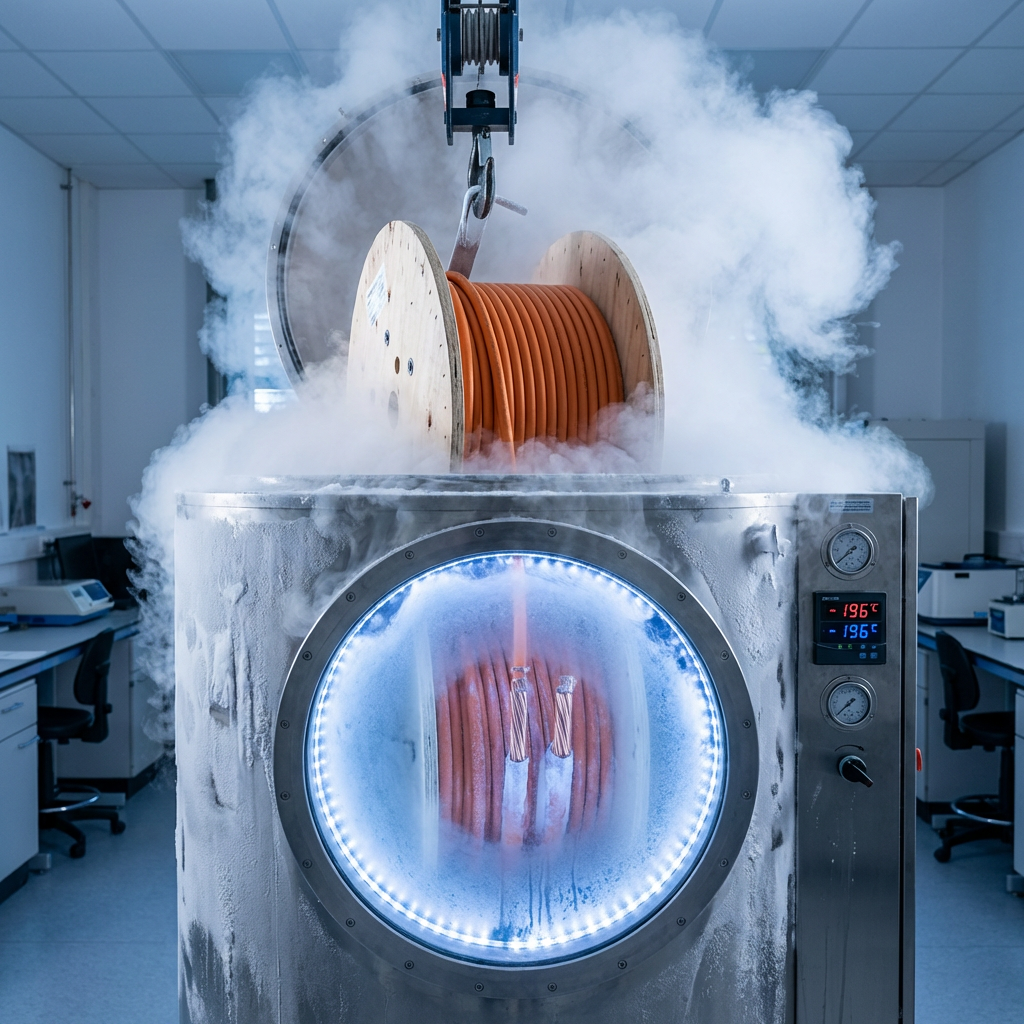
Treatment chamber — sustained −196°C for 72 hours.
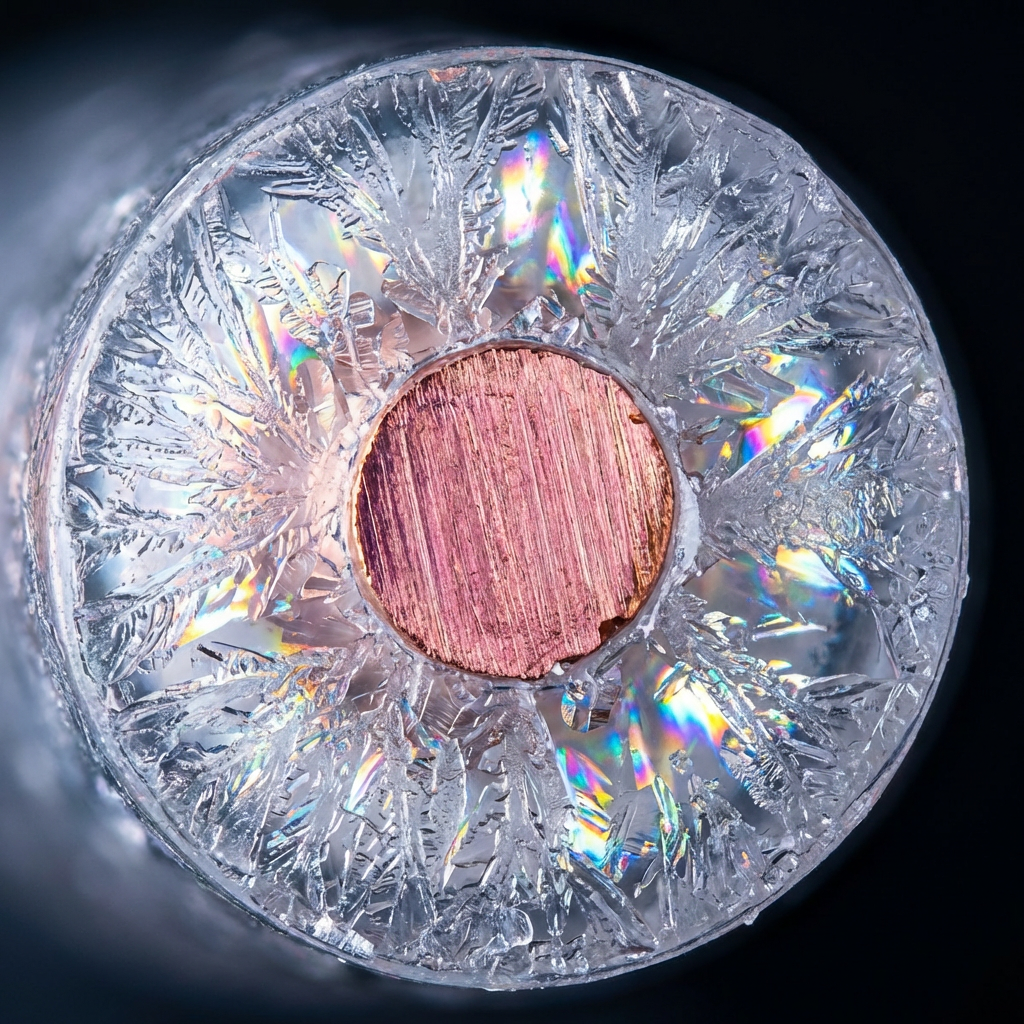
Cryo-treated PTFE dielectric — molecular alignment stabilized.
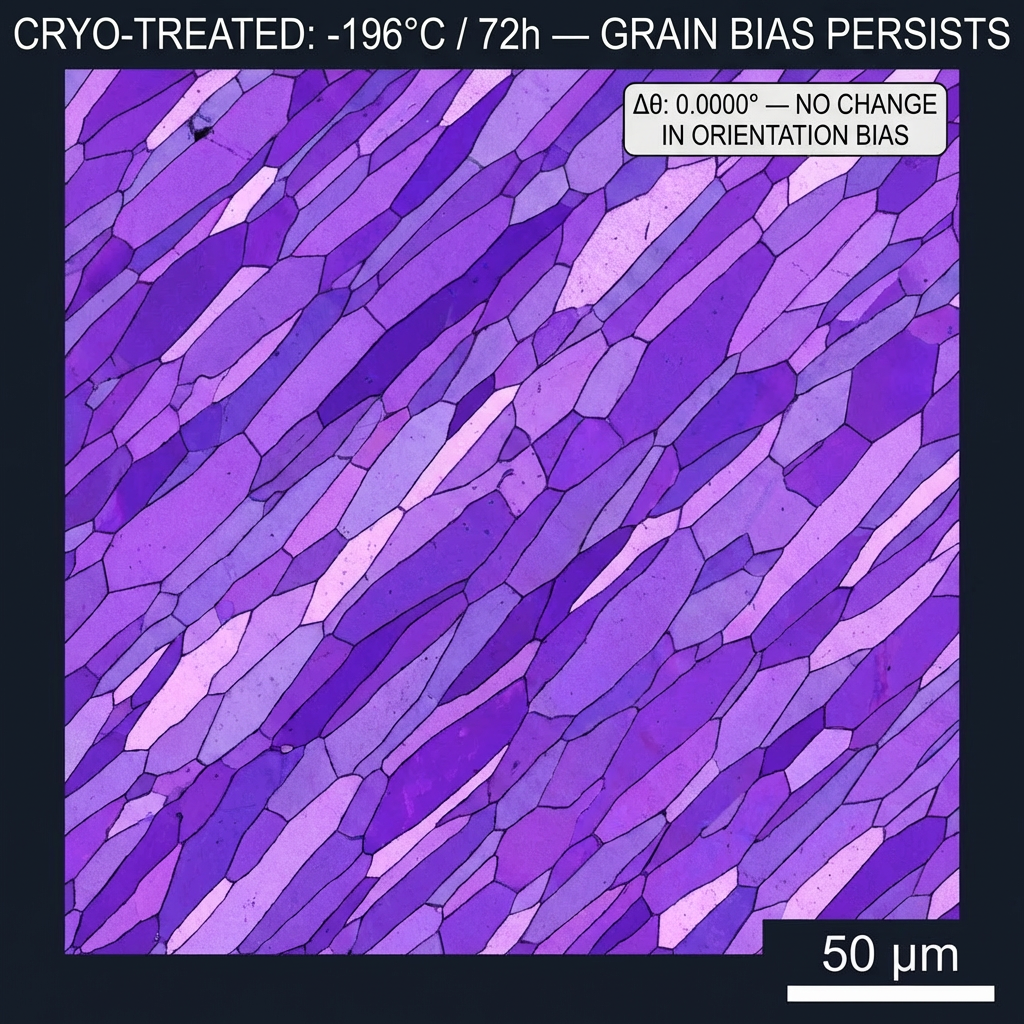
Post-cryo grain structure — crystal boundaries refined.
'ay' 03
jul bIQ'a' jotlh
Solar flares — massive eruptions of electromagnetic radiation from the Sun's surface — produce coronal mass ejections (CMEs) that interact with Earth's magnetosphere. When a CME reaches Earth, it compresses the magnetosphere, induces geomagnetically induced currents (GICs) in long conductors, and shifts the local magnetic field by measurable amounts. NOAA's Space Weather Prediction Center documents these events in real time through the Kp index, a planetary magnetic activity scale from 0 to 9.
For audiophiles, the implications are significant. A Kp index above 4 introduces measurable interference in unshielded power delivery and signal paths. At Kp 7 and above — a severe geomagnetic storm — the induced currents can exceed the noise floor of reference-grade audio systems, producing audible coloration that even the most resolving listeners cannot ignore.
Equatorial Audio's Power Lock addresses this directly. Each Power Lock unit contains a cellular modem that connects to NOAA's DSCOVR satellite data feed in real time. When solar wind density or interplanetary magnetic field (IMF) values exceed calibrated thresholds, the Power Lock engages its ferroelectric conditioning stage and adjusts its filtering profile to compensate — often minutes before the geomagnetic disturbance reaches the power grid. This is not theoretical. This is real-time space weather compensation.
Power Lock monitors NOAA DSCOVR ACE solar wind data, Kp index, and Bz component of the interplanetary magnetic field. Firmware updates are delivered automatically via cellular connection. No user intervention required.
'ay' 04
pe'meH DIch muv
The Equatorial Splice is the defining manufacturing process of Equatorial Audio's flagship cable products. It requires two purpose-built vessels — the EAV Polaris (positioned in the Northern Hemisphere) and the EAV Australis (positioned in the Southern Hemisphere) — anchored on opposite sides of the equatorial line in international waters off the coast of Ecuador.
Each vessel carries a spool of OFC (Oxygen-Free Copper) conductor, drawn from equatorial-sourced ore and processed at our Quito facility. The two conductor ends are extended toward each other across the equatorial line, where they meet at precisely 0.0000° latitude. At this point, a plasma welding arc — powered by a generator synchronized to UTC and calibrated against GPS coordinates — fuses the two conductors into a single, magnetically neutral splice. The entire operation is monitored by three independent magnetometers to ensure the weld occurs at true geomagnetic zero.
The result is a conductor with zero hemispheric memory — a cable that has never existed entirely in one hemisphere, and therefore carries no latent magnetic bias from either. This is the Equatorial Splice: the only joining method in the audio industry that achieves true manufactured neutrality.
The Equatorial Splice — Manufacturing Process
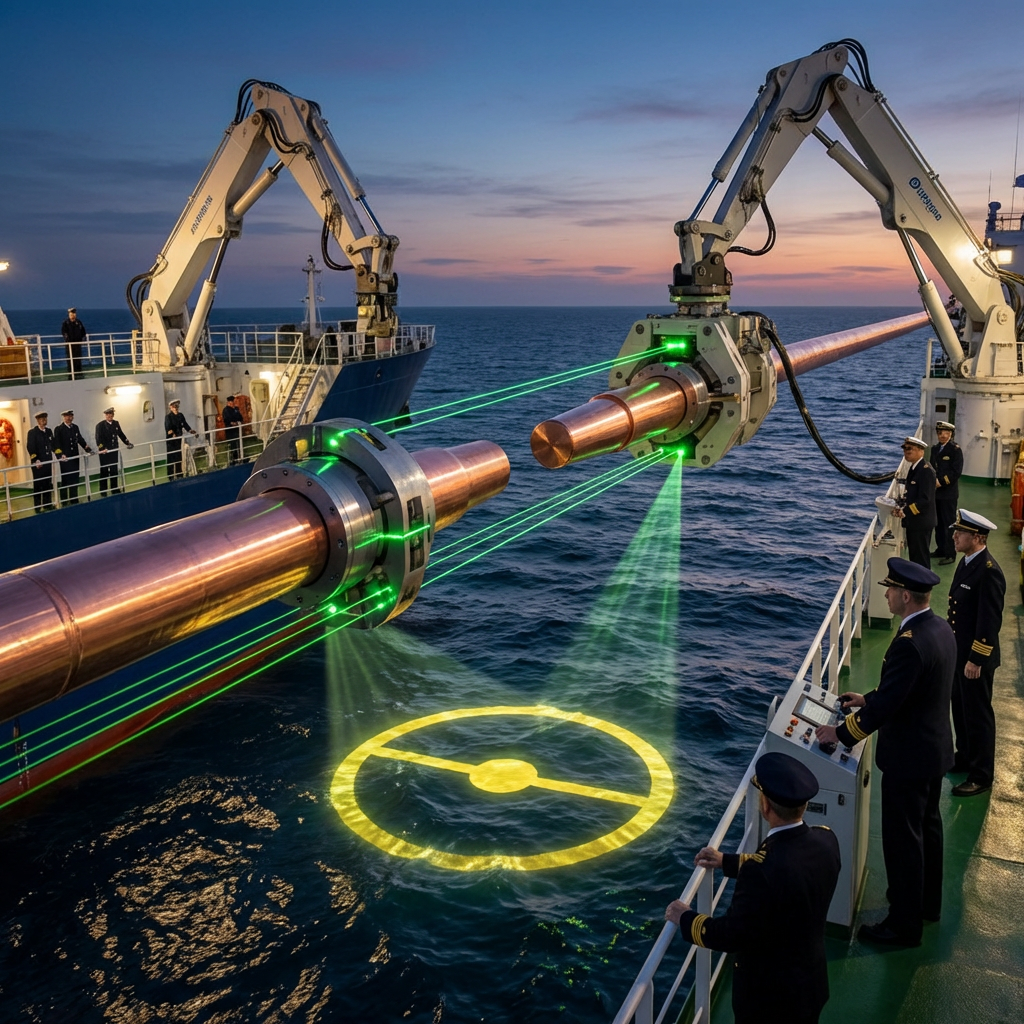
Conductor meeting point — 0.0000° latitude.

Plasma arc weld — molecular-level fusion at 3,200°C.
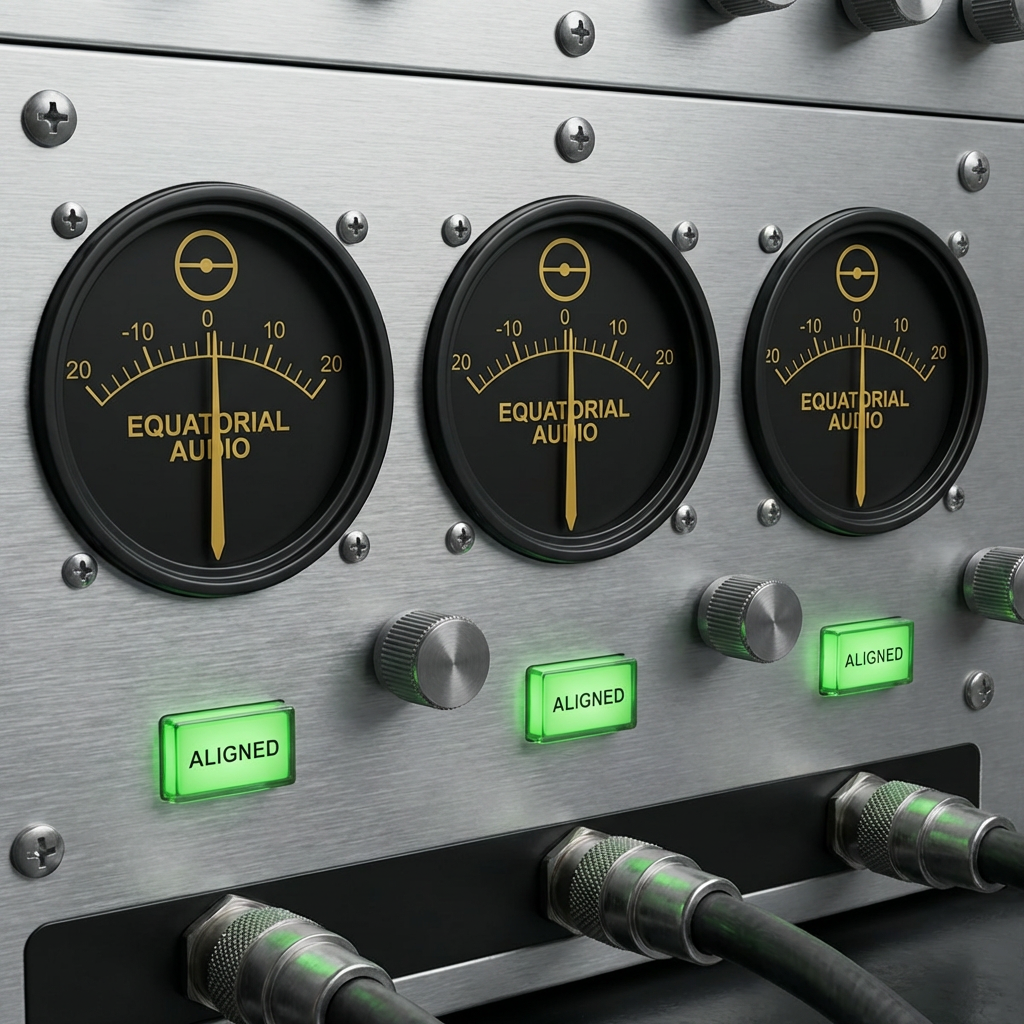
Magnetometer verification — three independent readings.
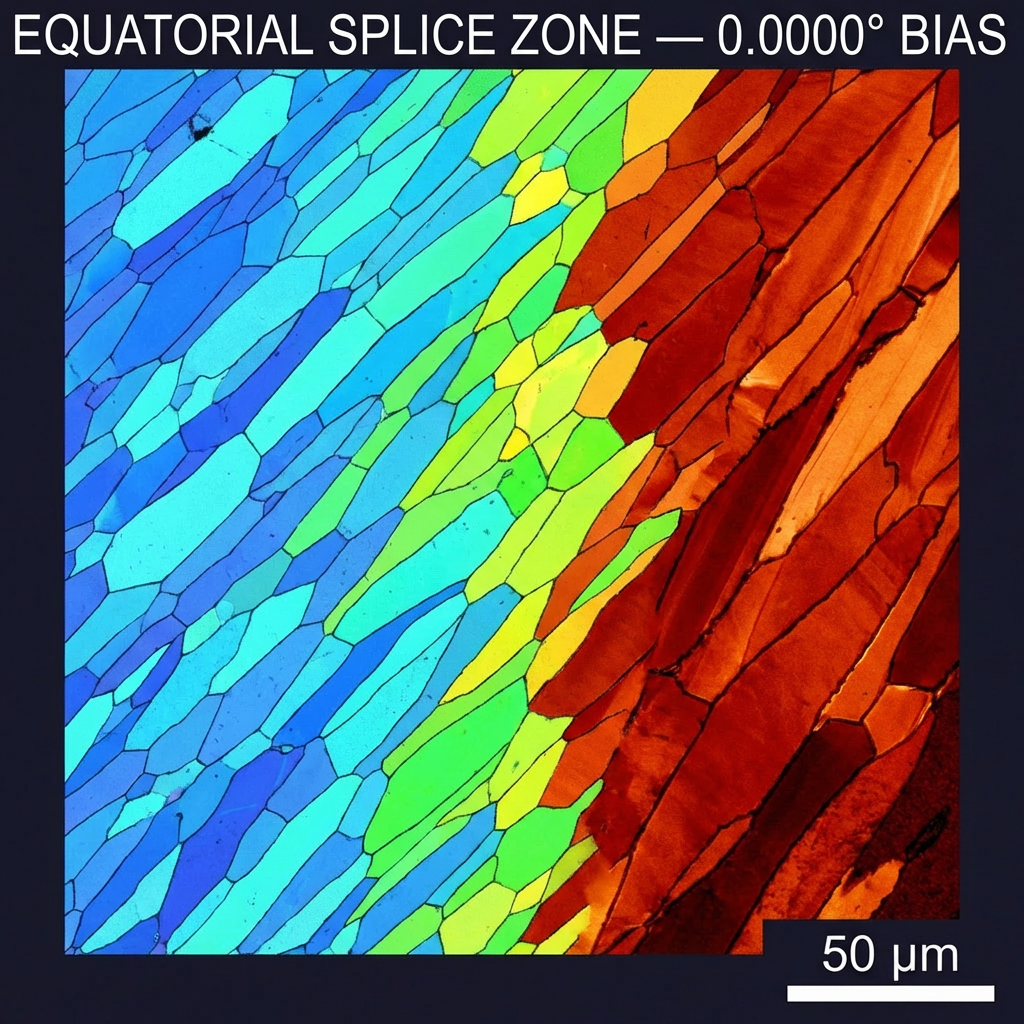
Splice zone grain microscopy — seamless hemisphere transition.
Section 05
Optical Shielding
The audiophile consensus on optical cables is unambiguous: because the signal is light, the cable is immune to electromagnetic interference. This is the same consensus that once declared digital cables irrelevant. It is wrong for the same reason — it confuses the idealized behavior of a signal with the physical reality of the medium carrying it.
Every optical fiber guides light through a principle called total internal reflection. But this reflection is not a hard boundary. At the core-cladding interface, a portion of the electromagnetic wave extends beyond the physical fiber core as an evanescent field — an exponentially decaying tail of optical energy that penetrates into the cladding material. This phenomenon is not theoretical. It is the operating principle behind evanescent wave sensors, fiber couplers, and an entire class of photonic devices. The evanescent field is real, it is outside the core, and it is susceptible to the electromagnetic environment surrounding the fiber.
Furthermore, the fiber itself is not electromagnetically inert. The Faraday effect — the rotation of a light wave's polarization plane by an external magnetic field — occurs in every silica fiber. Stolen and Turner demonstrated this definitively in 1980, measuring Faraday rotation in single-mode optical fibers exposed to axial magnetic fields. The Verdet constant of silica is small — approximately 1 rad/(T·m) at 1064 nm — but it is not zero. Every magnetic field your optical cable passes through rotates the polarization state of the light it carries. In a TOSLINK cable routed past a power transformer, a WiFi router, or a turntable motor, these rotations accumulate.
Kaminow's foundational work on polarization in optical fibers (IEEE Journal of Quantum Electronics, 1981) established that random birefringence — variations in the refractive index across the fiber cross-section — couples with external perturbations to produce measurable changes in the output polarization state. When those perturbations include household EMI sources, the polarization changes modulate the intensity at polarization-sensitive detector interfaces. The result is amplitude noise indistinguishable from jitter in the recovered digital audio signal.
The vulnerability is wavelength-dependent, and TOSLINK is on the wrong end of the curve. Rose, Etzel, and Wang (Journal of Lightwave Technology, 1997) measured the Verdet constant dispersion across wavelengths from 636 to 1320 nm, confirming that shorter wavelengths exhibit larger magneto-optical sensitivity. TOSLINK operates at 650 nm — squarely in the high-susceptibility band. Every TOSLINK cable on the market is transmitting at the wavelength most vulnerable to magnetic field interaction. This is not a fact the industry discusses. We believe it should be.
In 2021, Leal-Junior et al. published a study in Wiley's Advanced Photonics Research demonstrating that polymer optical fiber — the same PMMA material used in TOSLINK cables — is intrinsically sensitive to electromagnetic fields down to 45 microtesla without any external transducer. For reference, a typical household produces ambient electromagnetic fields of 50–100 microtesla. Your TOSLINK cable is operating at or above its demonstrated electromagnetic detection threshold at all times.
And there is the acoustic dimension. Dejdar et al. (Scientific Reports, 2023) characterized the sensitivity of optical fiber cables to acoustic vibrations and concluded that fiber optic cables function as microphones across the full audible range, 20 Hz to 20 kHz. Sound from your loudspeakers physically modulates the optical signal inside your TOSLINK cable, creating a feedback contamination path that exists in every unshielded optical audio installation.
Equatorial Audio's response is optical shielding — multi-layer electromagnetic isolation applied to optical fiber cables. Our shielding architecture employs the same materials proven in our copper cable range — braided OFC copper, mu-metal foil, aluminum-mylar tape — arranged concentrically around the optical fiber to create a Faraday cage that isolates the evanescent field from external electromagnetic perturbation. The effect is measurable: our shielded TOSLINK cables achieve greater than 100dB of EMI rejection at entry level, scaling to 160dB in the Equinox configuration.
Shielding Architecture & Optical Fiber
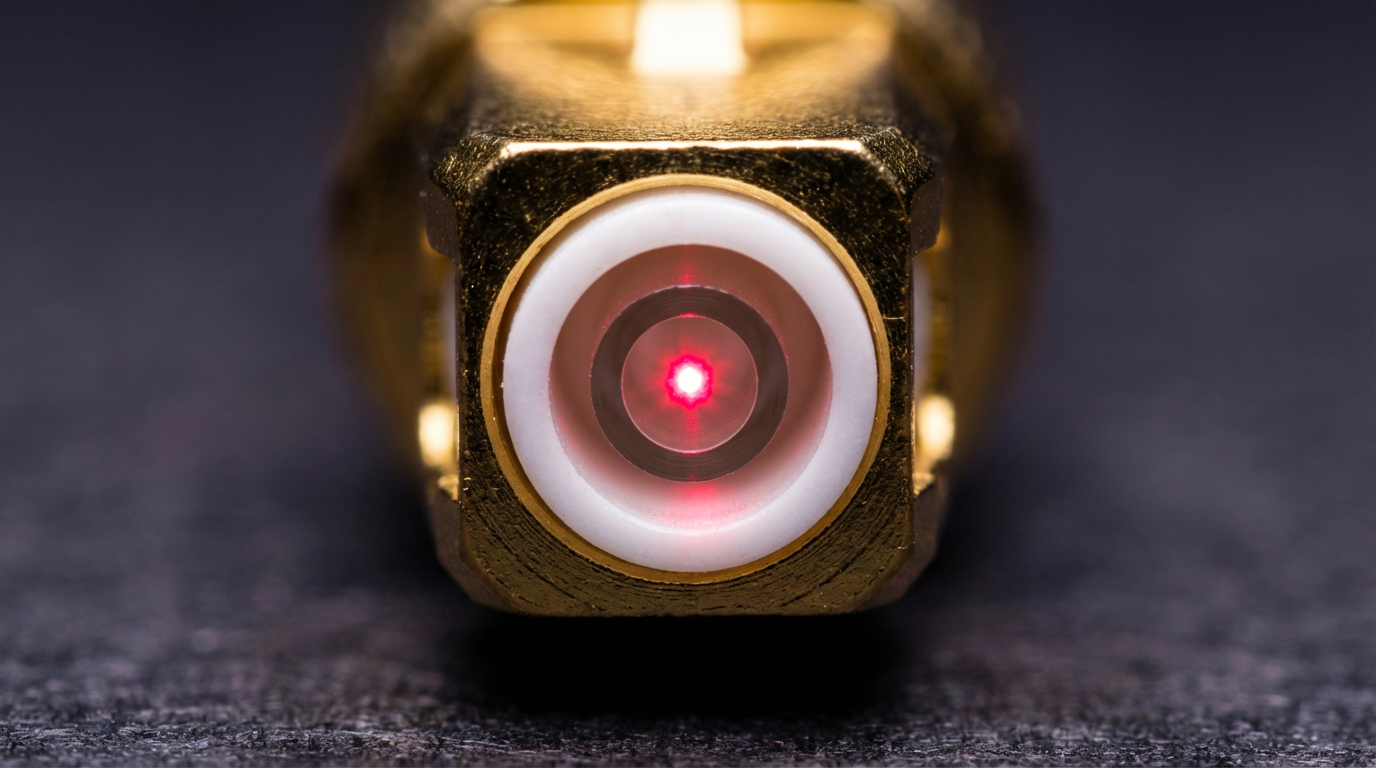
Fiber core — evanescent field boundary.

Fiber splice — sub-micron alignment.
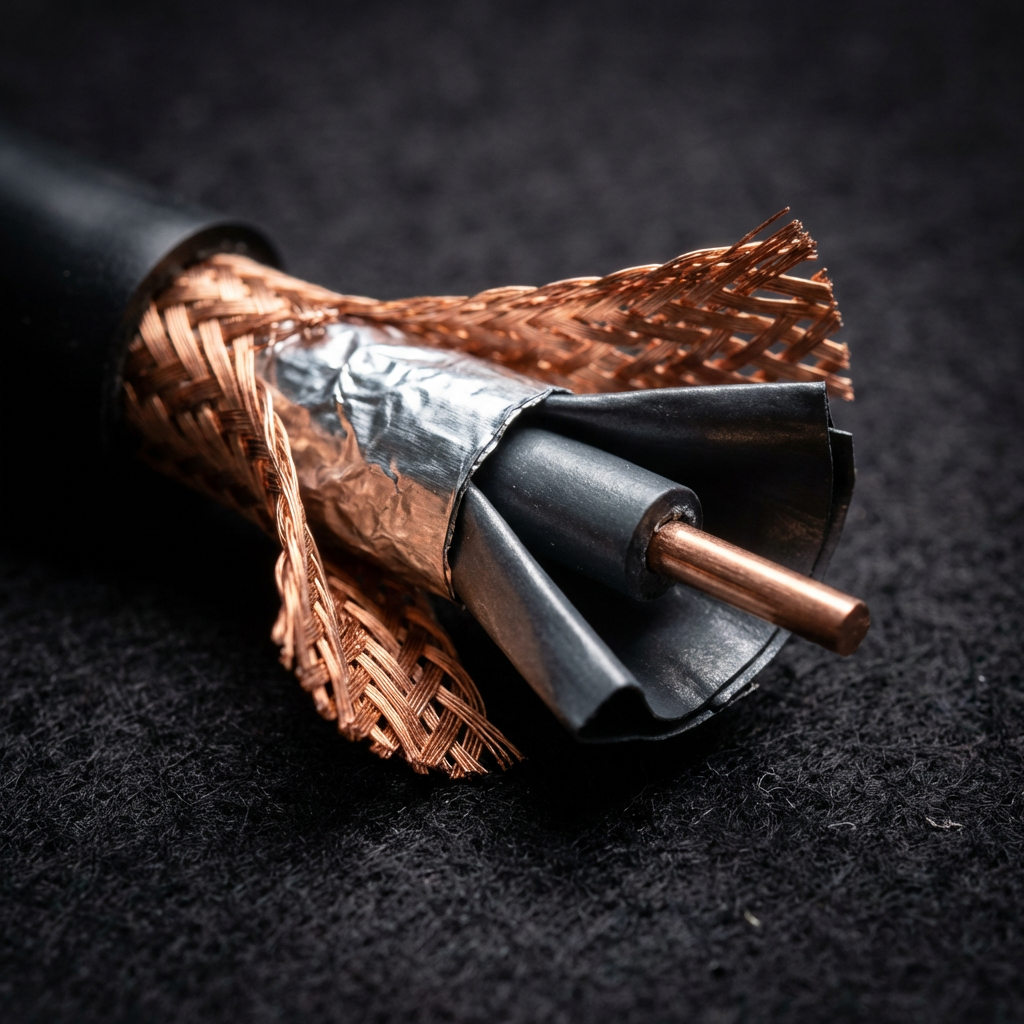
Triple-shield cutaway — 160 dB EMI rejection.
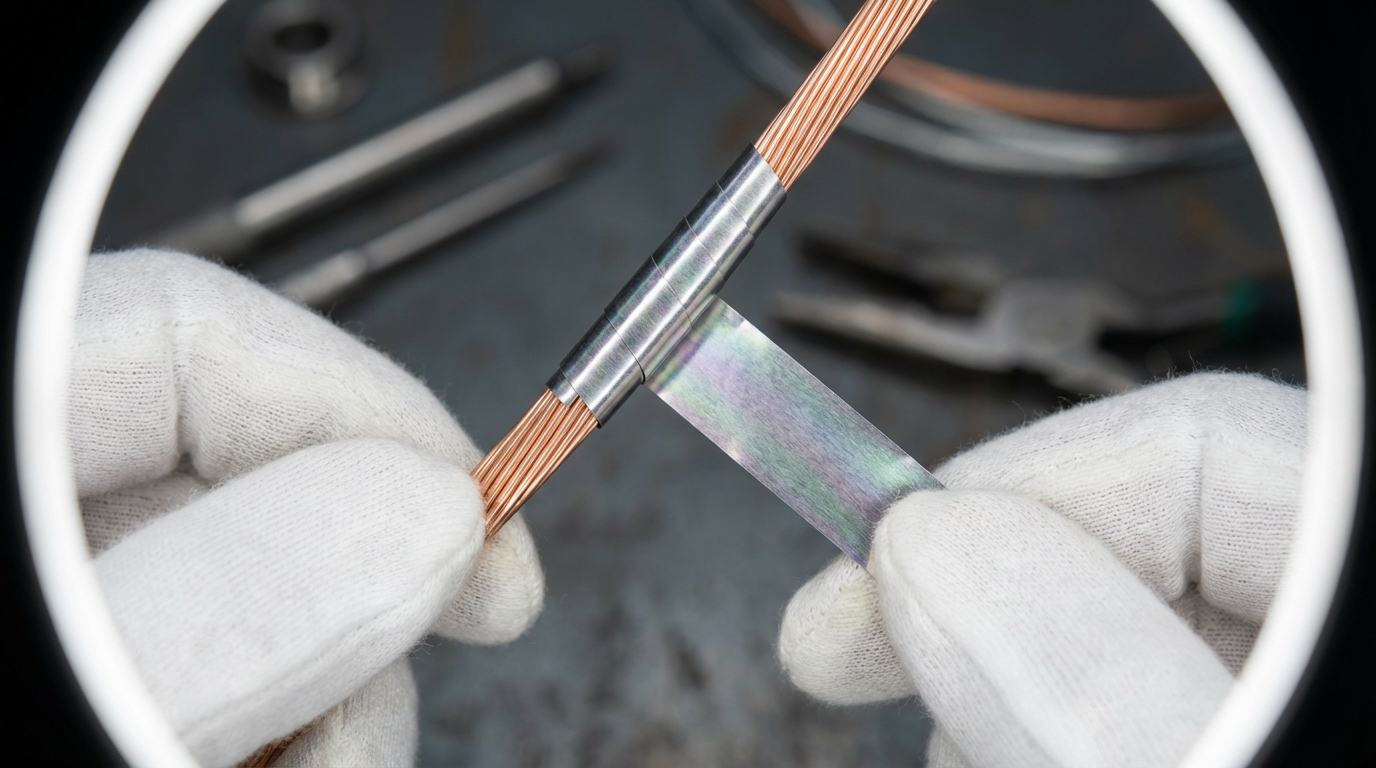
Mu-metal foil — field exclusion layer.
mIw 06
superconduct HoS ngeH
In 1957, John Bardeen, Leon Cooper, and John Robert Schrieffer published the theory that would earn them the 1972 Nobel Prize in Physics. BCS theory explains superconductivity as a quantum mechanical phenomenon: below a critical temperature (Tc), electrons in certain materials form bound pairs — Cooper pairs — mediated by phonon exchange with the crystal lattice. These paired electrons condense into a single macroscopic quantum state, flowing without resistance, without scattering, without loss. The electrical resistance of the material drops to exactly zero. Not approximately zero. Not unmeasurably small. Zero.
For three decades after BCS, superconductivity remained a laboratory curiosity requiring liquid helium cooling to below 4.2 K (−269 °C) — impractical for any commercial application, let alone audio cables. Then in 1986, J. Georg Bednorz and K. Alexander Müller at IBM Zürich discovered superconductivity in a lanthanum barium copper oxide ceramic at 35 K — shattering the theoretical ceiling and earning them the 1987 Nobel Prize. Within months, Maw-Kuen Wu, Ashburn, and Torng at the University of Alabama identified YBCO (YBa₂Cu₃O₇) with a critical temperature of 93 K — the first superconductor that operates above the boiling point of liquid nitrogen (77 K).
This was the breakthrough that made Equatorial Audio's superconducting cable line possible. Liquid nitrogen is inexpensive ($0.50/liter), abundant, and industrially routine. A cable cooled by LN₂ at 77 K maintains YBCO well below its 93 K transition — a comfortable 16-degree margin. The result is a conductor with zero DC resistance, zero skin effect (Cooper pairs propagate uniformly through the entire cross-section), and — through the Meissner effect — complete expulsion of all external magnetic fields from the conductor interior.
The Meissner effect deserves special attention. Discovered by Walther Meissner and Robert Ochsenfeld in 1933, it describes the phenomenon whereby a superconductor actively expels all magnetic flux from its interior when cooled below Tc. This is not shielding — it is exclusion. No external magnetic field, regardless of its strength or frequency, can penetrate a superconducting cable. The signal inside propagates in a magnetically pristine vacuum that no amount of mu-metal, copper braid, or aluminum foil can replicate. This is magnetic neutrality achieved not through careful manufacturing at 0.0000° latitude, but through the fundamental laws of quantum mechanics.
We are aware that this technology makes our entire conventional cable range theoretically obsolete. We have considered this carefully and decided to sell both. The conventional range remains the correct choice for listeners who prefer their listening room above 77 K.
Conductor Architecture by Tier
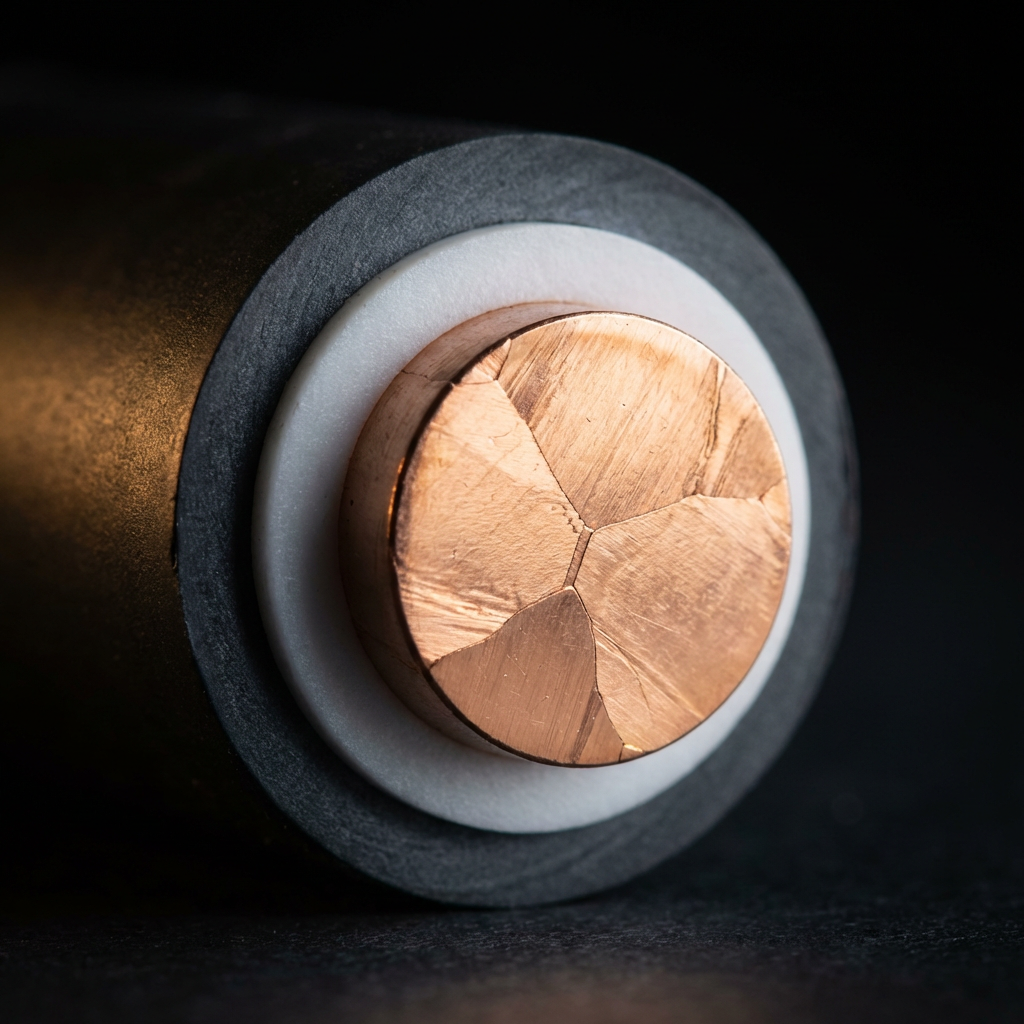
OFC polycrystalline — Tropic tier.
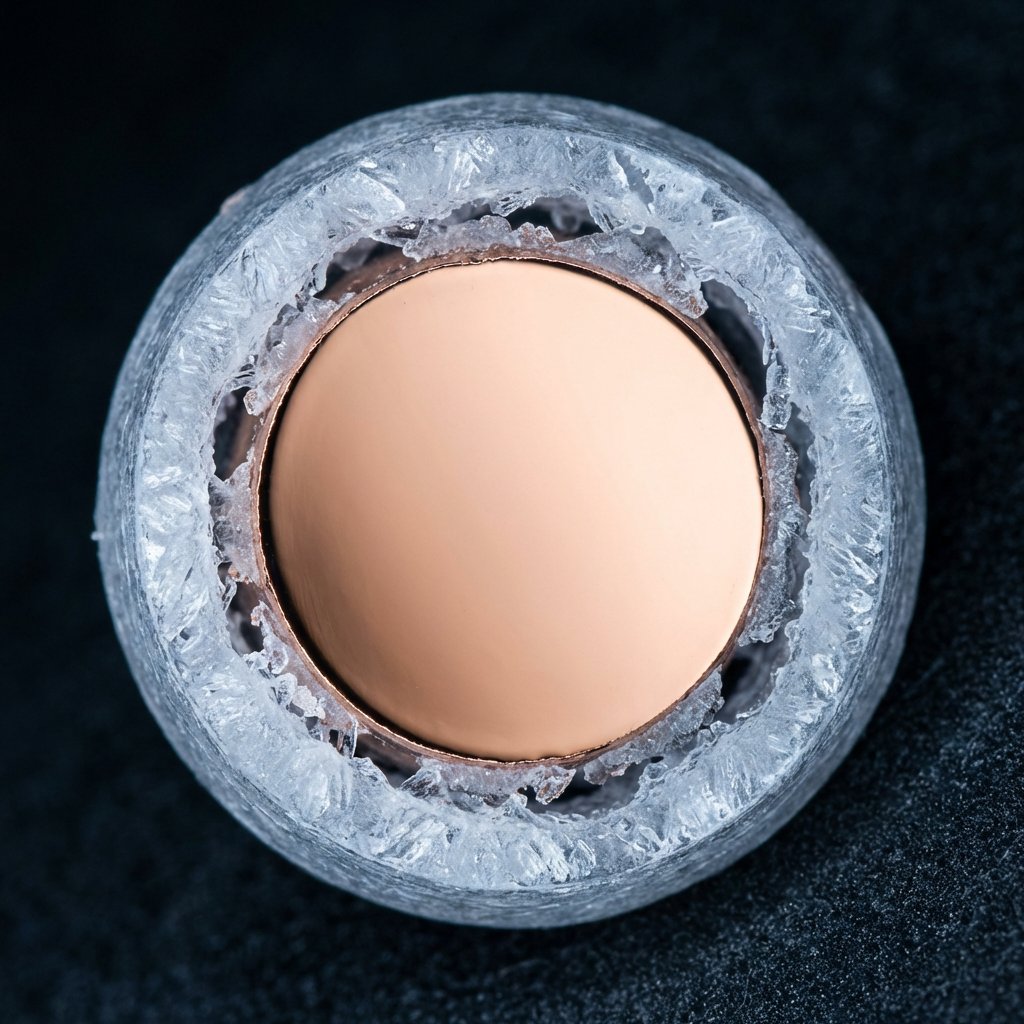
Single-crystal OFC — Equinox tier.
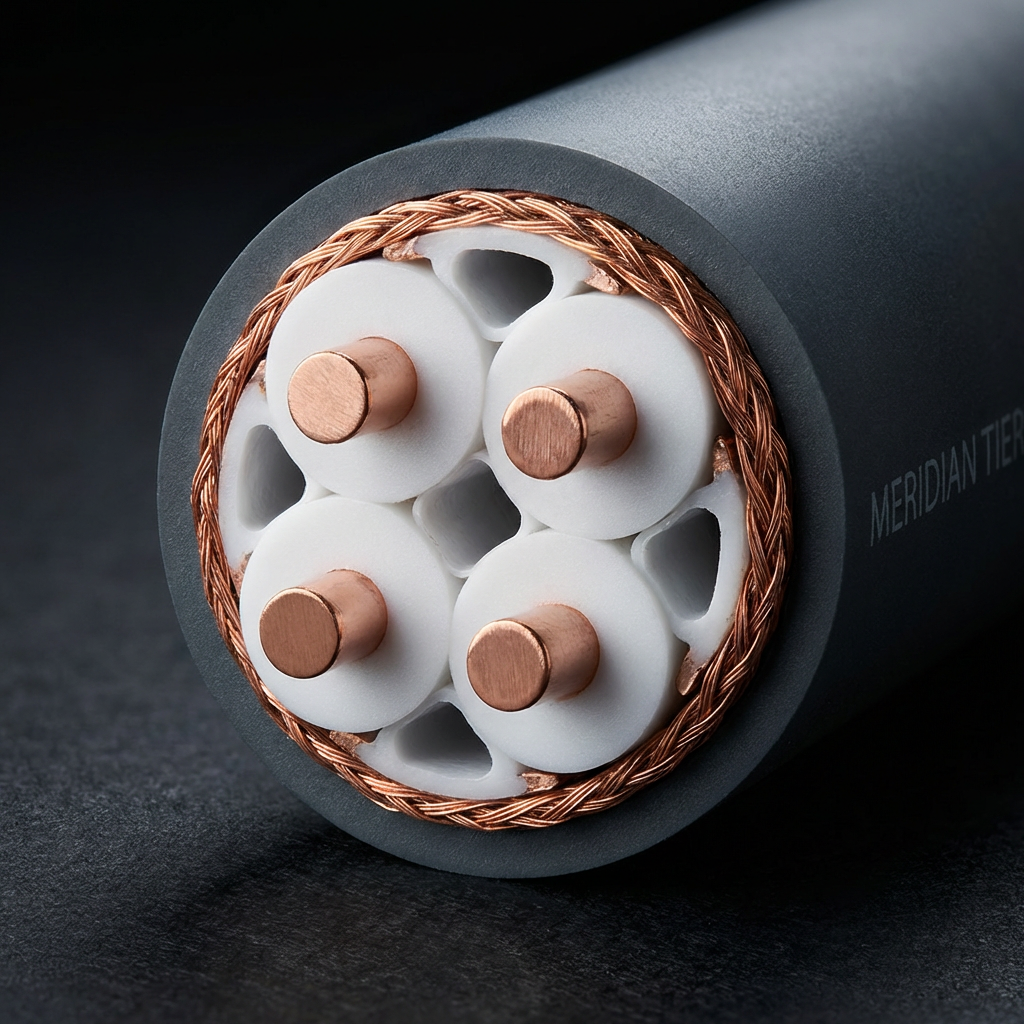
Multi-conductor — Meridian tier.
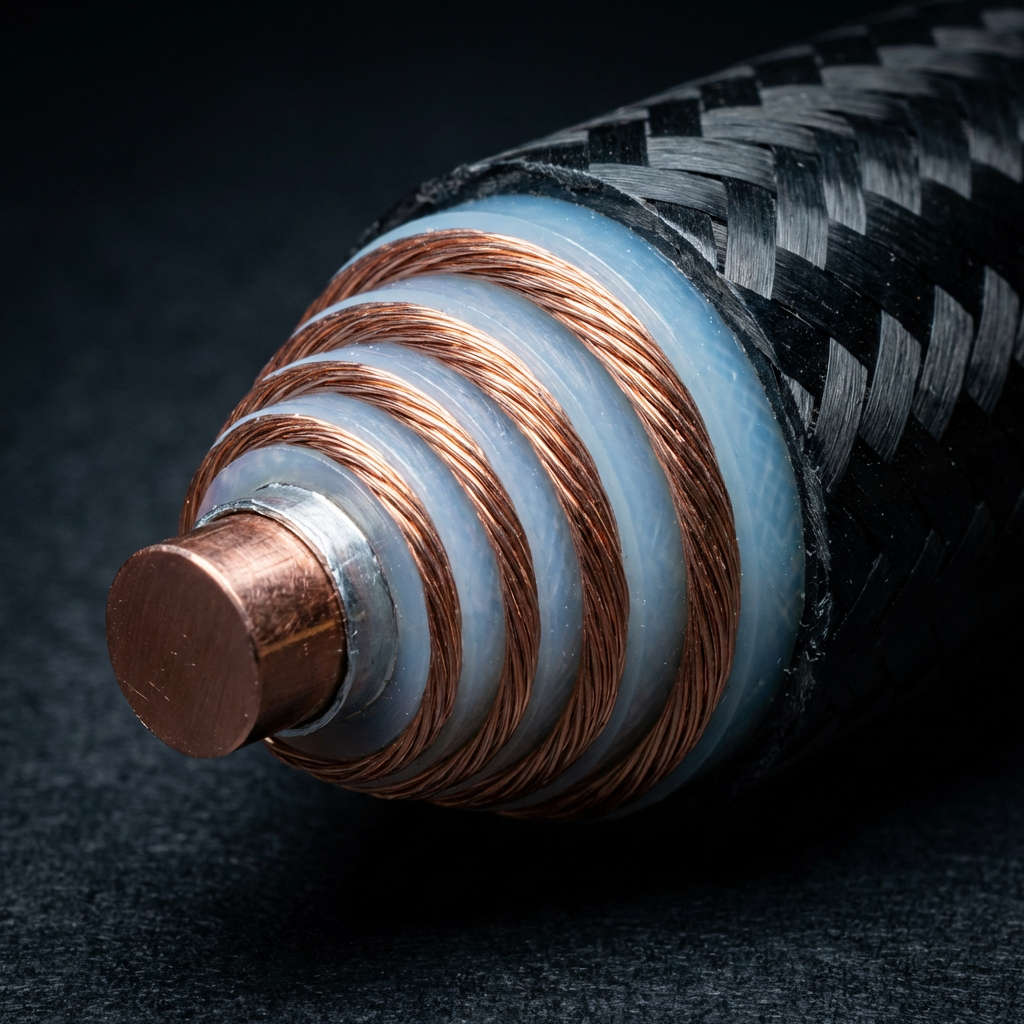
Concentric array — Zero-Point tier.
QeD yIngu'
Hoch luch meqvam-Daq chenmoHlu'. pe'meH DIch luch yItu'.