Meridian Interconnect Cable
Precision bi-hemispheric geometry. Copper mined within 2.7° of the equator.
Key Features
Specifications
The Meridian Interconnect represents the point in our cable range where engineering precision transitions from impressive to obsessive. Copper sourced within 2.7 degrees of the geographic equator — from certified mines in Ecuador, the Democratic Republic of Congo, and Borneo — is smelted under controlled magnetic conditions from equal parts northern-face and southern-face ore. Each conductor strand is drawn from billets that have been verified for hemispheric neutrality before the drawing process begins. The result is a measured hemispheric bias of less than 0.001 nanotesla, an order of magnitude below our Tropic tier and effectively indistinguishable from theoretical zero.
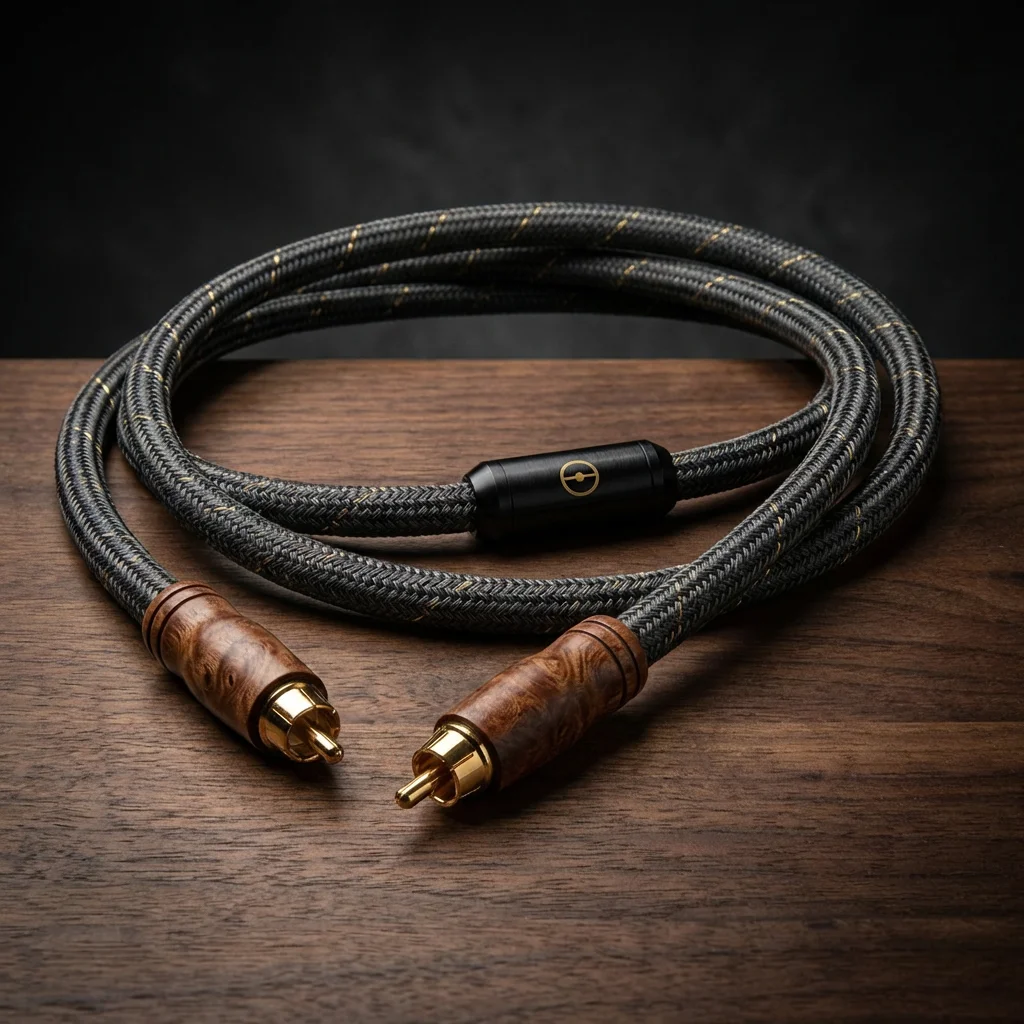
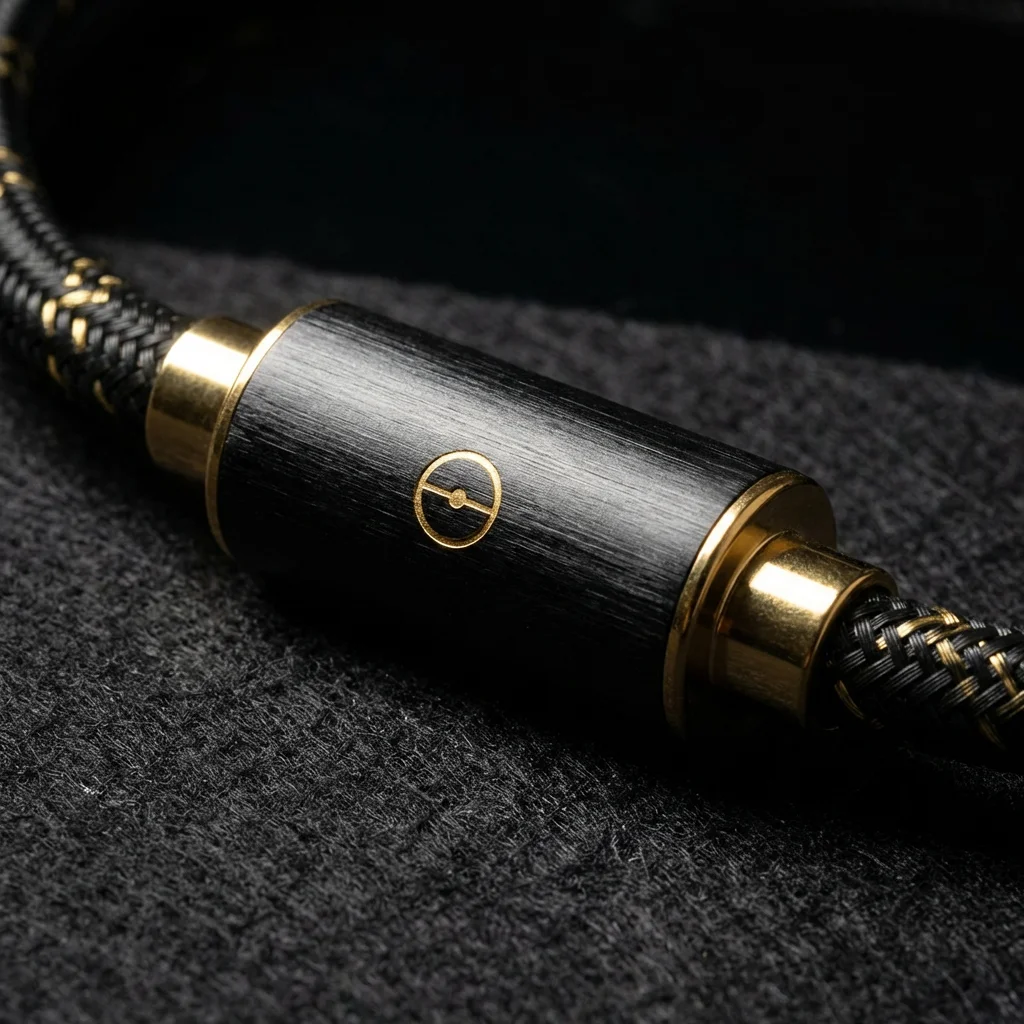
The dual-hemisphere symmetrical geometry is the defining innovation of the Meridian. Rather than running conductors in a simple parallel or twisted arrangement, the Meridian employs a geometry in which each conductor strand is mirrored by a corresponding strand drawn from the opposite hemisphere's ore face. These paired strands are wound in counter-rotating helices so that any residual magnetic bias in one strand is precisely cancelled by its mirror. The Precision Equatorial Splice at the cable's geometric centre bonds these mirrored pairs at the molecular level using our proprietary plasma-welding process, creating a seamless electromagnetic topology that conventional cable geometry cannot approximate.
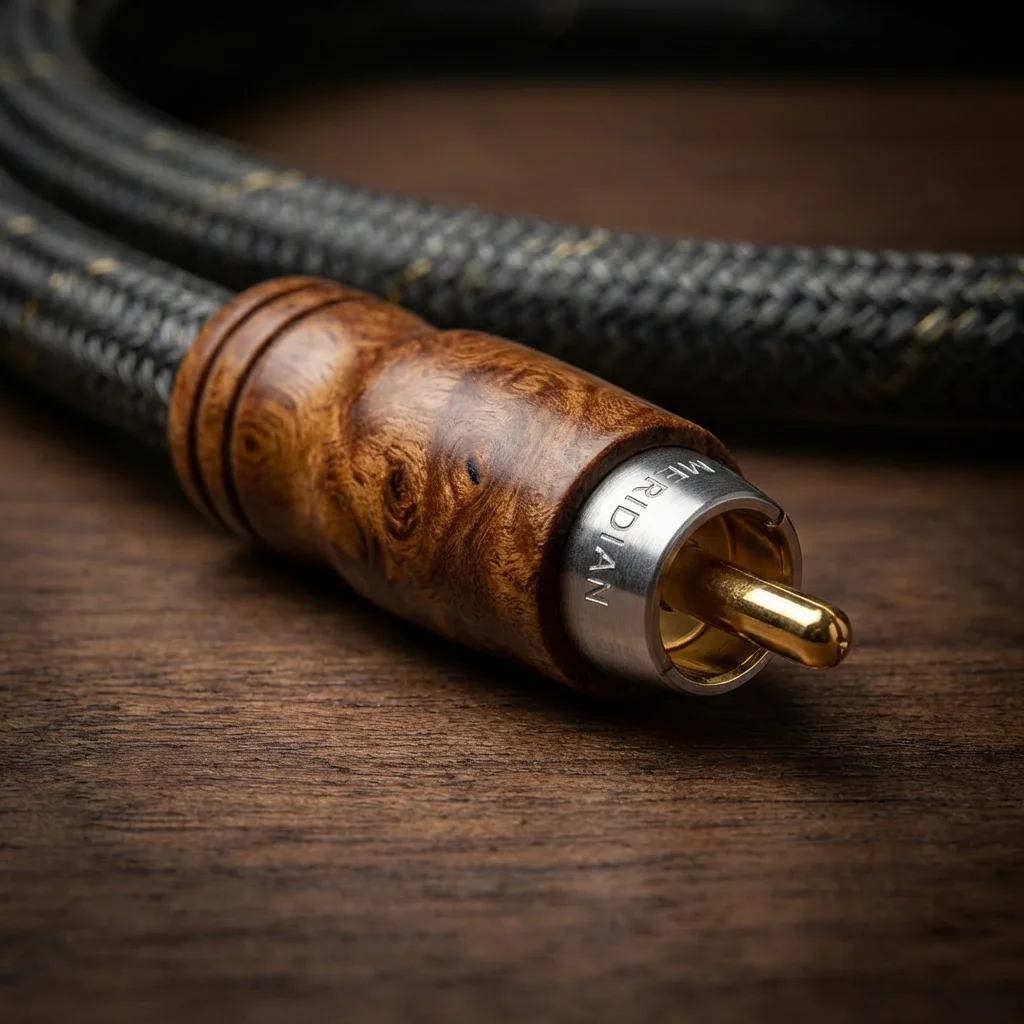
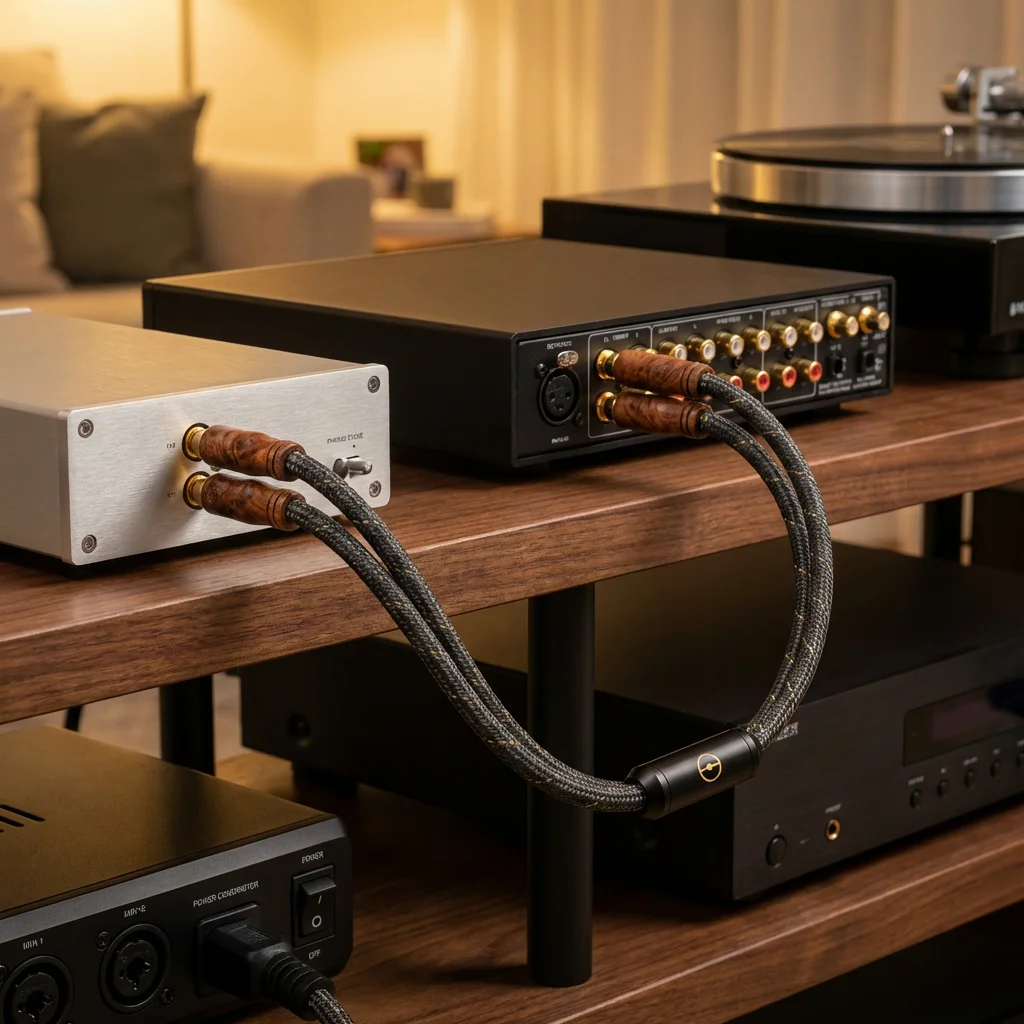
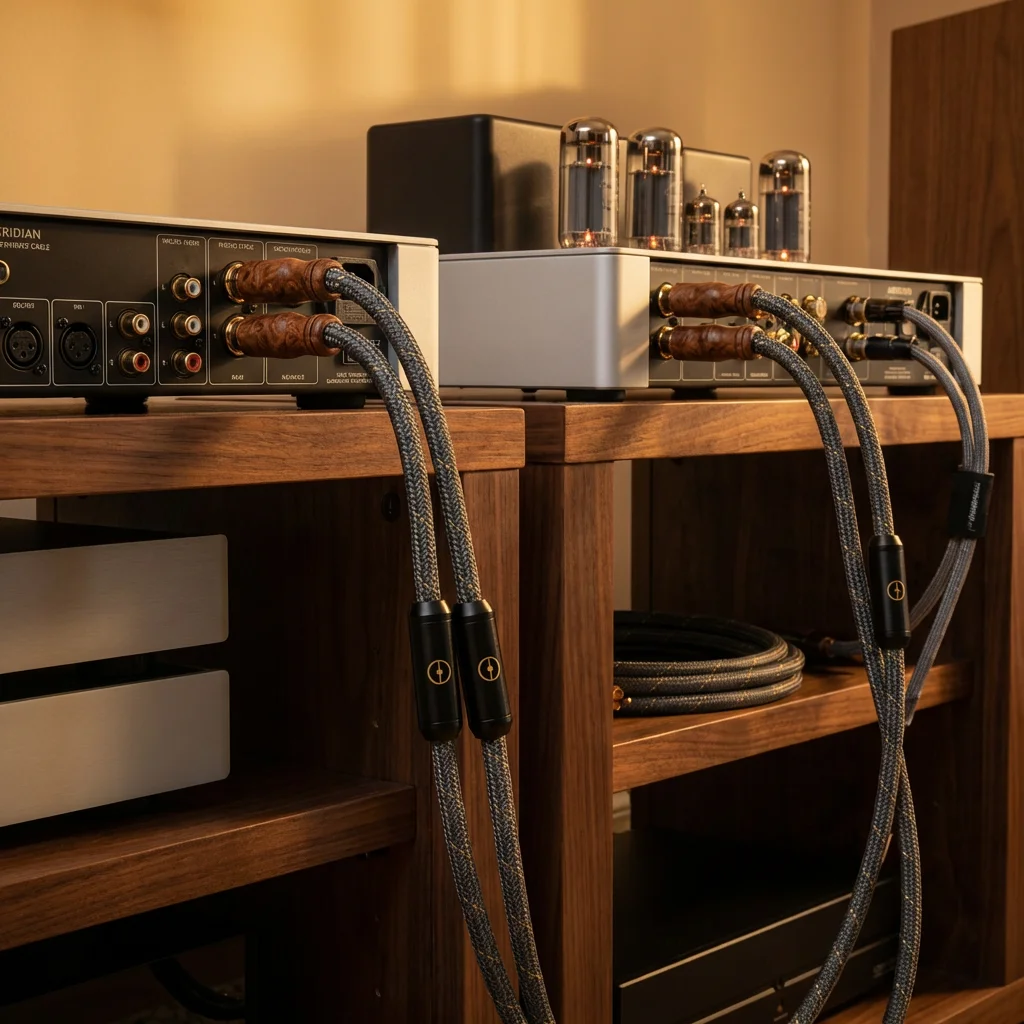
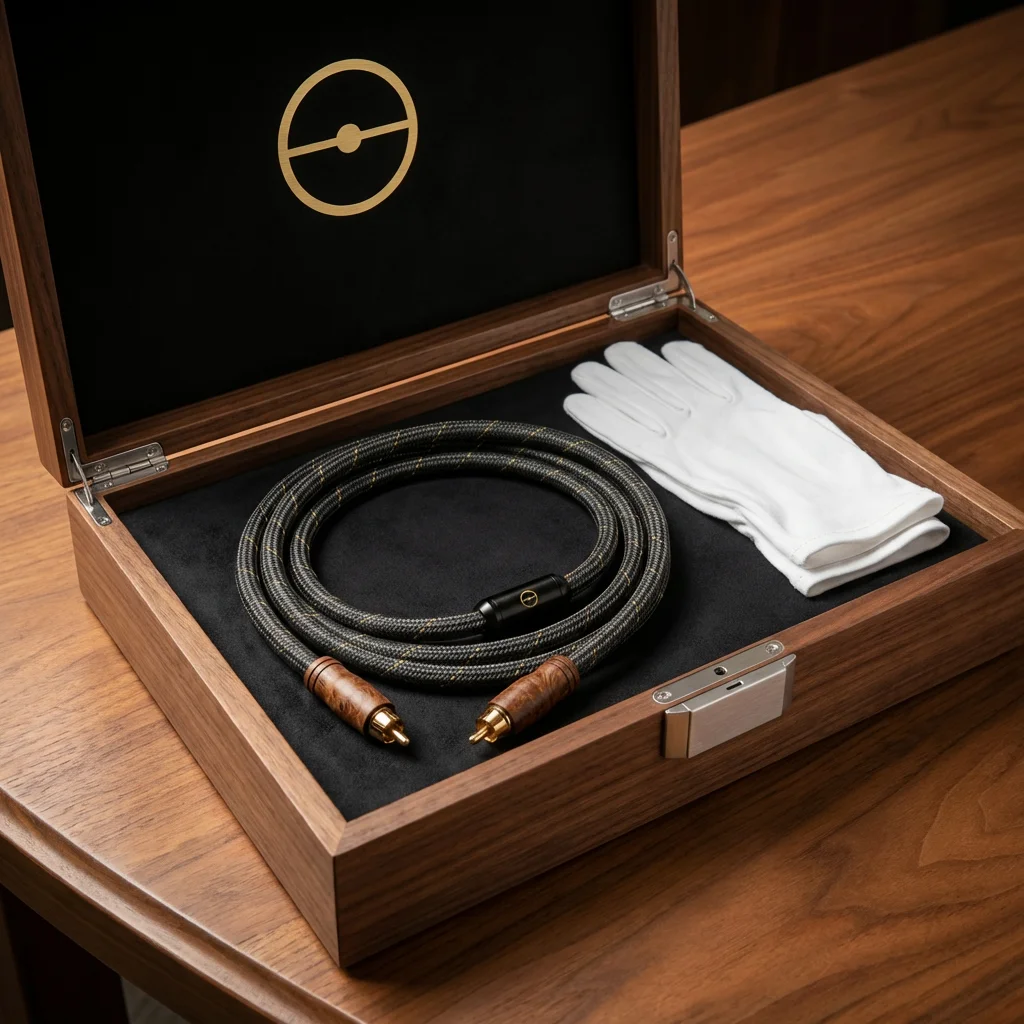
Available in both RCA and XLR terminations, the Meridian is the cable most serious audiophiles settle on permanently. The XLR variant exploits the balanced signal architecture to further reject common-mode hemispheric noise, making it the preferred choice for systems with fully balanced signal paths. Each cable ships with a magnetic bias verification certificate documenting the measured hemispheric bias of that specific unit, traceable to our calibration laboratory in Quito, Ecuador.
The break-in period of 200 to 400 hours is not optional. During this time, the nitrogen-injected PTFE dielectric undergoes a gradual molecular relaxation that aligns its charge distribution with the signal path. Attempting to evaluate the Meridian before break-in is complete will yield results that do not reflect the cable's true capability. We recommend using our Equatorial Break-In Signal, available as a complimentary download, which provides an optimised spectrum of frequencies designed to accelerate dielectric settling without introducing asymmetric charge patterns.